
HVAC Shop Blog
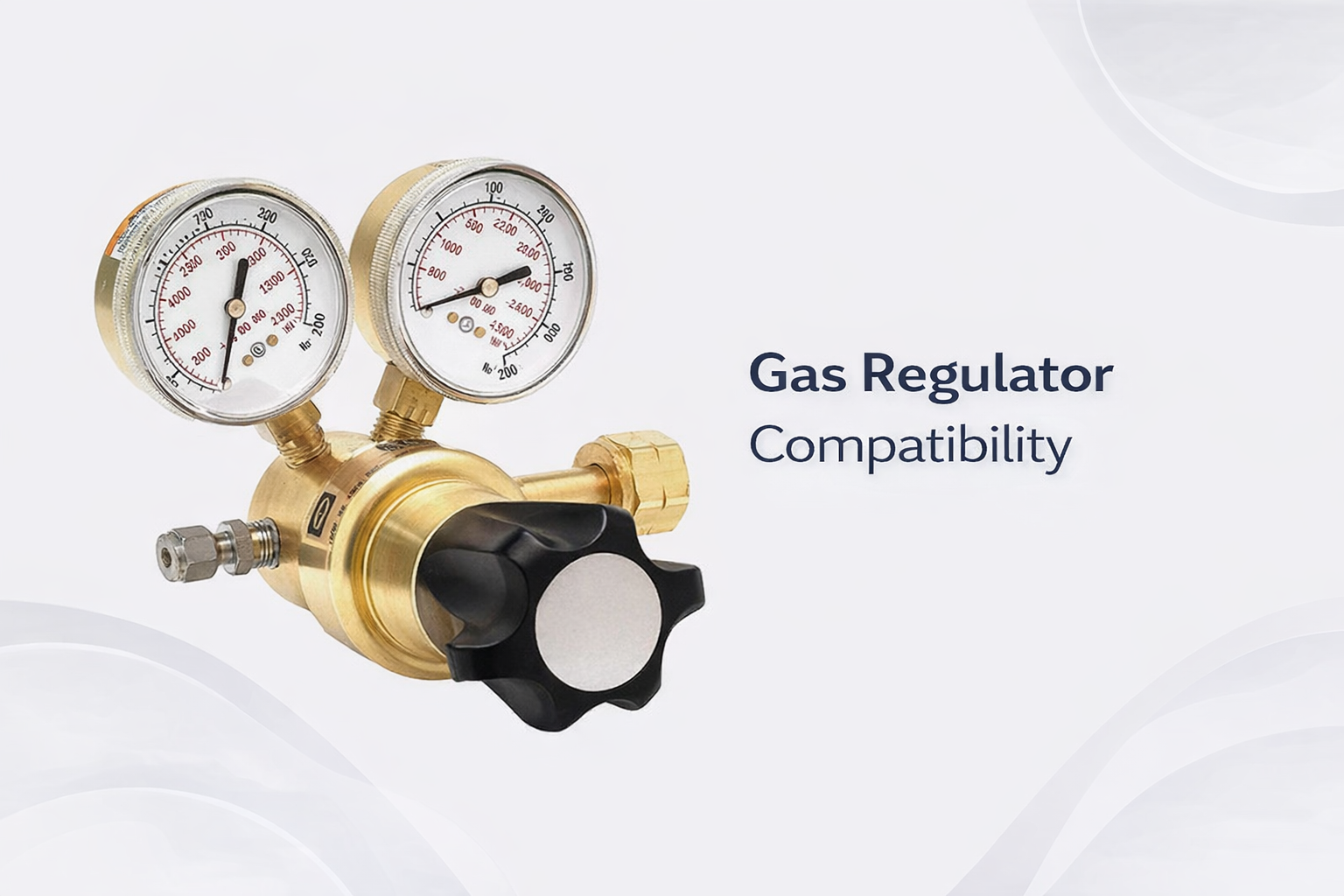
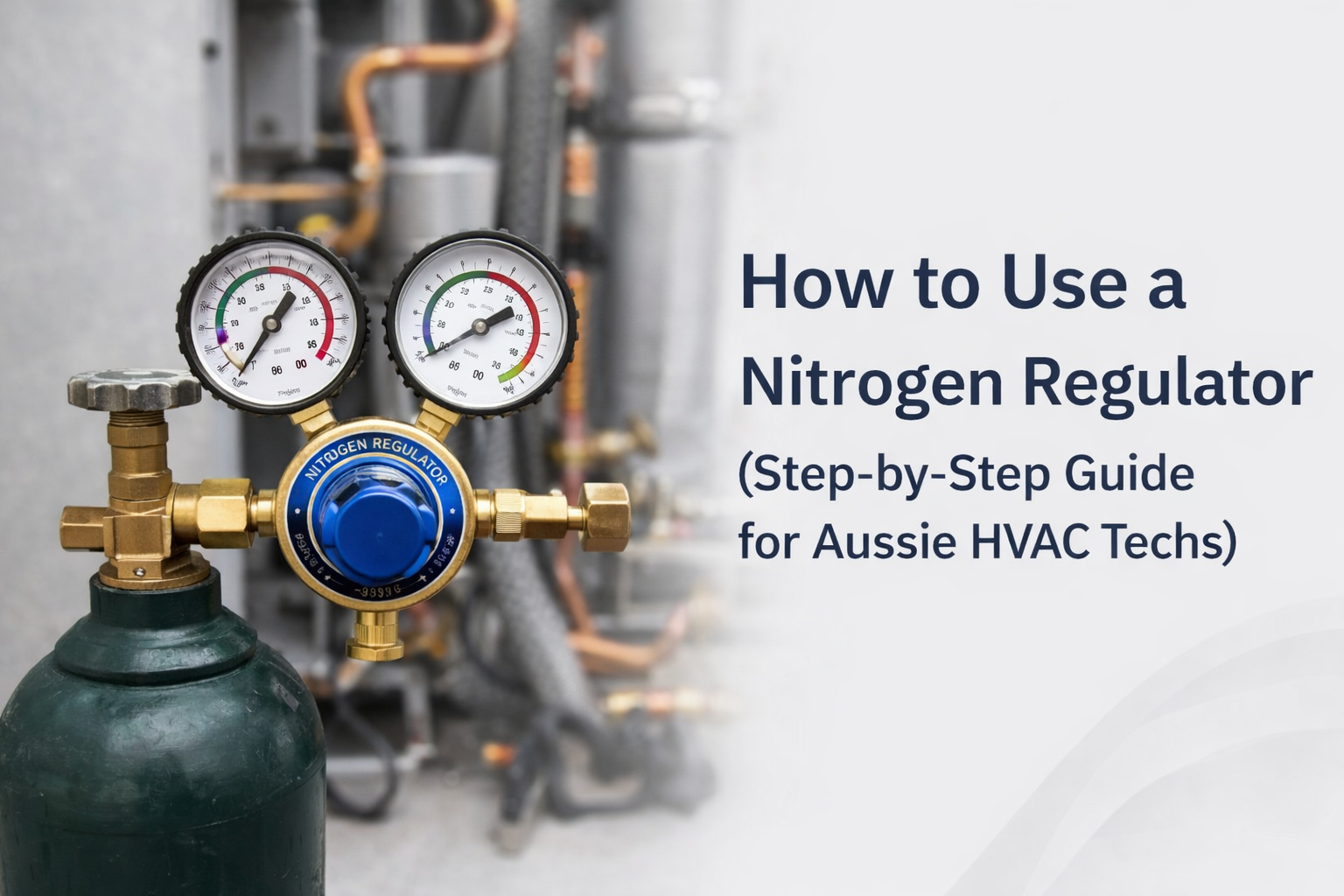
How to Use a Nitrogen Regulator (Step-by-Step Guide for Aussie HVAC Techs)
A practical, step-by-step guide for Australian HVAC and refrigeration techs on how to safely set up and use a nitrogen regulator for brazing purge, leak testing, and pressure testing—plus common mistakes and troubleshooting tips to avoid false leaks and call-backs.
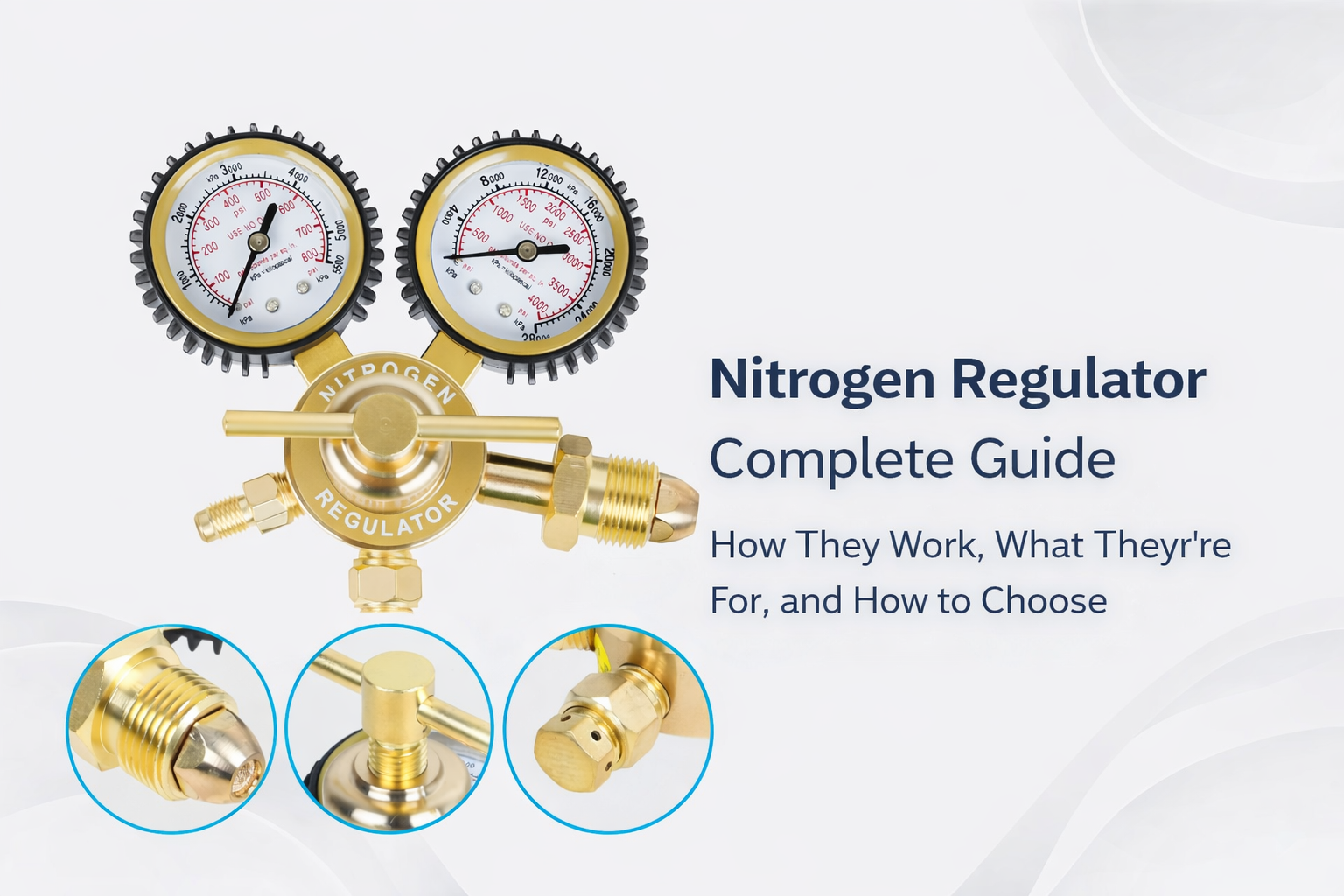
Nitrogen Regulator Complete Guide: How They Work, What They’re For, and How to Choose
A nitrogen regulator is the quiet hero of pressure testing and brazing purge in HVAC. This guide explains how it works, what to look for, and how to choose the right regulator for Australian job sites.
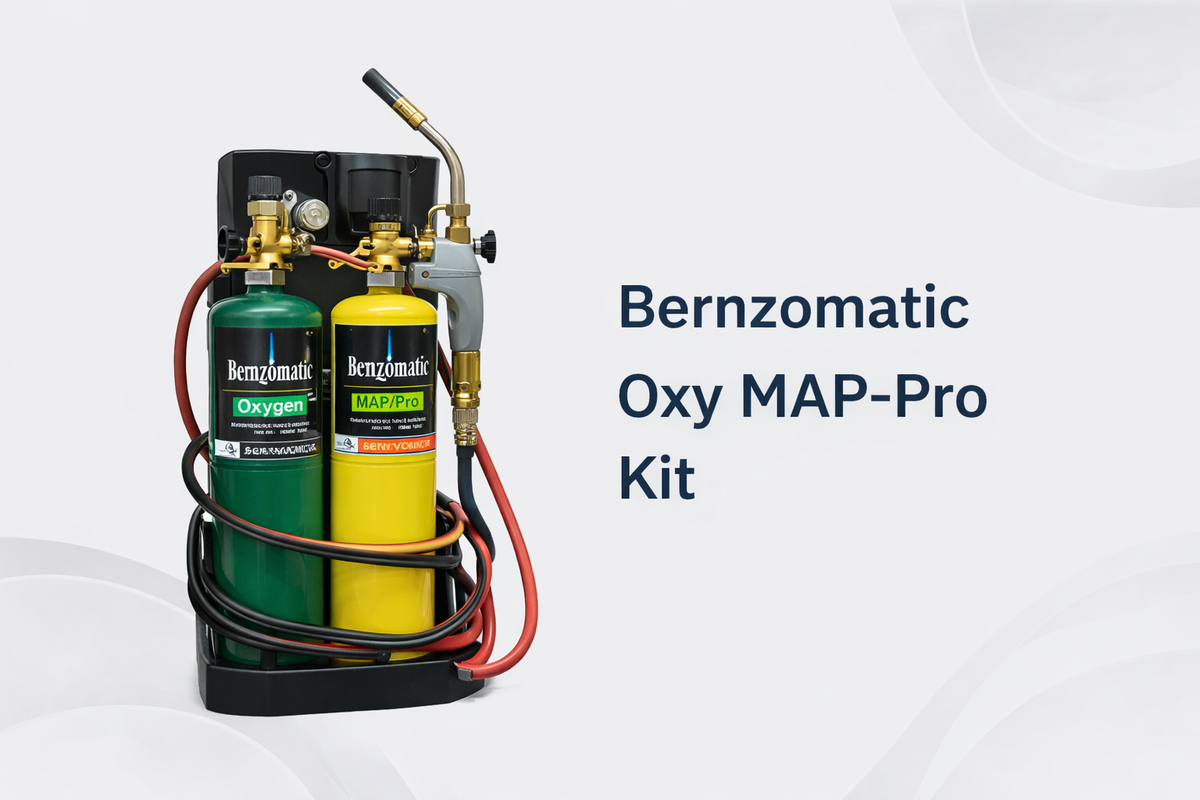
Bernzomatic Oxy MAP-Pro Kit
Not every HVAC job needs oxy-fuel. This guide explains when an Oxy MAP-Pro kit is worth it, how it changes your safety routine, and how to use, store, and transport it properly on Aussie sites.
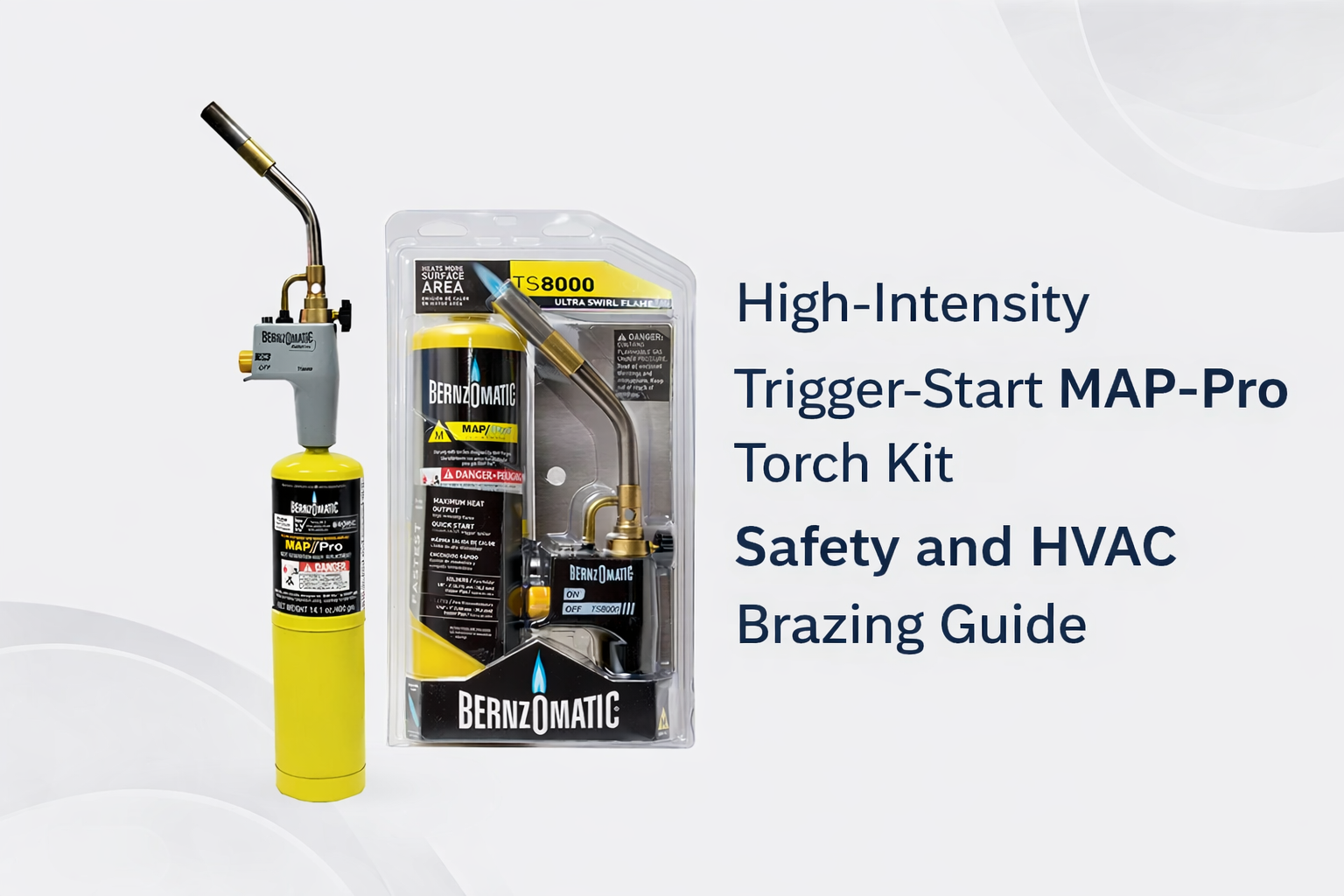
High-Intensity Trigger-Start MAP-Pro Torch Kit Safety and HVAC Brazing Guide
A trigger-start MAP-Pro torch kit makes hot work feel calmer on site—if you use it with the right habits. This guide covers safe connection checks, leak testing before ignition, flame control for copper, and practical storage and van setup tips for Australian HVAC tradies, plus how to link your torch workflow to proper brazing and MAPP gas safety procedures.
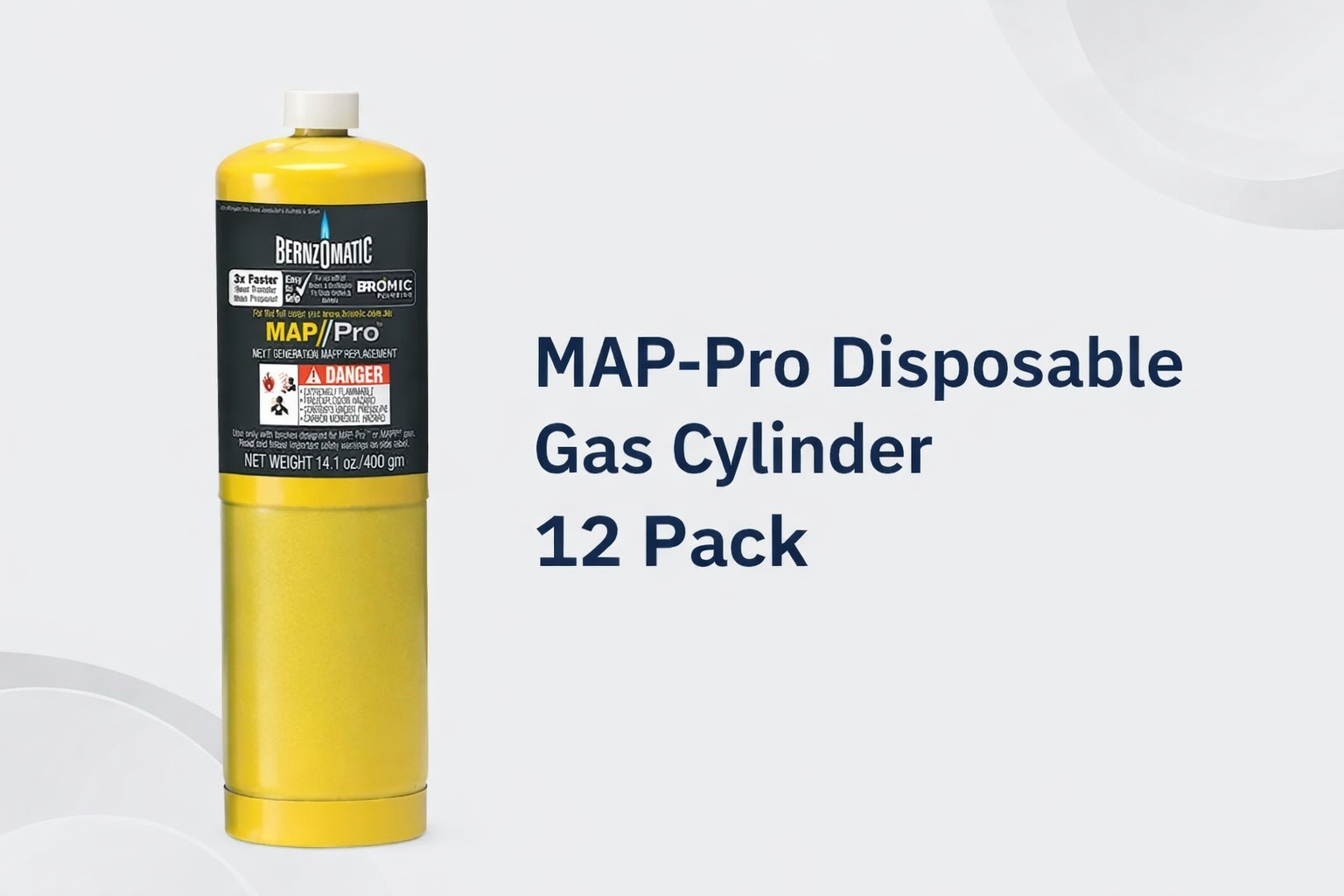
MAP-Pro Disposable Gas Cylinder 12 Pack: Safe Storage, Transport & Brazing Use for HVAC
A practical, no-fluff guide to using a MAP-Pro disposable gas cylinder 12 pack on real HVAC jobs. Learn safe storage, van transport, leak checks, and ignition habits—plus how to keep your brazing workflow consistent and avoid rushed hot work.
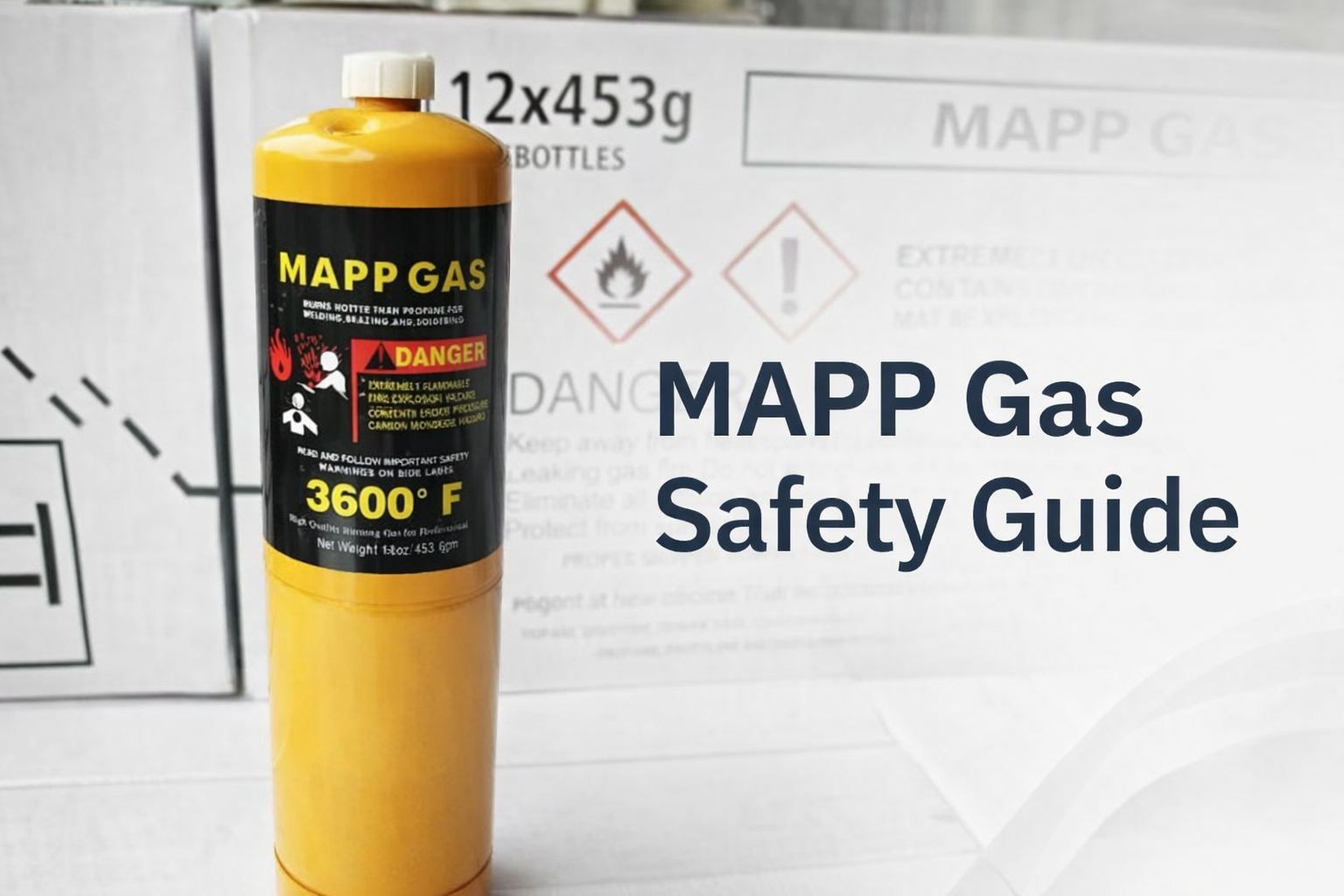
MAPP Gas Safety Guide
MAPP gas (often sold as MAP-Pro) is a fast, reliable fuel for brazing and hot work—but it’s still a flammable gas in a pressurised cylinder. This guide gives Aussie tradies a plain-English safety system you can repeat on every job: the real hazards, safe storage (including vans), leak checks and ignition steps, hot work permits, emergency response, and the practical legal/WHS basics that protect your crew and your business.
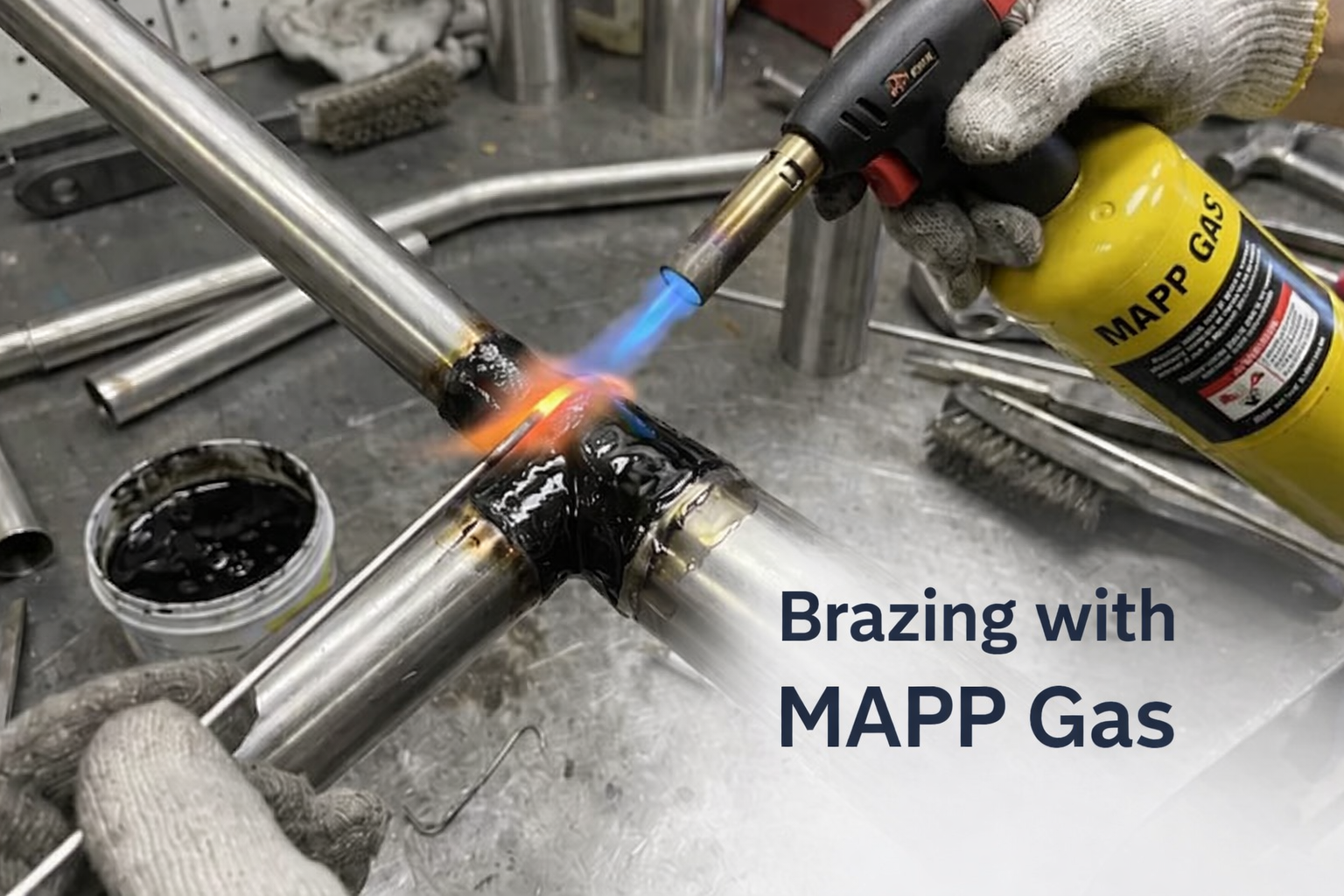
Brazing with MAPP Gas
A clean braze joint should be boring — no leaks, no call-backs. This guide shows Aussie HVAC techs how to braze copper with MAP-Pro/MAPP gas properly, including torch control, flux and rod basics, nitrogen purging, common mistakes, and inspection/testing for reliable refrigerant line joints.
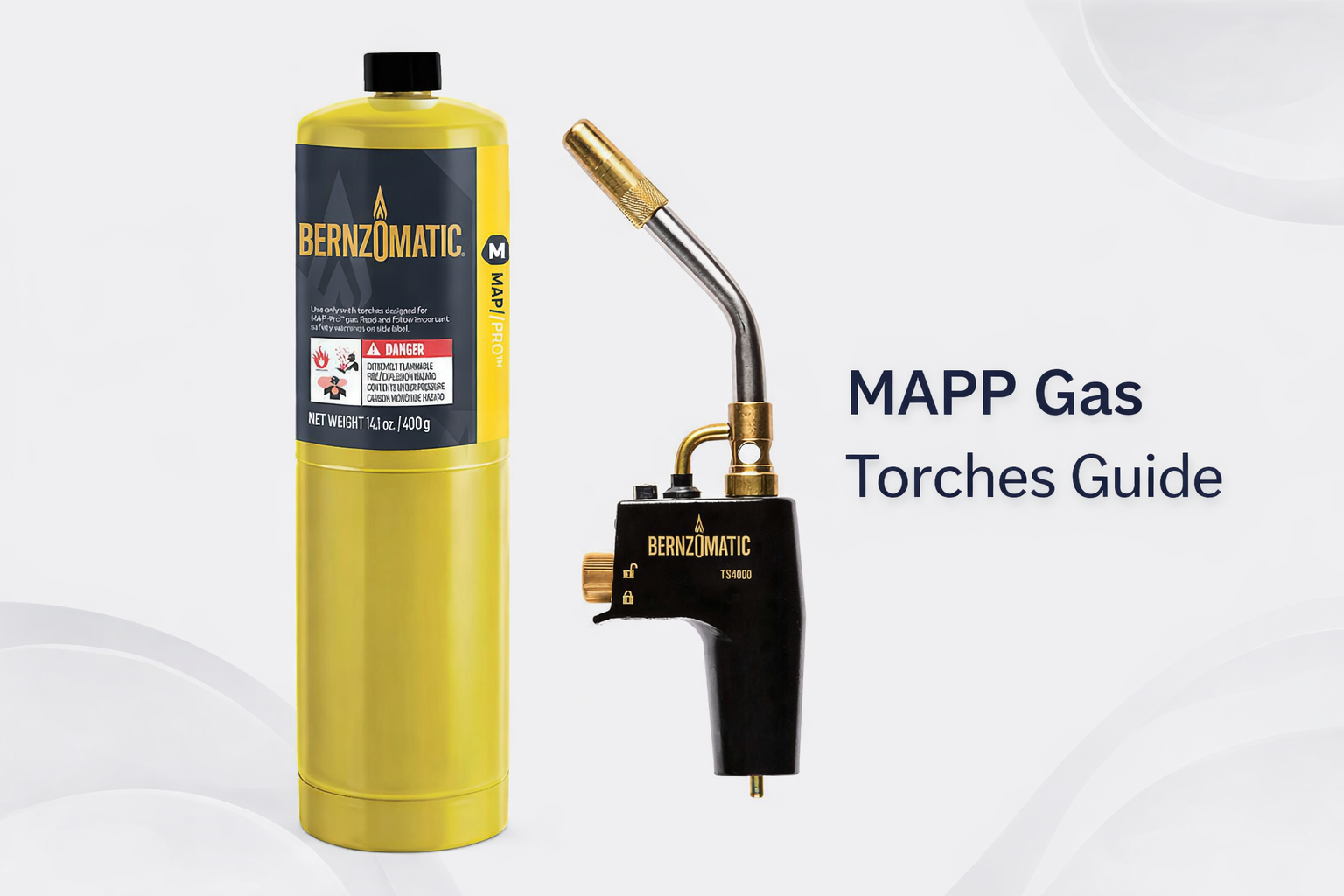
MAPP Gas Torches Guide
Choosing a MAPP gas torch shouldn’t be guesswork. This guide breaks down torch compatibility, common torch head types (swirl, pencil, turbo), and the features that matter on real Aussie HVAC jobs. Learn how to pick the right kit, avoid wrong-bottle headaches, and get a steadier flame for cleaner brazing results.
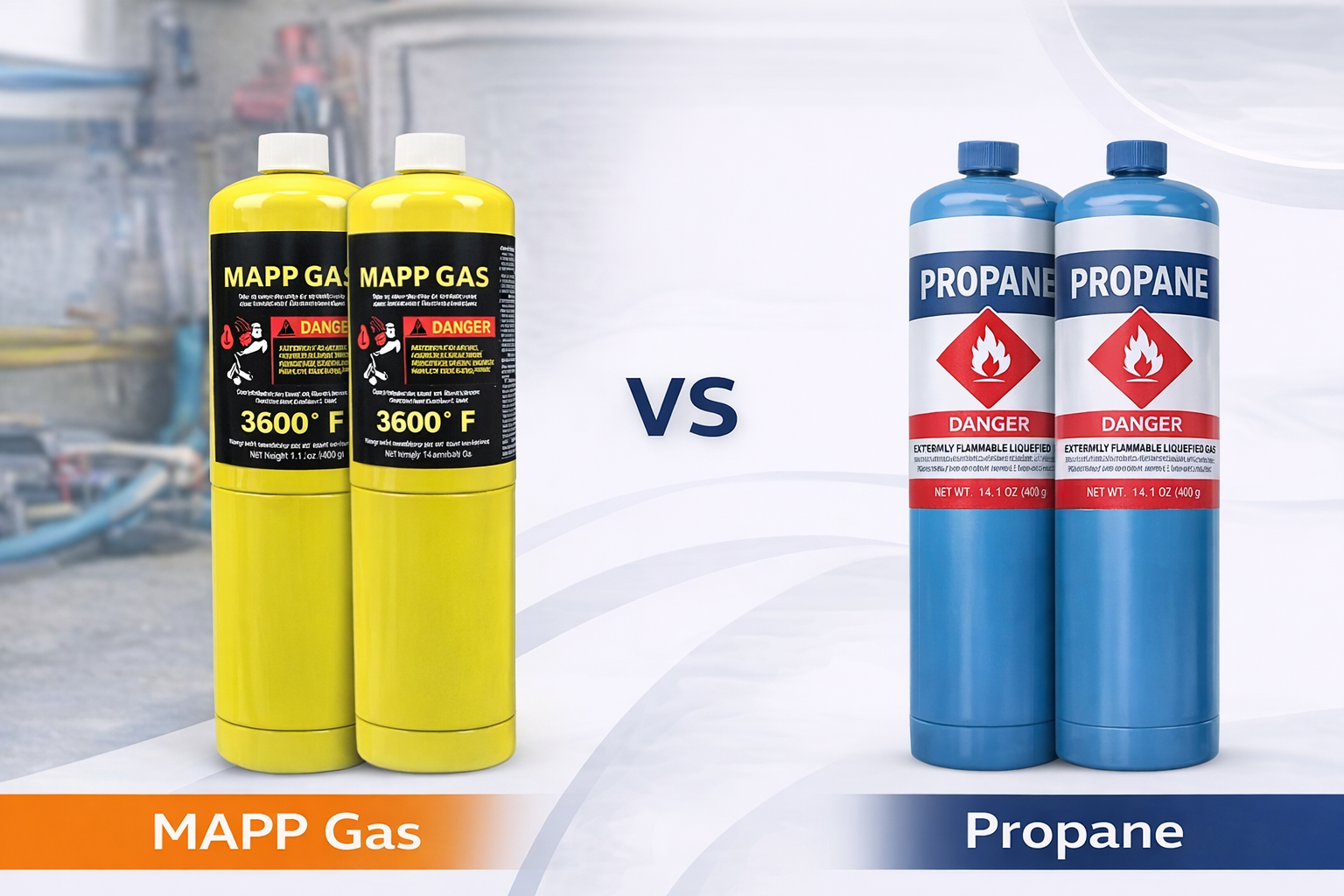
MAPP Gas vs Propane
MAPP (often sold as MAP-Pro) and propane can both braze copper, but they behave differently on real HVAC jobs. This guide breaks down the temperature talk, the real “time-to-temperature” difference, and when paying more for MAP-Pro saves you time and improves joint control—especially on thicker suction lines and windy rooftops.
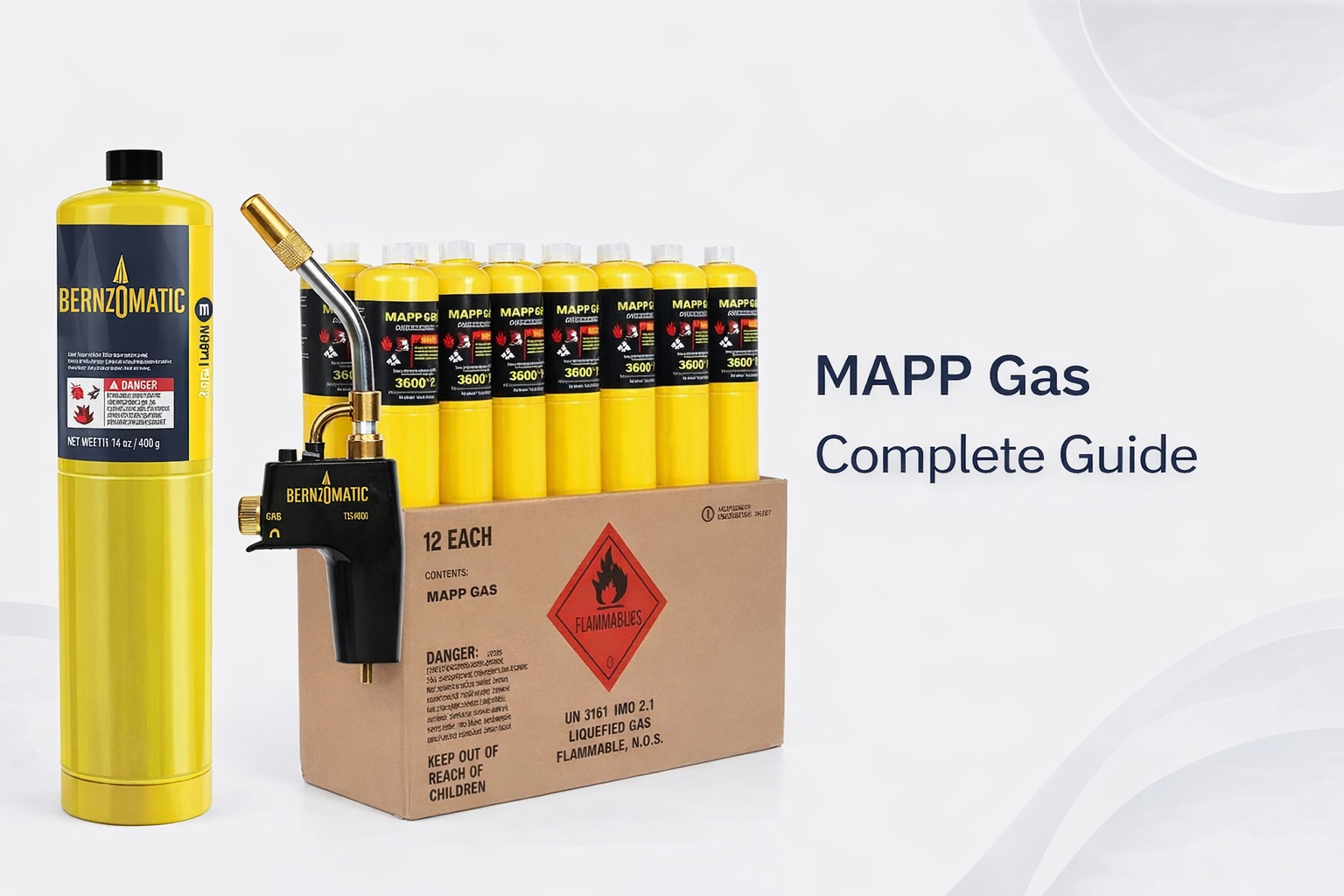
MAPP Gas Complete Guide
MAPP gas (often sold today as MAP-Pro) can make copper brazing feel faster and more controlled on real Aussie HVAC jobs—especially on thicker lines, windy rooftops, and tight ceiling spaces. This guide breaks down what “MAPP” means now, how to confirm what you’re actually buying (label, SDS, thread), when propane still makes sense, and the cylinder/torch compatibility checks that prevent leaks, cross-threading, and call-backs.
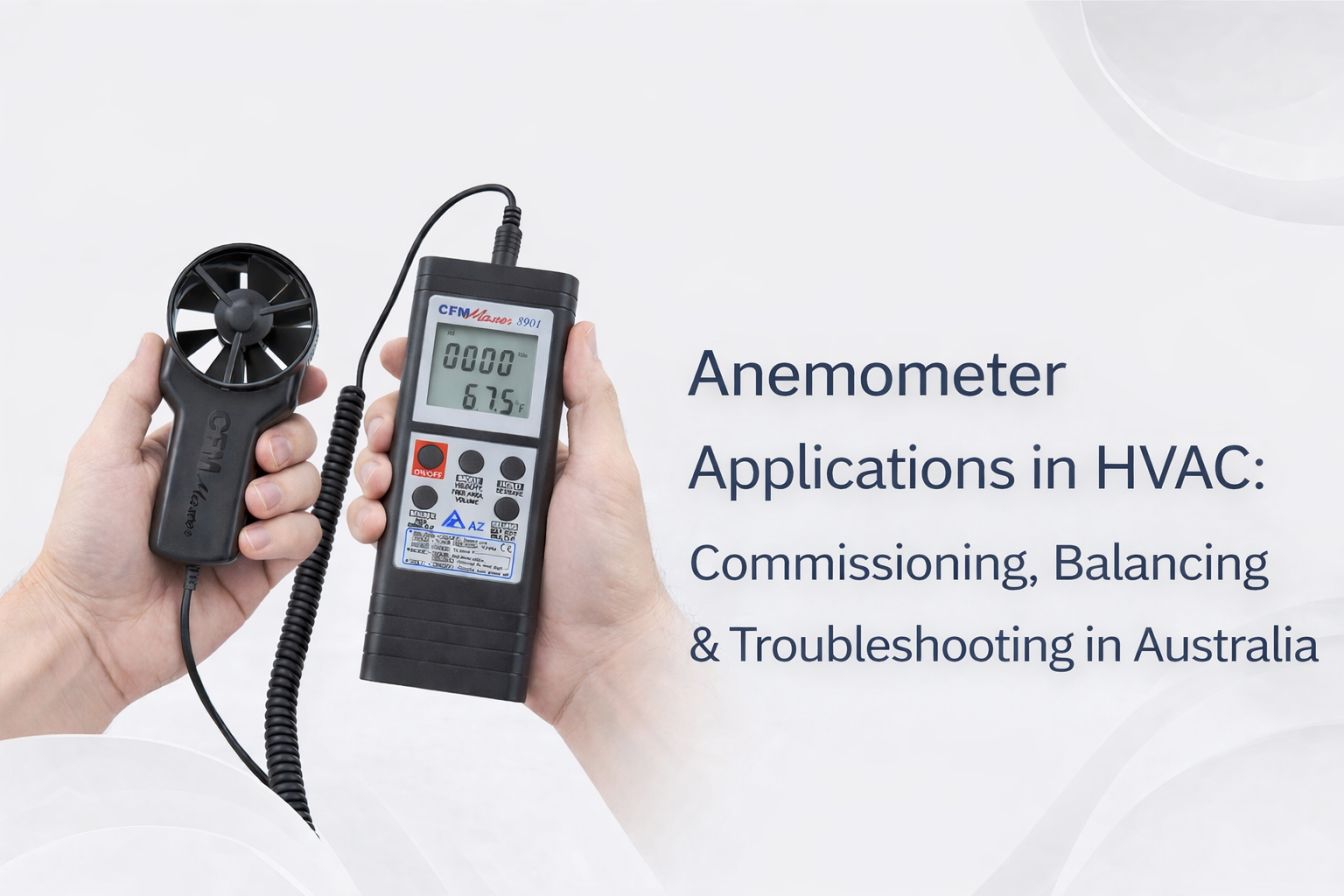
Anemometer Applications in HVAC: Commissioning, Balancing & Troubleshooting in Australia
Stop using your anemometer as a “quick check” tool. This practical guide shows the most valuable anemometer applications for HVAC: commissioning, balancing, troubleshooting airflow faults, and specialised Australian use-cases like cleanrooms, fume hoods, labs, and VAV systems—plus how to fix common reading and accuracy issues fast.
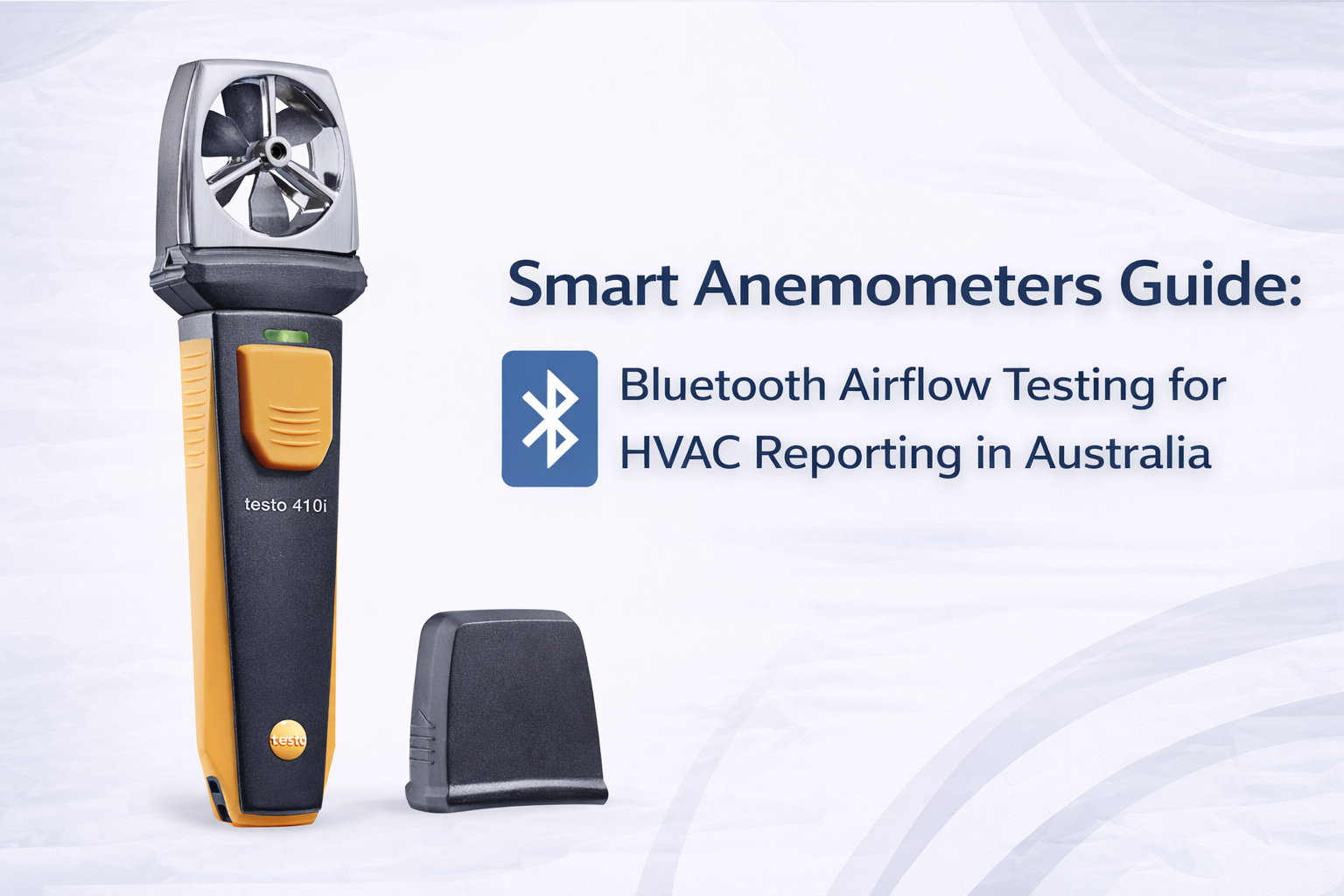
Smart Anemometers Guide: Bluetooth Airflow Testing for HVAC Reporting in Australia
Smart wireless anemometers turn airflow testing into a cleaner, faster workflow. Instead of scribbling numbers and hoping they make sense later, you can view live readings on your phone, log results automatically, add photos and job notes, and export a neat report for customers or commissioning handover. This guide breaks down how smart anemometers work, what to look for in apps, how Testo and Fieldpiece ecosystems compare, and how to get reliable Bluetooth performance on real Aussie sites—from humid Brisbane roof spaces to coastal Sydney plant rooms and Melbourne winter call-outs.