
HVAC Shop Blog
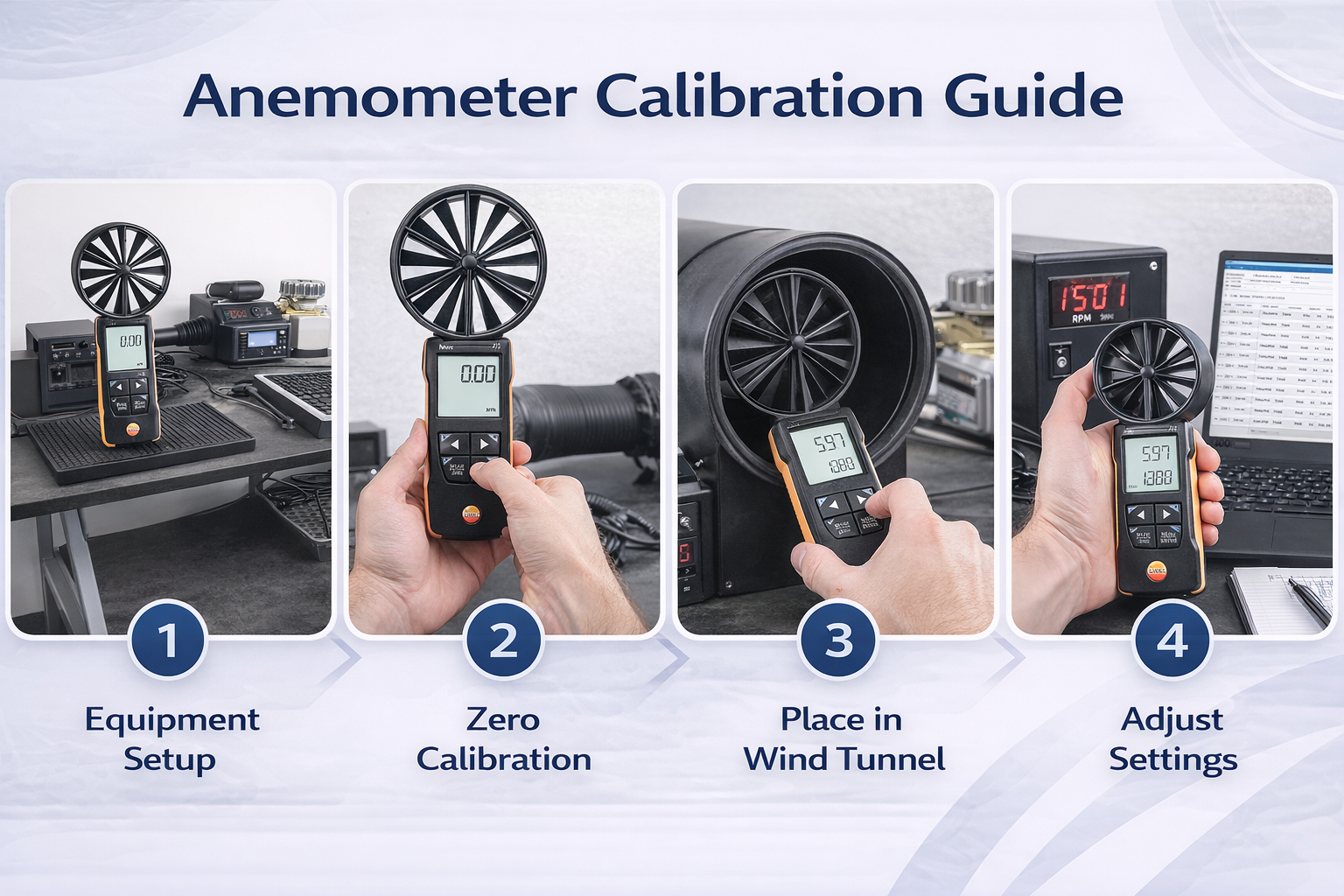
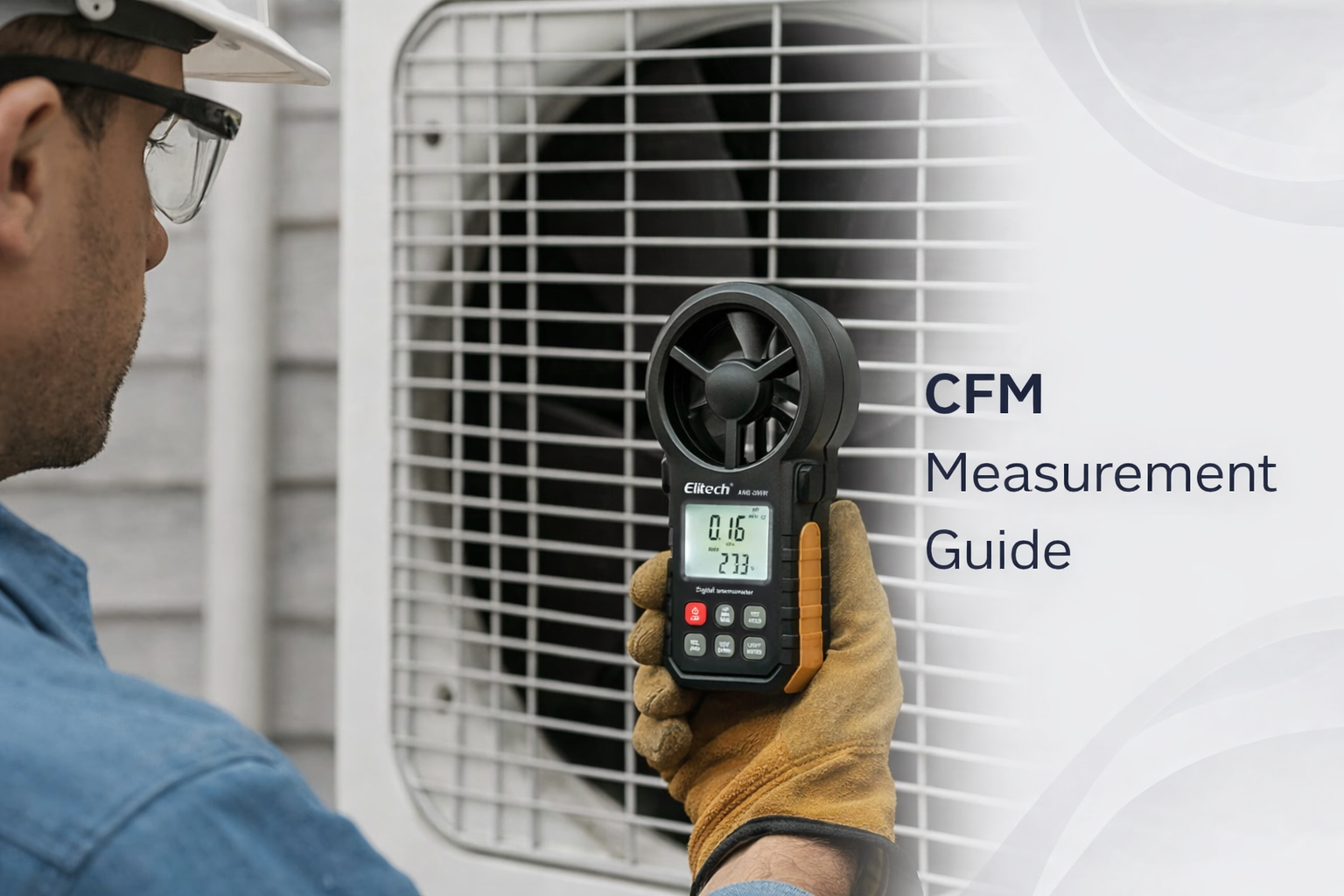
CFM Measurement Guide
CFM testing stops airflow guesswork. This practical Australian guide shows how to measure air velocity with an anemometer, calculate CFM using area, and get repeatable supply and return readings you can trust. Learn the simple field method, common mistakes that ruin results, and how Aussie conditions like Brisbane humidity and coastal corrosion can make airflow faults show up fast.
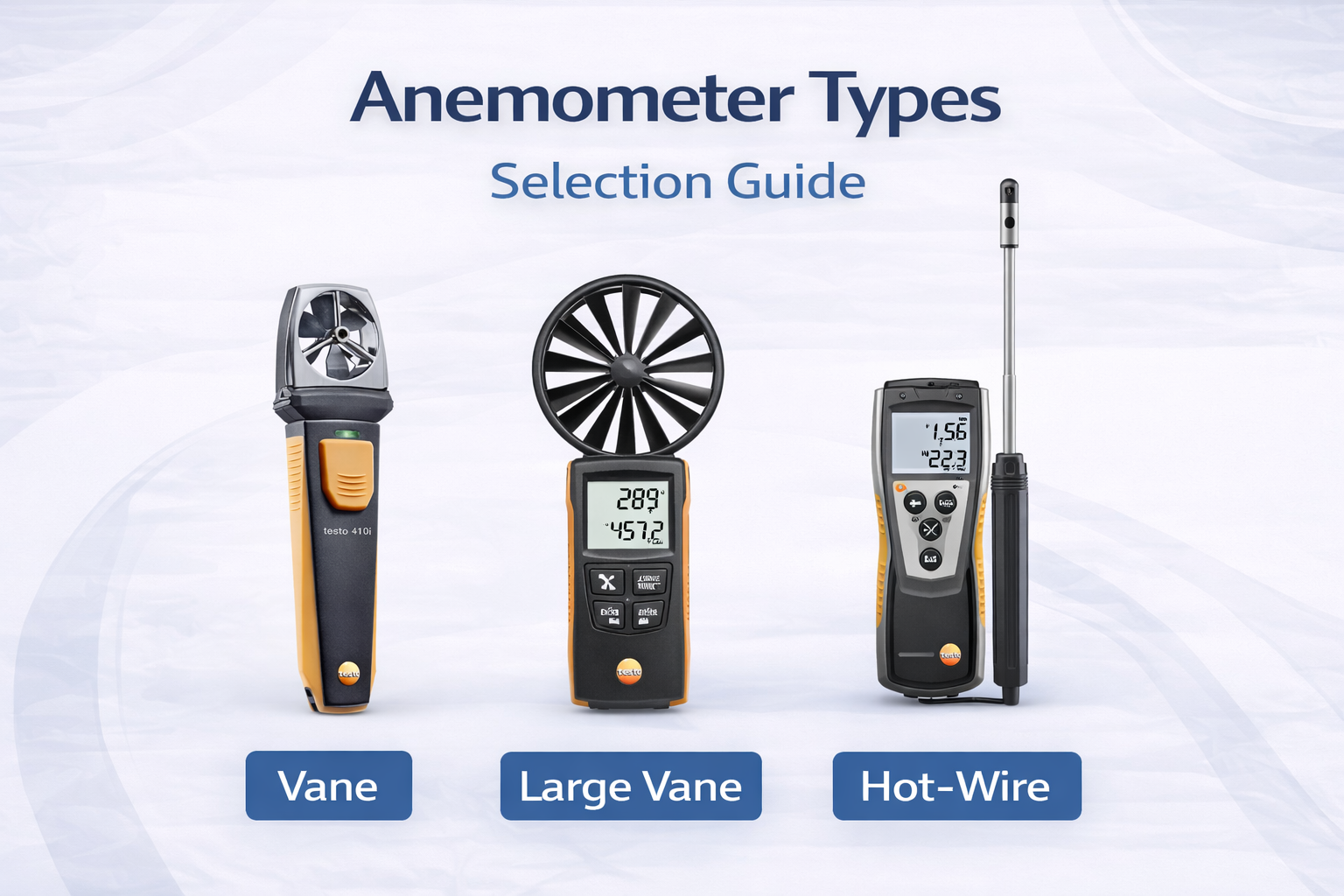
Anemometer Types Selection Guide
Not all anemometers read airflow the same. This guide breaks down vane, hot-wire, and thermal anemometer types for HVAC jobs in Australia, plus what to look for in digital and Bluetooth models so your airflow numbers are stable, repeatable, and useful in real service reports.
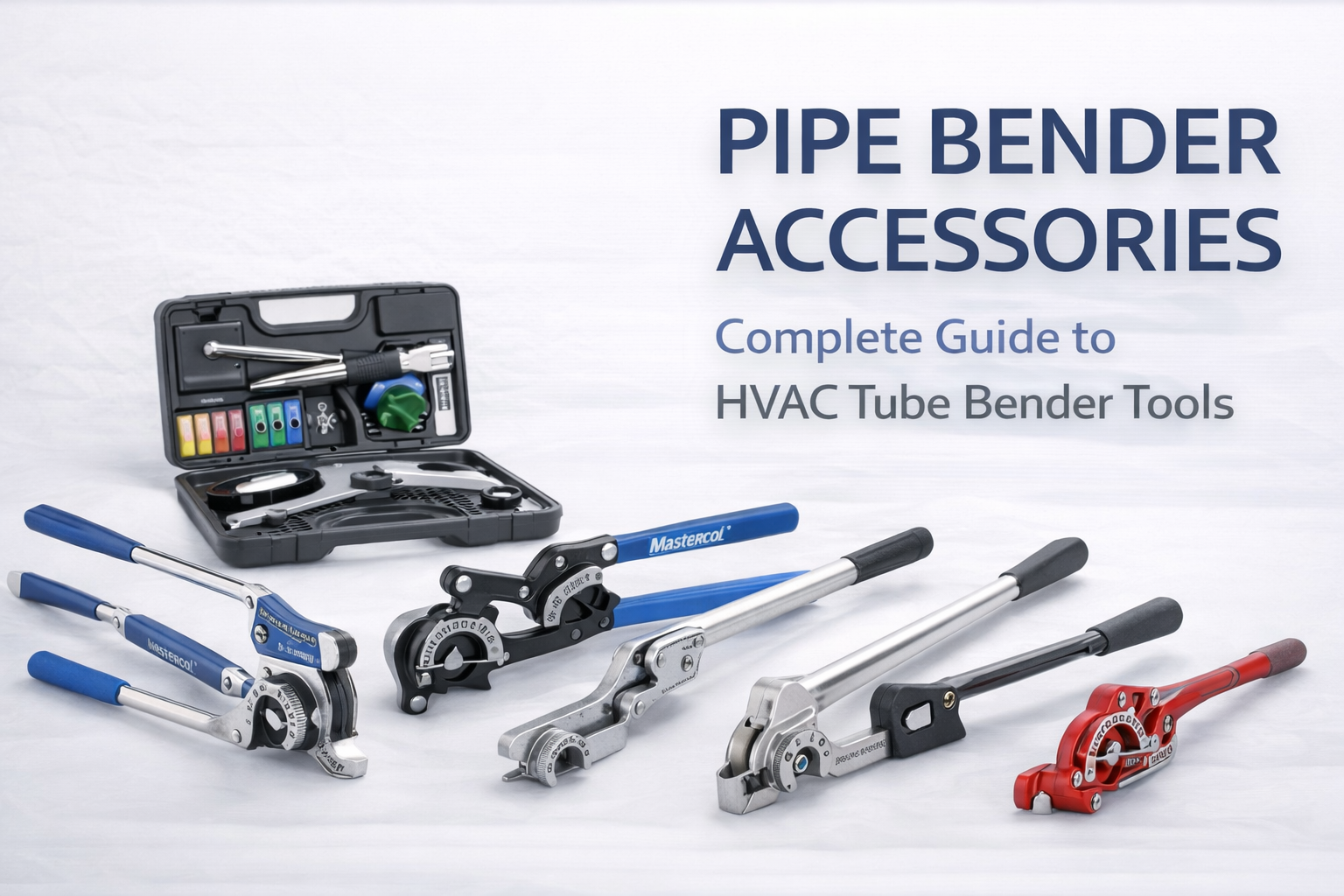
Pipe Bender Accessories
Pipe benders don’t usually “fail” all at once. They go rough, drift off-angle, start marking copper, or slip under load because the wear parts and setup pieces are tired. This guide breaks down the accessories that keep bends clean and repeatable—dies and formers, guides and rollers, replacement shoes, storage and organisation, lubrication, and practical troubleshooting—so your bender stays accurate and job-ready across Australian conditions.
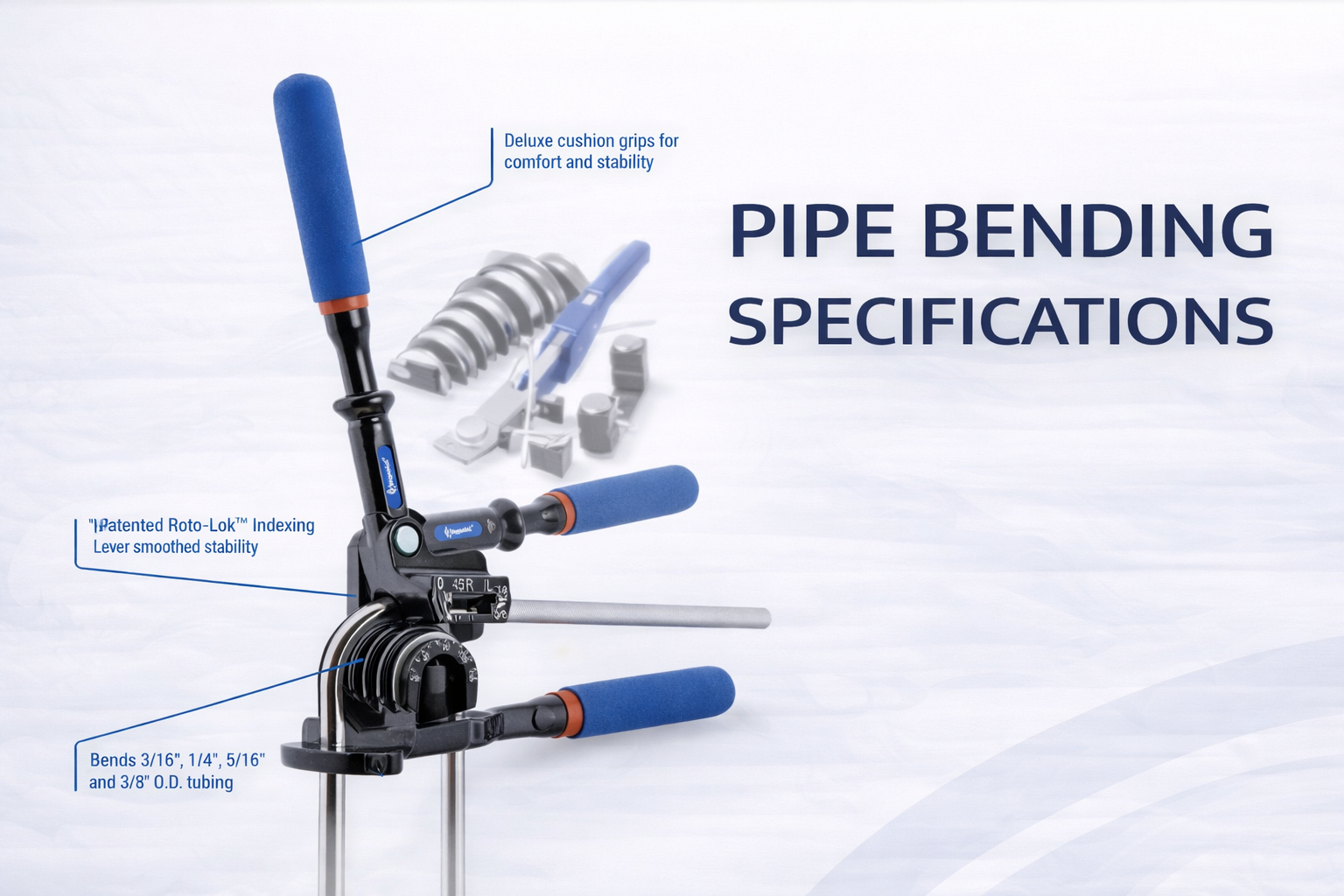
Pipe Bending Specifications
Bend radius mistakes can lead to kinks, restrictions, vibration, and future leaks. This guide explains HVAC bending specs, angles, bend allowances, and practical best practice for cleaner refrigerant line installs.
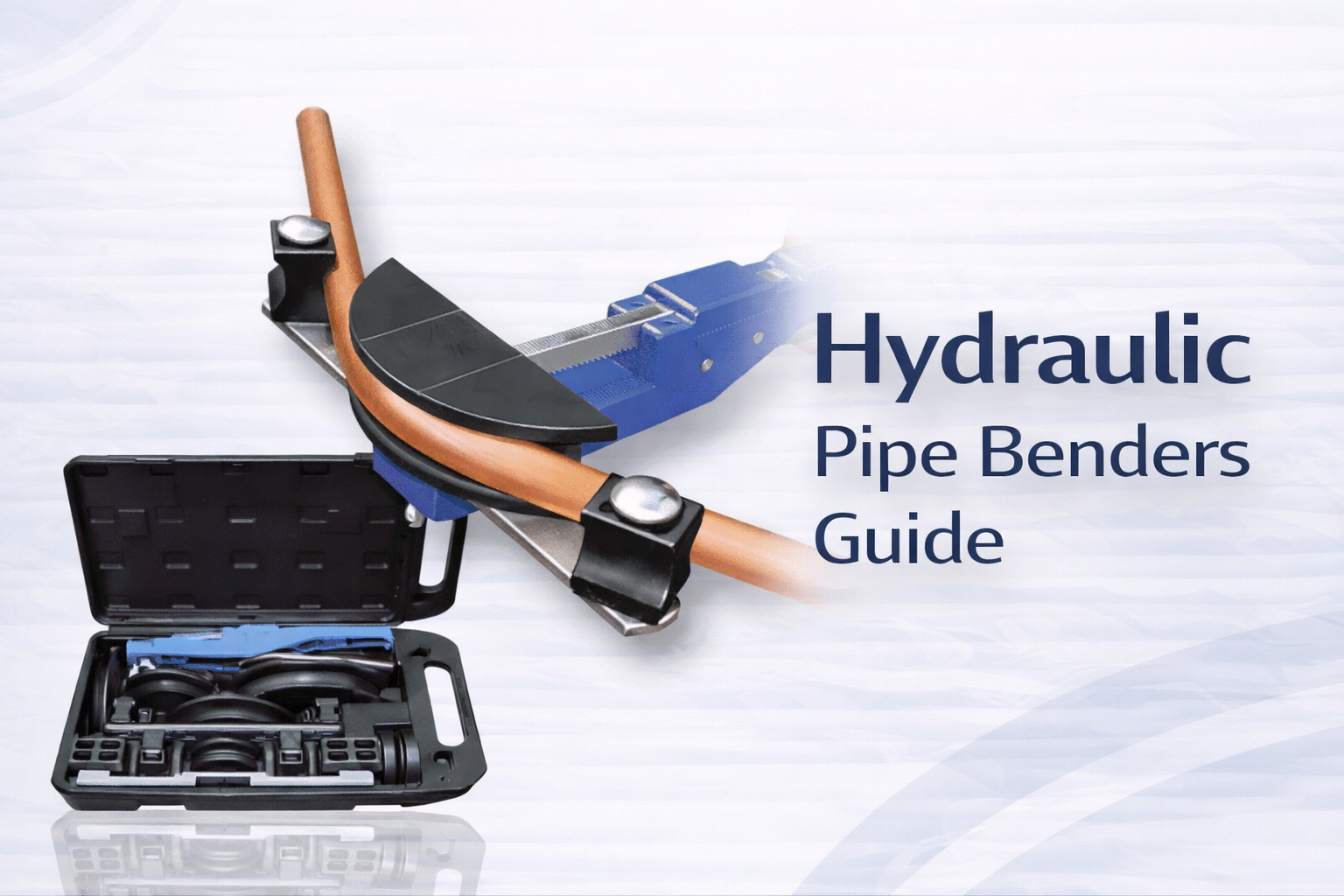
Hydraulic Pipe Benders Guide
Hydraulic pipe benders can save serious time on large HVAC jobs by improving bend consistency and reducing rework. This guide explains how they work, which types suit Australian sites, when they pay off over manual tools, and how to run and maintain them safely.
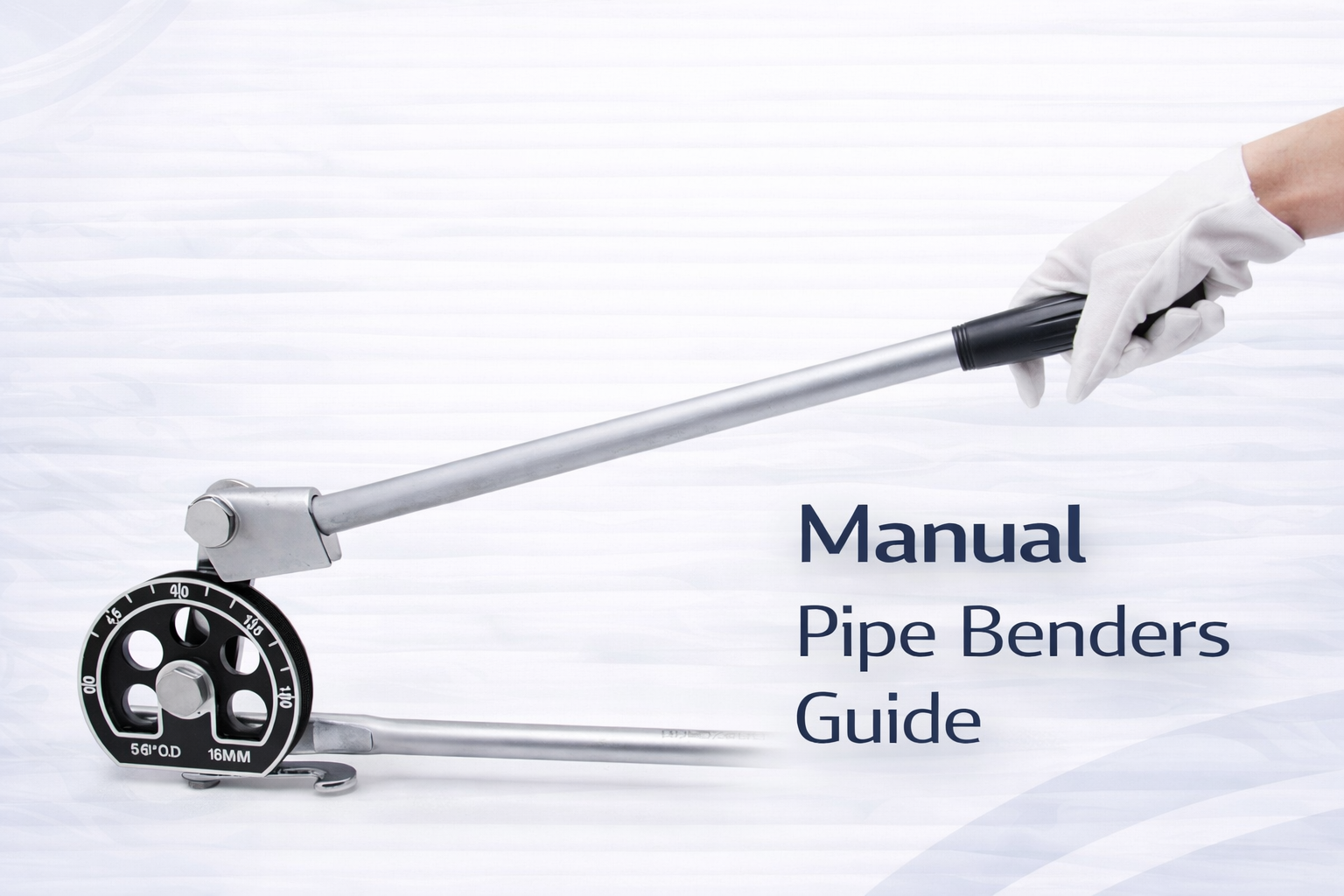
Manual Pipe Benders Guide
Manual pipe benders are fast and portable, but technique matters. This guide breaks down lever, ratchet and spring benders, plus practical marking, bending and quality checks to help Aussie HVAC techs get clean copper bends without kinks.
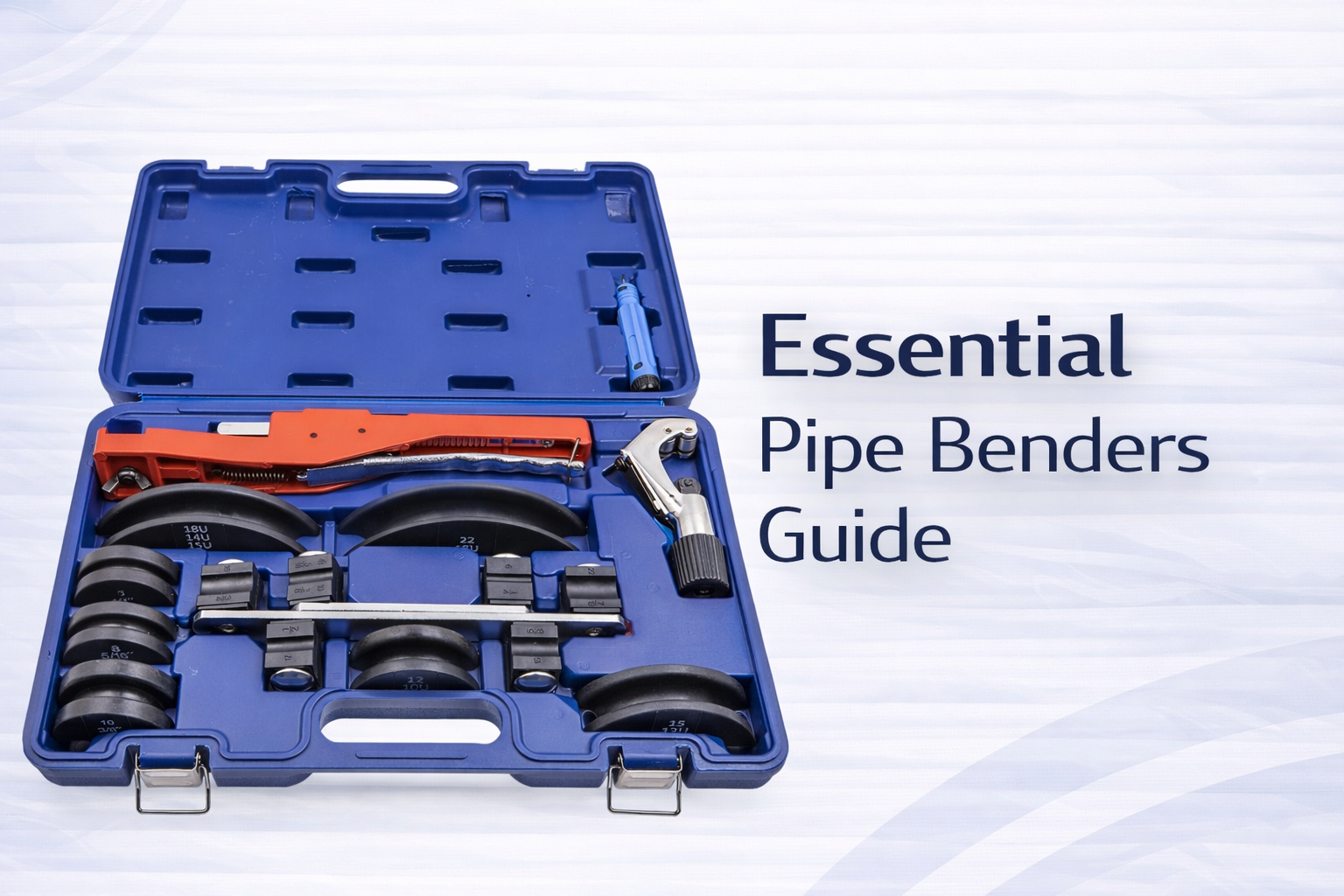
Essential Pipe Benders Guide
A practical guide to pipe benders for Aussie HVAC techs—what they do, the main bender types, how to size for your copper tube, and when manual or hydraulic tools make sense to avoid kinks, restrictions, and call-backs.
Commercial Compressor Maintenance & Troubleshooting Guide
Unexpected compressor failures usually hit at the worst time — after hours, on weekends, or mid-service when stock is on the line. This practical Australian guide breaks down a simple compressor maintenance schedule, common fault symptoms (won’t start, overheating, short cycling, noisy operation), and what to check before you swap parts. You’ll also learn how relays, capacitors and overloads fail, how oil issues show up over time, and when it’s smarter (and safer) to call a licensed pro. Use it as a clear troubleshooting playbook to reduce downtime and avoid repeat failures.
Display Fridge Compressors: Commercial Refrigeration Guide
Display fridge compressors are the hidden workhorses behind bottle coolers, deli cabinets, bakery displays, and supermarket merchandisers. This guide explains the main hermetic compressor types, why MBP duty and R134a matter in many cabinets, and how to choose the right replacement without guessing. You’ll also get a practical SECOP (formerly Danfoss) vs Embraco comparison, a step-by-step replacement workflow, and realistic advice on efficiency, pricing, and availability in Australia—so your cabinet holds temp reliably and avoids repeat failures.
Cold Room Compressors: Australian Professional Guide
Cold rooms don’t fail politely. When the temperature climbs, stock is at risk and the fix needs to be right the first time. This Australian guide explains what a cold room compressor must handle, how to size it properly (without guessing off horsepower), and when you need an LBP compressor for walk-in freezer duty. You’ll learn how insulation, door openings, product load and local ambient conditions (from Brisbane humidity to Perth heat) change real-world performance, plus the most common compressor faults like short cycling, overheating and start problems. We also cover a practical repair vs replacement decision process and what to confirm on the data plate before ordering, so you can avoid wrong matches and reduce call-backs. If you’re unsure, talk to our team to confirm compatibility and get a quote.
SECOP Compressors: Commercial Applications Australian Guide
SECOP compressors power a huge slice of Australia’s commercial refrigeration—bottle coolers, display fridges, under-bench cabinets and small cold rooms. This guide explains how SECOP (often searched as “Danfoss compressors”) fits into modern replacement work, how hermetic compressors operate, and how to choose the right model without guesswork. You’ll learn the practical difference between LBP and MBP duty, how to size for real cabinet conditions (including Brisbane heat and tight kitchen installs), and how to avoid common install mistakes that lead to call-backs. If you’re unsure on refrigerant match (R404A vs R134a) or wiring/start components, we also cover what to confirm on the data plate before ordering—plus when to talk to a local team to confirm compatibility and get a quote.
Danfoss Compressors: Now SECOP Australia Complete Guide
Danfoss compressors are still everywhere in Australian commercial refrigeration, but the name on the can has changed. Today, many “Danfoss” replacements are supplied as SECOP (formerly Danfoss), which is why techs and business owners keep seeing both brands on quotes and nameplates. In this guide, we break down what the rebrand actually means, how to choose the right compressor by refrigerant and duty (LBP vs MBP), and the common mistakes that cause warm cabinets and repeat call-backs. You’ll also see where these compressors are used most in Australia—from bottle coolers and display fridges to small cold rooms—and how SECOP compares with other common options like Embraco and Copeland when you’re planning a replacement.