Safety Equipment
11 products
Showing 1 - 11 of 11 products
Safety Equipment for HVAC & Roofing Work
Work at height is part of everyday HVAC life in Australia. This Safety Equipment range brings together harness kits, shock-absorbing lanyards, hi-vis backpacks, lockwire and barriers to help you manage risk on roofs, ladders and plant platforms.
Why safety gear matters for Australian HVAC work
Falls from height remain one of the biggest causes of serious injury and death on Australian worksites. For anyone running a business or supervising technicians, you must eliminate or minimise fall risks and, where hazards remain, provide suitable safety equipment and PPE as part of a broader WHS strategy.
This collection is built around real HVAC tasks: accessing rooftop condensers and packaged units, working from ladders or temporary platforms, crossing busy shared work areas and securing small parts and fasteners around plant.
It is not a replacement for engineered height-safety systems, safe work method statements (SWMS) or formal training – but it helps you put practical, job-ready safety gear in the hands of your team.
What you’ll find in this Safety Equipment range
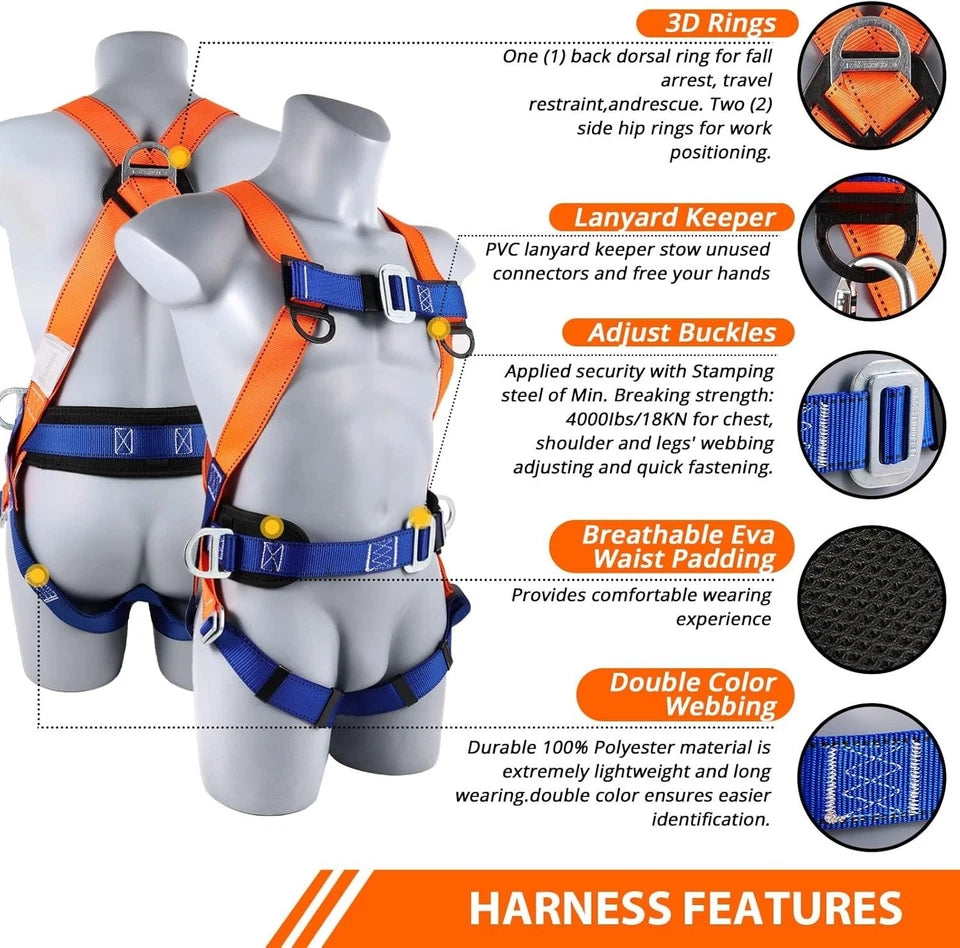
Height safety harnesses & complete kits
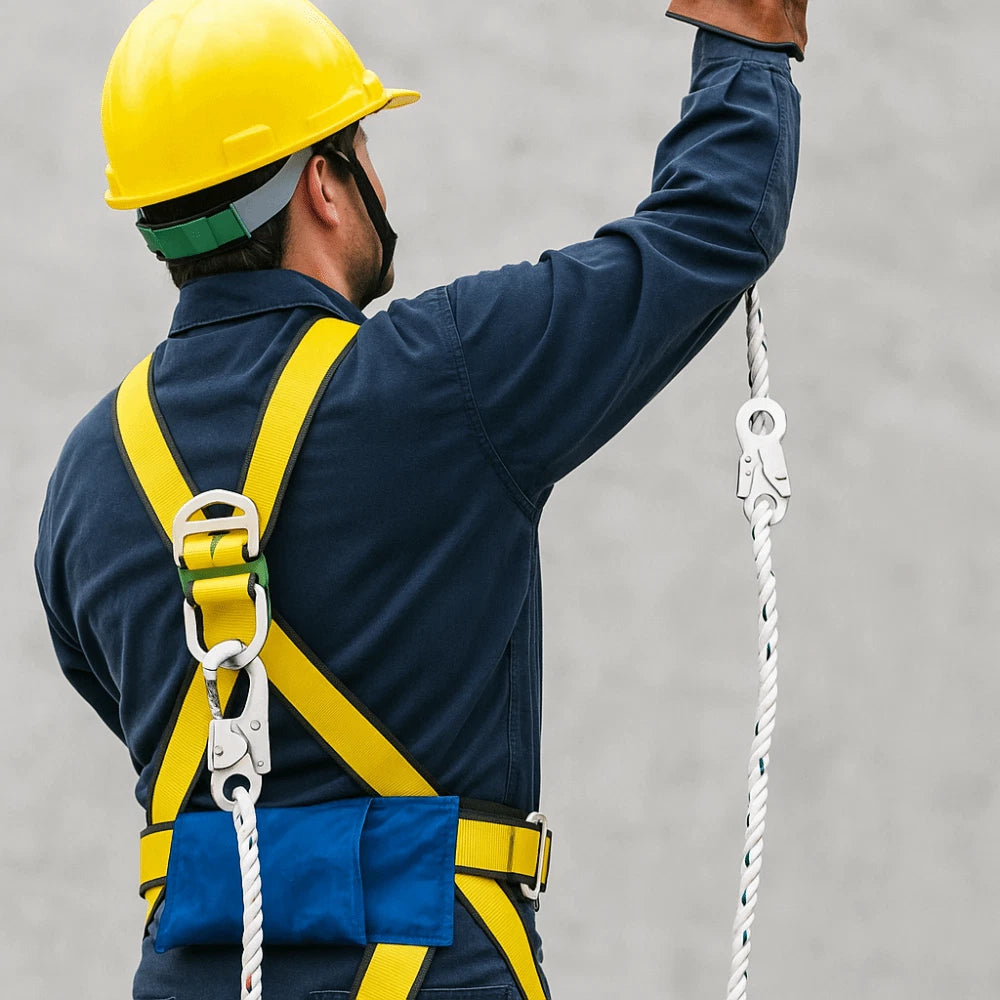
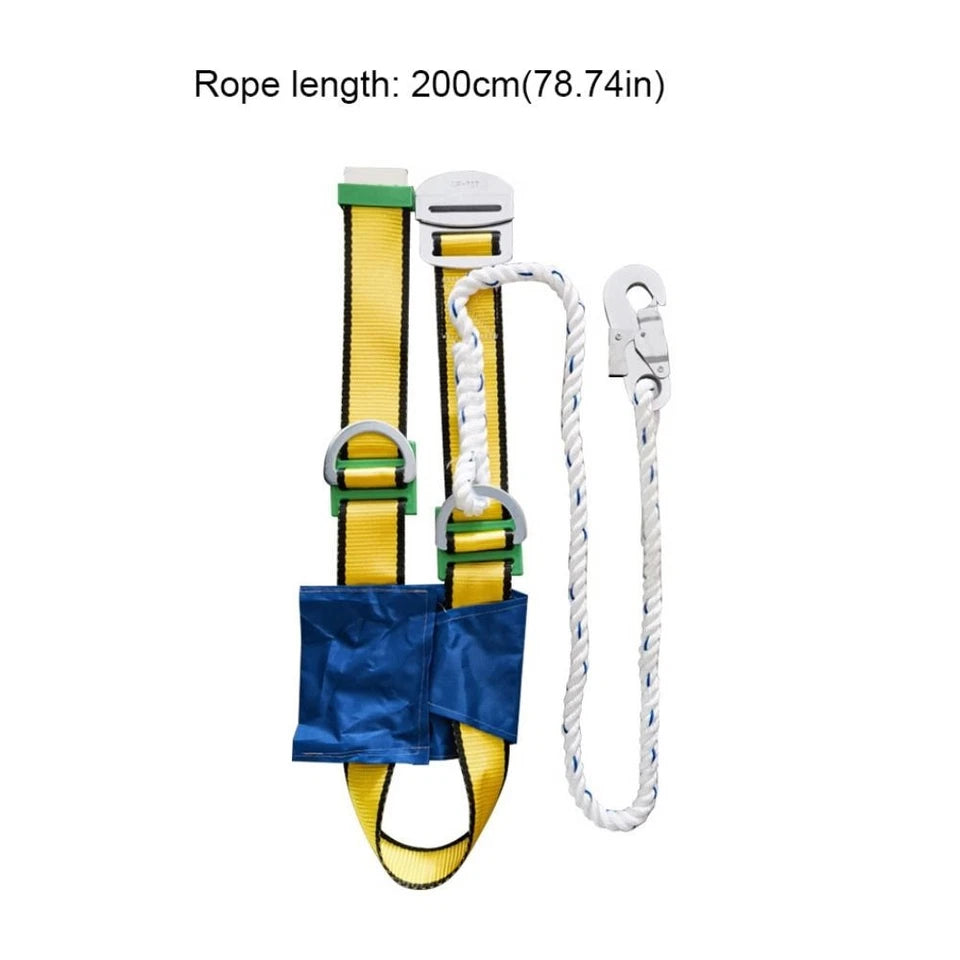
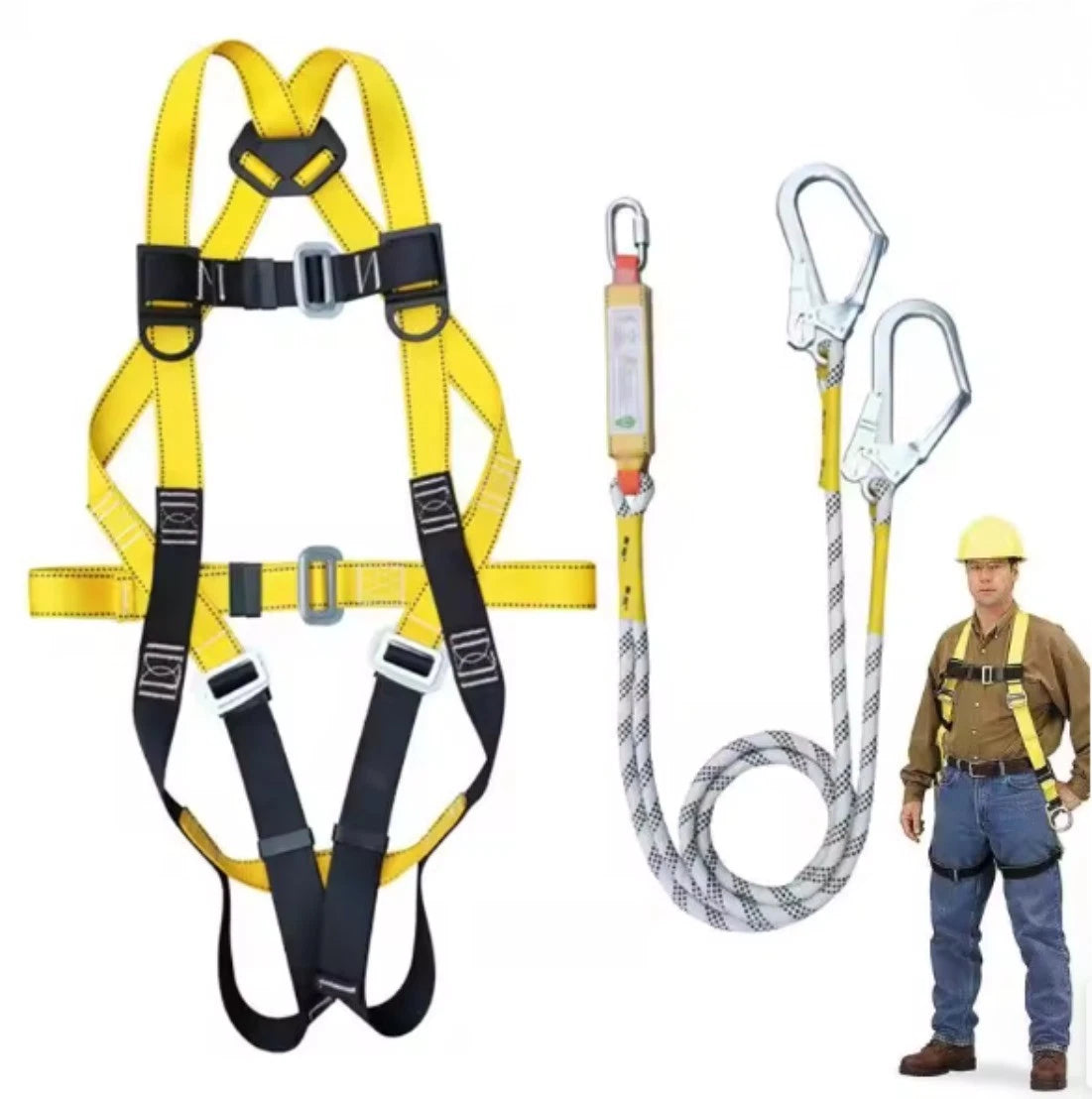
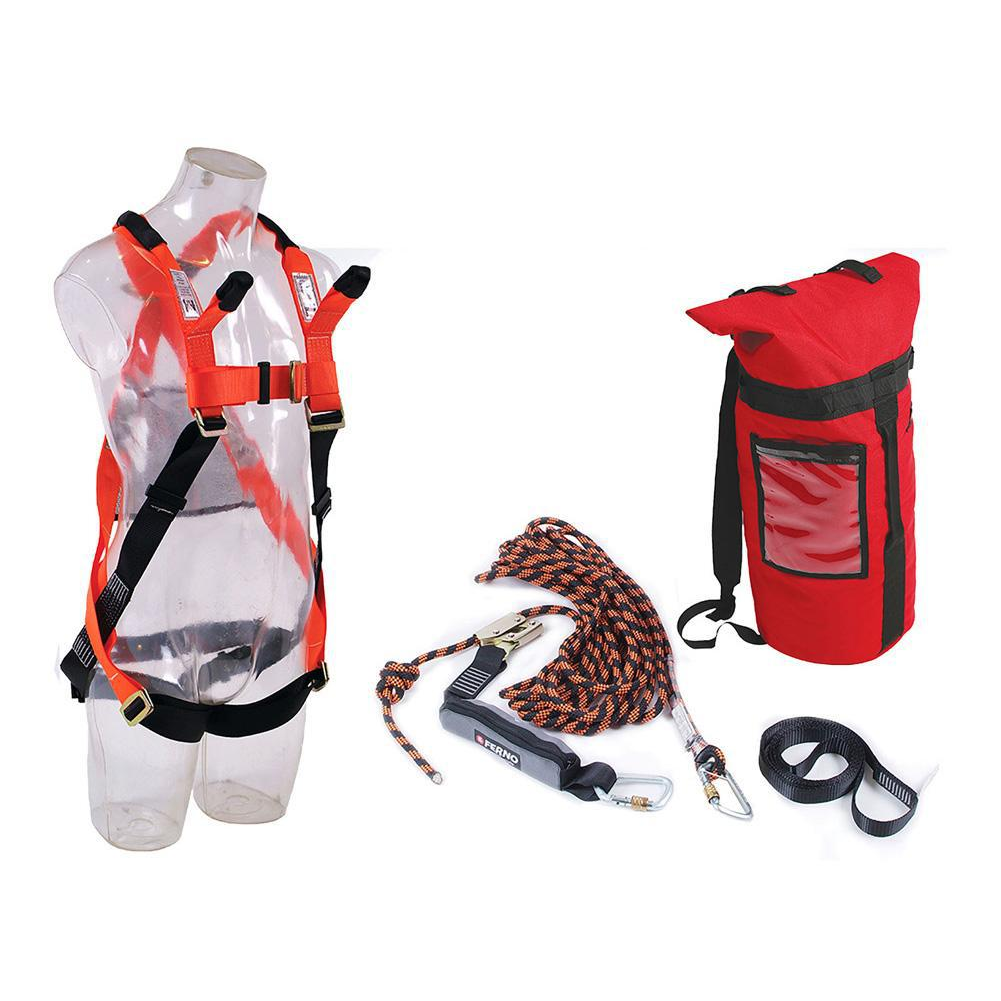
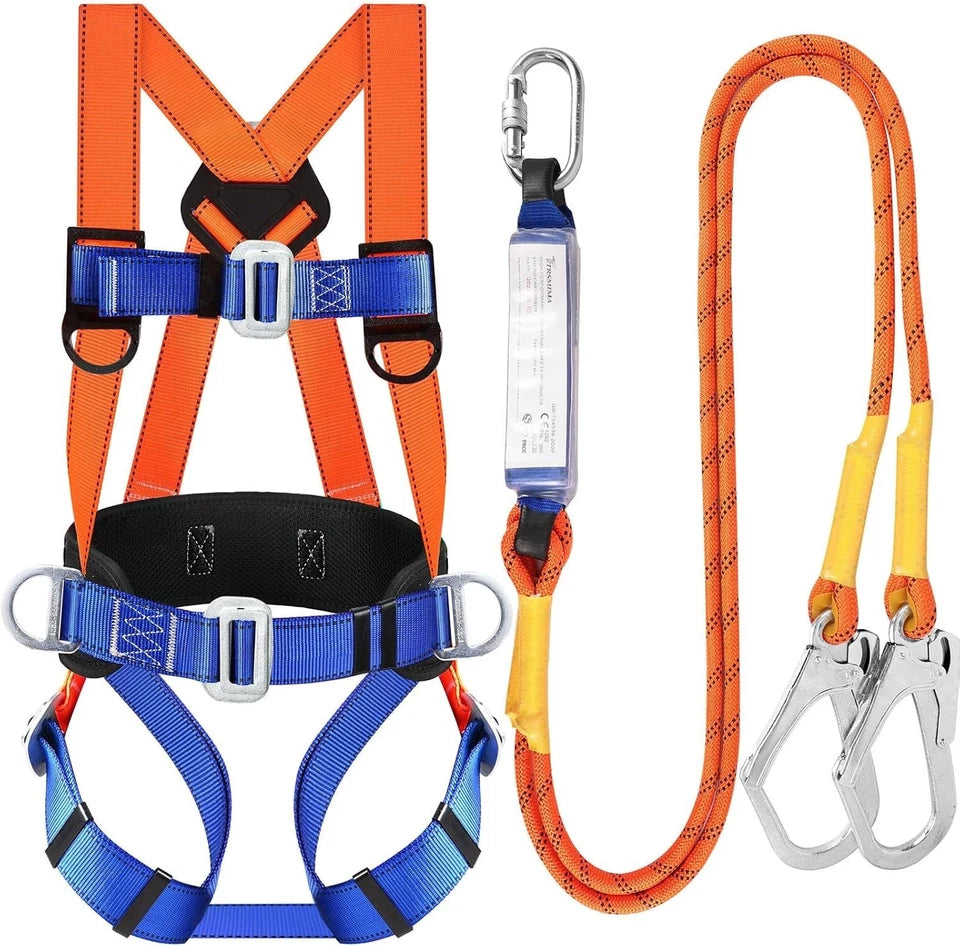
Set up simple fall-arrest systems with full body harnesses and all-in-one kits such as the Safety Harness Fall Protection Kit and the Ferno Roofers Safety Kit (17-hs-dler-bp) . These combine harness, lanyard, rope grab, anchor and backpack so crews can grab one bag and head to the roof.
- Rooftop split-system installs and change-outs
- Plant deck and mezzanine service work
- Small construction and maintenance crews sharing gear between jobs
Always use harness kits as part of a properly designed fall-arrest or restraint system that meets your local WHS requirements and the relevant Australian and New Zealand standards for working at height.
Shock-absorbing lanyards & connectors
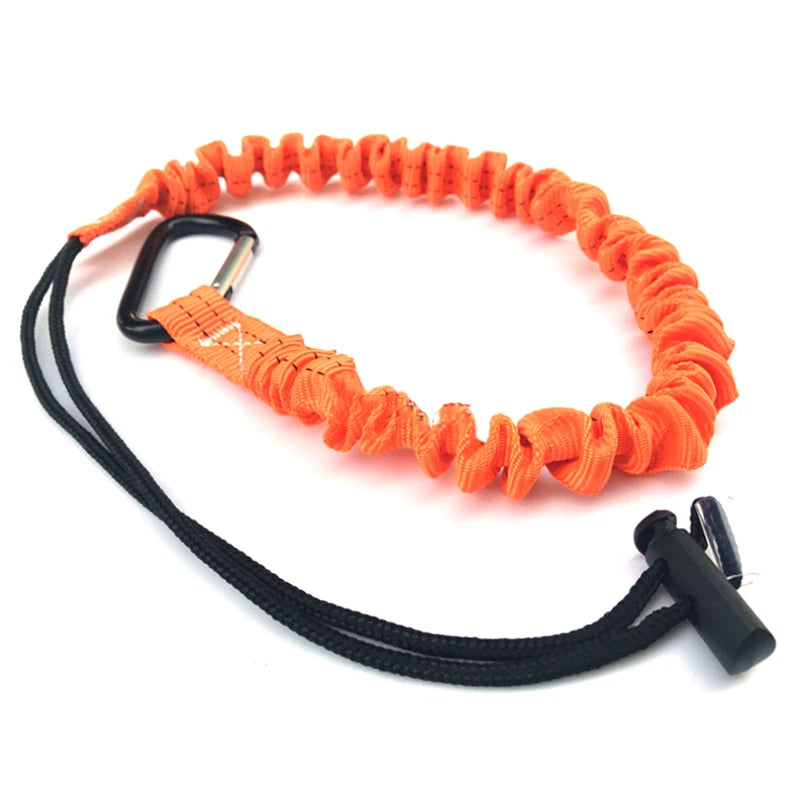
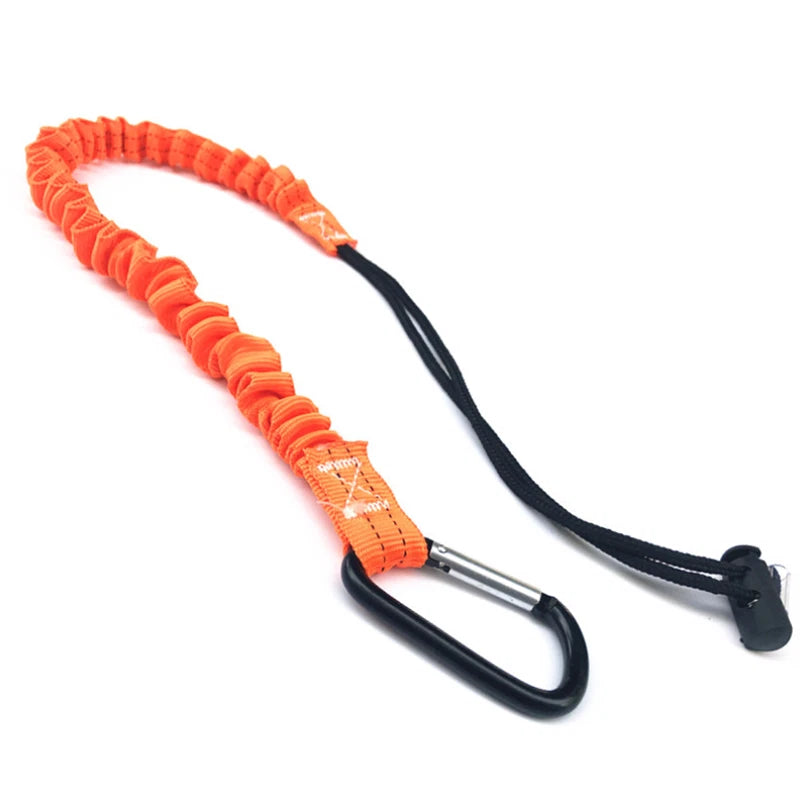
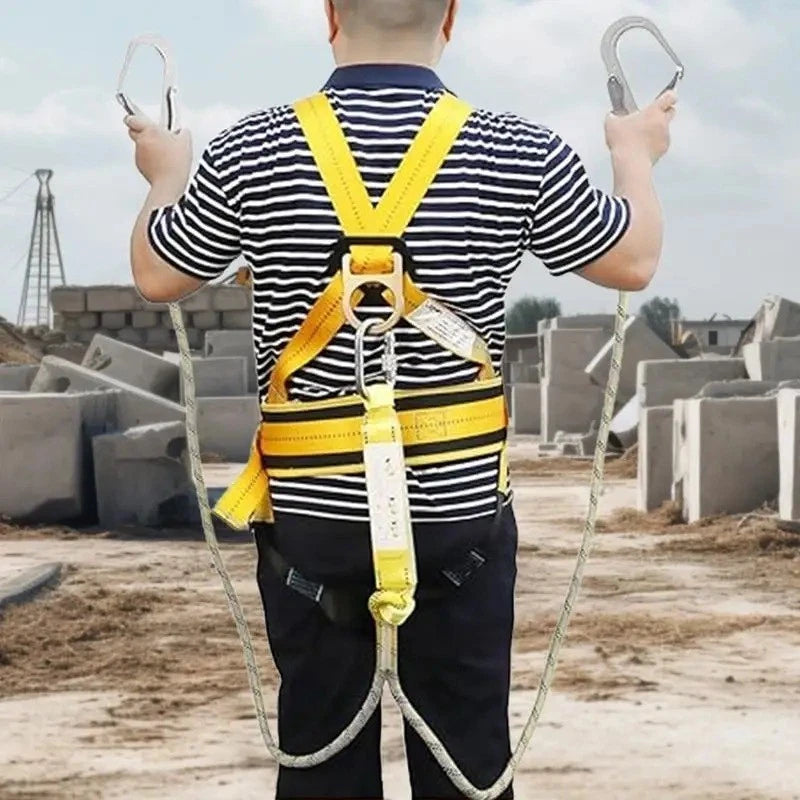
Shock-absorbing lanyards provide the critical link between your harness and an approved anchor. Options like the Shock Absorbing Working Fall Protection Lanyard w/ Hooks are compact and lightweight, with built-in energy absorption to help reduce the load in a slip or stumble.
- Short length for tight control of slack on ladders, roofs and catwalks
- Hook connectors for fast clipping to approved anchor points or lifelines
- Designed for restraint and fall-arrest when used in a compatible system
Check capacity, length and compatibility with your harness, anchors and site rules before use, and follow the manufacturer’s instructions every time.
Hi-vis safety backpacks for PPE & site gear
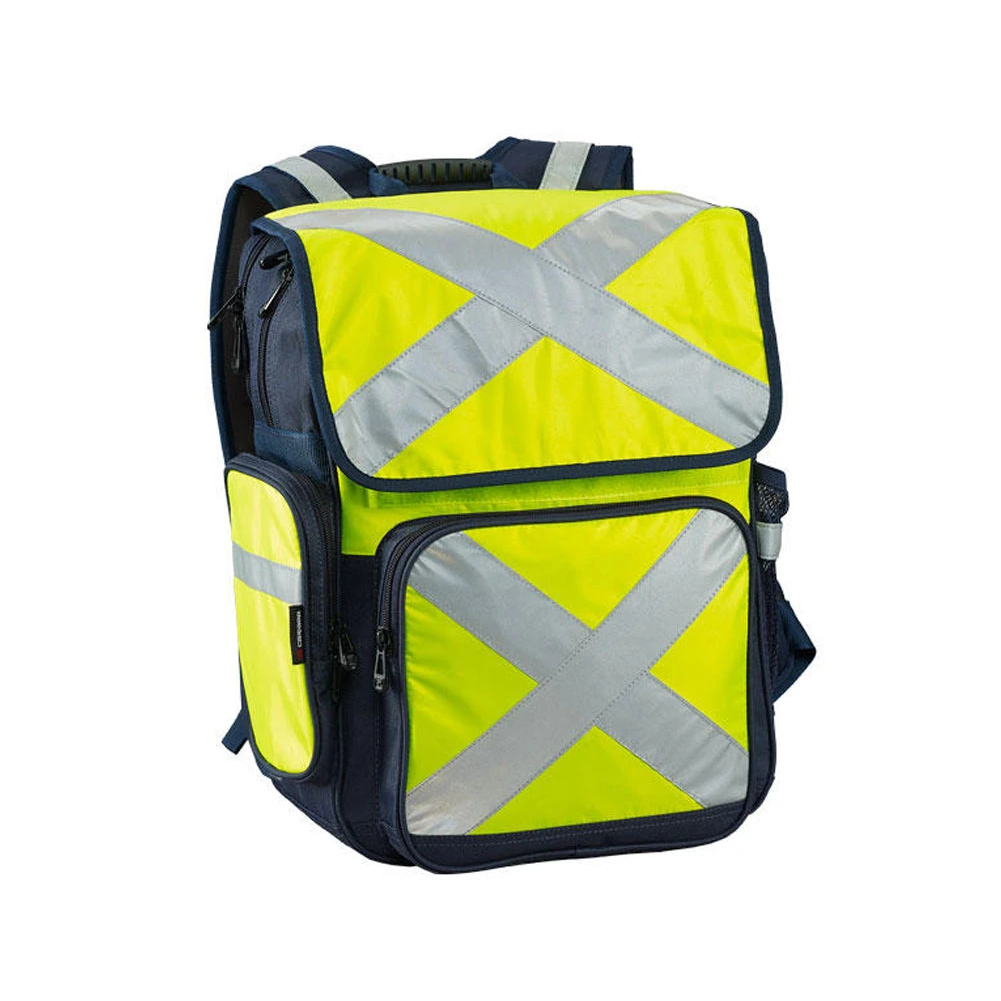
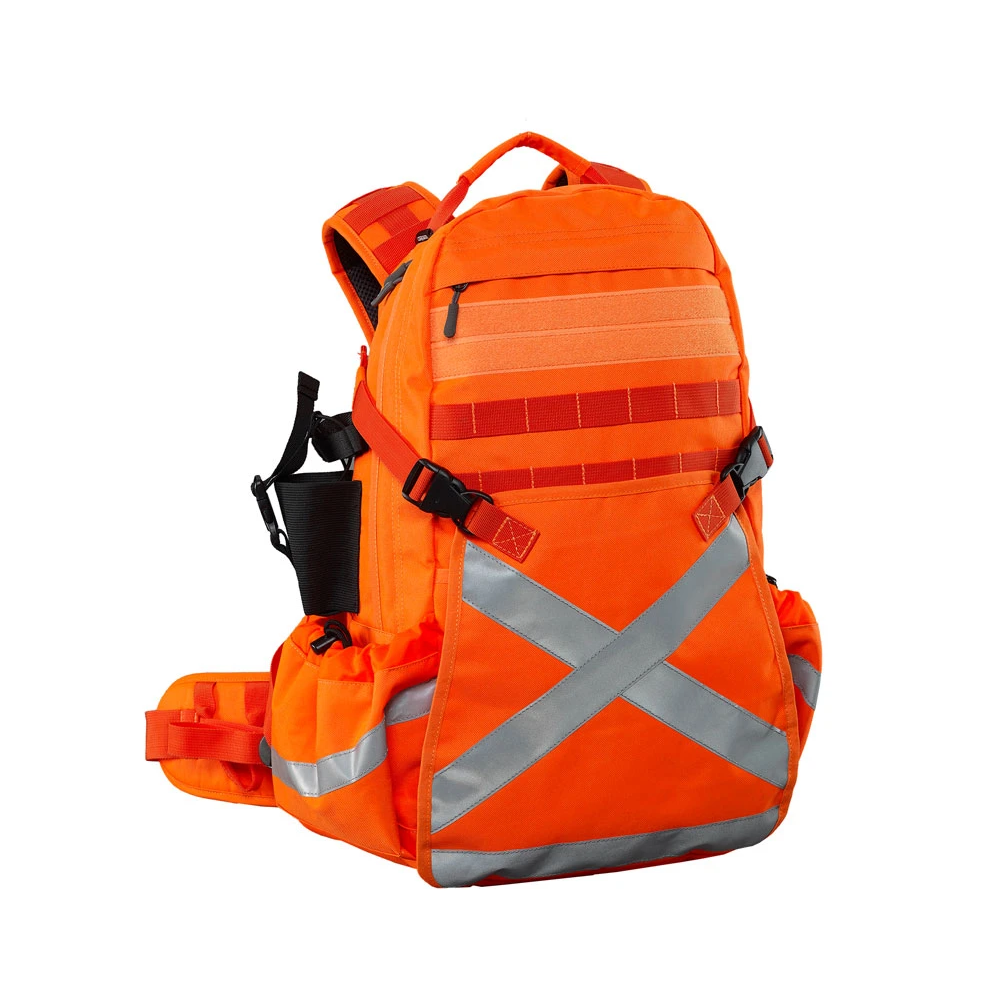
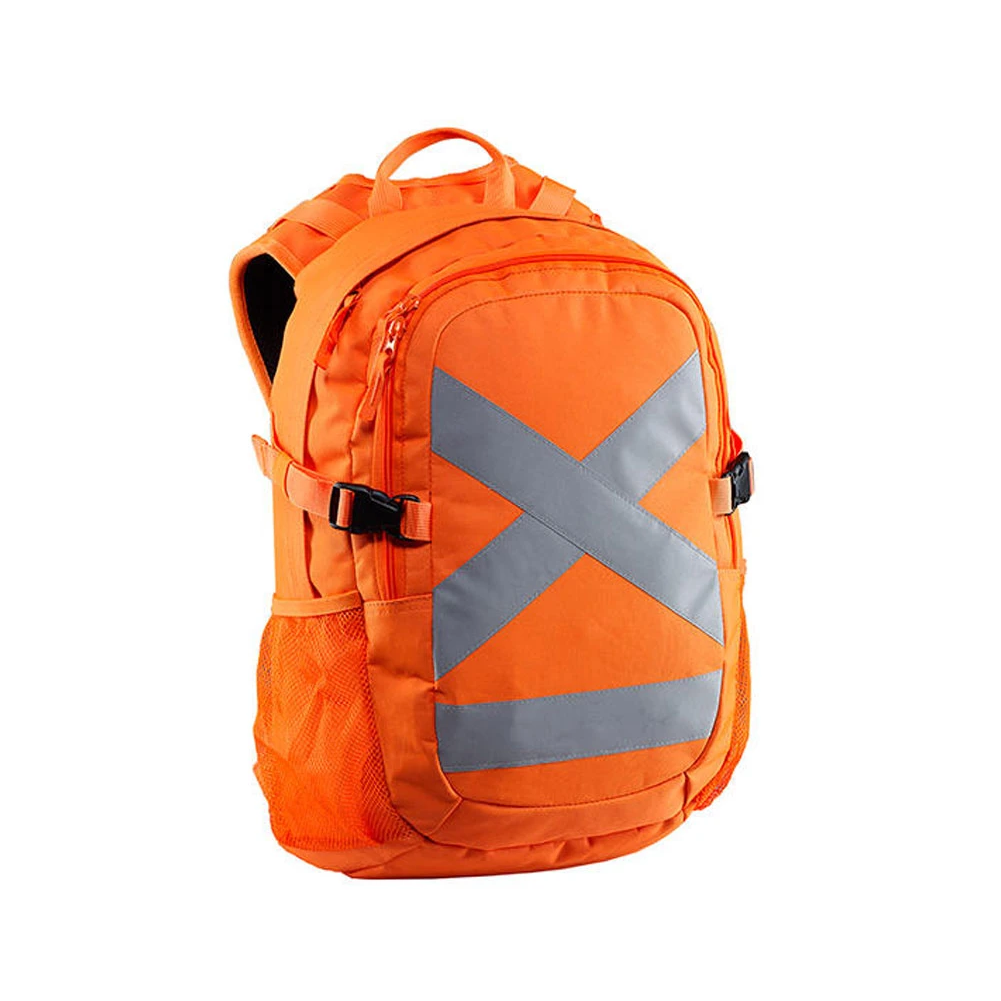
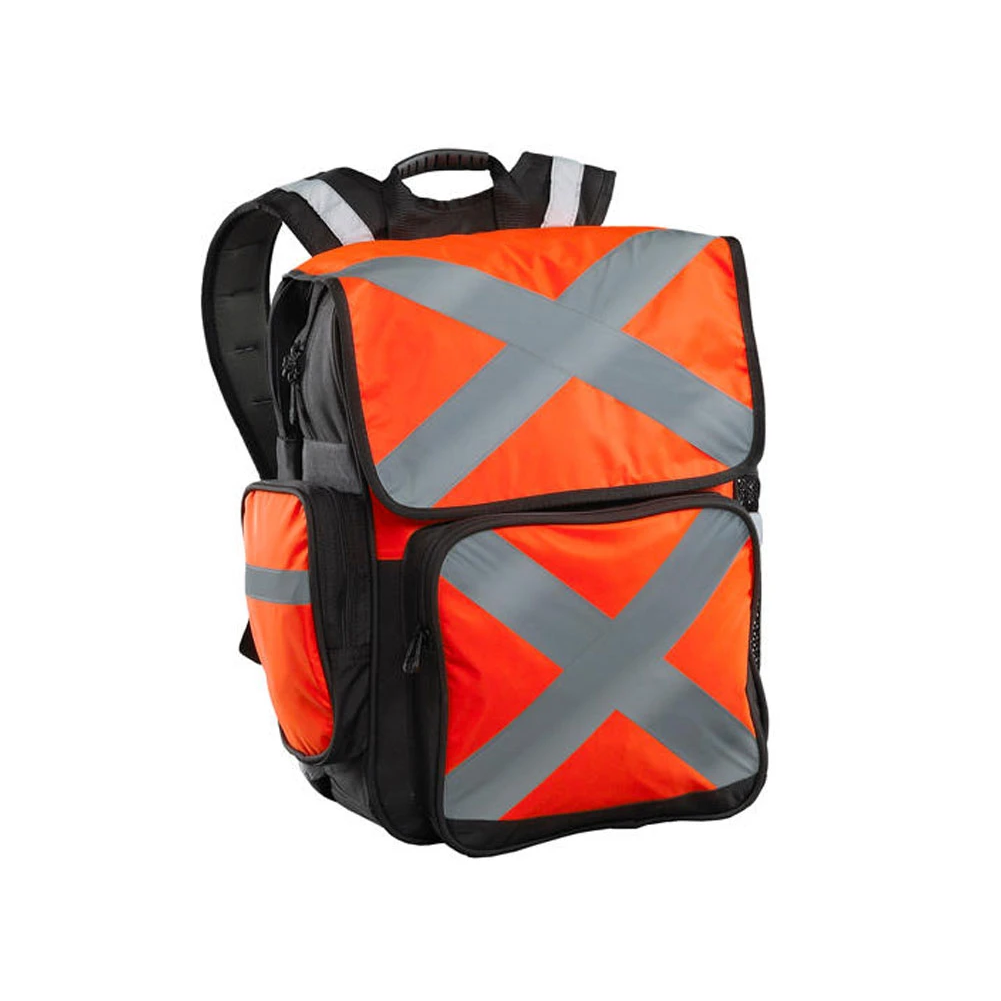
Hi-vis safety backpacks such as the Hi-vis 34 Litre Safety Backpack - Yellow are built to carry PPE, first aid and small tools while keeping your technicians visible on busy or low-light sites. Reinforced stitching, padded harness, hip belt and reflective tape make them suitable for daily HVAC and construction work.
- Van “safety kit” bag with glasses, gloves, respirators and first aid
- Rooftop pack for harness, lanyard, slings and anchor hardware
- Site-vis pack for supervisors moving between plant rooms and construction zones
For more hi-vis options, see the Hi Vis safety equipment collection .
Stainless safety lockwire & barriers
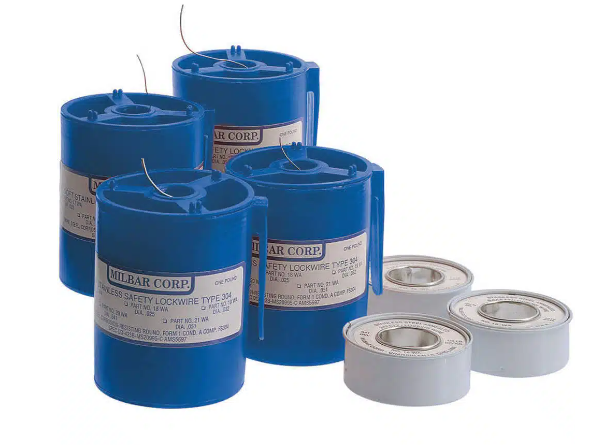
The Imperial Stainless Safety Lockwire range gives you a durable way to secure critical fasteners, pins and components around mechanical plant. Multiple diameters and dispenser sizes help you match the wire to the job.
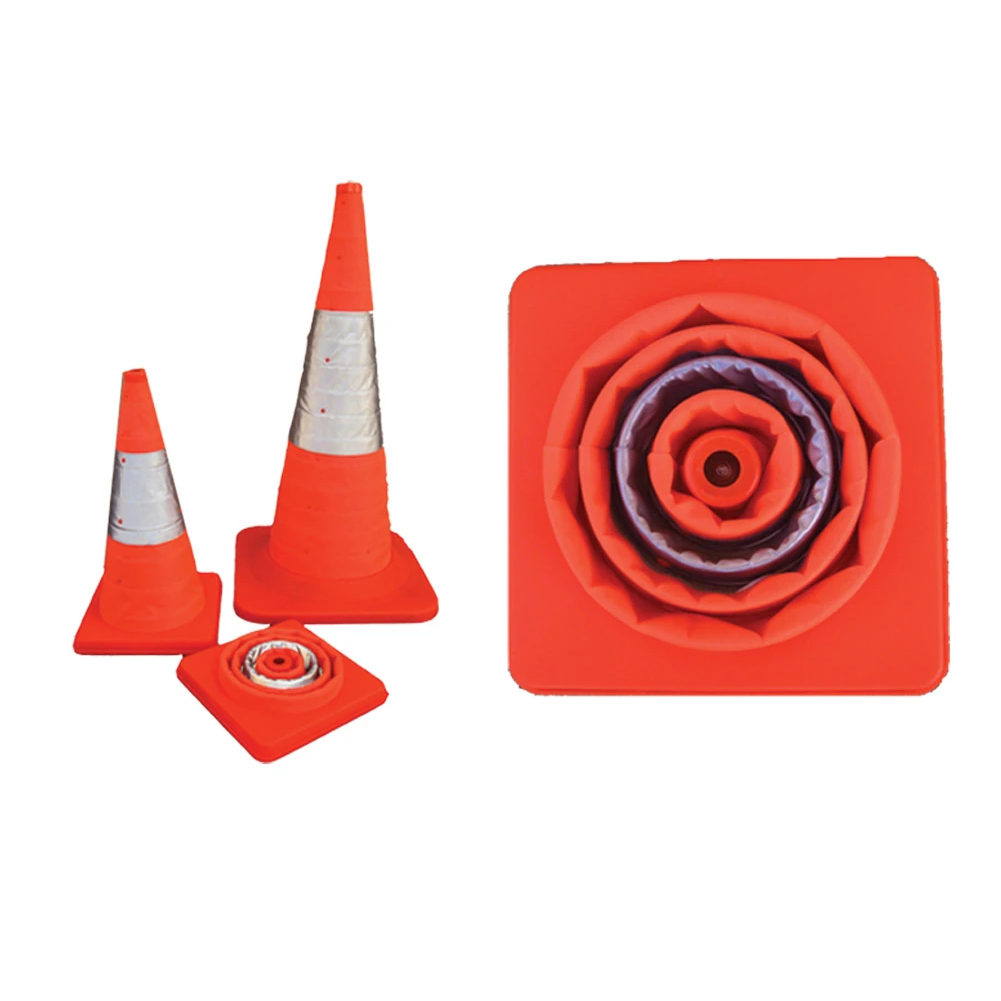
Pair lockwire with Portacone safety barriers and other hi-vis gear to:
- Mark exclusion zones around roof hatches, fragile areas or open penetrations
- Separate temporary work areas from pedestrians and other trades
- Highlight trip hazards near plant platforms and access ways
How to choose the right safety equipment for the job
1. Identify the height and fall hazards
Start by looking at where and how you will work: ladder, roof, platform or scaffold. If there is any chance of a fall from one level to another or into a void, the Model Code of Practice for managing the risk of falls requires you to control that risk using the hierarchy of control.
2. Decide between restraint and full fall-arrest
- Restraint systems prevent you from reaching an edge, often using fixed anchors and shorter lanyards.
- Fall-arrest systems allow work near edges but must be carefully designed, with rescue plans in place.
Your harness, lanyard, anchors and connectors must be compatible and used in line with the relevant standards and your state or territory WHS guidance.
3. Build your kit from this collection
Single-tech roof service example:
- 1 × full body harness
- 1 × shock-absorbing lanyard with hooks
- 1 × roofers kit or anchor solution
- 1 × hi-vis safety backpack with basic PPE and first aid
Small crew doing split-system installs:
- 2–3 × harnesses sized for different technicians
- 2–3 × shock-absorbing lanyards
- 1 × Ferno Roofers Safety Kit as a shared rope/anchor bundle
- Portacone barriers to mark off the work area
Building manager or facility supervisor:
- Hi-vis backpack stocked with PPE, basic first aid and site documentation
- Safety cones and barriers for temporary exclusion zones
- Stainless lockwire for securing guard panels and safety chains around plant
4. Put a simple pre-start safety routine in place
Before anyone leaves the ground, inspect harness and lanyard webbing and hardware, confirm anchors are rated and installed correctly, set up cones or barriers to protect others, and check that PPE is clean, serviceable and stored in a clearly marked safety backpack. A consistent five-minute PPE check before every job dramatically reduces avoidable incidents.
Related HVAC safety gear
Safety Equipment FAQ
Do these safety harnesses and kits meet Australian standards?
Harnesses, lanyards and roofers kits in this collection are sourced from recognised brands and are designed for industrial work. Always check each product description and the manufacturer’s documentation for the specific standards they reference, and confirm they are suitable for your site, your state or territory, and your safe work method statements.
How often should I inspect my harness and lanyard?
Inspect fall-arrest gear before each use, after any incident and at the intervals recommended by the manufacturer and your WHS procedures. Look for cuts, fraying, UV damage, contamination, distorted hooks or carabiners, missing labels and signs that the energy absorber has deployed. If in doubt, tag it out and replace it.
Can PPE like harnesses and backpacks replace other safety controls?
No. Under Australian WHS law, PPE is a last line of defence after higher-level controls such as eliminating the need to work at height or using platforms and guardrails. Harnesses, lanyards and hi-vis equipment help control remaining risk and must be used with training, supervision and safe work procedures.
What should I keep in a hi-vis safety backpack for HVAC work?
Most teams use a hi-vis backpack as a mobile safety kit. Common items include safety glasses, gloves suited to the task, hearing protection, a respirator and filters, basic first aid, lockout/tagout devices, spare hi-vis vests and a copy of the relevant SWMS or job pack. Adjust the contents to match your climate, job type and company procedures.
Who is responsible for providing safety equipment in Australia?
The person conducting a business or undertaking (PCBU) must provide suitable PPE and safety equipment, maintain it, and ensure workers are trained in its use. Workers must use the gear as instructed and take reasonable care for their own safety and the safety of others.
Author: HVAC content specialist (technical copy based on Australian HVAC practice)
Reviewed by: Licensed refrigeration & air conditioning technician – ARCtick licence
Business details: HVACShop.com.au • ABN 98 351 143 900
Contact: hvacshop.com.au@gmail.com • 0412 333 115 (Mon–Fri 9:00am–5:00pm AEST)
Last updated: 2025-12-05T00:00:00+11:00