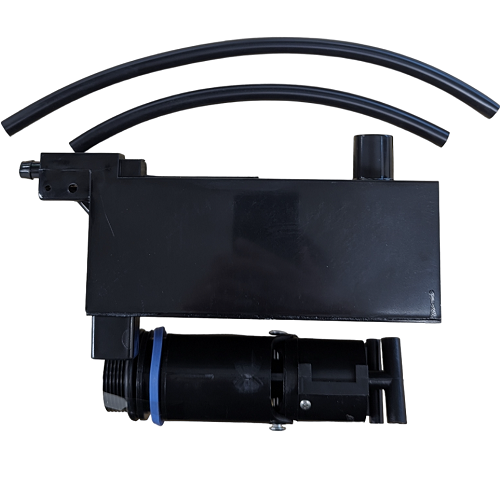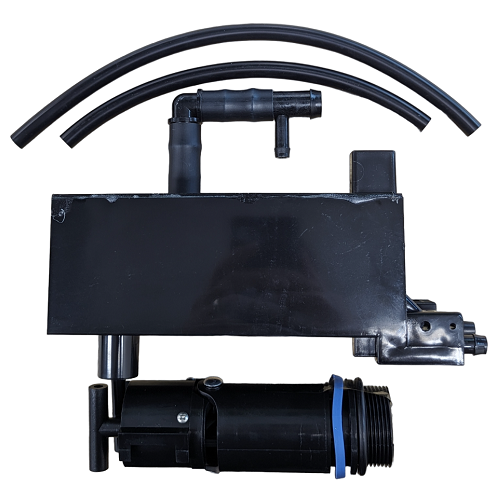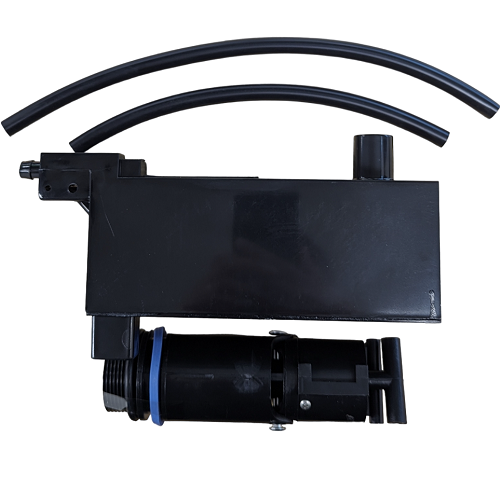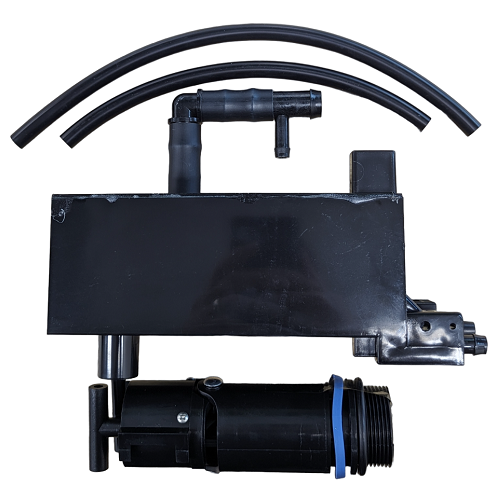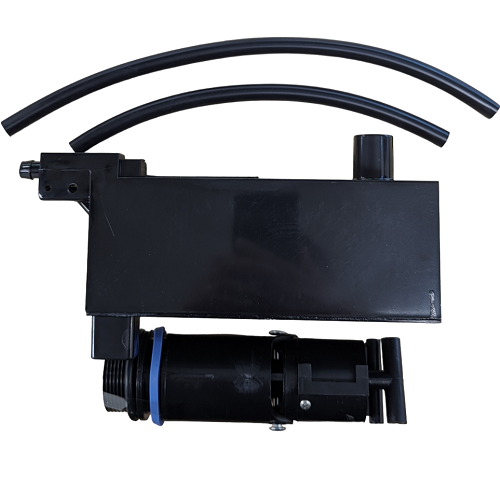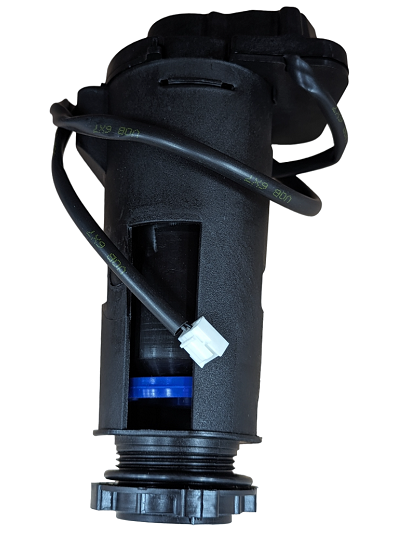
AC Conditioner Drip Tray
16 products
Showing 1 - 16 of 16 products
Air Conditioner Drip Trays (Outdoor Unit Condensate Control)
Outdoor units can drip more than people expect — especially in humid weather, during defrost cycles, or when a unit is cycling hard. If that condensate is landing on balconies, paths, carports, soffits, or the neighbour’s courtyard, an air conditioner drip tray (also called a condensate drain tray or outdoor unit drain pan) helps you capture the runoff and direct it where it should go.
This collection focuses on practical, job-ready condensate management: trays and drain solutions that help keep outdoor areas dry and tidy, reduce slip hazards, and minimise water staining on render, concrete and tiles.
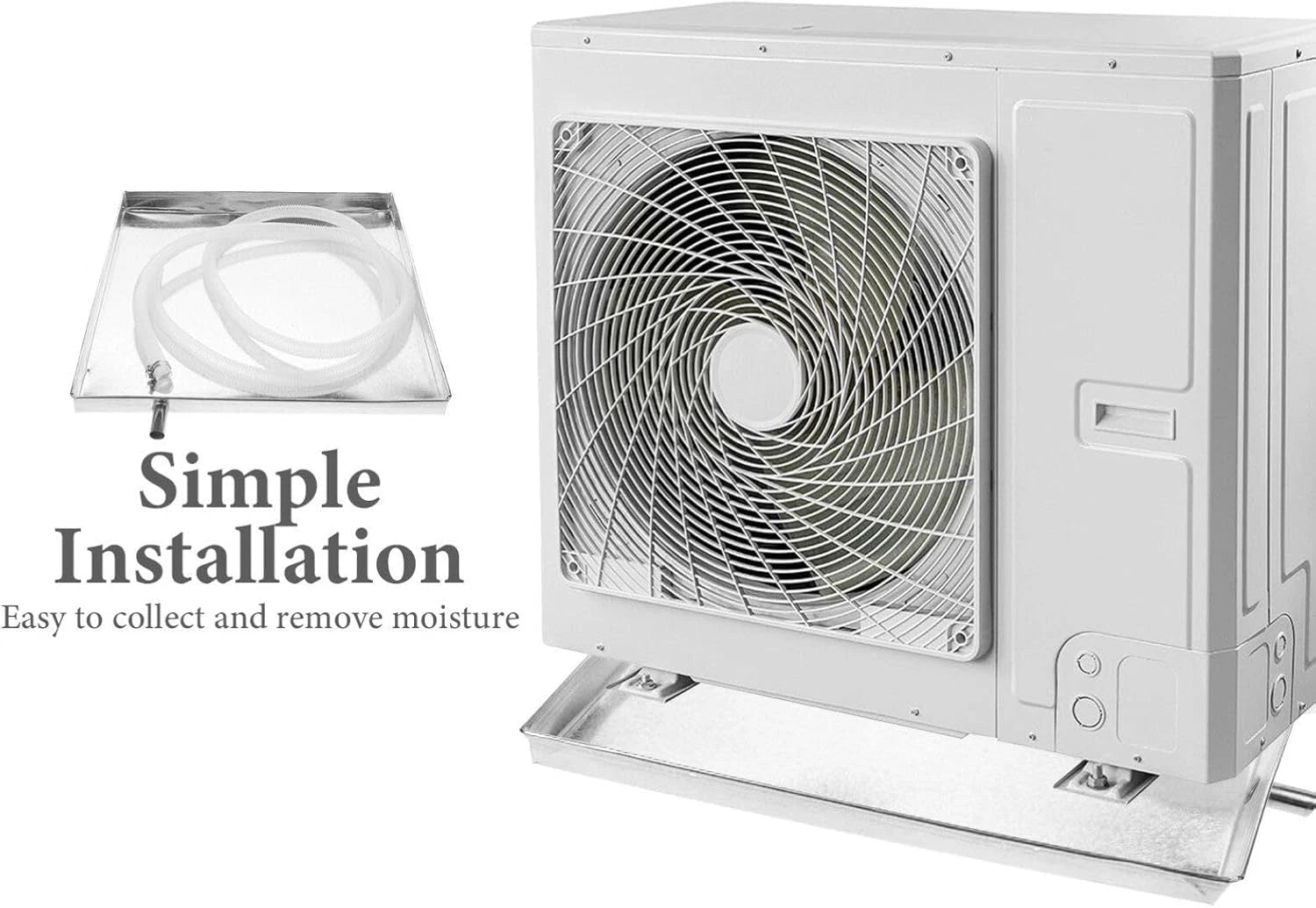
Quick pick: For balcony splits, start with a tray that includes a hose/outlet so you can route water to a suitable drain point.
Shop by job (fast selection)
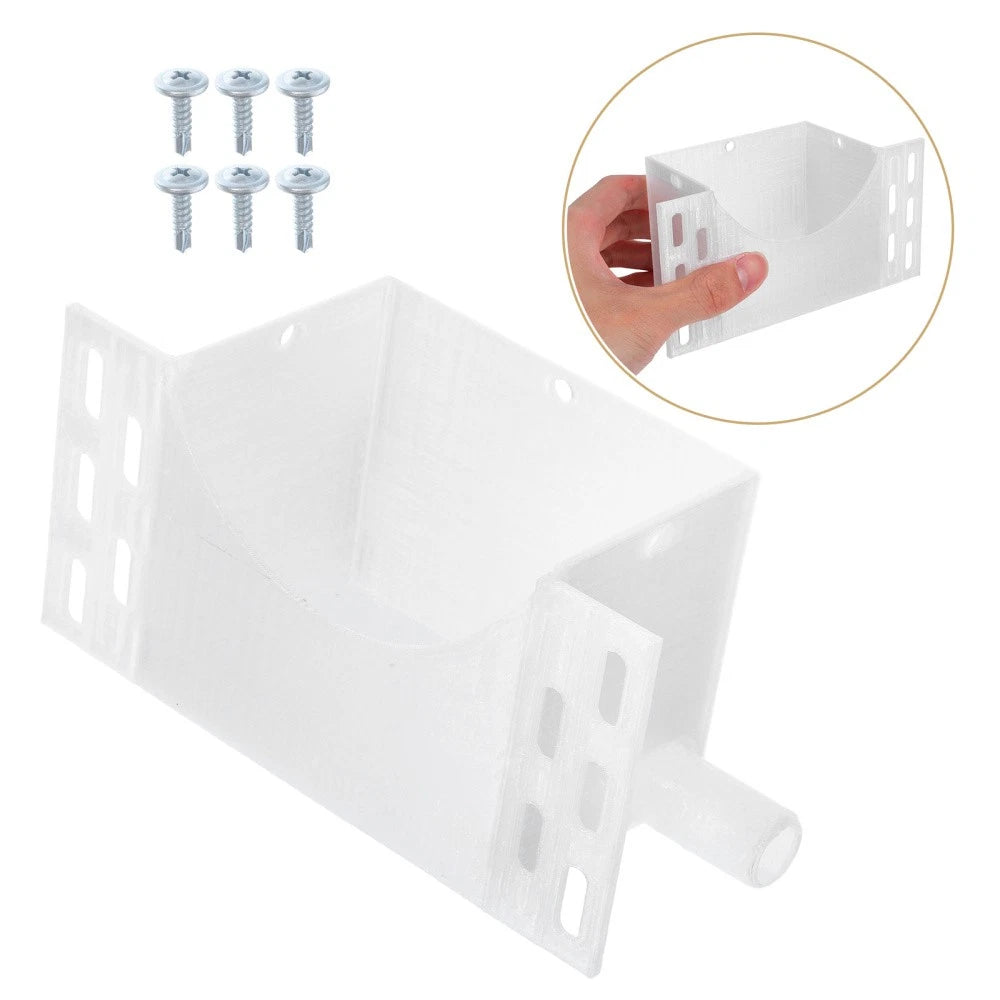
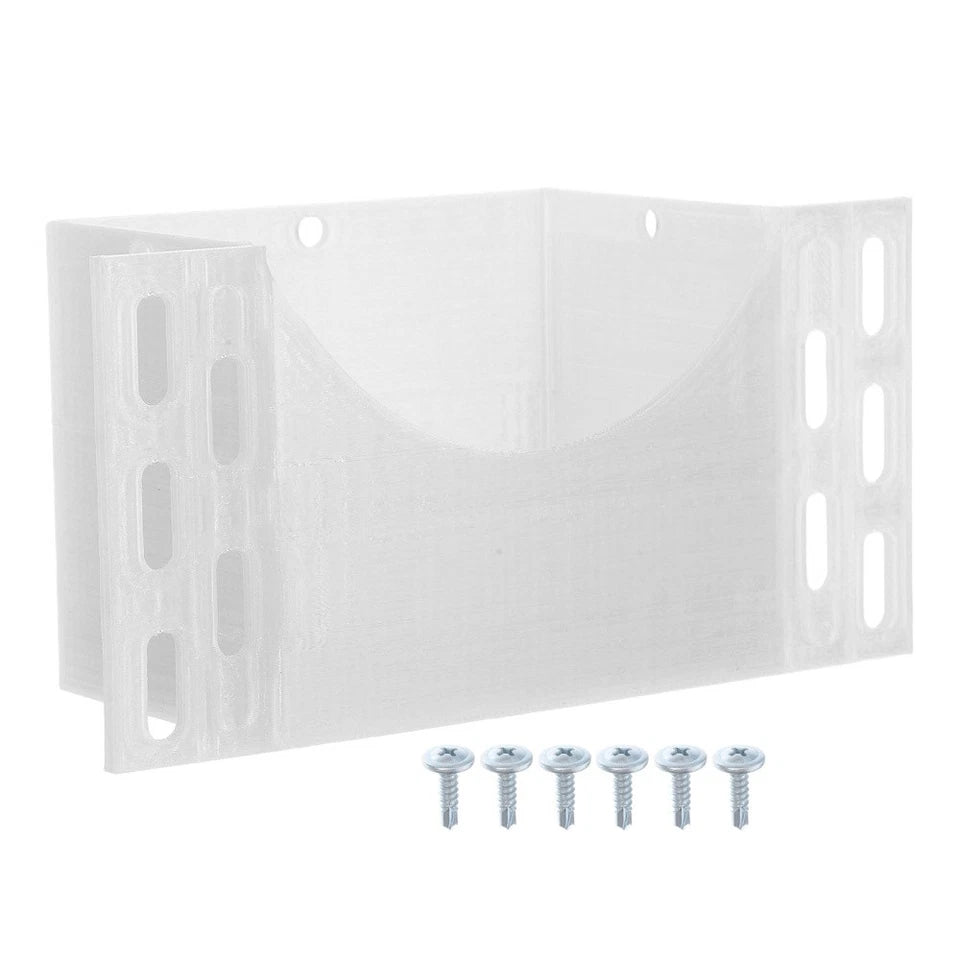
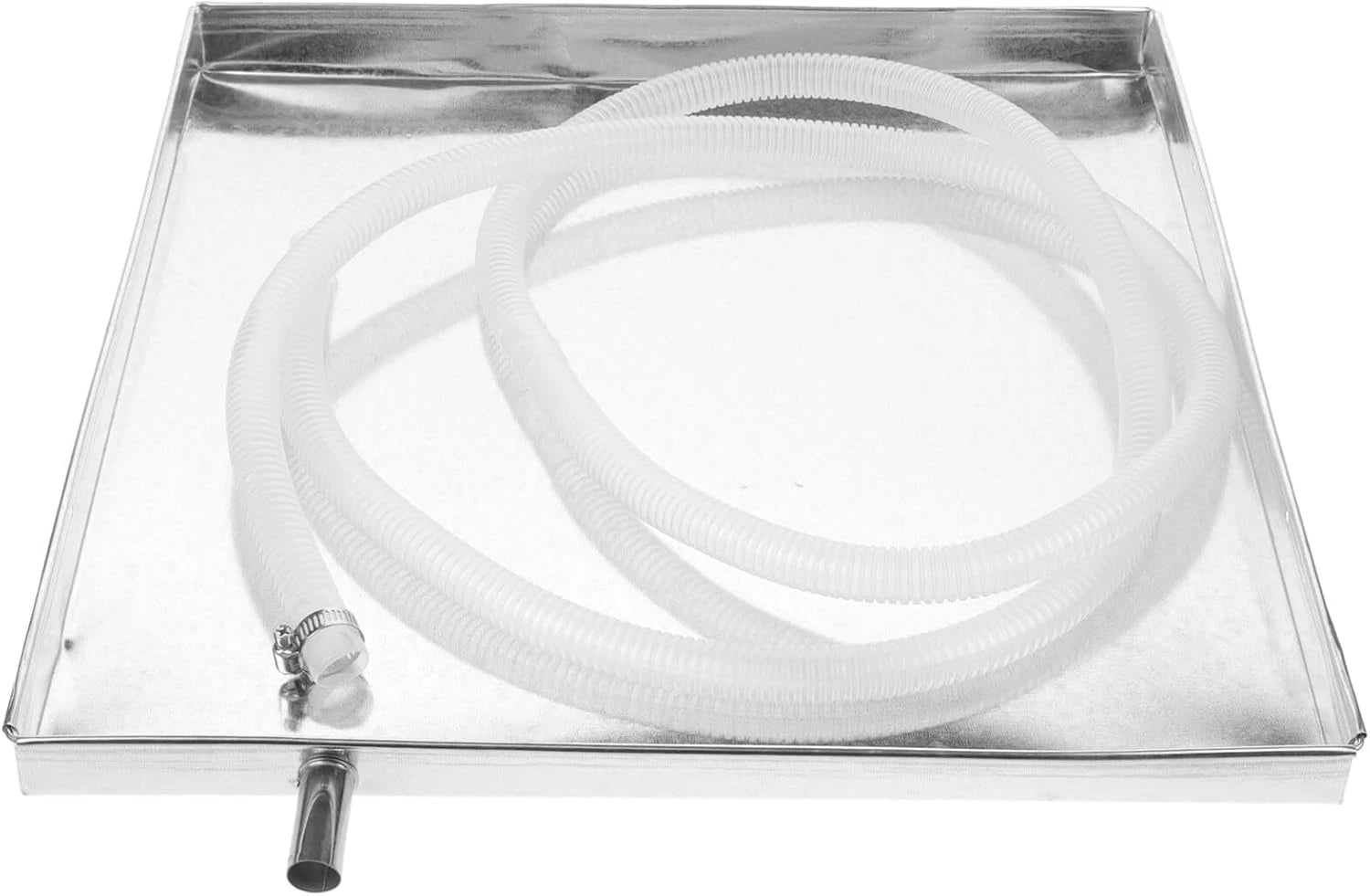
- Balcony / strata complaints: AC external unit drip tray (with hose & clasp) — capture condenser runoff and guide it away from balustrades and neighbours.
- Quick drainage setup: Universal portable drip box drain tray — compact and handy when you want a simple drain-out point.
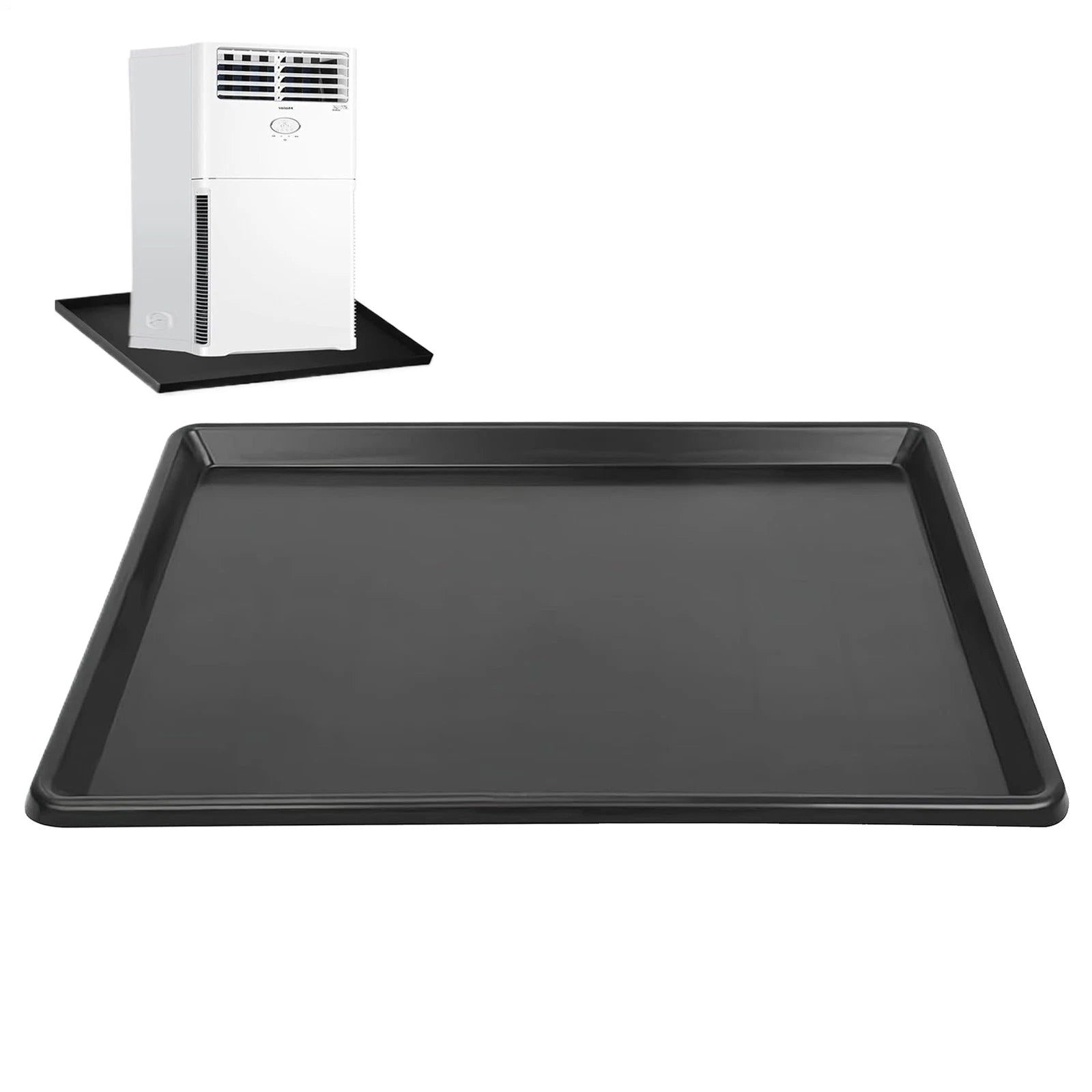
- Floor protection / vibration reduction: Silicone drip pan — helps protect finished surfaces and makes cleanup easier.
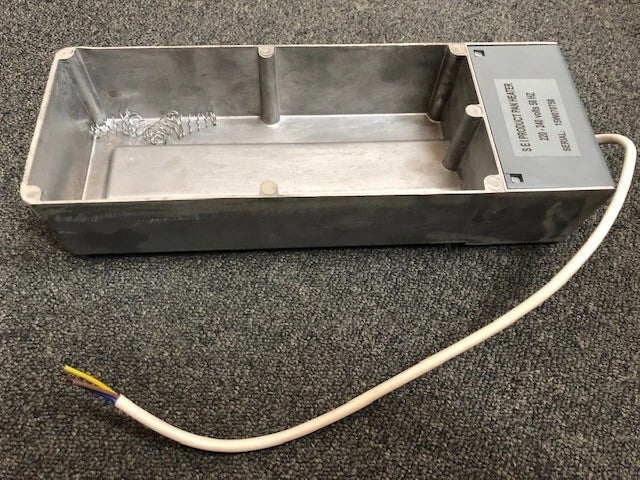
- Cold areas / no easy drain line: Heated condensate pans and drain heater trays can help reduce freeze/overflow risk where water can’t reliably run away.
How to choose the right AC drip tray
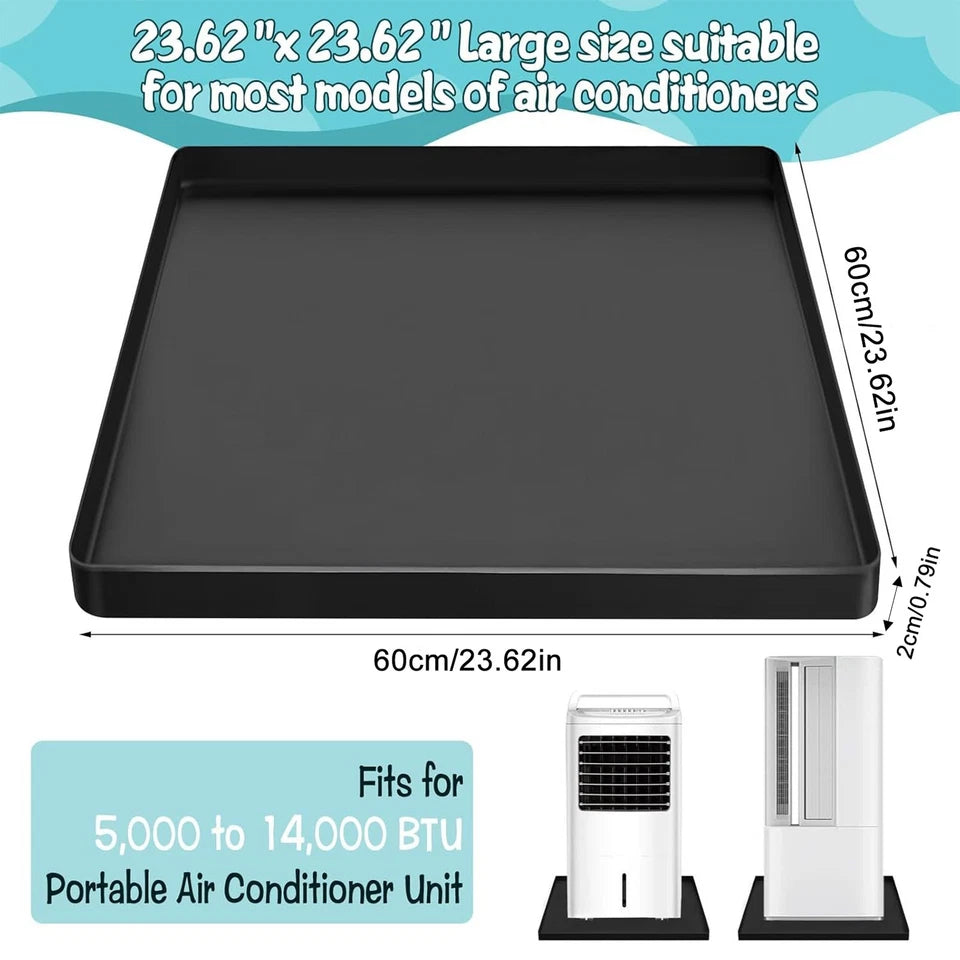
- Measure the footprint: Check the outdoor unit base width/depth and choose a tray with enough coverage (allow a little margin for vibration movement and install tolerances).
- Confirm outlet position & hose routing: Pick a tray/drip box that lets you route water in the direction you actually need (avoid sharp bends and kinks that trap sludge).
- Match the site conditions: Coastal installs and high-sun balconies punish plastics over time. If you’re exposed to harsh UV, salt air, or heavy foot traffic, favour tougher materials and secure mounting.
- Decide on “capture + drain” vs “capture + evaporate”: Most outdoor unit jobs want drainage. In some special cases (or cold-prone sites), a heated condensate solution can be useful — but always follow the equipment manufacturer’s guidance.
Install tips (tradie-realistic)
- Isolate power before hands-on work: treat electrical parts as live until proven de-energised, and test before you touch.
- Keep fall in the drain line: a gentle, continuous fall beats “up-down-up” hose runs that sludge up and overflow.
- Secure against vibration: trays should sit flat and stable; avoid setups where the unit can walk or rub.
- Plan for maintenance: if you can’t access the tray to rinse it, you’ll be back for a blockage call-out.
Condensate discharge in Australia (keep it sensible)
Where condensate is allowed to discharge (and how it must connect) can depend on the building type, local plumbing rules, and manufacturer instructions. Some building provisions reference condensate drains discharging to appropriate drainage arrangements (for example via tundish/self-sealing device into sanitary drainage in certain contexts). If you’re connecting into a sanitary drain or altering plumbing, check local requirements and use a licensed trade where required.
Prevent blockages & call-backs (recommended add-ons)
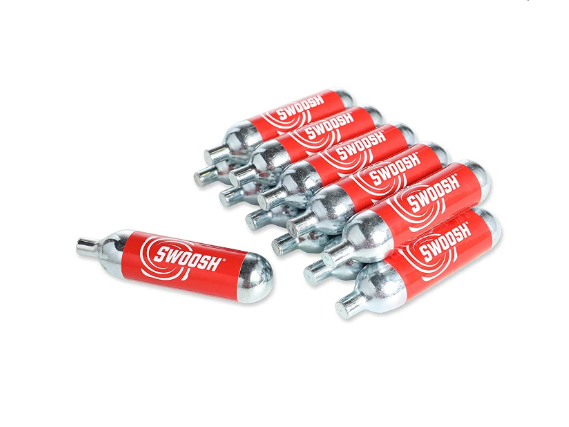
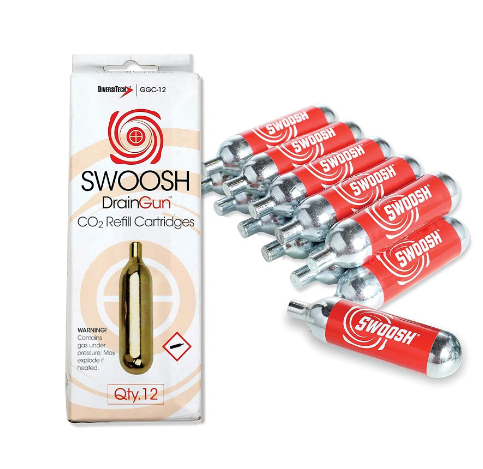
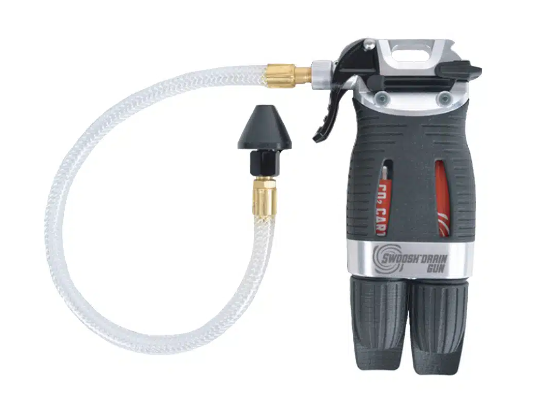
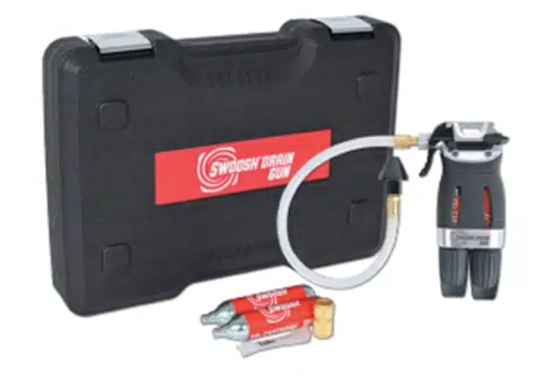
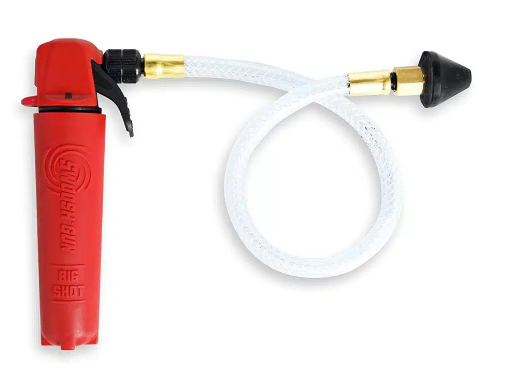
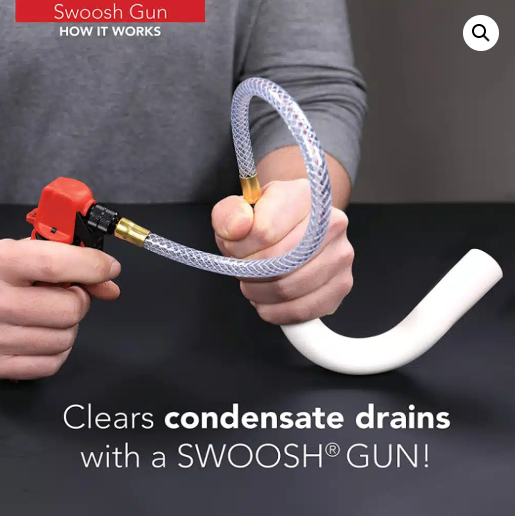
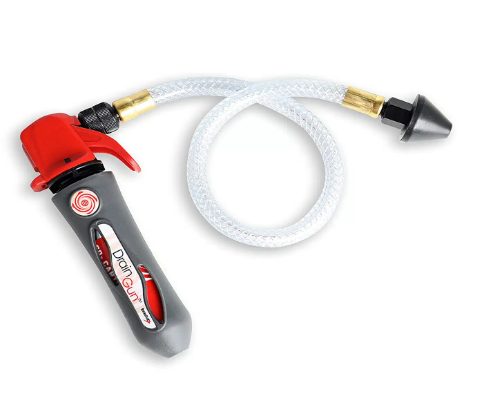
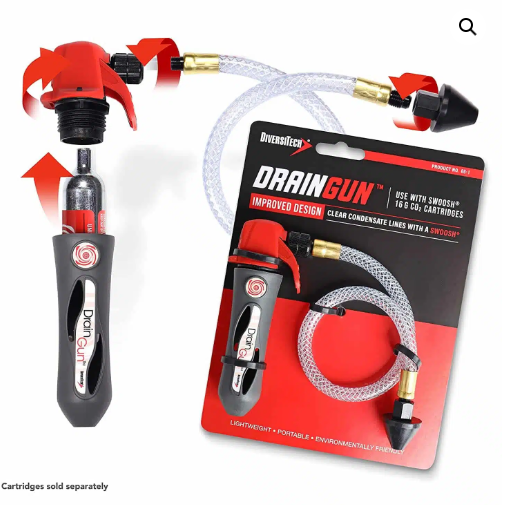
- Drain gun (clears condensate lines fast) + cartridges when you need a quick “swoosh” to clear sludge.
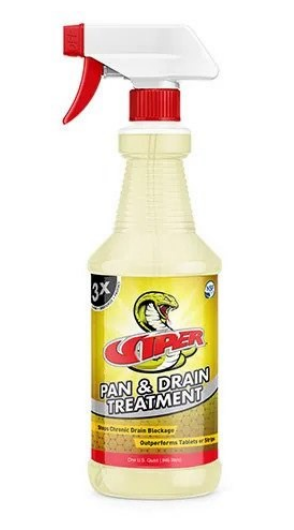
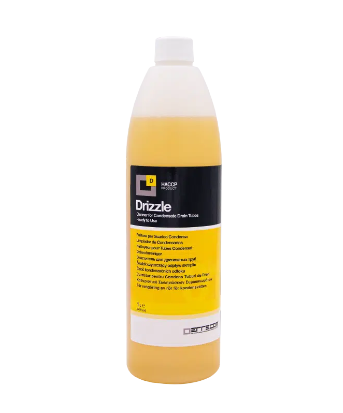
- Pan & drain treatment to help reduce slime build-up in pans and drain lines.
- Pair with cleaning gear when you’re already on site: air conditioner cleaning kits, AC cleaning bags and coil & maintenance chemicals.
Helpful resources
- DIY guide: using air conditioner cleaner (how to reduce gunk & runoff)
- Cleaning & preventive maintenance hub
- DiversiTech range (drain tools, pumps & accessories)
FAQs — AC drip trays & condensate drain trays
Do I need a drip tray under an outdoor unit?
If condensate is dripping onto balconies, walkways, aircon brackets, or staining walls, a drip tray helps capture and direct water away. It’s also handy where water is creating a slip hazard or causing neighbour/strata complaints.
What size drip tray do I need?
Measure the outdoor unit’s base footprint (width x depth) and choose a tray that covers it with a little margin. If you’re between sizes, go up — it’s easier to manage runoff when you have more catch area.
Where should the hose drain to?
Aim for an appropriate, legal drain point and avoid letting water constantly drip onto public areas, electrical equipment, or neighbouring property. If you’re tying into sanitary drainage or changing plumbing, confirm local requirements and use licensed trades where required.
Can I install an outdoor drip tray myself?
Many external trays are mechanically simple, but you still need to isolate power, avoid unsafe working-at-heights, and ensure the unit remains stable. If your job involves electrical work, refrigerant lines, or plumbing modifications, use appropriately licensed professionals.
Why does my outdoor unit drip so much water?
Condensate volume increases with humidity and heavy cooling loads. In heating mode, some systems also run defrost cycles, which can produce bursts of water. If water is excessive or new/unusual, it may indicate a drainage or installation issue worth checking.
How do I stop the drain line blocking up?
Keep the hose run smooth with continuous fall, avoid kinks, and periodically flush/clear the line. Drain-clearing tools and pan/drain treatments can help reduce slime and sludge build-up.
Do you stock solutions for cold-prone condensate issues?
Yes — this collection also includes heated condensate pans and drain heater trays designed to help manage water where freezing/overflow is a risk (always follow the equipment manufacturer’s guidance for suitability).
Trust & Compliance (HVACShop Australia)
Business details
- ABN: 98 351 143 900 — verify via ABN Lookup
- Phone: 0412 333 115
- Email: hvacshop.com.au@gmail.com
- Support hours: Mon–Fri, 9:00am–5:00pm AEST
- Help pages: Contact • FAQ • Shipping & Returns
Shipping (Australia-wide)
- Carriers (may vary by order): Australia Post, TNT, Hunter Express and Toll Priority
- Dispatch target: for in-stock orders, typically within a few business days
- Delivery expectations: metro areas are typically faster than regional/remote locations (timeframes vary)
- Tracking: tracking is provided once your order leaves the warehouse
Returns & warranty
- Returns process: see Shipping & Returns (includes change-of-mind procedure and eligibility)
- Warranty: products are backed by manufacturer warranty (duration varies by brand/product)
- Consumer rights: Australian Consumer Law guarantees apply — learn more at the ACCC
Secure payments
- Accepted at checkout: American Express, Apple Pay, Google Pay, Mastercard, PayPal, Shop Pay, UnionPay, Visa
- Buy now, pay later: Afterpay • Zip
Australian compliance disclaimer (refrigerant)
HVACShop supplies tools and equipment. Installation, commissioning, servicing and refrigerant handling activities may be regulated. If work involves refrigerant or could cause refrigerant to be emitted, follow Australian requirements and ARC guidance: ARCtick refrigerant handling licence information.
- Author: HVACShop Content Team (AU)
- Reviewer: Refrigeration & air-conditioning technician
- Last updated: 2026-01-13 (AEST)
- Policies: Terms & Conditions • Privacy Statement