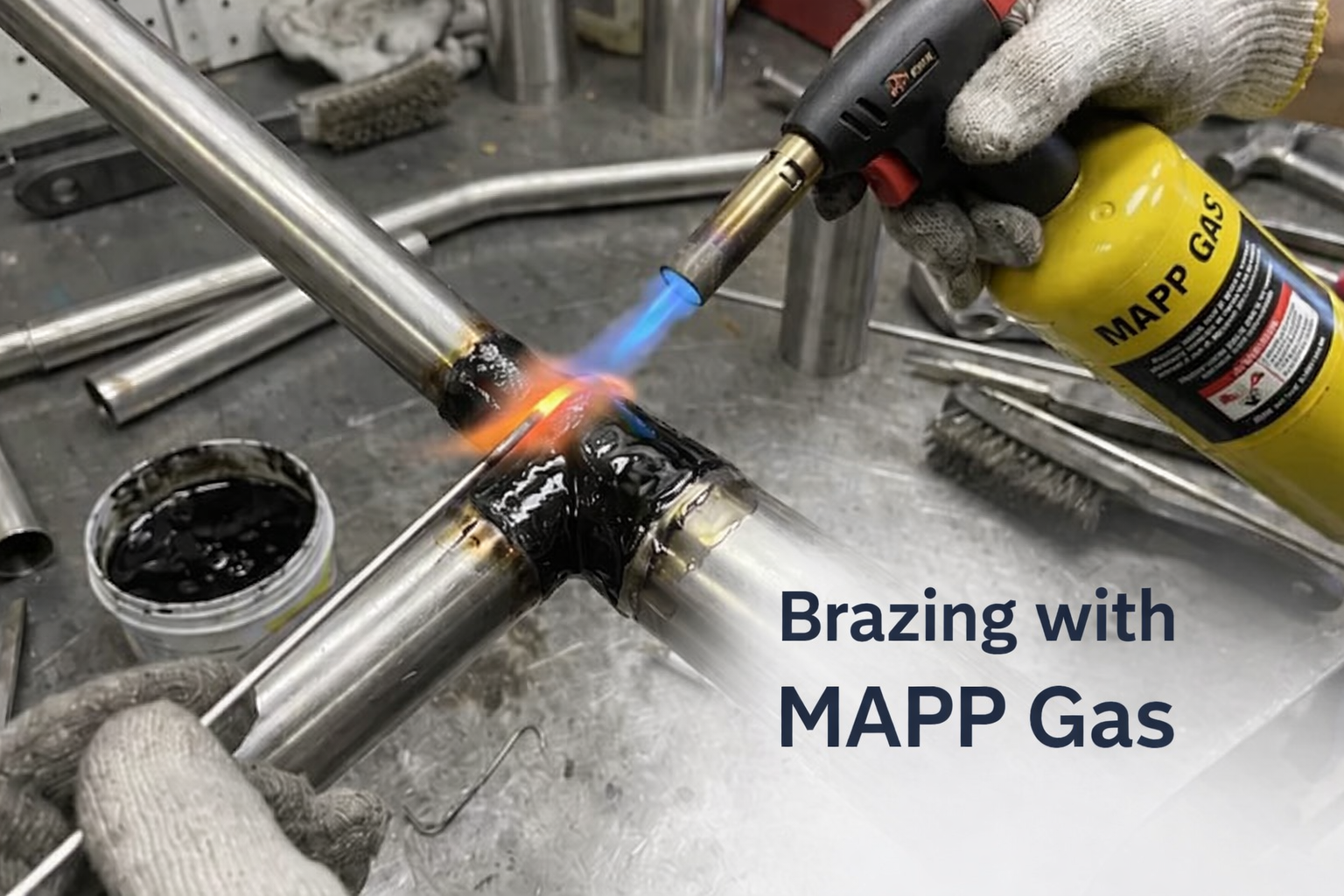
Step-by-Step Guide for Aussie HVAC Tradies

Professional Brazing Skills
A good braze joint is quiet. It doesn’t leak. It doesn’t crack later. It doesn’t bring you back to the same job two weeks after commissioning.
That’s why “brazing copper MAPP gas” is a real-world search. People aren’t chasing theory. They want strong refrigerant line joints that hold pressure, stay clean inside, and don’t turn into call-backs.
On Aussie HVAC jobs, brazing is everywhere. Split system line sets. Ducted installs. Commercial plant rooms. Rooftop package units. Every one of those jobs has the same truth: poor brazing can cause leaks, contamination, and repeat faults that waste time and money.
MAPP gas (often sold today as MAP-Pro style torch fuel) is popular because it can feel faster and more consistent than propane on copper. But fuel alone won’t save a bad process. You still need the right torch, the right prep, the right heat control, and—if you want pro-level results—the right nitrogen purge habit.
This guide is built for Australian tradies. It’s plain, practical, and focused on what actually happens on site. We’ll cover why MAP-Pro is used for copper brazing, what gear matters, how to braze step by step, how to set up nitrogen purging, the common mistakes to avoid, and how to inspect and test your work properly.
If you want the bigger hub view of what “MAPP gas” means today, and how to confirm what you’re buying, start with MAPP gas for HVAC work. It ties the MAPP content set together and helps you avoid the “wrong bottle, wrong torch” drama.
And if you’re building a full kit or topping up what you already run, the welding and brazing equipment collection is a simple place to see the common torch and fuel setups used for HVAC work in Australia.
Why MAPP Gas for Copper Brazing
To braze copper properly, the joint has to reach a working temperature where the filler metal can melt and flow through the joint by capillary action. In plain words, the heat needs to get into the copper and fitting so the rod flows into the gap, not blob on the outside.
You’ll often see temperature ranges quoted for brazing in the ballpark of roughly 650°C to 870°C, depending on the filler alloy you’re using and the joint you’re making. Treat that as a guide, not a hard rule. The safe way is to check your brazing rod datasheet and match it to the job.
So where does MAP-Pro style fuel help?
On many HVAC jobs, the challenge is not “can I get a flame?” The challenge is “can I get the copper and fitting up to working temp evenly, without camping on one spot and cooking everything around it?” That’s where consistent heat and good heat transfer matter.
Many techs find MAP-Pro gives a steadier feel and faster heat-up than propane, especially on thicker copper, bigger fittings, and windy rooftop work. If you’re brazing 1/4" and 3/8" all day, propane can still do the job. But when you step into bigger suction lines, valve bodies, or thick-wall copper that soaks heat, MAP-Pro often feels like less waiting and more control.
It’s also about repeatability. When you can bring the joint to temp faster, you spend less time “hovering”. Less hovering usually means less oxidation risk, less heat spread into nearby insulation and paint, and less temptation to rush the rod before the base metal is ready.
That said, faster heat can punish sloppy technique. If you point the flame at the rod instead of the copper, you can make a joint look “filled” while the actual bond is weak. A hotter fuel can also overheat small joints if you’re heavy-handed. So the goal isn’t “more heat”. The goal is “enough heat, in the right place, for the right time”.
If you’re still weighing fuel choices for brazing, it helps to read a straight comparison like MAPP vs propane for brazing. The best choice depends on your copper sizes, job conditions, and how often you braze.
Did You Know?
A “hotter” flame doesn’t automatically mean a stronger braze. Strength comes from clean prep, even heating, correct filler flow, and letting the joint cool naturally without movement.
Essential Brazing Equipment
Good brazing is a system. If one piece is missing, you end up fighting the job. Here’s what matters most when you’re brazing copper with MAP-Pro style fuel on HVAC work.
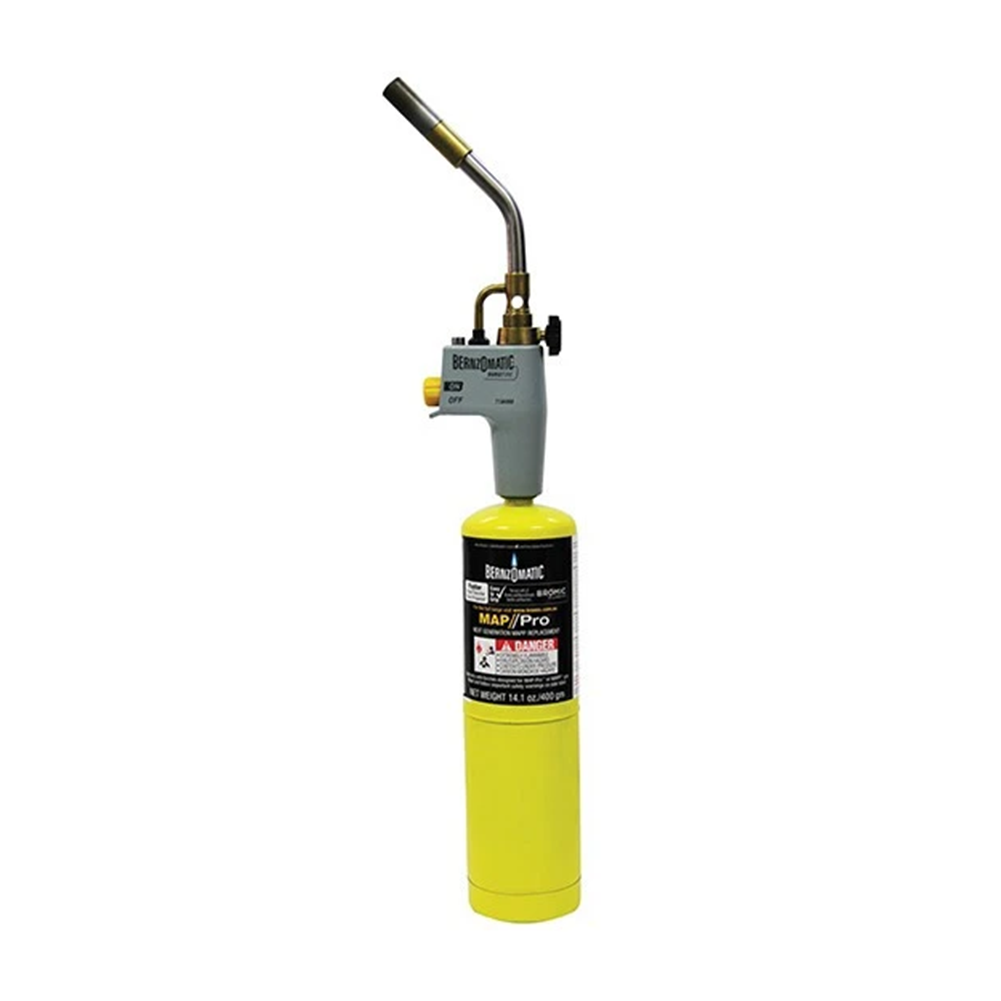
First is the torch and fuel. You want a torch head that is compatible with your cylinders and stable under real job conditions. A matched kit takes out a lot of guesswork. If you want a proven starting point, this professional MAPP gas torch kit is the kind of setup many techs use when they want quick ignition and consistent flame control.
Next is fuel supply. Running out mid-install is not just annoying. It pushes people to rush the last joints. Keep your supply consistent with MAP-Pro gas cylinders once you’ve confirmed your torch compatibility and you know what your normal usage looks like.
Then there are brazing rods. Silver-bearing filler rods are common in HVAC brazing. The exact alloy you choose depends on the joint type and materials. Some filler metals are designed for copper-to-copper work and may not need flux in that specific case. But copper-to-brass (like some valves) and mixed joints often do need the correct flux. The safe rule is simple: match the rod and flux to the joint and follow the rod manufacturer guidance.
Flux matters when it’s required, and it can cause problems when it’s used wrong. Too little and the joint can oxidise and refuse to flow cleanly. Too much and you can contaminate the area, trap residue, or create a messy joint. Use the right type, use it sparingly, and keep it where it belongs.
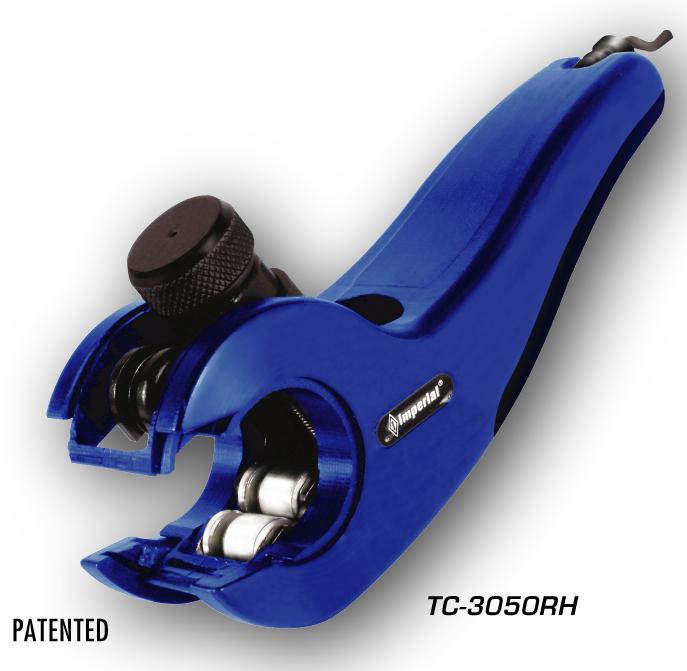
Prep tools are non-negotiable. You need a decent tube cutter, a deburring tool, and a wire brush or abrasive pad to clean the copper until it’s bright. Brazing over dirty copper is how you get weak flow and leakers that show up later.
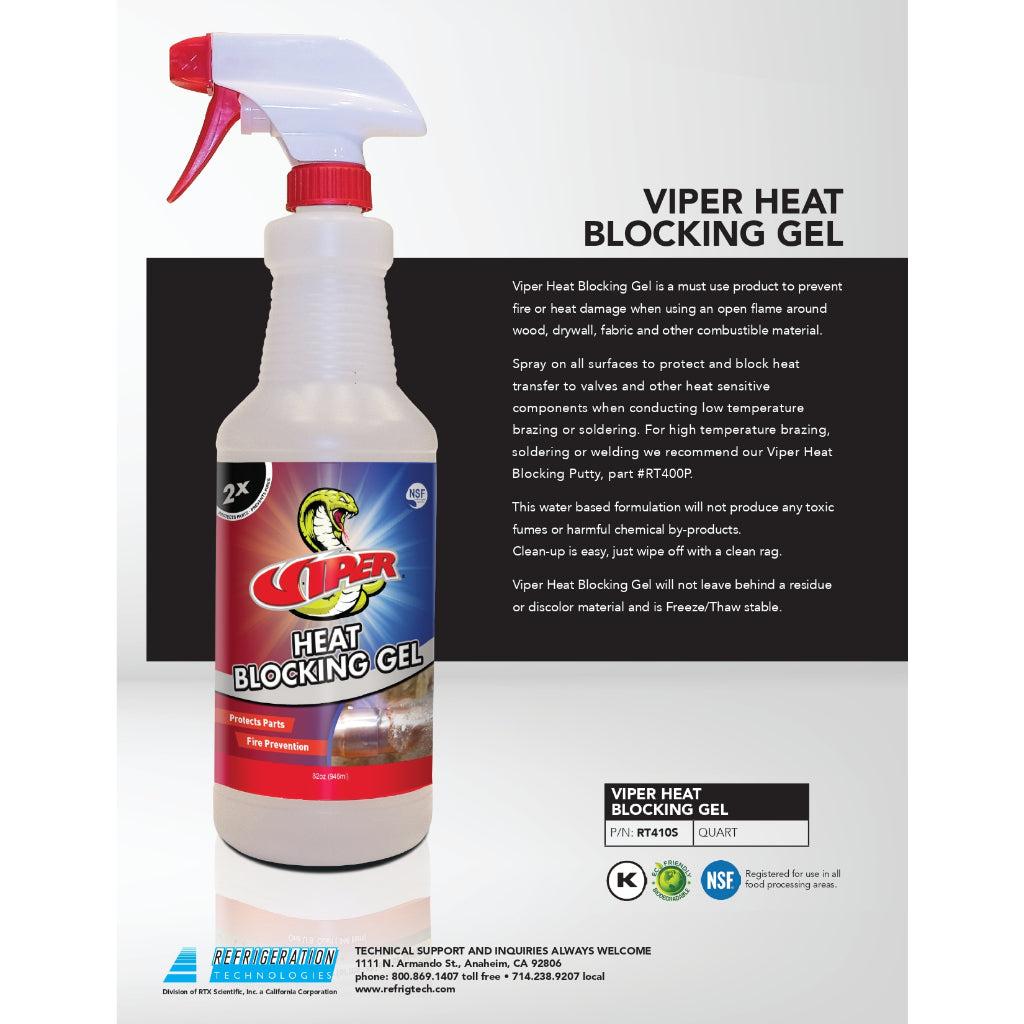
Heat shields and protection keep your work safe. On many jobs, you are brazing near insulation, timber, paint, wiring, or wall linings. A heat shield and a fire-safe mat reduce risk and help you focus on the joint instead of worrying about what’s behind it.
Nitrogen for purging is a big one for professional results. Purging helps prevent internal oxidation (“black scale”) that can end up in strainers, TXVs, EEVs, and capillary tubes. We’ll cover how to do it properly in the nitrogen section.
Finally, Australian safety gear. Gloves, eye protection, and awareness of what’s around you. Also remember the licensing context: refrigeration and HVAC work is licensed work in Australia. Brazing isn’t a shortcut step. It’s part of doing the job cleanly and safely.
If you’re still sorting torch choice before you lock in your setup, this guide on choosing MAPP gas torches helps you match torch head type to your common jobs, so you’re not wasting fuel with the wrong flame pattern.
And for a simple, job-practical reminder about handling and storing flammables on site, SafeWork’s guidance on flammable gas equipment safety is a good baseline to keep your habits tight.
Step-by-Step Brazing Process
This is the workflow that gets clean, strong joints on refrigerant lines. If you keep it consistent, your brazing becomes boring—in the best way.
The idea is simple. Clean copper. Correct fit-up. Even heating. Proper filler flow. Cool naturally. Inspect and test. The details are what stop the leaks.
| Step | Procedure | Common mistakes | How to avoid it |
|---|---|---|---|
| 1. Cut and deburr | Cut square. Deburr inside and outside so the tube seats properly. | Ragged cuts and burrs that reduce flow and stop proper fit-up. | Use a sharp cutter and proper deburring. Don’t “send it” with a jagged edge. |
| 2. Clean the joint | Clean the tube and fitting until bright. No oil, no grime, no oxidation. | Trying to braze over dull copper or fingerprints and oil. | Wire brush/abrasive pad, then keep the surfaces clean until assembled. |
| 3. Flux (if required) | Apply the correct flux only where needed, based on rod and materials. | Wrong flux, too much flux, or flux where it doesn’t belong. | Match rod/flux to the joint and follow the rod supplier guidance. |
| 4. Assemble and support | Fit the joint fully. Support the line so it won’t move while heating. | Half-seated joints and pipes that shift during heating. | Dry fit first. Make sure the joint is fully home before lighting the torch. |
| 5. Heat evenly | Heat the base metal, not the rod. Move flame to warm tube and fitting together. | Camping on one spot, overheating the outside, or heating the rod directly. | Use a steady flame. Watch how the joint responds. Let the metal do the work. |
| 6. Feed the rod | Touch rod to the joint. It should melt from joint heat and flow into the gap. | Pushing rod early so it blobs and sits on the outside. | If rod won’t flow, stop and adjust heat. Don’t “paint” it on. |
| 7. Cool naturally | Let the joint cool without movement. Clean residue if needed once cool. | Moving the joint, bumping the line, or shock cooling. | Support the pipe and be patient. Strong joints come from calm cooling. |
| 8. Inspect and test | Visual check, then leak test and pressure test to your procedure. | Skipping inspection because “it looks fine”. | Build inspection into the workflow so it happens every time. |
Now let’s slow down and make the “heat evenly” step really clear, because that is where most leaks begin.
With MAP-Pro, it’s tempting to blast the joint and expect instant flow. Resist that. Start by heating the fitting area so the mass warms evenly. Move the flame around the joint like you’re warming it up, not drilling a hole into it. On thicker copper, give the fitting a bit more attention because it can soak heat differently than the tube.
When the joint is ready, the rod behaves differently. It doesn’t fight you. It doesn’t ball up. It melts cleanly at the edge of the joint and gets drawn in. That’s capillary action doing its job.
On refrigerant line brazing, this is also where you protect the system. A clean flow joint with correct heat control reduces the chance of internal scale and contamination. That matters later, when valves and compressors are trying to live a long life.
Pro Tip
If you’re melting the rod with the flame, you’re usually rushing. Heat the copper first. When the copper is ready, the rod will flow like it’s meant to—smooth and controlled.
Nitrogen Purge Brazing Technique
If you want to braze copper with MAP-Pro gas like a pro, nitrogen purging is the habit that separates “it holds pressure today” from “it stays clean and reliable long term”.
When you heat copper in air, the inside of the pipe can oxidise. That oxidation can turn into black scale. In HVAC, that scale can end up in strainers, TXVs, EEVs, cap tubes, and oil circuits. Sometimes the system runs fine at first, then starts playing up later when debris moves.
Nitrogen purging reduces oxidation inside the pipe while you braze. You’re basically pushing out the oxygen so the inside of the line doesn’t cook into scale while it’s red hot.
Setting up nitrogen flow doesn’t need to be complicated. You need a nitrogen cylinder, a regulator suited to the bottle, and a way to connect nitrogen to the line. Many techs purge through a service port or a temporary fitting, depending on the job stage. The key is that nitrogen flows through the pipe and out the other end, rather than pressurising a dead-end line.
Flow rate is where people get it wrong. You don’t want a roaring flow. You want a gentle, steady flow—enough to displace oxygen, not enough to cool the joint or blow flame around. On many jobs this ends up being a very low setting on the regulator, often described as “a whisper” at the outlet. Some techs think of it as low single-digit litres per minute, but the best check is practical: gentle flow out of the far end without noise and without disturbing your flame.
Then you braze as normal. Clean joint, even heat, proper rod flow. The nitrogen is just doing its job quietly in the background.
How do you know it’s working? Open up a line that was brazed without purge and you often see darker internal oxidation. On a purged job, the inside stays much cleaner. That’s the difference between a system that is easier to evacuate, easier to commission, and less likely to have random valve issues later.
Australian best practice is simple: if it’s a refrigerant line, treat nitrogen purge as standard. It’s a small step that protects expensive components. It also makes your work easier to defend if there’s ever a dispute about contamination or workmanship.
If you want to tighten up your overall hot-work habits around MAP-Pro, it’s worth reading MAPP gas safety procedures and then making your process consistent across every job, not just the “big installs”.
Common Brazing Mistakes with MAPP Gas
MAP-Pro is great when you use it with control. It’s unforgiving when you don’t. Here are the mistakes that cause most leaks and most ugly joints on HVAC brazing jobs.
Overheating is the big one. With a hotter setup, it’s easy to stay on the joint too long. You can oxidise the metal, burn flux when it’s used, and heat-soak everything around the joint. On line set brazing with MAP-Pro, overheating also raises the risk of damaging nearby insulation, paint, and rubber parts in valves.
The fix is not “use less heat”. The fix is “use heat better”. Move the flame. Heat the mass evenly. Watch for the joint to respond. Then feed the rod when the base metal is ready.
Insufficient flux application is another common one, but it’s usually part of a bigger problem: the wrong flux for the joint or the wrong rod for the materials. Copper-to-copper with the right rod can behave differently from copper-to-brass at a service valve. If you treat every joint the same, you can end up with filler that won’t wet properly and a joint that looks filled but isn’t bonded well.
Moving the joint before cooling is a silent killer. The joint can look perfect, then crack microscopically when you bump it. Later, it leaks under pressure or vibration. Support the line. Let it cool. Don’t rush the next step.
Wrong brazing rod alloy shows up as flow problems and weak joints. Some rods flow beautifully on certain joints and fight you on others. The safe habit is to standardise what you use for your normal HVAC work and confirm the rod spec for special joints, rather than guessing.
Not purging with nitrogen is the mistake that shows up later. The joint might hold, but the inside of the line might be dirty. Then valves start sticking, strainers clog, and people blame “bad parts” instead of contamination. Purging is cheap insurance.
Cold joints from rushing happen when you push rod in too early or don’t heat the fitting properly. The rod sticks on the outside and gives a false sense of security. If you see a lumpy “painted” look instead of a clean fillet and even flow, treat it as a rework, not a “she’ll be right”.
Also remember the job condition traps. Wind on a Sydney coastal roof can strip heat away fast. Melbourne cold snaps can make copper feel stubborn in the morning. Brisbane humidity can fatigue you faster, and fatigue makes people rush. These things don’t excuse mistakes, but they explain why having a consistent process matters.
If you find you’re fighting heat-up time on thick copper, that’s where your torch choice matters too. A higher-output option like an oxy-MAPP kit for thick copper can suit certain heavier jobs, but it also narrows your margin for error. Only step up in heat when you have a clear reason and you’re confident in your control.
Tech Specs
Brazing temperature and filler behaviour vary by alloy. Don’t rely on a single “magic number”. Check your rod datasheet, heat the base metal evenly, and judge readiness by how the filler flows into the joint.
Quality Inspection and Testing
Professional brazing isn’t finished when the flame goes out. It’s finished when the joint is inspected, tested, and documented in a way that protects the system and protects you.
Start with visual inspection. A good joint has even flow around the circumference, no obvious gaps, and no “balling” where the filler didn’t wet properly. It should look like a neat fillet that belongs there. If it looks like you chased it with heat and smeared rod on the outside, be honest with yourself. That’s a rework.
Look at the copper around the joint too. If it’s heavily discoloured far away from the braze area, you likely heat-soaked the line more than needed. That’s not always a failure, but it can be a sign you hovered too long. In tight spaces, too much heat spread can also damage nearby materials.
Then do leak testing. The exact method depends on your job and your company procedure, but the purpose is the same: prove the system is sealed before you waste time on evacuation and charging. For many HVAC jobs, nitrogen pressure testing is the standard approach. The key safety point is to test within the rated limits of the system and your equipment, and to follow your workplace procedure.
Joint strength verification in HVAC is mostly about how the system behaves under pressure and vibration over time. If you’ve done correct prep, correct heat control, correct filler flow, and you didn’t disturb the joint while cooling, strength takes care of itself. If you rushed it, strength becomes a question mark.
Know when to rework and when to replace. If a joint is ugly but structurally sound, some people are tempted to “leave it”. The risk is that ugly often means inconsistent heating or poor wetting. If you have any doubt, rework it while you still have access. Once the wall is closed or the unit is running, rework becomes expensive.
Documenting braze joints is not about paperwork for the sake of it. It’s about having a clear record of what was done. On bigger jobs, that might mean notes like “nitrogen purged during brazing”, pressure test pass, evacuation result, and a few photos of key joints before insulation and lagging goes on. If you ever need to defend workmanship, those records help.
Also, keep the compliance reality in mind. In Australia, refrigeration work is licensed work. Doing the steps properly is part of doing the job legally and safely. If you’re training apprentices, make inspection and testing part of the lesson, not an afterthought.
If you want a broader view of what tools and habits help you stay consistent across jobs, this guide on professional HVAC tools is a good reminder that reliability comes from systems, not just one tool.
FAQs
Is propane still okay for small copper lines?
Yes. For smaller line sizes and lighter brazing, propane can still do the job. MAP-Pro often feels better when you step into thicker copper, larger fittings, or windy conditions where heat-up time becomes the bottleneck.
What’s the quickest sign I’m overheating a joint?
Overheating often shows up as excessive discolouration spreading well beyond the joint, burnt flux (when flux is used), and a “chased” look where the filler doesn’t wet smoothly. Back off, re-centre the flame, and heat the mass evenly instead of camping on one spot.
Do I need nitrogen purge on every refrigerant line braze?
As a best-practice habit, yes—especially on refrigerant lines where internal oxidation can create scale that later causes valve and strainer issues. Keep the purge gentle and flowing through the pipe rather than pressurising a dead end.
Master MAPP Gas Brazing
Here’s the simple truth: brazing copper with MAP-Pro is not hard, but it punishes shortcuts. If you want clean, strong joints that prevent call-backs, you need a repeatable process.
Start clean. Deburr. Bright copper. Correct fit-up. Support the line so it doesn’t move. Heat evenly. Let the base metal melt the rod. Purge with nitrogen on refrigerant lines so the inside stays clean. Cool naturally. Inspect. Test. Document.
If you’re building your setup, keep it consistent. Don’t run random torch heads and random bottles. Use a kit that matches your work and is easy to repeat. A setup like a professional trigger-start MAP-Pro kit is a solid starting point because it reduces compatibility surprises and gives you a stable flame on real jobs.
Keep your fuel supply steady too. When you’re doing repeat joints, the last thing you want is running out mid-flow. Stocking consistent MAP-Pro cylinders helps once you’ve confirmed what your torch uses and what your normal job volume looks like.
And don’t forget the related skills. Not every connection has to be a braze on every job. In the right situations, flaring is a valid option for serviceability and speed. If you want to sharpen that skill too, this guide on flaring copper connections is a helpful add-on, especially for techs who want clean, repeatable mechanical joints where the job allows it.
When you’re ready to lock in the rest of your consumables and gear, the easiest next step is to browse brazing supplies Australia-wide and build a setup that stays the same from job to job.
If you’re not sure what torch, rod, and purge setup suits your typical line sizes and work mix, talk to our team to confirm compatibility. If you’re setting up a crew or doing repeat installs, contact us for a quote and we’ll help you standardise a brazing kit that delivers consistent results across Australia.