Inspection Cameras | HVAC Borescopes & Endoscopes
17 products
Showing 1 - 17 of 17 products


Need to see inside ducts, drains, coils or wall cavities without cutting extra access holes? HVAC inspection cameras — also called borescopes or endoscopes — give you a clear view of hard-to-reach areas. Diagnose problems faster, quote with confidence and avoid unnecessary call-backs.
Australian energy and consumer guidance widely recommends regular inspection of coils, drains and internal components to keep systems efficient and prevent damage. An inspection camera lets you confirm exactly what's happening inside before you pull anything apart.
Why HVAC Technicians Use Inspection Cameras
- Non-destructive fault finding — look inside drains, ducts, cavities and risers without cutting new access holes.
- Faster diagnostics — quickly confirm whether a condensate drain is blocked, a coil is fouled or cables are damaged.
- Better documentation — capture stills and video for quotes, reports and before/after proof for strata and facility managers.
- Safer work practices — reduce time in roof and ceiling spaces by scoping first, then entering only when needed.
Featured HVAC Inspection Camera
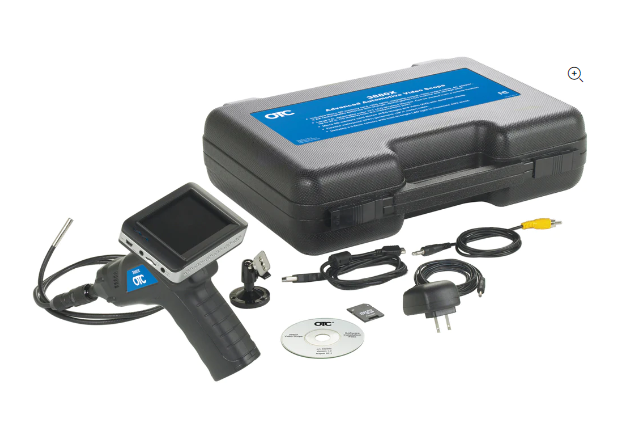
Robinair OTC 3880X Video Inspection Scope (5.5 mm Camera)
The Robinair OTC 3880X is a professional-grade video scope built for HVAC, automotive and industrial use.
- 5.5 mm ultra-slim camera head — fits tight penetrations, condensate drains and wall cavities.
- 36" detachable camera snake — long enough for most ceiling and riser inspections.
- Wireless 3.5" colour display — detach the screen and position it where you can see it while the probe goes up into the ceiling.
- Image and video recording — save files for quotes, handover notes and maintenance reports.
- Four adjustable LEDs — clear pictures even in dark cavities.
- IP67-rated camera head — dust and moisture protected for site conditions.
Common uses on site:
- Inspecting condensate drain lines and pans for blockages or biofilm.
- Checking coils and heat exchangers for corrosion or debris before cleaning.
- Tracing cable runs and inspecting junction boxes in ceiling and roof spaces.
- Checking behind wall linings for water ingress or poorly fixed services.
How to Choose the Right Inspection Camera
1. Probe Diameter & Length
Match the probe to the access point you're working with.
- Diameter: 5–8 mm suits most drains, penetrations and tight cavities.
- Length: 1–1.5 m for local checks; longer probes for duct runs or roof spaces.
2. Flexibility vs Rigidity
Choose based on the path the probe needs to take.
- Flexible probes — weave through bends and drains easily.
- Semi-rigid probes — hold their shape; easier to aim at coils or junction boxes.
3. Image Quality & Lighting
Poor image quality defeats the purpose of the tool.
- HD resolution minimum — spot fine cracks, corrosion and debris clearly.
- Adjustable LED brightness — avoid glare on shiny metal surfaces inside ducts and coils.
4. Screen, Recording & Connectivity
On-site usability matters as much as camera specs.
- Built-in or wireless screens — keep set-up fast on site.
- Recording to card or memory — essential for reports, QA documentation and client education.
5. Durability & IP Rating
HVAC environments are dusty, damp and demanding.
- Choose at least IP67-rated camera head for typical HVAC and light plumbing conditions.
- A sturdy carry case protects the probe and keeps accessories together between jobs.
Typical HVAC Jobs Made Easier with a Borescope
- Blocked condensate drains — locate sludge or obstructions before you start clearing.
- Duct inspections — check for loose insulation, debris, accidental damage or poor joints.
- Coils and heat exchangers — assess dirt or corrosion levels before applying coil cleaner.
- Wall and ceiling cavities — trace pipe and cable runs, identify water ingress paths or poorly fixed services.
- Post-work verification — photograph repairs and new installs for your job file.
Related Diagnostic Tools
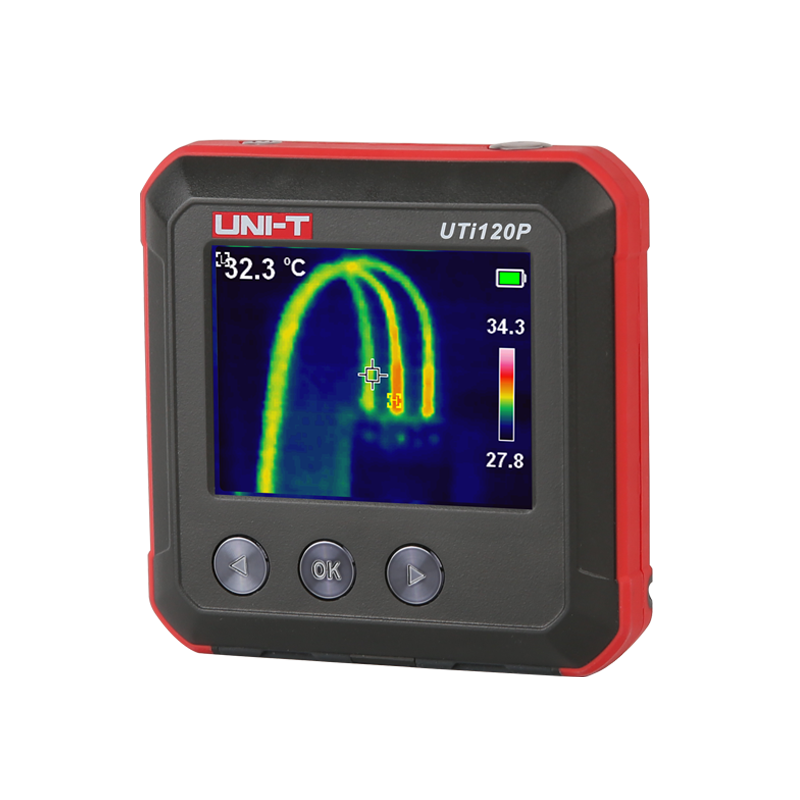
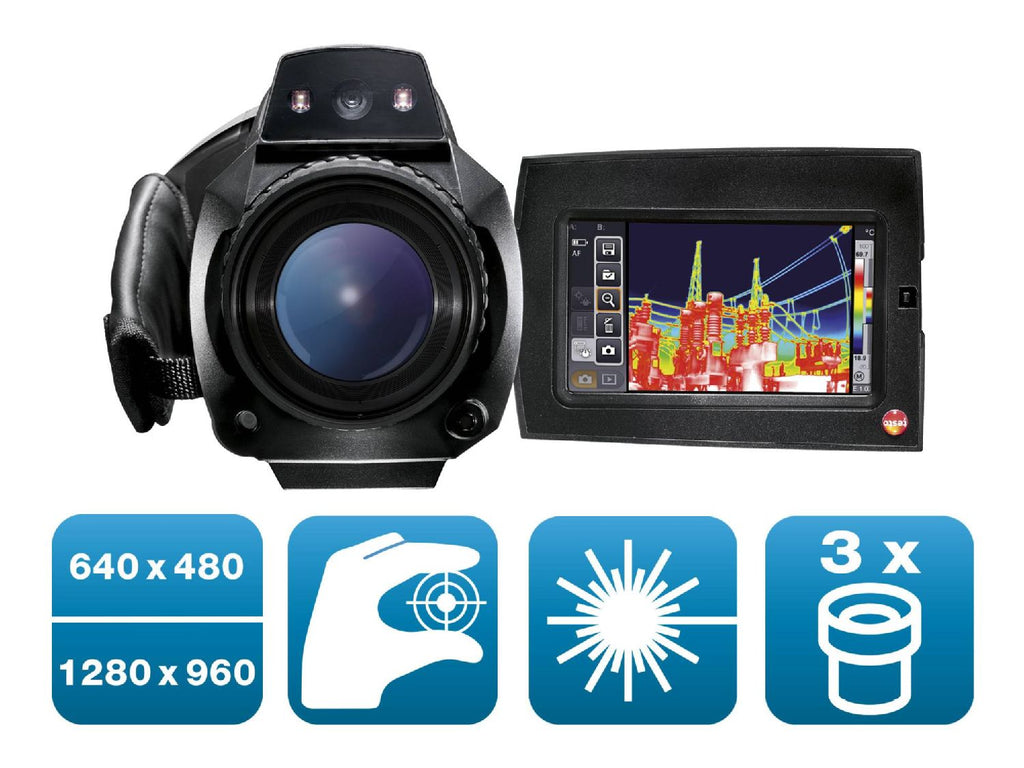
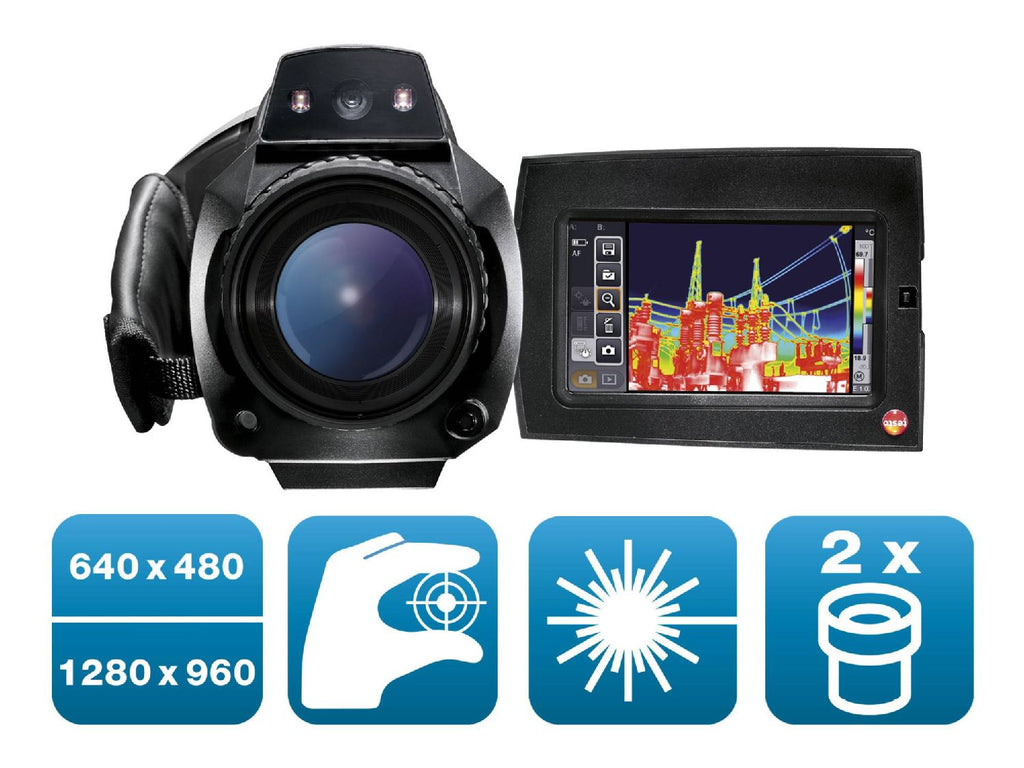
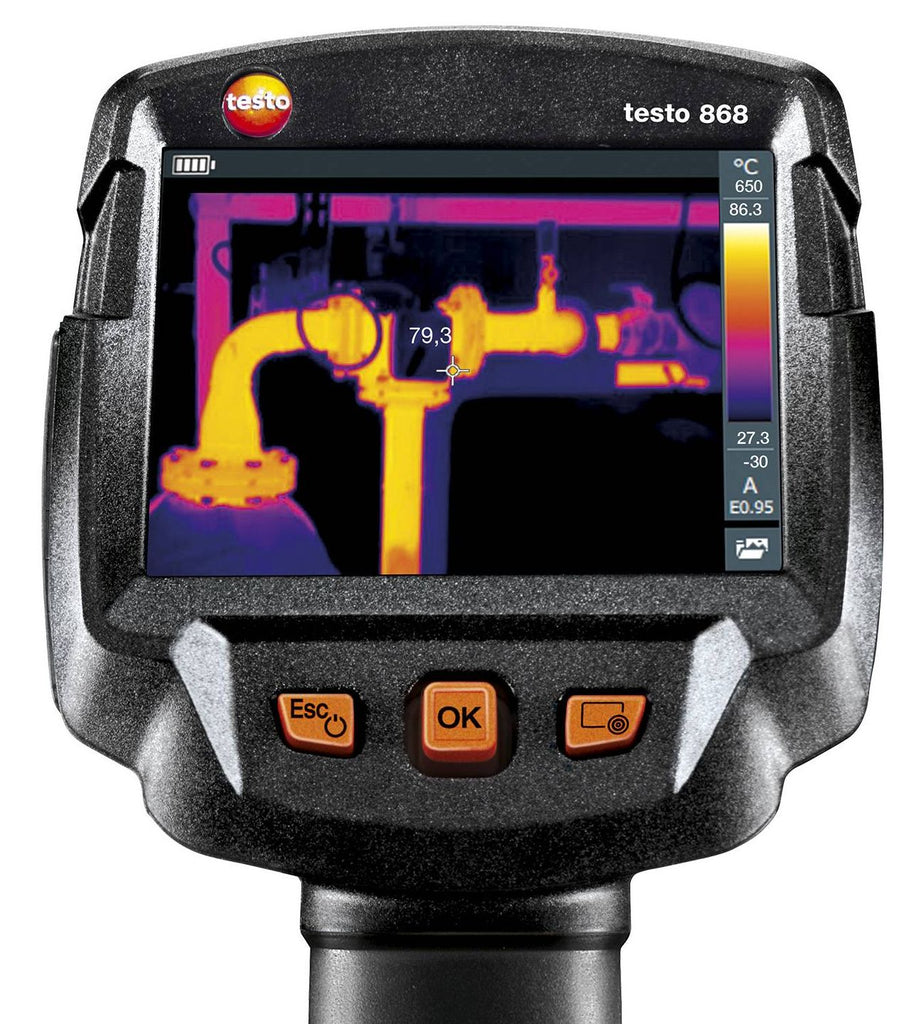
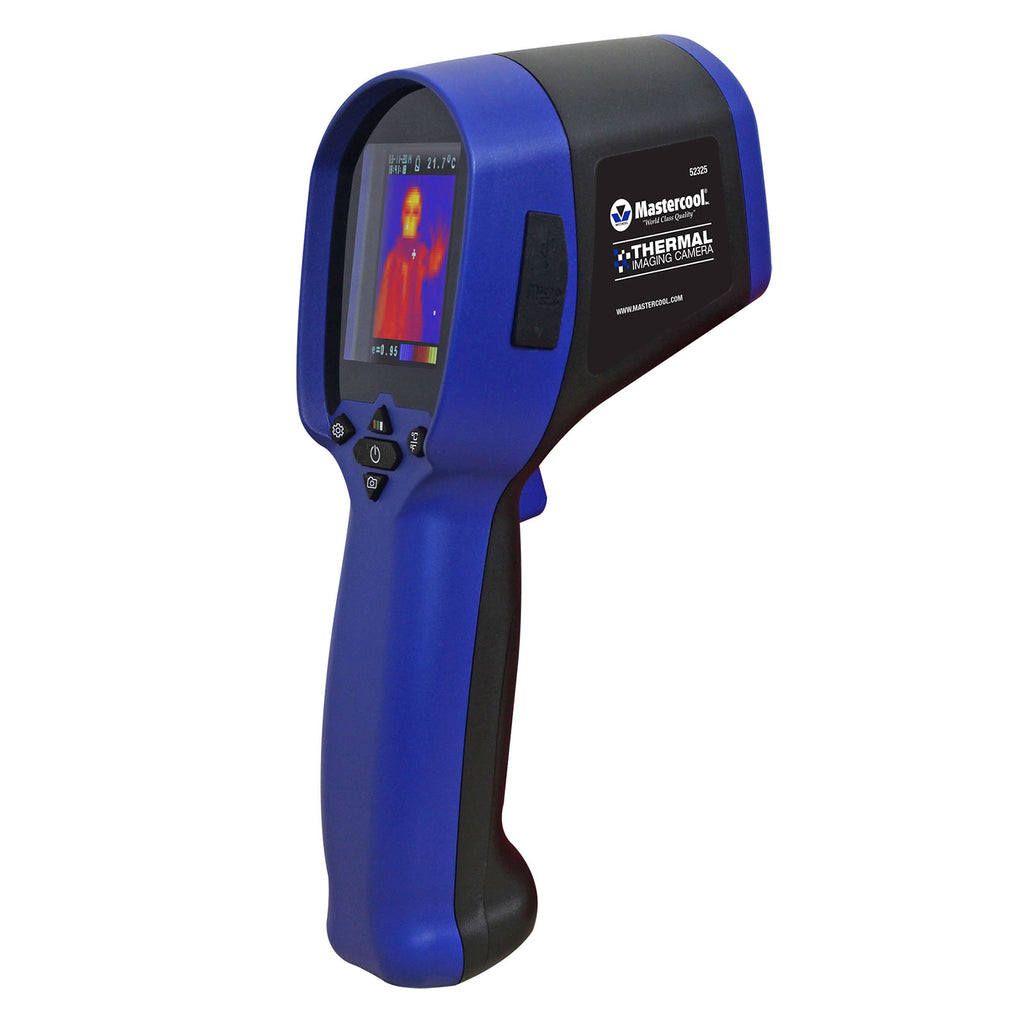
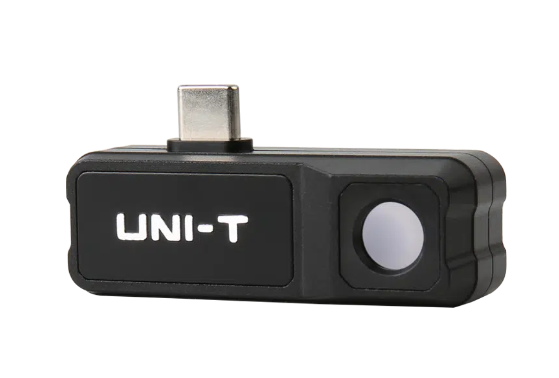
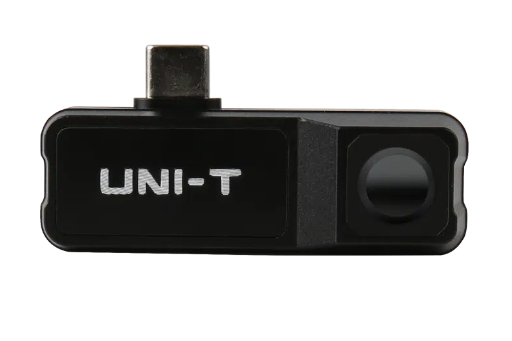
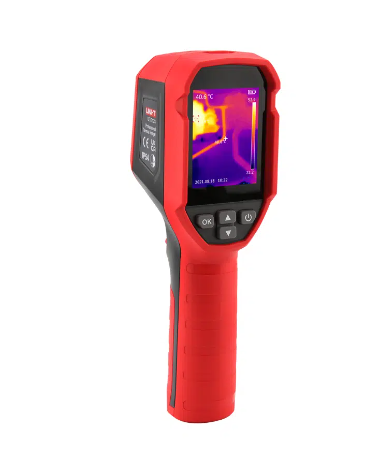
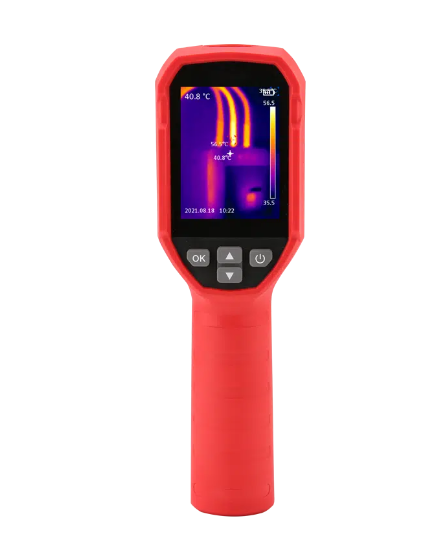
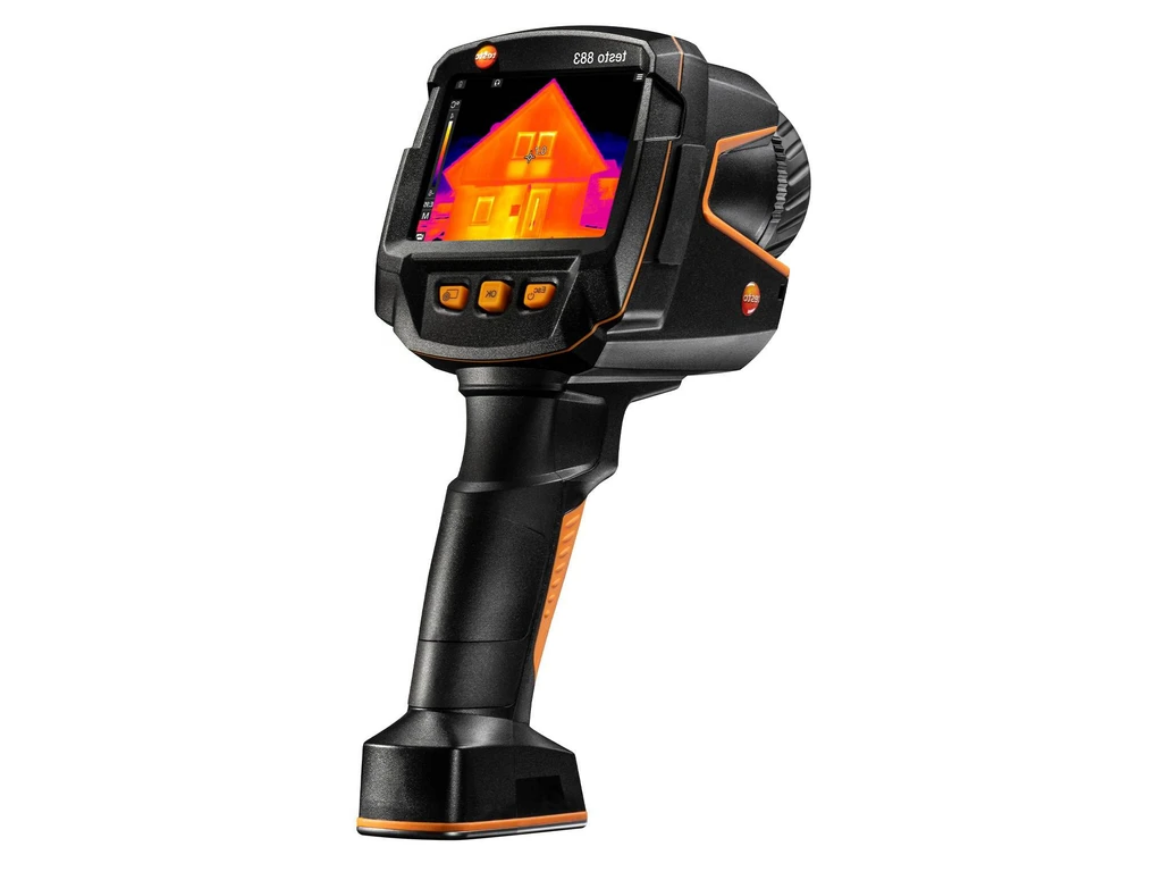
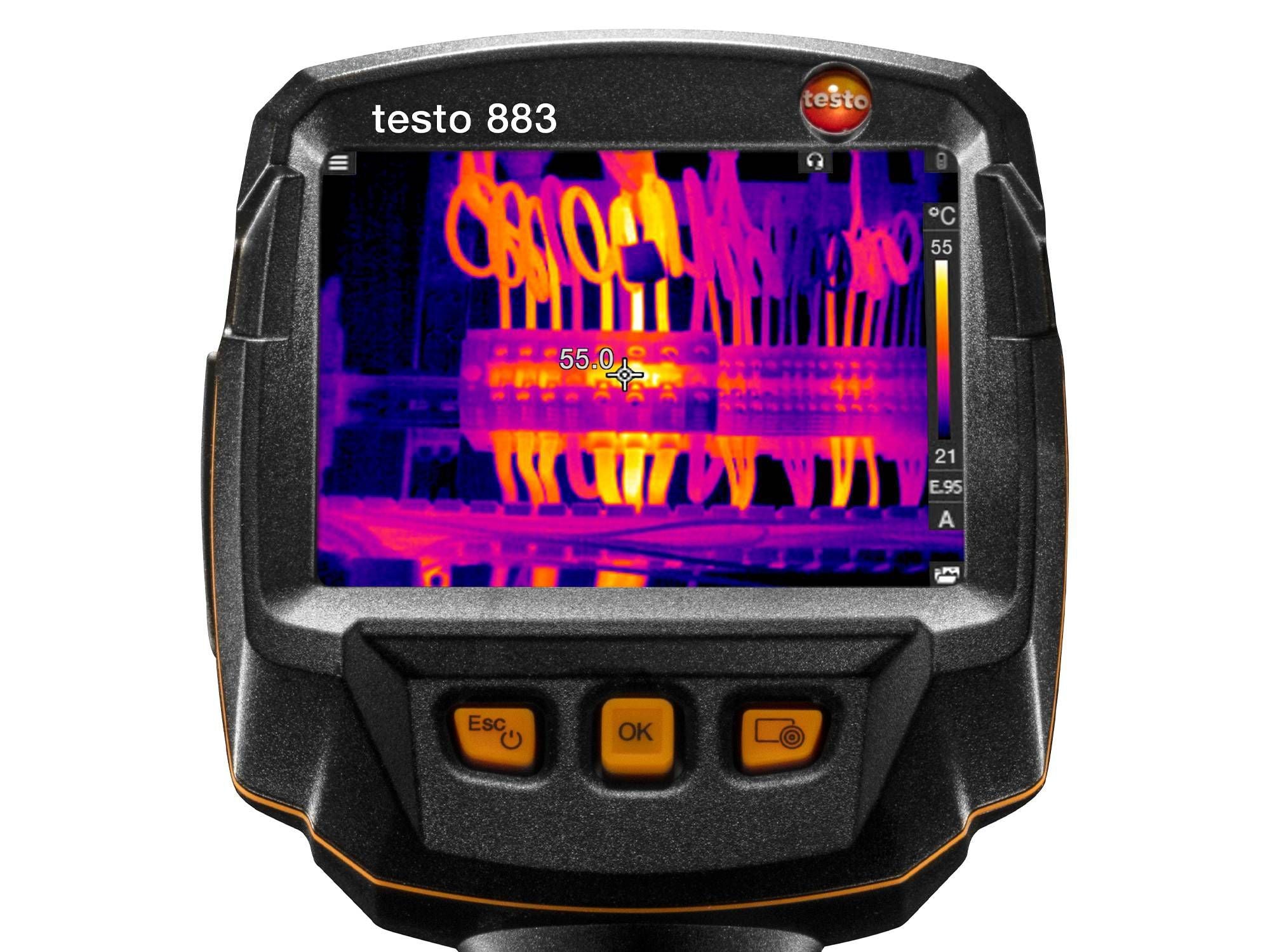
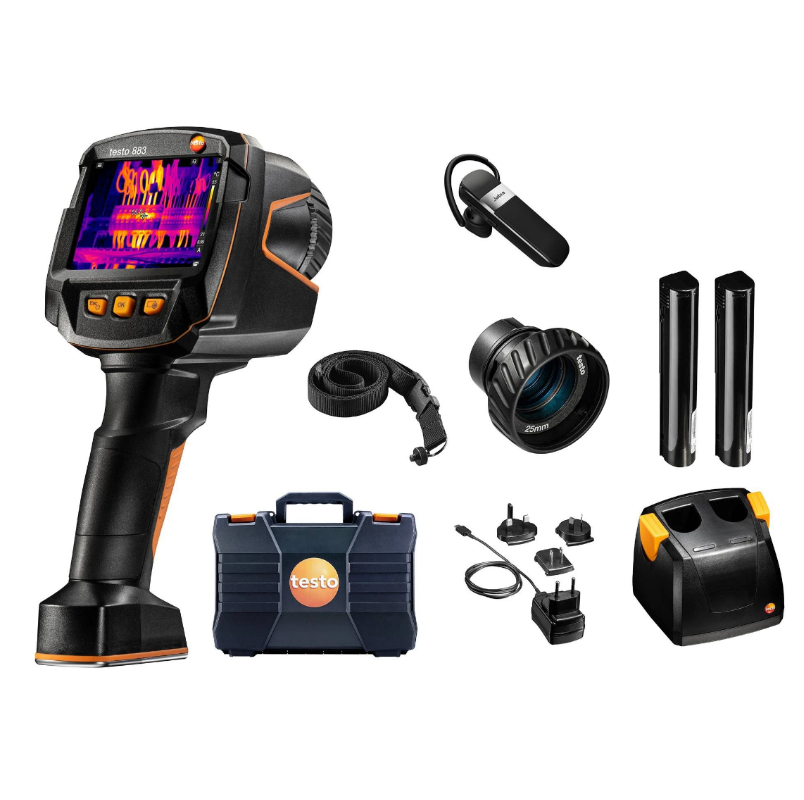
- Thermal Imaging Cameras — non-contact heat pattern checks on switchboards, motors and ductwork.
- Refrigerant Leak Detectors — confirm suspected leaks around joints, coils and pipe runs.
- Bluetooth Smart Tools — capture digital readings alongside inspection photos for professional reports.
- Test & Measurement Tools — multimeters, gauges, IAQ meters and more.
FAQs — HVAC Inspection Cameras
Do I really need a dedicated inspection camera for HVAC work?
If you regularly troubleshoot drains, ducts, roof spaces or wall cavities, yes. A borescope saves time, reduces invasive access holes and gives you visual proof for quotes and maintenance reports. Most technicians find it gets used on nearly every fault-finding job once they own one.
Can I use the Robinair OTC 3880X on air conditioning systems?
Yes. The 5.5 mm camera head, 36" snake and IP67 rating make it well suited to condensate drains, risers, coils and concealed pipework. Avoid forcing the probe around tight bends or into areas that could physically damage the camera.
Does using an inspection camera require an ARCtick licence?
Viewing inside a system with a camera does not, by itself, involve handling refrigerant. However, any work that could result in fluorocarbon refrigerant being emitted must be carried out by a person holding an appropriate Refrigerant Handling Licence under Australian regulations.
How does an inspection camera support efficiency and maintenance?
Seeing dirt on coils, sludge in drains or build-up on filters makes it easier to justify cleaning and document findings. Targeted cleaning based on visual evidence improves system efficiency and reduces the risk of damage from blocked drains or fouled coils.
Are there safety considerations when using inspection cameras in ceiling spaces?
Inspection cameras complement — but do not replace — your WHS controls. Follow the relevant confined space Codes of Practice and any site-specific requirements. Use the camera to reduce time in risky areas, but maintain your SWMS and lock-out/tag-out procedures.
Trust & Compliance
Author: HVAC Shop Content Engine AU — HVAC Content Specialist
Reviewed by: Licensed refrigeration & air conditioning technician (ARCtick)
HVACShop.com.au · ABN 98 351 143 900 · Phone 0412 333 115 · Email hvacshop.com.au@gmail.com
Sources:
- energy.gov.au — Australian Government energy efficiency resources
- Safe Work Australia — WHS guidance and confined space Codes of Practice
- Australian Refrigeration Council (ARCtick) — refrigerant handling licences and codes
- CHOICE — independent advice on cleaning and maintaining air conditioners