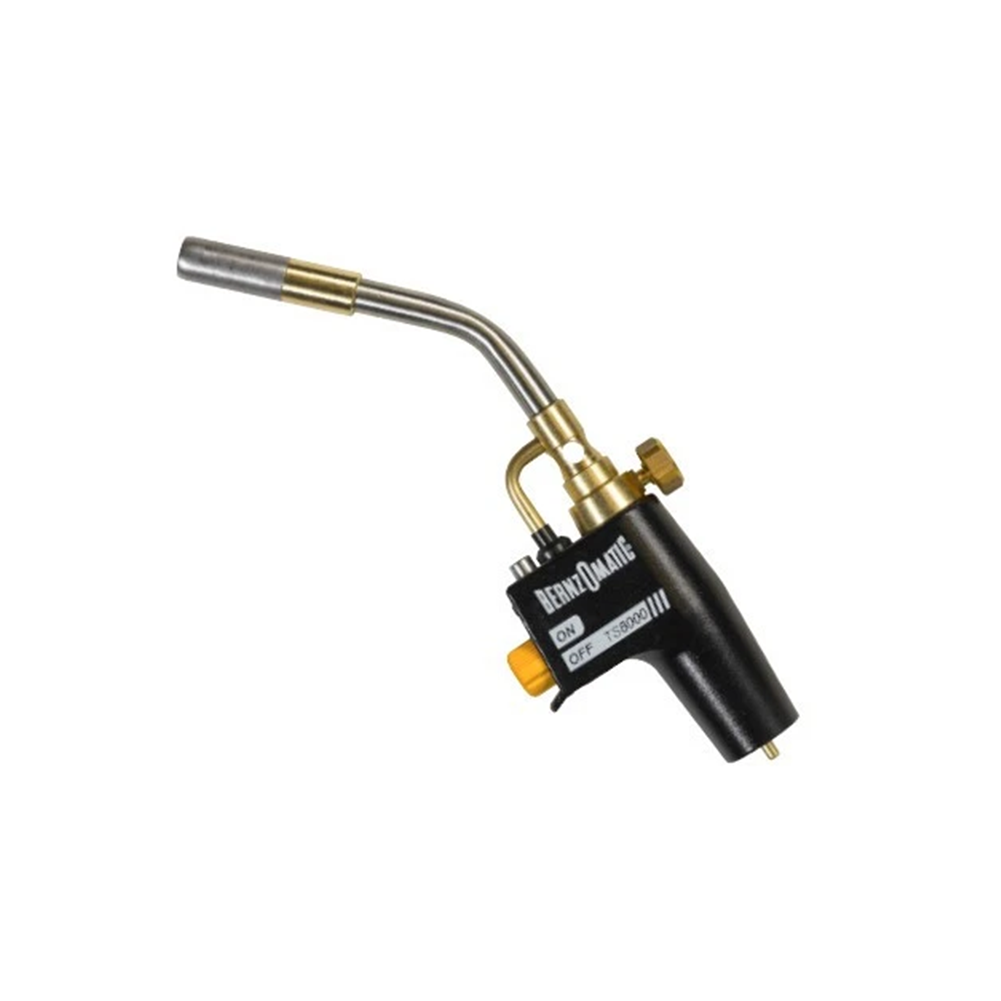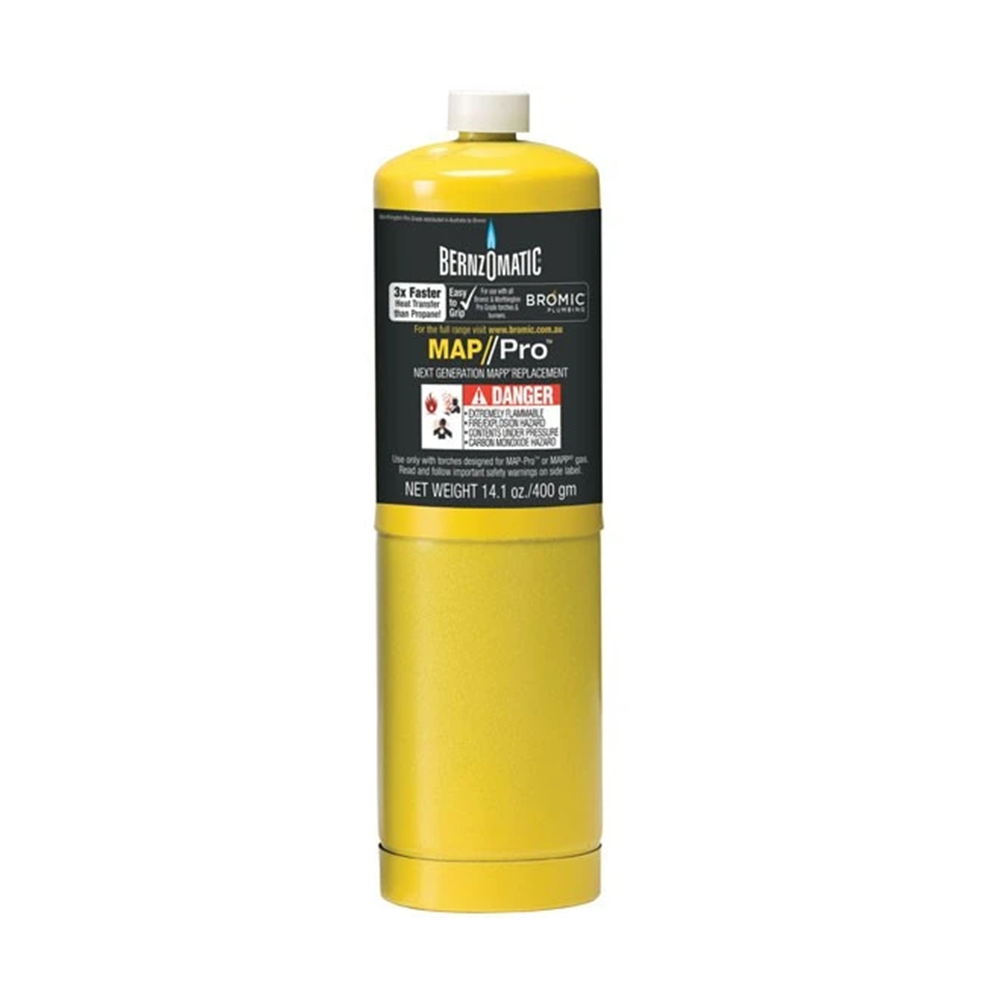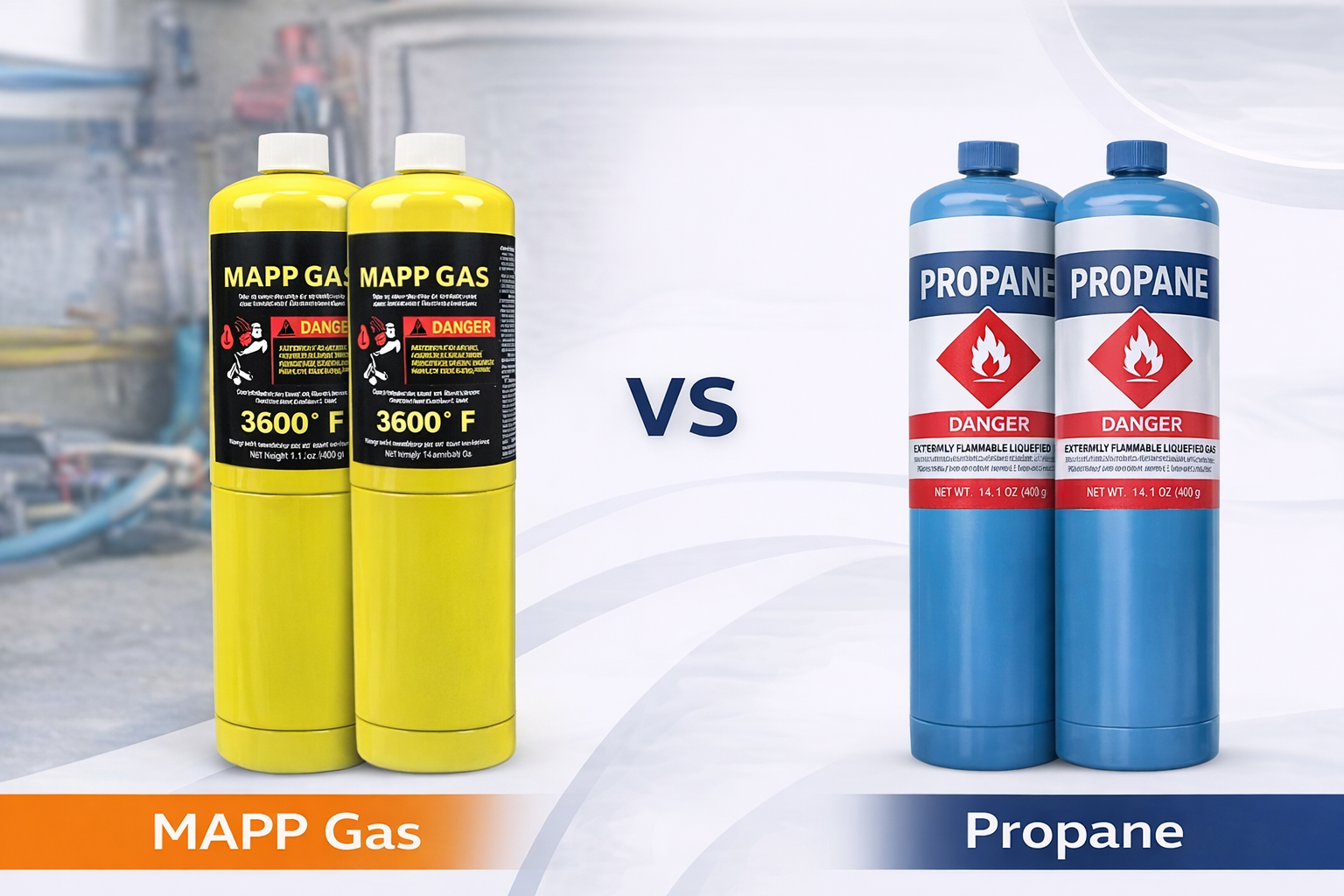
MAP-Pro (often called MAPP) torch gas cylinder used for HVAC brazing in Australia
MAP-Pro style torch fuel is commonly used for faster heat-up on HVAC copper brazing jobs.

Choosing Your Brazing Fuel

If you’re brazing copper lines, your fuel choice shows up fast. Not in the brochure. On the job. It shows up when the joint won’t come up to temp, when the wind keeps stealing heat, or when a thicker suction line feels like it’s soaking your flame like a sponge.

This is why “mapp gas vs propane” is such a common search for Aussie fridgies and HVAC tradies. You’re not chasing trivia. You’re trying to pick a setup that makes brazing easier to control, faster to finish, and less likely to turn into a call-back.

Propane is cheap and easy to find. MAPP (often sold today as MAP-Pro style torch fuel) costs more per bottle, but many techs say it “hits harder” on copper and feels quicker to work with.

The problem is, people often compare them the wrong way. They look at one number, like flame temperature, then assume the decision is done. In real HVAC work, the joint cares about heat transfer, time-to-temperature, and how steady you can keep the heat where you need it.

This guide gives you a clear, job-real comparison. We’ll cover what those commonly quoted temperatures mean, what changes on thin copper versus thick copper, how time savings can beat fuel cost, and when propane is genuinely enough.

We’ll keep it plain, practical, and Australian. No hype. No dodgy claims. If we use numbers, we’ll frame them as examples and tell you how to check your own setup.

If you want the bigger “hub” overview of what MAPP/MAP-Pro is today and how to confirm what you’re buying, this complete MAPP gas guide is a solid foundation to read alongside this comparison.

And if you’re building or refreshing your brazing kit, it helps to start in the right category so you’re not mixing parts that don’t suit each other. A quick browse of brazing fuel options can help you see the typical torch and fuel setups used for HVAC work in Australia.

Temperature: The Critical Difference

Let’s talk temperature, because it’s the headline everyone throws around.

The commonly quoted flame temperatures (in air) are around 2020°C for MAPP/MAP-Pro style torch fuel and around 1980°C for propane. On paper, that looks like a small gap.

So why do so many tradies feel a bigger difference on the job?

Because flame temperature is not the same thing as joint temperature. You don’t braze with a number. You braze by getting the copper tube and the fitting to the right working temperature so the filler flows cleanly.

That “40°C difference” matters most when the joint is working against you. Thick copper. Big fittings. Wind. Cold mornings. Tight clearances that make you nervous about heating for too long.

Copper is a brutal heat sink. The moment you put heat in, it drags it away. On a 1/4" liquid line, most setups feel easy. On a 7/8" suction line, you suddenly understand why heat transfer matters.

This is also where torch design becomes part of the fuel story. Two people can use the same fuel and get very different results because one torch delivers a stable, focused flame and the other is a bit soft, spread out, or inconsistent.

Time-to-temperature is the real “feel” on site. If the joint comes up to temp faster, you spend less time hovering. Less hovering usually means better control. Better control usually means cleaner flow, less oxidation risk, and less chance of cooking nearby insulation or materials while you wait.

On the flip side, a hotter fuel can punish poor technique. If you hold the flame too close and camp on one spot, you can overheat the outside while the inside is still not ready. That’s when filler runs in weird ways, you get a messy looking joint, or you damage things around the pipe.

The best way to think about temperature is simple. MAPP/MAP-Pro can help you reach the working zone faster. Propane can still do the job, but it may need more patience and better setup to get there cleanly on tougher joints.

Did You Know?

A lot of “MAPP gas” sold today is a MAP-Pro style torch fuel, not the original older formulation people talk about in training notes. For most HVAC work, what matters is how it performs on your copper sizes with your torch, not what nickname is used at the counter.

Brazing Performance Comparison

Now we get to what people really mean when they ask “mapp gas or propane?” They’re asking: which one gives me better brazing results with less mucking around?

To keep this job-focused, we’ll compare what changes in heat-up behaviour, joint control, and consistency across common copper sizes and common job situations.

One important note up front. Fuel is only one part of brazing performance. Prep, cleanliness, joint fit-up, nitrogen purge practices, and heat control all matter. But fuel choice can make that whole process feel easier or harder.

Real-world factor MAPP / MAP-Pro style fuel Propane What it looks like on HVAC jobs
Heat-up time Often faster to bring thicker copper and fittings into the working zone Often slower on heat-sink joints, windy rooftops, and cold starts Less waiting can mean better control and fewer “just keep heating it” bad habits
Thin copper (1/4") Works well, but can overshoot if you’re heavy-handed Works well and is often forgiving for small joints Both can do the job. Technique and flame control matter more than fuel here
Thick copper (7/8") Often feels stronger and more confident on big heat-sink joints Can feel like you’re waiting and waiting, especially with wind or big fittings This is where many techs say MAPP/MAP-Pro “wins” for speed and control
Joint quality and flow control Shorter heat window can help you get clean flow without cooking the area Longer heating can increase the chance of overheating one side while chasing temp If you keep hovering, you can oxidise and dirty the joint. Faster control helps
Consistency across many joints Often easier to repeat results when you’re doing multiple joints per day Can be fine, but fatigue and impatience can creep in on longer heat-up cycles Multi-joint efficiency is not just speed. It’s fewer mistakes late in the day

Let’s turn that table into real job scenarios, because “propane vs mapp brazing” is rarely decided at a desk.

Scenario one is the windy rooftop service call. On a coastal roof in Sydney air, wind strips heat away fast. Propane can still work, but you may find yourself hovering longer and fighting the joint. With MAP-Pro style fuel, many techs feel they can get the joint into the working zone faster, which reduces how long you’re heating near insulation and cable runs.

Scenario two is the thick suction line or a joint that’s tied into a big heat sink, like a chunky valve body or a heavy fitting. This is where propane often feels like it’s “nearly there” but slow. MAPP/MAP-Pro can help you get the joint ready sooner, which can improve flow and reduce the urge to push filler early.

Scenario three is the cramped ceiling space with tight clearances. Here, a long heat-up cycle is risky because the surrounding area warms up while you wait. A hotter fuel can shorten the time you need to apply heat, but only if you use it with control. In tight spaces, flame direction and distance matter more than ever.

In plain terms, MAPP/MAP-Pro often wins when heat-up time is the limiting factor. Propane is often enough when joint size is small and you have time to work carefully.

Pro Tip

If you want cleaner joints with either fuel, heat the base metal first, not the filler. When the tube and fitting are at the right temp, the filler should flow toward the heat. If you’re melting filler with the flame, you’re usually rushing the joint.

Cost Analysis: MAPP vs Propane Australia

Now for the part everyone argues about: cost.

Yes, propane is usually cheaper per cylinder than MAPP/MAP-Pro style fuel. But the real question is not “which bottle costs less?” The real question is “which one costs less per completed job when you include time?”

You’ll often hear tradies throw around ballpark figures like propane being around $15 a cylinder and MAPP/MAP-Pro being around $25 a cylinder. Treat those as rough, commonly cited examples only. Prices move by brand, city, retailer, and time of year, so you should always check current pricing for your area and your supplier.

What matters is how many brazed joints you get out of a cylinder and how much time you spend getting each joint up to temp.

Let’s do a safe way to think about it without pretending one number fits everyone.

If propane saves you $10 per cylinder but costs you an extra minute or two on each tougher joint, you can burn that “saving” quickly. On a day with ten joints that are slow to heat, that’s 10 to 20 minutes lost. Over a week, that becomes real labour time.

Break-even thinking is simple. If the more expensive fuel saves you enough time to cover the cost gap, it can be worth it. That time saving can also reduce fatigue and reduce the chances of a rushed joint late in the day.

Joints per cylinder is the other big variable. If you’re doing light work on small copper and you barely use the bottle, the cost gap may not matter much. If you’re doing installs with multiple joints per day, your fuel becomes part of your workflow cost.

One practical angle for contractors is supply stability. If you know you’re using MAP-Pro style fuel regularly, buying in volume can make planning easier and reduce emergency runs to find stock. A product like bulk MAP-Pro cylinders is the kind of option crews use when they want consistent supply rather than last-minute bottle hunting.

For annual cost thinking, the easiest method is to track your last month. How many cylinders did you use? How many brazed joints did you do? How many times did you feel stuck waiting for copper to heat? Then decide if you’re paying more for fuel or paying more in time.

In most real businesses, time is the bigger cost. But you should only pay extra when it actually buys you control, speed, or quality where you need it.

Tech Specs

Cost comparisons only make sense when you compare the same job type. If you mostly braze 1/4" and 3/8", propane can look great. If you often hit 5/8" and 7/8" and you’re doing multiple joints a day, time-to-temperature becomes the real cost driver.

When to Use MAPP Gas

This section answers the practical question: when is MAPP/MAP-Pro the better choice for HVAC work?

A good rule is to reach for MAPP/MAP-Pro when heat-up time is holding you back. That usually happens with larger diameter copper, multiple joints in a day, or conditions that steal heat like wind and cold starts.

Large copper sizes are the obvious one. Once you’re regularly brazing 5/8" and up, the heat sink effect is stronger. If you’re doing 7/8" suction lines on ducted and larger installs, faster heat-up can help you stay in control and reduce the temptation to rush filler.

Multiple joints per day is the next one. If you’re doing install work where you’re brazing again and again, a fuel that helps you get to the working zone quicker can improve your overall efficiency and consistency. That’s not about being a cowboy. It’s about reducing the time you spend hovering on every joint.

Time-critical installs are also a factor. If you’re working in a plant room shutdown window, or you’re trying to finish before the weather turns, you don’t want to be fighting slow heat-up on every joint. Faster heat-up can protect quality when time pressure is real.

Quality-focused work is the quiet reason many techs choose MAP-Pro style fuel. Cleaner, calmer brazing tends to produce better joints. Better joints tend to reduce leaks and call-backs. That’s worth more than a small fuel cost difference on many jobs.

If you’re looking for a straightforward product starting point for professional work, MAP-Pro gas for professional work is where many techs begin, because it keeps the selection simple and consistent.

And if you want a matched torch-and-fuel setup to avoid compatibility headaches, a kit like the high-intensity trigger-start torch kit can be a clean option because the torch and cylinder are designed to work together.

One final “when to use it” point. If you’re choosing MAPP/MAP-Pro because propane feels slow, also check your torch tip and flame shape. A weak setup can make any fuel feel average. A good setup makes the fuel choice matter more.

When Propane is Enough

Propane is not useless. It’s used everywhere for a reason. The key is knowing where it makes sense in HVAC work and where it becomes a frustration.

For small residential repairs, propane can be perfectly fine. If you’re doing light brazing on smaller copper, like 1/4" and 3/8", and you’re not fighting heavy heat sinks, propane can give you good results with good technique.

For occasional brazing work, propane can also be the right “value” choice. If you braze once in a while and you’re not regularly dealing with larger copper, paying extra for MAP-Pro style fuel may not buy you much.

Budget constraints matter too. Not every business wants higher running costs. If propane gets you consistent results on your normal jobs, that’s a valid decision. The mistake is using propane on work where it consistently slows you down and then blaming your hands when the setup is the real issue.

Propane can also suit softer heating tasks. Some techs use it for gentle heating and certain light soldering situations where the risk of overshooting is higher with a hotter fuel. The key is still control, prep, and working safely around nearby materials.

If you choose propane, you can improve outcomes by focusing on setup and technique. Shield from wind where possible. Keep flame distance consistent. Heat both tube and fitting evenly. Don’t chase one spot until it glows while the rest is cold. And don’t rush filler before the base metal is ready.

In other words, propane can work well when the joint is not a heavy heat sink and you have the patience to heat properly. When those conditions don’t exist, that’s when the “mapp gas versus propane” decision usually tips the other way.

Australian Climate Considerations

Australia adds its own twist to this debate. We don’t braze in perfect lab conditions. We braze in heat, wind, humidity, and cold snaps, often on roofs and in tight spaces.

Hot weather is a mixed bag. In Darwin and Brisbane, cylinders can sit in hot vans and roof spaces, and you can feel the whole job getting harder because you’re cooking as well as the copper. Some techs like faster heat-up in these conditions because it shortens the time spent applying heat near insulation and timber. Others prefer the calmer pace of propane on smaller work to reduce the risk of overheating a tight area.

Cold weather starts are where propane can feel slow. Melbourne winter mornings, or early starts in colder regions, can make copper feel stubborn. The joint steals heat fast, and wind makes it worse. This is one reason many techs lean toward MAP-Pro style fuel for “tougher days”, because it can help you reach a clean working temp sooner.

Humidity doesn’t change the fuel as much as it changes the job feel. Brisbane humidity can make you tired faster, and fatigue leads to rushed joints. A setup that reduces hovering time can reduce fatigue, which can improve consistency across the day.

Storage is also part of the Australian reality. Cylinders in vans get hot. Threads get knocked around. Valves get dusty. If your cylinder and torch connection is damaged, you can end up with leaks or poor flame behaviour regardless of fuel type.

Whatever you run, keep storage sensible. Don’t let cylinders roll around loose. Don’t cook them for months in direct heat. Keep threads protected. And if a connection feels wrong, treat it as a stop, not a “she’ll be right”.

For general workplace guidance and risk controls around gas storage and safe handling, check workplace safety requirements and follow your site rules. It’s not about paperwork. It’s about reducing the chance of a bad day caused by a simple oversight.

If you want a broader view of gear choices that suit Australian conditions, this guide on tools for Australian conditions is a handy reminder that consistency and reliability matter as much as raw specs.

Make Your Fuel Choice

So what’s the best gas for HVAC brazing?

The honest answer is: it depends on your common copper sizes, how often you braze, and how much time pressure you work under. But you can still make a clear decision without overthinking it.

If you mostly do small copper and occasional joints, propane can be enough. If you often hit larger copper like 5/8" and up, do multiple joints a day, or work in conditions that steal heat, MAP-Pro style fuel often makes the job feel easier to control.

Here’s a simple decision matrix you can use with your own workflow. It’s not a rulebook. It’s a quick way to match fuel to your most common jobs.

Your common situation Usually the better pick Why
Mostly 1/4" to 3/8" copper, occasional brazing Propane Good value and forgiving when joints are small and heat-up is easy
Regular 5/8" and 7/8" work, bigger fittings, heat sinks MAPP / MAP-Pro Faster time-to-temperature helps you stay in control on tougher joints
Windy rooftops and cold morning starts MAPP / MAP-Pro Heat loss is higher, so extra heat transfer can reduce hovering time
Tight ceiling spaces where heating time is a safety concern Depends on your control Hotter fuel can shorten time, but only if you manage flame distance and direction well

If you want the shortest summary possible, it’s this. Propane is often fine for light, occasional work. MAP-Pro style fuel is often the better choice when thicker copper and repeat joints make time-to-temperature the problem.

If you’re ready to build a consistent setup, the simplest next step is to choose a torch and fuel system that suits your normal copper sizes and the way you work. You can browse and compare options in the shop MAPP gas torches collection and keep your kit consistent across jobs.

If you’re still unsure, that’s normal. Two techs can do the same job with different gear and both be right, because their job mix and habits are different. If you want a simple sanity check for your situation, talk to our team to confirm compatibility or contact us for a quote based on your typical copper sizes and how often you braze.

FAQ: MAPP Gas vs Propane

Is MAPP gas hotter than propane?

They’re commonly quoted at about 2020°C in air for MAPP/MAP-Pro and about 1980°C in air for propane, but the bigger job difference is usually time-to-temperature and heat transfer at the joint.

Why does MAP-Pro often feel faster on bigger copper?

Bigger copper and heavy fittings pull heat away fast. If you can get the tube and fitting into the working zone sooner, you spend less time hovering and you can control filler flow more cleanly.

When should I use MAP-Pro for HVAC brazing?

It’s commonly most useful when heat-up time is holding you back: larger copper sizes, multiple joints per day, windy rooftops, cold starts, and time-critical work windows.

When is propane enough?

Propane can be enough for smaller copper sizes and occasional brazing where heat-up is easy and you can work patiently with good wind control and steady base-metal heating.

Is modern “MAPP gas” the same as the old formulation?

Often no. Many products sold as “MAPP” today are MAP-Pro style torch fuels. If it matters for site rules or documentation, confirm the exact cylinder label and SDS for the product you’re using.

Brazing fuel comparisonCopper brazingGas torchHvac australiaHvac brazingMap-pro gasMapp gasPropaneRefrigeration toolsTradie tips

Blog posts

View all

Brazing with MAPP Gas

brazing copperRica Francia Macaspac

A clean braze joint should be boring — no leaks, no call-backs. This guide shows Aussie HVAC techs how to braze copper with MAP-Pro/MAPP gas properly, including torch control, flux and rod basics, nitrogen purging, common mistakes, and inspection/testing for reliable refrigerant line joints.

MAPP Gas Torches Guide

Bernzomatic torchRica Francia Macaspac

Choosing a MAPP gas torch shouldn’t be guesswork. This guide breaks down torch compatibility, common torch head types (swirl, pencil, turbo), and the features that matter on real Aussie HVAC jobs. Learn how to pick the right kit, avoid wrong-bottle headaches, and get a steadier flame for cleaner brazing results.

MAPP Gas vs Propane for HVAC Brazing in Australia

Brazing Fuel ComparisonRica Francia Macaspac

MAPP (often sold as MAP-Pro) and propane can both braze copper, but they behave differently on real HVAC jobs. This guide breaks down the temperature talk, the real “time-to-temperature” difference, and when paying more for MAP-Pro saves you time and improves joint control—especially on thicker suction lines and windy rooftops.

MAPP Gas Complete Guide

Bluetooth HVAC Tools AustraliaRica Francia Macaspac

MAPP gas (often sold today as MAP-Pro) can make copper brazing feel faster and more controlled on real Aussie HVAC jobs—especially on thicker lines, windy rooftops, and tight ceiling spaces. This guide breaks down what “MAPP” means now, how to confirm what you’re actually buying (label, SDS, thread), when propane still makes sense, and the cylinder/torch compatibility checks that prevent leaks, cross-threading, and call-backs.

Anemometer Applications in HVAC: Commissioning, Balancing & Troubleshooting in Australia

air balancingRica Francia Macaspac

Stop using your anemometer as a “quick check” tool. This practical guide shows the most valuable anemometer applications for HVAC: commissioning, balancing, troubleshooting airflow faults, and specialised Australian use-cases like cleanrooms, fume hoods, labs, and VAV systems—plus how to fix common reading and accuracy issues fast.

Smart Anemometers Guide

airflow testingRica Francia Macaspac

Smart wireless anemometers turn airflow testing into a cleaner, faster workflow. Instead of scribbling numbers and hoping they make sense later, you can view live readings on your phone, log results automatically, add photos and job notes, and export a neat report for customers or commissioning handover. This guide breaks down how smart anemometers work, what to look for in apps, how Testo and Fieldpiece ecosystems compare, and how to get reliable Bluetooth performance on real Aussie sites—from humid Brisbane roof spaces to coastal Sydney plant rooms and Melbourne winter call-outs.