
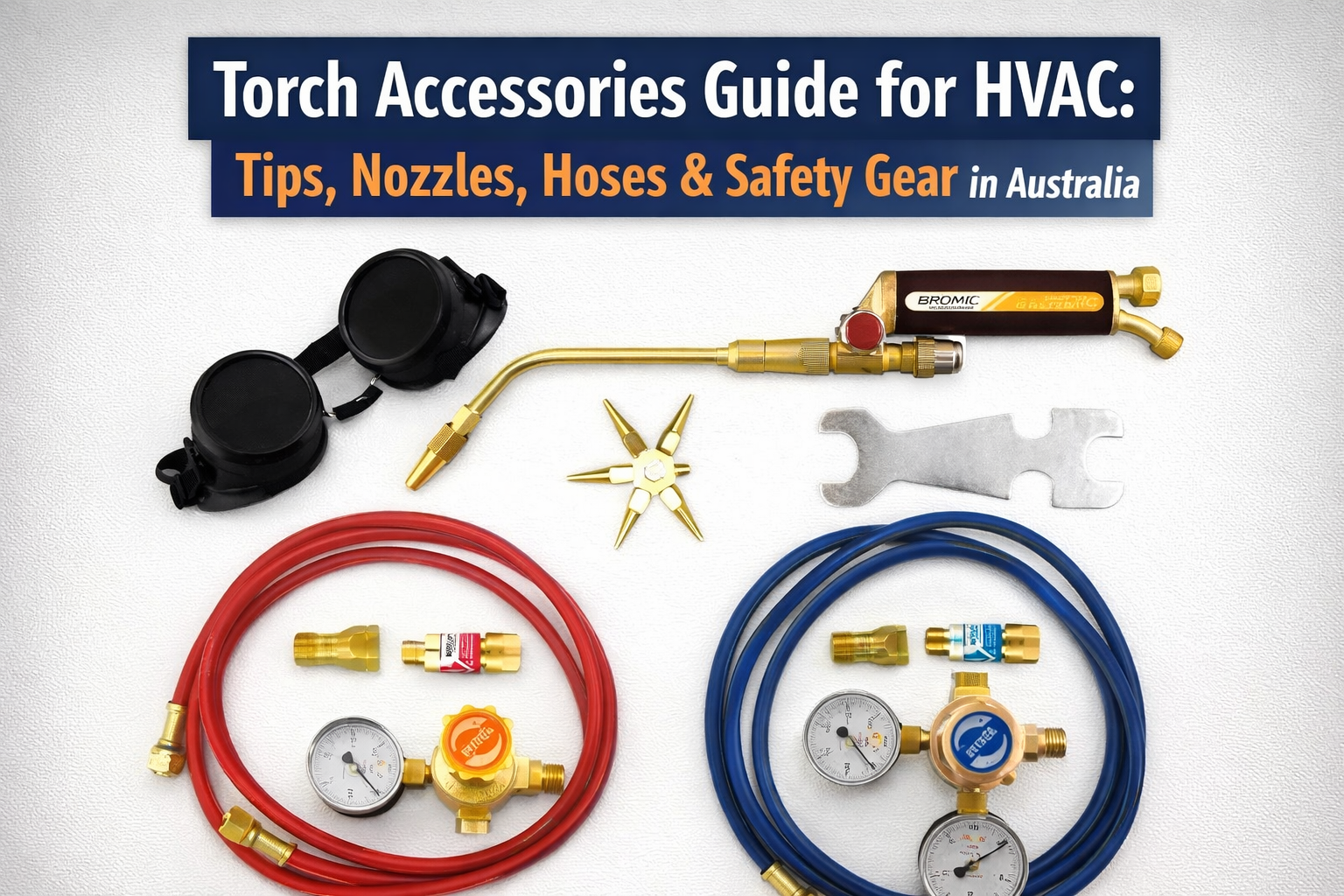
Right Parts Better Performance
A good HVAC torch is only half the story. The other half is the add-ons that make it work better, safer, and faster. That is what torch accessories are really about. They turn a basic flame into a tool you can trust on real jobs.
If you have ever fought a slow heat-up on copper, scorched insulation near a fitting, or watched gas disappear while you wait for a joint to come up to temperature, you have felt what “wrong accessories” looks like. Most of the time it is not the fuel. It is the tip, the head style, the hose setup, or a connection that is not sealing cleanly.

This guide is for Aussie tradies who want to optimise their hot work setup without guessing. We will break down torch tips and nozzles, torch head types, hoses and fittings, ignition gear, storage solutions, and the safety accessories that stop small mistakes turning into big problems.
If you want the foundation first, start with heating torch basics. It gives you the big picture so the accessories in this guide make sense, especially if you are upgrading from a basic torch to something more job-ready.
And if you are already looking at what to add to your kit, browsing quality torch equipment can help you match accessories to the torch styles that are common in Australian HVAC work.
We will keep this practical. No fluff. No made-up specs. Just the parts that matter, why they matter, and how to choose the right ones for your day-to-day jobs in Brisbane humidity, Sydney coastal air, and Melbourne cold snaps.
Torch Tips and Nozzles Explained
When people search “torch tips and nozzles”, they are usually chasing one thing: better heat control. Tips and nozzles change flame shape, heat spread, and how quickly the joint gets into the working zone.
In HVAC, that can be the difference between a clean braze and a joint that looks finished but leaks later. It can also be the difference between calm work and a rush job where you keep turning the flame up because it feels slow.
Swirl flame tips (fast heating)
A swirl flame tip is designed to wrap heat around the fitting. Instead of a narrow flame that hits one point, the swirl pattern spreads heat more evenly around the joint area.
This style is often chosen when you want quicker heat soak into a fitting, especially when the fitting has more mass than the tube. It can feel more forgiving because you are less likely to overheat one small spot while the other side stays cold.
On real jobs, swirl tips are popular for general brazing because they help you heat the fitting and tube together. That is what encourages good flow and reduces the “one side cooked, one side cold” problem that causes weak joints.
Pencil flame tips (precision)
A pencil flame tip is narrow and direct. It is built for precision work in tight spaces, like plant rooms, behind duct, or when you are working near sensitive materials and you need to keep heat away from a specific area.
Pencil flames are great when you have clear access to the joint and you want to aim heat exactly where it needs to go. The downside is that precision also means you must move the flame correctly. If you sit in one spot, you can overheat one side of a fitting fast.
This is where the “swirl flame vs pencil torch” choice becomes real. Swirl helps spread heat around the fitting. Pencil helps aim heat into a tight gap. Neither is always better. The right pick depends on access, joint mass, and how much control you need near insulation, paint, wiring, or plastic trunking.
Turbo tips (maximum heat)
Turbo tips are designed to push higher heat density. People use them when they need more heat at the joint without changing the whole system.
On HVAC work, turbo tips can be useful on larger copper and heavier fittings where the job feels slow. They can reduce time-to-temperature, especially when the fitting is acting like a heat sink.
But turbo heat also increases risk. If you are near insulation, timber, paint, or plastic components, high heat can turn a normal braze into a damage event. If you upgrade to turbo heat, you also need to upgrade your discipline: heat placement, flame movement, and protection around the joint.
Pro Tip
If a joint feels “slow”, don’t crank the flame first. Check tip style, check airflow, and check your heating pattern. A swirl tip or a better head choice often fixes slow heat without making the job hotter and riskier.
Universal vs dedicated tips
Some tips are designed to fit a range of torch heads. Others are dedicated to a specific system. The temptation is to chase “universal” so you can mix and match.
In practice, dedicated tips usually give more predictable performance because the airflow and fuel mix are designed to match the head. Universal tips can still work, but you need to confirm fit and function. A tip that “fits” but performs poorly will waste gas and time.
When you are unsure, look for clear compatibility notes from the supplier and check how the tip seats, seals, and locks onto the head. If the connection feels sloppy, it is a red flag. Sloppy fit can also create small leaks that change flame behaviour.
Tip size selection
Tip size selection should follow the job, not the ego. Bigger is not always better. A tip that is too large can overheat fittings and make control harder, especially on smaller copper like 1/4 inch and 3/8 inch lines.
On the other hand, a tip that is too small can make you heat for too long, which still cooks the area. It just does it slowly. The aim is steady heat that brings the whole joint up evenly.
A practical method is to match tip style and size to your most common copper sizes. If most of your work is line sets and small to medium fittings, choose tips that give you control there first. If you occasionally do bigger work, add a “bigger joint” tip later, rather than building your whole setup around the biggest job you do twice a month.
Australian availability
Availability matters. A tip that is perfect on paper is not helpful if you cannot replace it quickly. This is why many Aussie techs prefer systems with reliable local support and easy-to-source spare tips.
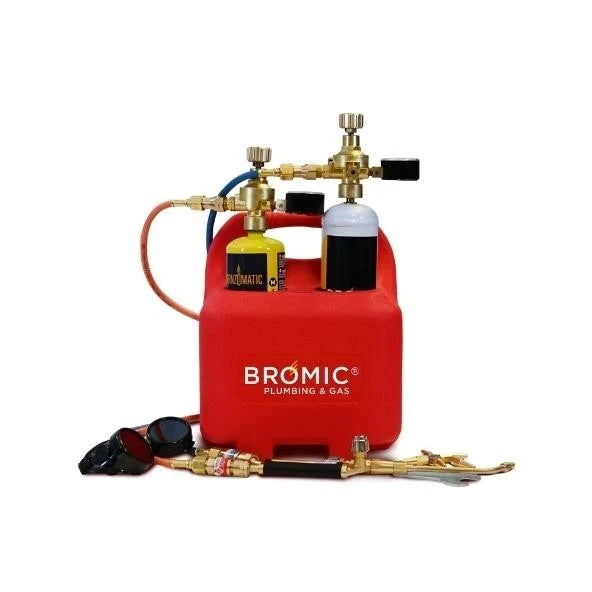
If you want an example of a setup designed to cover multiple job types, kits like Bromic Oxyset with multiple tips show how a single system can support different flame styles depending on the work.
It also helps to keep a small spares plan. When a tip gets damaged or blocked on a job, having the right replacement on hand is faster than forcing a bad tool through a critical joint.
The goal is not “more tips”. The goal is the right tips for the joints you do most, plus one or two smart extras that stop you being stuck when a job is heavier than usual.
Torch Head Types for HVAC Work
When someone says “torch head types”, they are usually talking about flame pattern and heat output behaviour. The head is what shapes the flame and decides how heat lands on copper.
Because different manufacturers rate output differently, and because output varies by model and setup, the most honest way to compare is by flame pattern and relative heat density. If you need exact figures for a particular job, confirm them on the specific model you are buying.
Tech Specs
“BTU output” varies by torch head model, fuel type, and gas flow. Use the table below as a practical guide to relative output and flame behaviour, then confirm the exact model’s rating if you need a specific number for a job or a safety procedure.
| Head type | Flame pattern | Relative output (BTU varies by model) | Best for HVAC use |
|---|---|---|---|
| Swirl head | Wide wrap-around heat | Medium to high | Faster heat soak, thicker fittings, even heating around copper joints |
| Pencil head | Narrow precise flame | Low to medium | Tight spaces, precise heating, work near sensitive materials |
| Turbo head | Concentrated high heat | High | Larger copper, heavier joints, faster time-to-temperature when control is strong |
| Standard head | General-purpose flame | Low to medium | All-round use, light heating tasks, general site work |
When you choose a head type, think about the most common problem you face. If you constantly struggle to heat fittings evenly, swirl heads often help. If you are regularly in tight spaces near insulation and wiring, pencil heads are safer. If your work includes heavier joints that keep slowing you down, turbo heads can help, as long as your heat control is solid.
Head choice also ties into your fuel setup. A head that works beautifully on one fuel can feel different on another, because flame behaviour changes with fuel mix and airflow. That is why head selection should be treated as a system decision, not a random add-on.
If you want your torch to feel consistent across jobs, aim for one “daily driver” head that suits most work, then add a second head for your common pain point. For many techs, that is a swirl head for general copper work plus a pencil head for tight access. For heavier commercial work, the second head is often turbo style, paired with stronger protection habits.
Torch Hoses Regulators and Fittings
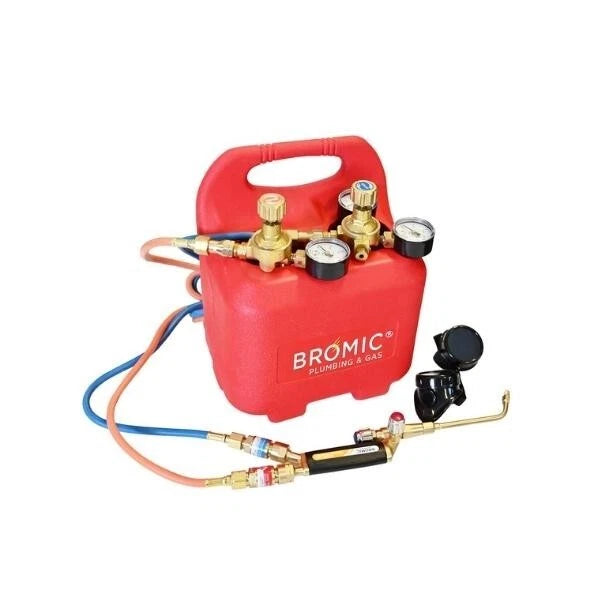
Hoses, regulators, and fittings are the connection layer. They decide whether gas flow is stable, whether pressure is controlled, and whether the setup stays safe under real conditions.
When people search “torch hoses and fittings” or “torch regulator attachment”, they are often dealing with one of these problems: leaks at connections, inconsistent flame behaviour, or a setup that is not matched to the torch and cylinders.
Fuel hoses and lengths
Fuel hoses are not just hoses. Length changes how you move on the job. Too short and you fight your position. Too long and you create trip hazards and messy van storage.
For HVAC work, the right hose length is the one that lets you keep the flame steady while you move around the joint, without pulling on the torch or dragging the cylinder into awkward places.
In practice, techs often choose a length that suits their most common work area. Plant rooms may need a different setup than rooftop work. Residential backyards may need a different setup than a shop back-of-house.
Oxygen hoses for oxy-fuel
If you use oxy-fuel gear, oxygen hoses add another layer of risk and responsibility. Oxygen changes how materials behave around flame and contamination. That is why hose condition matters. Cracks, wear, and damaged fittings are not “minor” on oxygen systems.
Keep hoses protected from abrasion, store them clean, and avoid heat exposure during transport. A hose that lives under heavy tools in the van will not stay healthy for long.
Regulators and pressure control
Regulators control flow and pressure. If pressure control is poor, flame control becomes poor. That can lead to overheating, unstable flames, and inconsistent heating results.
A practical rule is to keep regulators matched to the fuel and the system. Do not force mismatched components together with adapters unless you are confident they are designed to work safely in that configuration.
If you are unsure about a regulator attachment, the safest habit is to confirm compatibility before you use it on a live job. A clean setup is faster than fixing a mess later, and it helps avoid “mystery flame” issues that waste gas and time.
Flashback arrestors (safety critical)
Flashback arrestors are a safety accessory, not a “nice extra”. On oxy-fuel setups, they help reduce the risk of flashback travelling back into hoses and cylinders.
The practical takeaway is simple: if your system uses oxygen and fuel gas lines, treat safety hardware as part of the system, not optional. If you do not know whether your setup needs flashback protection, that is a sign you should pause and check before you proceed.
Quick-connect fittings
Quick-connect fittings can speed up setup and pack-down. They can also reduce wear on threads if you are constantly connecting and disconnecting.
But quick-connects must be chosen carefully. Poor quality quick-connects can introduce leaks and pressure drops. If you use them, do regular leak checks and keep the couplers clean. Grit and damage are the enemies.
Thread adapters
Thread adapters are common because not every cylinder and torch uses the same connection. The risk is forcing compatibility without understanding what you are changing.
Adapters should be treated as engineered parts. They are not meant to be “close enough”. If an adapter is not seating cleanly, do not keep tightening. That is how seals get damaged and leaks start.
Did You Know?
A lot of “bad torch performance” issues are really small leaks. A tiny leak can drop effective flow, change flame shape, and waste gas. Clean threads and good seals often restore performance without changing anything else.
Hoses and fittings also take a beating in Australian conditions. Brisbane humidity can accelerate corrosion on cheap metal parts. Sydney coastal air can do the same. WA dust can grind into threads and seals. Keeping components clean and stored properly is a performance upgrade, not just a tidy habit.
If your flame has become unpredictable, do not jump straight to “new torch”. Check connections first. Most of the time, it is a sealing issue, thread damage, or a regulator problem that is changing your flow.
Ignition Accessories
Ignition accessories are about reliability and control. A torch that lights cleanly helps you keep a calm workflow. A torch that misfires or takes multiple attempts pushes people into bad habits, like opening the valve too far or trying to ignite in awkward ways.
This is why “torch striker igniter” searches are common. People don’t want fancy. They want reliable ignition that works on a roof, in a plant room, and in a tight residential space without drama.
Trigger-start mechanisms
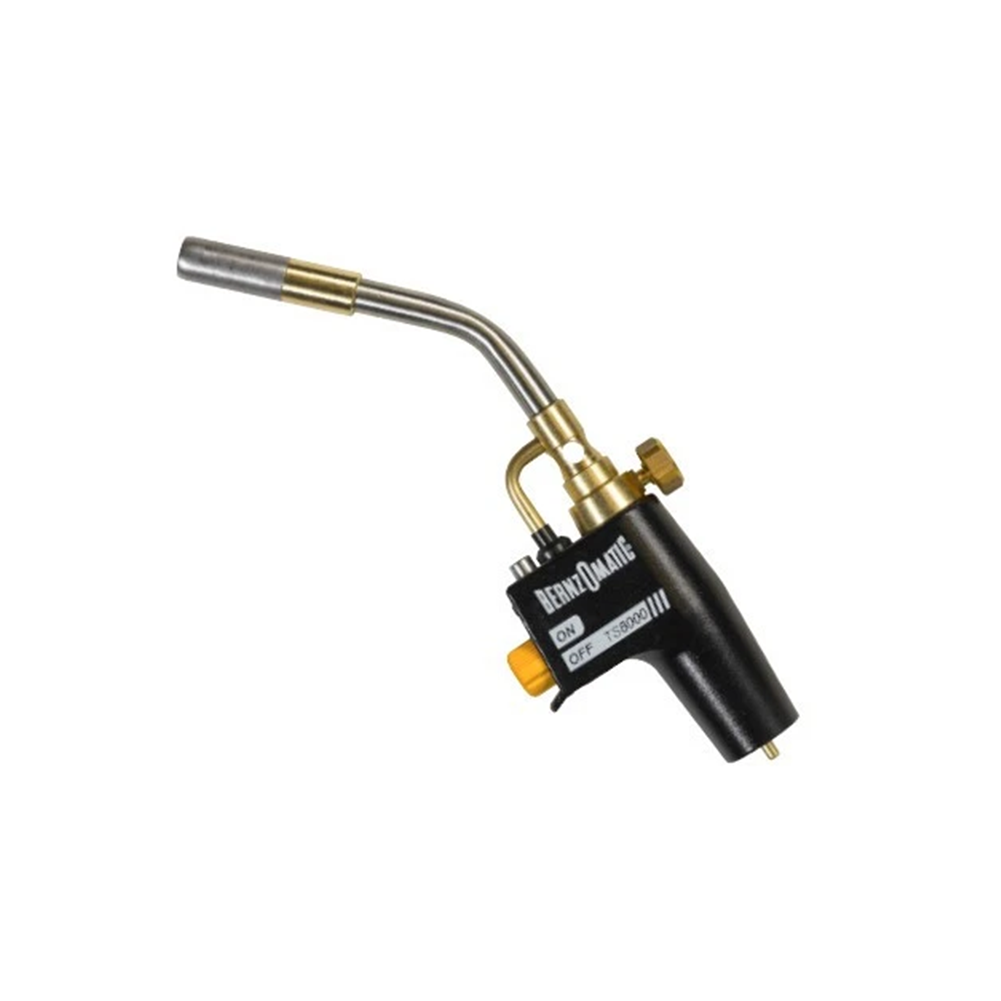
Trigger-start systems combine ignition and gas control into one action. That can speed up stop-start work and reduce the amount of time you are holding a torch with gas flowing while you reach for another tool.
Trigger-start also helps with consistency. If ignition is repeatable, you can keep the flame where you want it, rather than cracking the valve wide open just to make lighting easier.
Piezo spark igniters
Piezo igniters use a mechanical spark. They are common on many torch heads and are simple to use. Over time, they can wear, get dirty, or lose spark strength.
If your piezo becomes unreliable, do not ignore it. Unreliable ignition leads to repeated attempts, and repeated attempts can lead to unsafe habits. Clean and check the ignition point first. If it is still failing, replacement is usually the smarter move.
Flint strikers
Flint strikers are the classic backup. They are simple and they work even when a built-in igniter fails. That is why many tradies keep one in the kit, even if their torch is trigger-start.
A striker is also handy when you want to ignite at a controlled distance rather than right at the torch head. That can help in awkward positions where you want clear sight of the gas flow and ignition point.
Battery igniters
Some ignition systems use batteries. They can work well, but they add one more thing that can fail at the wrong time. If you use battery ignition, treat it like any other tool. Carry spare batteries and check function before you start a job where ignition failure would slow you down.
Maintenance and replacement
Ignition problems often come down to simple maintenance. Keep the ignition area clean. Keep the torch head free of grime and dust. Check that moving parts are not sticking.
If ignition is still unreliable after cleaning, replacement is usually the safer option. A worn igniter rarely “fixes itself”, and unreliable ignition changes behaviour on site in ways that increase risk.
Australian electrical standards
If you are dealing with any ignition accessory that uses electrical components, follow the manufacturer instructions and keep handling aligned with Australian electrical standards and site rules. The goal is simple: ignition should be predictable, controlled, and safe in the environment you are working in.
If you want a broader look at how torches are designed to behave and what features matter in real use, our guide on torch operation features is a useful read. Even if you are not running MAP-Pro fuel, the habits around flame control, lighting, and shutdown are the same.
One last practical note: ignition accessories are small, but they affect everything. A reliable light-up routine keeps your day calm. A frustrating ignition routine makes people rush, and rushing is where mistakes happen.
Storage and Transport Accessories
Storage accessories sound boring until you lose time every day because your setup is a mess. Or until a torch gets damaged in the van and starts leaking. Good storage and transport solutions protect your gear and make your workflow smoother.

Torch carrying cases
A torch carrying case protects the head, the igniter, and the connection threads. It also keeps grime and dust off seals, which helps prevent leaks and poor flame behaviour.
For techs who move between sites, a case reduces the chance of damage when gear is thrown in the van after a long day. It also makes pack-down faster because everything has a home.
Cylinder caddies and racks
Cylinder caddies and racks stop cylinders rolling around. That matters for safety and for gear condition. Loose cylinders can damage threads, crack fittings, and create slow leaks that waste fuel over time.
On rough roads or remote site travel, stable storage becomes even more important. What survives a city commute may not survive regular regional driving if it is not secured properly.
Heat-resistant tool bags
Heat-resistant tool bags help when gear is warm after use. They reduce the chance of heat transfer to other tools and materials in the van. They also help keep torch gear separate from moisture and grime.
This is especially useful in Brisbane humidity where damp tools and storage can become a corrosion problem quickly. Dry storage is a longevity upgrade.
Van organisation systems
Van organisation is a performance upgrade. When you can grab the right tip, the right striker, and the right safety accessory without digging, your work stays calm and you make fewer mistakes.
A tidy system also helps apprentices and teams. If everyone knows where spares live, you get fewer delays and fewer rushed setups.
Rooftop carry solutions
Rooftop work changes everything. You want a carry solution that keeps hands free, protects the torch head, and prevents cylinders and accessories from banging into each other as you climb ladders or move across roof surfaces.
On windy roofs in Sydney coastal air, stable carry and pack-down habits also reduce the risk of gear being knocked over or damaged.
Australian work conditions
Australia is hard on tools. Coastal air corrodes. Dust gets into threads. Heat dries seals. Cold mornings make plastics brittle. Storage accessories are not just about neatness. They help your torch accessories last longer and perform better.
If you want to see broader gear that supports torch work and storage, our welding accessories and storage category gives you useful context around how tradies build a complete hot work kit for day-to-day use.
Good storage also reduces the most common “mystery faults” like blocked tips, damaged seals, and threads that feel rough because grit has been ground into them.
Safety Accessories for Torch Work
Safety accessories are the parts that stop hot work turning into a near miss. In HVAC, torch work often happens around insulation, timber framing, wiring, paint, and dusty plant rooms. That means you must plan for what can go wrong, not just what should go right.
People search “torch safety accessories” because they have either seen a close call or they are trying to avoid one. Both are good reasons to take this seriously.
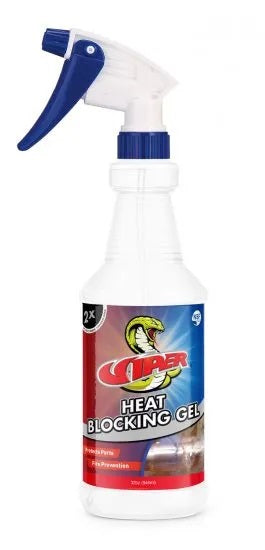
Heat-blocking gel (Viper products)
Heat-blocking gel is designed to protect nearby materials from heat exposure. It can be useful when you must braze near sensitive surfaces or when you need to limit heat spread.
The key is to use it as part of a plan. Gel does not replace good heat placement. It supports it. You still need to move the flame correctly and protect the area properly.
On tight residential installs, gel can be the difference between a clean finish and a scorched wall cavity edge. On commercial work, it can help protect cables and insulation that you cannot easily move.
Heat shields and blankets
Heat shields and blankets create a physical barrier between your flame and nearby materials. They are one of the simplest ways to reduce risk on site.
They are also useful in windy conditions. A shield can reduce airflow across the joint, which helps keep heat where you need it and can make the job faster and cleaner.
Safety glasses
Eye protection is non-negotiable. Hot work can throw small particles, flux spatter, and bright glare. Safety glasses protect you from the stuff you never see coming until it is too late.
Fire-resistant gloves
Good gloves do two jobs. They protect from heat, and they help you keep control. A glove that slips or feels bulky can cause mistakes. A glove that protects while still letting you hold tools properly is the better choice.
Fire extinguisher proximity
One of the most practical safety accessories is not fancy at all. It is knowing where the extinguisher is and keeping it within reach when you do hot work.
On commercial sites, this is often part of the work method statement. On residential work, it is still worth being disciplined. Fires start fast when insulation or dust catches.
WorkSafe requirements
Hot work sits under broader workplace safety expectations. A simple way to stay aligned is to follow workplace safety requirements around safe work practices and hazard control. It helps keep your process consistent across sites and reduces risk when conditions change.
If you want torch-specific habits that suit trade work, our guide on torch safety best practices is a strong companion. It focuses on the everyday routines that prevent most incidents, not just theory.
Common safety mistakes (and how accessories fix them)
A common mistake is thinking a quick braze does not need protection. That is when insulation gets scorched or a nearby timber edge gets heat damage. Heat shields and gel are cheap compared to the damage they prevent.
Another mistake is treating ignition and fuel connections as “good enough”. A small leak can create an unsafe working area and can change flame behaviour. Keeping seals, fittings, and spare parts on hand is a safety move, not just a convenience.
Safety accessories also reduce stress. When you know the area is protected and the setup is stable, you work better, you rush less, and your joints are cleaner.
Upgrade Your Torch Setup
Torch accessories for HVAC are not about collecting parts. They are about building a setup that matches your work and stays reliable across real Australian conditions.
If you want the essentials, start with the items that change performance the most. That usually means the right torch tips and nozzles for your common joints, a head type that matches your access and copper sizes, and clean, reliable connection components that keep flame behaviour stable.
A practical “starter kit” approach is to choose one general-purpose tip and head style for your everyday work, then add one precision option for tight access and one higher-heat option for heavier joints. That gives you coverage without turning the van into a parts drawer.
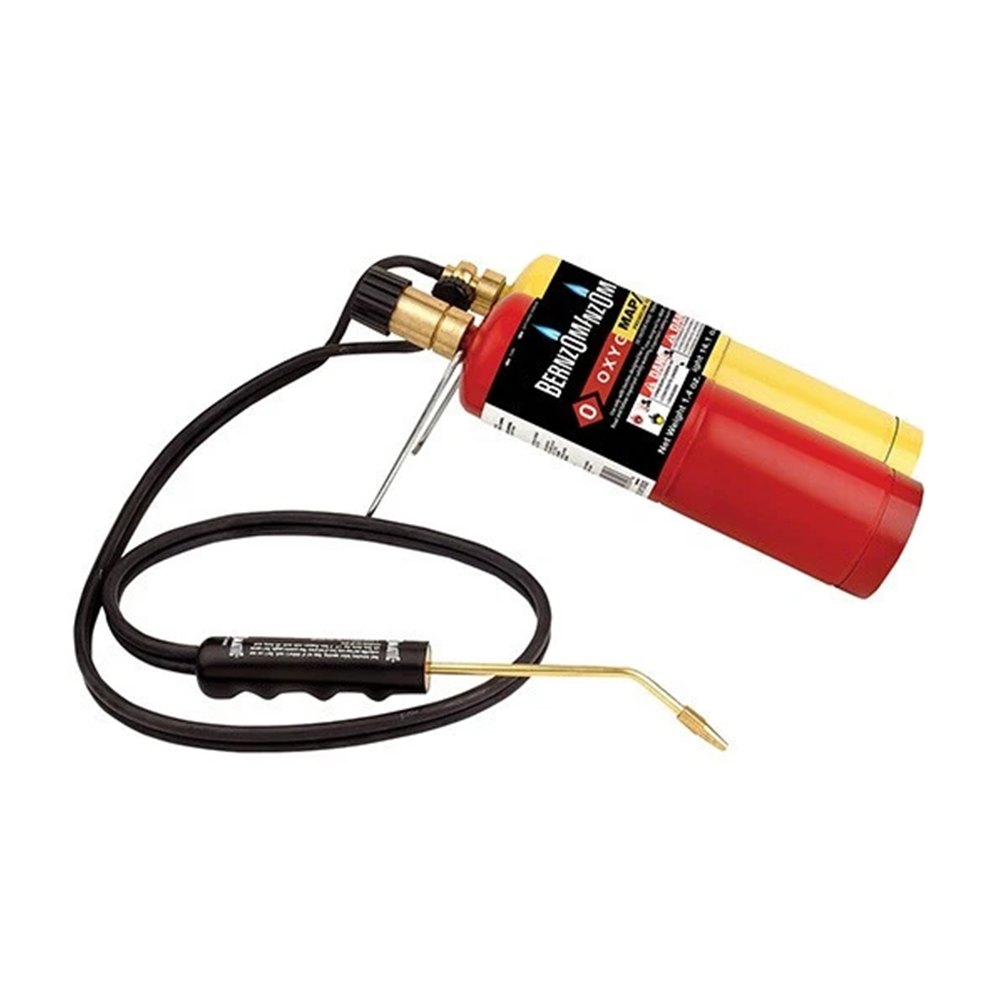
Then add the accessories that protect the job and protect you: heat shields, gloves, eye protection, and a tidy storage method that stops gear damage and keeps seals clean.
It also pays to keep sensible spares. Replacement parts are what stop small failures becoming lost hours. If you want a focused guide on what wears out first and what to keep on hand, our article on replacement torch parts helps you build a simple spares plan that suits HVAC work.
If you want to upgrade your kit in one go, start by browsing torch accessories Australia-wide and choose accessories that match your torch type and your most common copper work. If you are unsure what fits your setup, contact us for a quote or talk to our team to confirm compatibility so you are not guessing with tips, threads, or fittings.
The goal is simple: better performance, less wasted gas, fewer call-backs, and a safer hot work routine that holds up whether you are working in Brisbane humidity, Sydney coastal air, or a cold Melbourne plant room.
If you want to keep your setup consistent long-term, you can use the same collection to maintain your torch investment by topping up the parts that wear out first and keeping your system clean and dependable.