
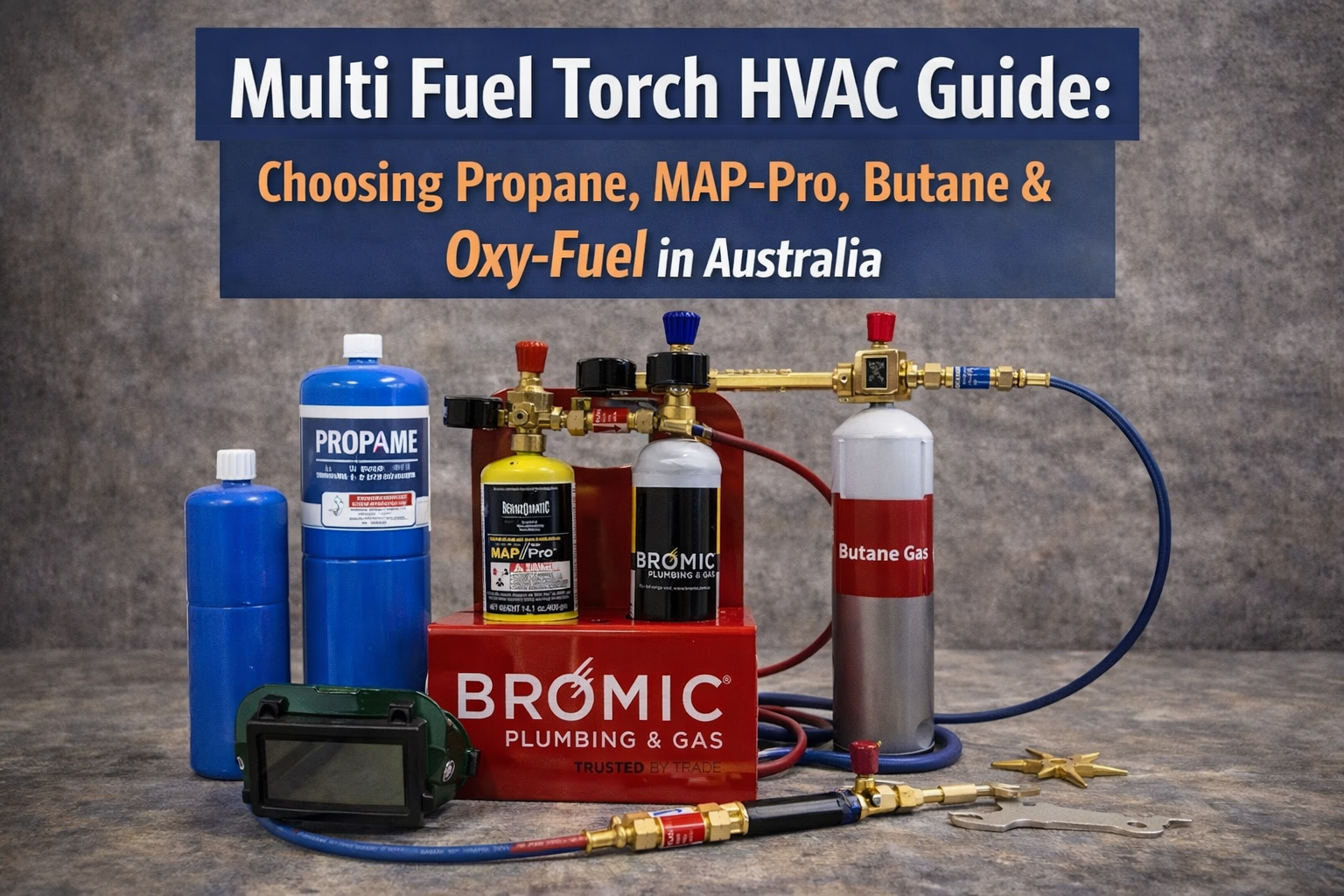
Choosing the Right Fuel: The Multi-Fuel Torch HVAC Guide
If you’ve ever stood on a ladder roasting a copper joint, thinking, “This is taking bloody forever,” you already understand the core truth behind a multi-fuel torch setup: different jobs demand different heat.
On paper, it’s tempting to believe in one perfect torch. One fuel. One head. One kit that does absolutely everything. In the real world, that “one-torch thinking” is exactly how you end up limited. You either run a mild flame on a heavy commercial fitting and waste hours of labour, or you run a high-heat oxy setup on a tiny line set and risk scorching the insulation, melting the valves, and ruining the temper of the copper.
This guide is written strictly for Australian HVAC and refrigeration work, where the job changes by site and by season. Brisbane humidity makes ignition reliability and corrosion protection paramount. Sydney coastal air will chew through threads and fittings if you leave your gear loose in the ute. Melbourne cold snaps make fuel vaporisation sluggish, exposing any weaknesses in a borderline setup.
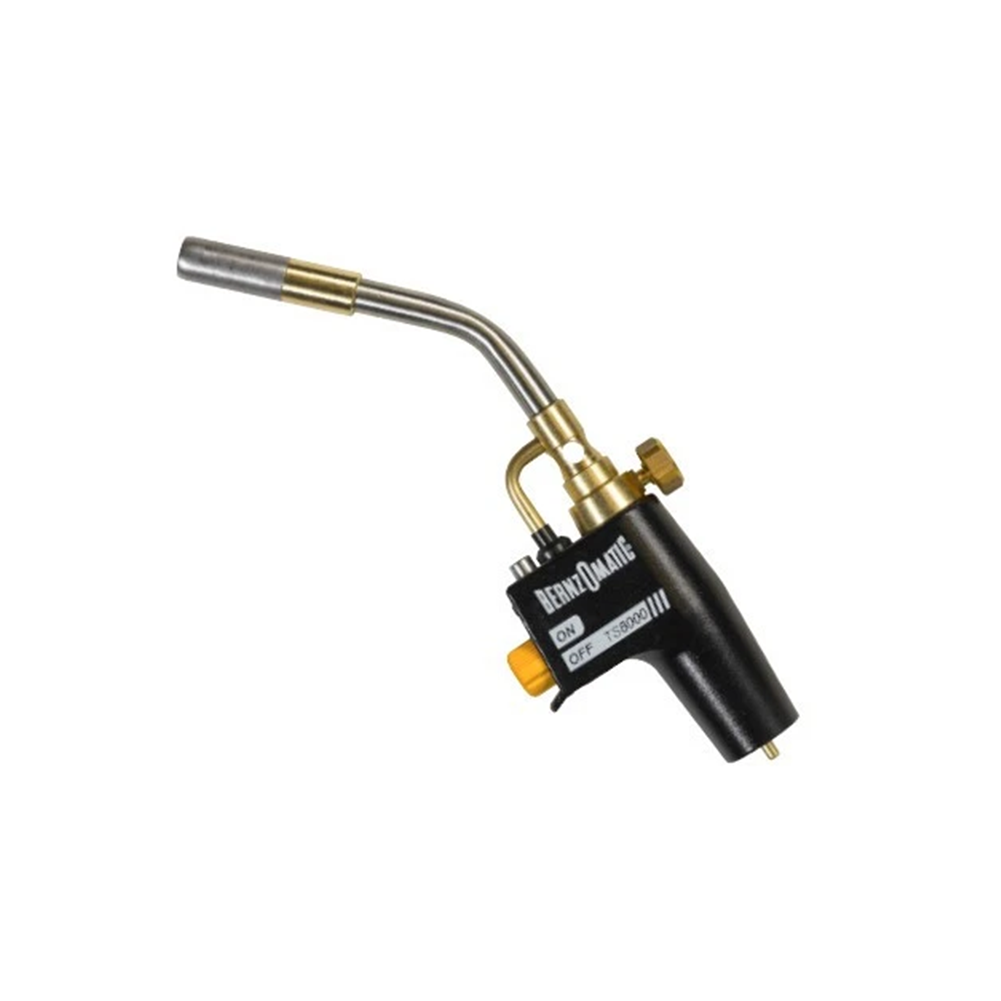
The goal is simple: we’re going to help you choose the right fuel for the job, and build a practical multi-fuel torch setup that makes sense for how you actually work. We’ll cover fuel types, job matching, oxy-fuel upgrades, specialty uses, and how to build a kit that stays reliable without turning your van into a cluttered mess.
If you want the wider category context first, start with our Complete Heating Torch Overview. It gives you the big picture so the multi-fuel decisions here feel perfectly logical.
And because fuel choices only matter when the job is safe, keep your habits aligned with proven basics. Need a refresher? Our guide to Gas Safety Procedures is a highly practical reference for handling and storage.
Understanding Fuel Types for HVAC
When tradies search “torch fuel types comparison”, they usually want one clear winner. In HVAC, there is rarely one winner. There is only a "best fit" for a specific task, on a specific day, with specific access constraints.
A good way to think about it is “heat control, not just heat.” The right fuel is the one that gets the joint to temperature fast enough, with absolute control, without cooking everything around it. That matters even more in tight plant rooms, cramped ceiling spaces, and rooftop jobs where wind dictates the pace.
Propane (The Reliable Workhorse)
Propane is widely available in Australia, cheap to replace, and familiar to most tradies. For a lot of light residential HVAC work, propane is perfectly adequate—provided you match the torch head to the job and use good heat placement.
The trade-off is speed on heavier fittings. Propane will eventually get the job done, but you will find yourself waiting much longer for the heat to soak into thicker copper, especially if the wind is howling. If you want the propane side explained purely in HVAC terms, our guide to Propane Torch Applications helps you decide where it’s a smart default and where it becomes a massive time sink.
Butane (For Precision Applications)
Butane is often treated as a “small job” fuel, and that’s a fair call in HVAC. Butane setups (like micro-torches) are used for light-duty, highly precise heating tasks where you want total control rather than raw, blasting heat. It’s perfect for delicate soldering near sensitive components, but it is rarely the main fuel for day-to-day copper brazing on split installs.
MAP-Pro / MAPP-Style (Professional Grade)
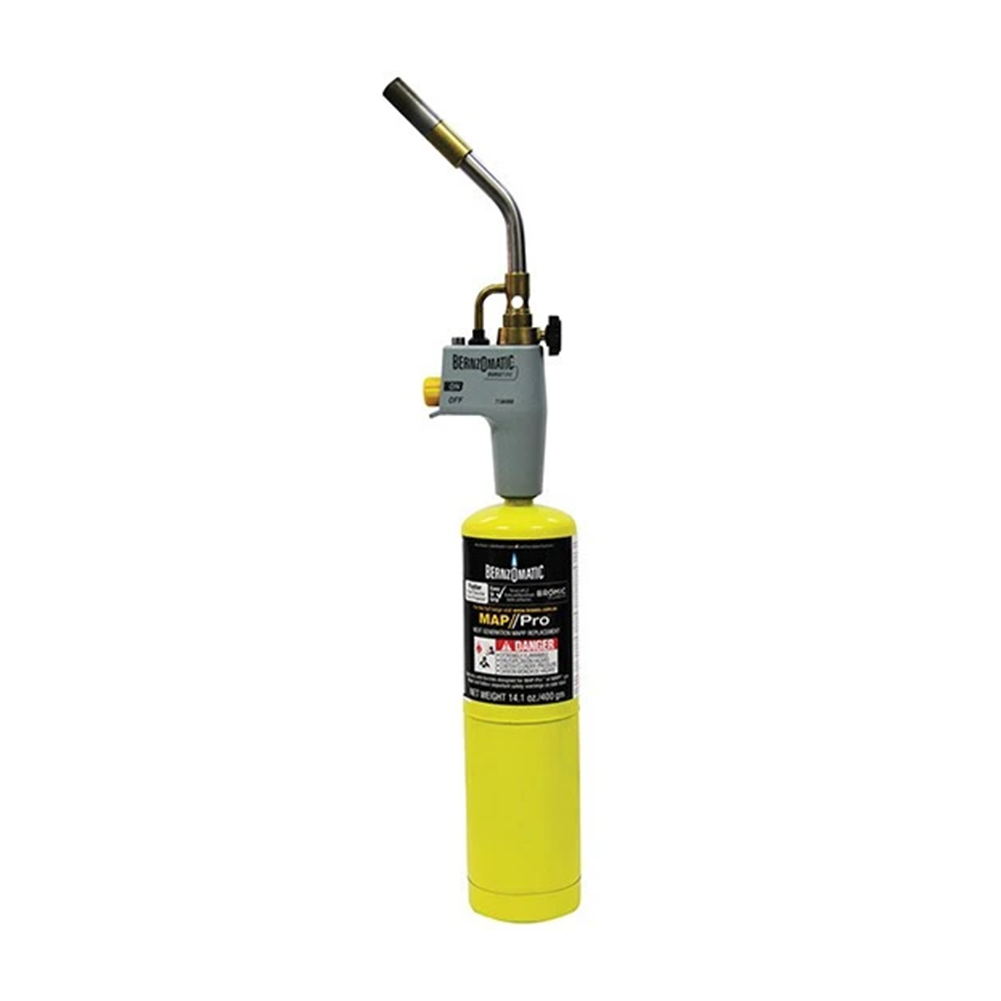
When HVAC techs say “MAPP”, they are almost always talking about modern MAP-Pro style fuels sold for trade hot work. MAP-Pro is massively popular because it burns hotter and transfers heat significantly faster than basic propane on common HVAC joints.
MAP-Pro is the ultimate "time saver" fuel. It cuts through the thermal lag of heavier fittings and windy conditions. For many field techs, it is the perfect middle ground: offering a serious performance step-up from propane without the heavy gear and handling complexity of a dual-bottle oxygen system.
If you want the deep dive on the chemistry and naming, read our guide to MAPP Gas Characteristics.
Oxy-Fuel (For Heavy Commercial Work)
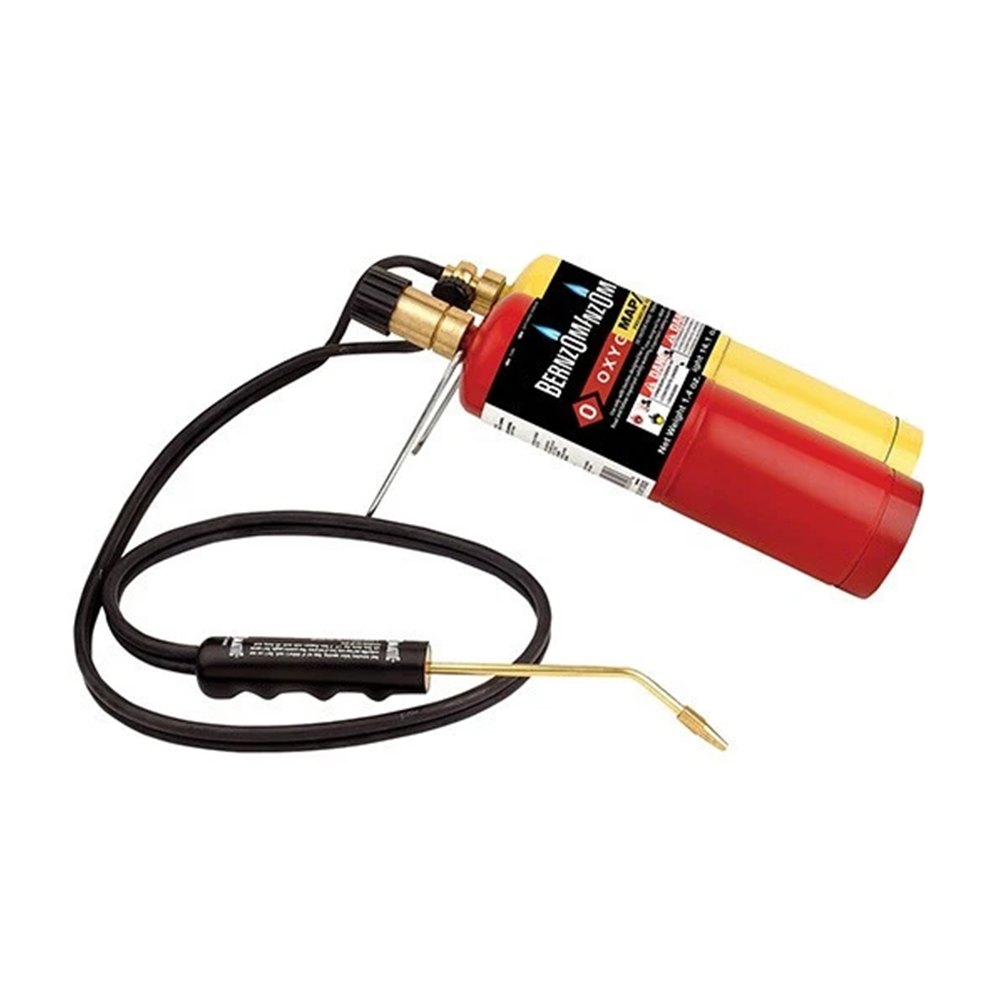
Oxy-fuel changes the game entirely. By adding pure oxygen instead of relying on ambient air, you drastically intensify the flame. In HVAC and refrigeration, oxy-fuel is chosen for heavy commercial work, thick copper (7/8" and above), massive brass valves, and jobs where you need to get in and out rapidly.
The trade-off is extra kit to drag onto the roof, extra handling discipline, and higher consequences if something is contaminated or set up wrong. Oxy-fuel is powerful, but it is a serious system decision, not a casual upgrade.
Tech Specs: Flame “temperature” gets quoted a lot by manufacturers, but on-the-job performance is mostly about heat transfer into the fitting, flame stability in real airflow, and precision control near insulation. Treat your fuel choice as a heat-control decision, not a number-chasing contest.
Matching Fuel to Application
This is where multi-fuel decisions become practical. The right fuel is the one that matches the joint mass, the access, and the job site constraints.
| Application | Typical Tube Size | Recommended Fuel | Sizzle Factor (Heat-up speed) |
|---|---|---|---|
| Residential Split System Brazing | 1/4" to 3/8" | Propane or MAP-Pro | Fast and highly controllable. Minimal risk of overheating. |
| Commercial HVAC & Heavier Fittings | 1/2" to 7/8" | MAP-Pro or Oxy-Fuel | MAP-Pro cuts lag; Oxy-fuel smashes through the heat sink. |
| Heavy Plant Work & Large Heat-Sinks | Above 1" | Oxy-Fuel | Rapid heat transfer required to prevent heat bleeding down the pipe. |
If you are focused on residential work, your biggest win is a stable, portable setup that lights reliably and gives you pinpoint control near insulation. That’s why MAP-Pro dominates line-set brazing discussions.
If you regularly tackle commercial HVAC tasks, you are fighting bigger fittings and massive heat sinks. Waiting on a heavy fitting is wasted labour. Oxy-fuel changes the job pace entirely.
Pro Tip: If a joint feels like it’s heating too slowly, don’t automatically jump to a hotter fuel first. Check your flame pattern and heat placement! Upgrading to a swirl-flame torch head often saves more time than swapping gas bottles.
Australian Climate Considerations
Australian conditions matter in hot work more than many people admit. Fuel vaporisation changes with temperature, while tool wear accelerates with humidity and salt air.
- Hot Weather Pressure: In a scorching summer, cylinder pressure can spike. Store cylinders sensibly and avoid leaving them baking in direct sun on the dashboard.
- Cold Weather Vaporisation: During a Melbourne cold snap, fuel delivery can feel sluggish. Before you blame the fuel, ensure your tip is clean and your seals are healthy. Cold weather reveals maintenance issues you didn't notice in summer.
- Coastal Corrosion: Sydney coastal air accelerates corrosion on brass threads and moving parts. Keep caps on, wipe grit off before screwing on a cylinder, and don’t force rough threads. A corroded thread isn't just ugly; it’s a dangerous leak risk.

Building a Complete Torch Kit
Building a complete multi-fuel kit isn't about buying the entire catalogue. It’s about planning capability. You want the smallest set of tools that covers the widest range of jobs, without slowing you down or cluttering the van.
If you mainly do residential splits, your base kit should be a trigger-start torch running MAP-Pro. It’s simple, bulletproof, and portable.
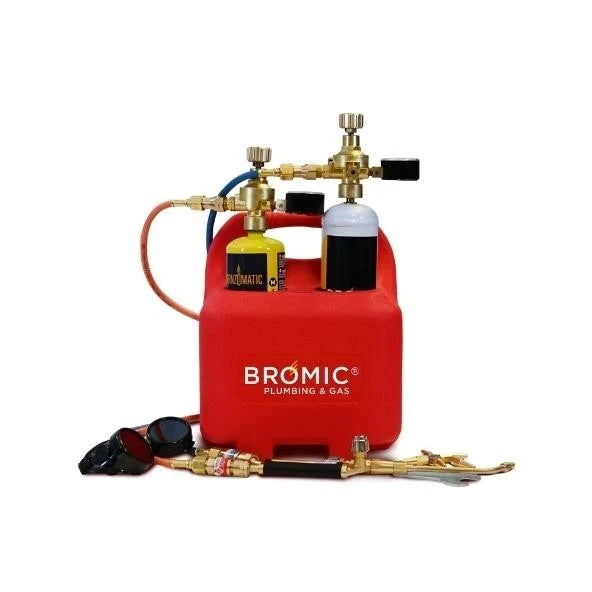
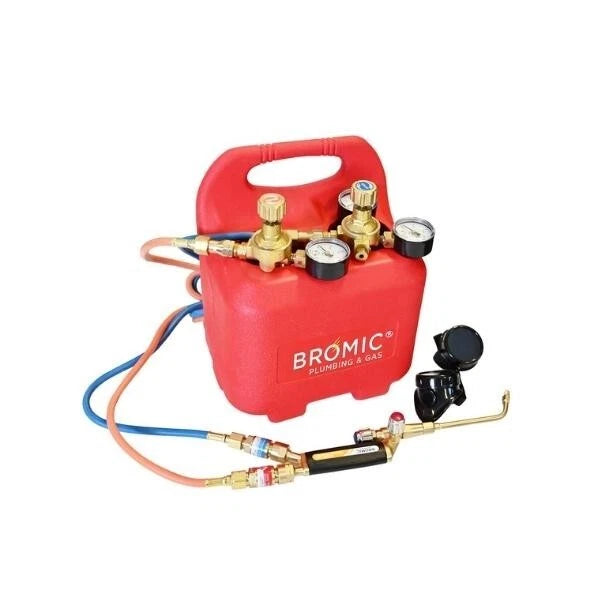
If you do commercial work, keep your MAP-Pro for quick access, but invest in a portable Oxy-fuel kit (like the Bromic Oxyset or Bernzomatic Oxy-MAP) for the heavy days. This is true multi-fuel planning: you match the heat to the job, rather than forcing one flame to handle absolutely everything.
Ready to upgrade your setup? Browse Complete Torch Solutions Here. If you aren't sure which fuel direction suits your job mix, contact our team for a quote or a quick sanity check before you commit to a higher-heat setup.
Frequently Asked Questions (FAQ)
Which is better for HVAC brazing: Propane or MAP-Pro?
For professional HVAC brazing, MAP-Pro is generally preferred. While propane is fine for small 1/4" to 3/8" lines, MAP-Pro burns hotter and transfers heat much faster. This reduces the time you spend hovering the flame over the joint, which limits internal pipe oxidation and prevents accidental heat damage to nearby valves or insulation.
When should I upgrade to an Oxy-Fuel torch setup?
You should consider an Oxy-fuel setup when you regularly work on thick commercial copper (7/8" and above), massive brass valves, or heavily wind-exposed rooftop jobs. The addition of pure oxygen drastically intensifies the flame, allowing you to heat massive heat-sinks rapidly without bleeding heat down the entire pipe run.
Can I use a Butane micro-torch for brazing copper?
No, not for standard HVAC line sets. Butane micro-torches are excellent for highly precise, delicate soldering work or applying heat-shrink near sensitive components. However, they lack the raw heat output and flame size required to properly braze standard HVAC copper pipework.
Why is my torch struggling to heat the joint on a cold morning?
Cold weather severely affects fuel vaporisation inside the cylinder, lowering the pressure and output of the gas. Before blaming the fuel, ensure your torch tip is perfectly clean, the seals are intact, and you are using a high-quality swirl-flame head designed for maximum heat transfer.
Does Australian coastal air affect my torch equipment?
Absolutely. Salt-heavy coastal air (like in Sydney) rapidly accelerates corrosion on brass threads, valves, and moving parts. A corroded thread isn't just ugly; it causes poor sealing and dangerous gas leaks. Always store your torch gear in protective cases and keep protective caps on your cylinders.