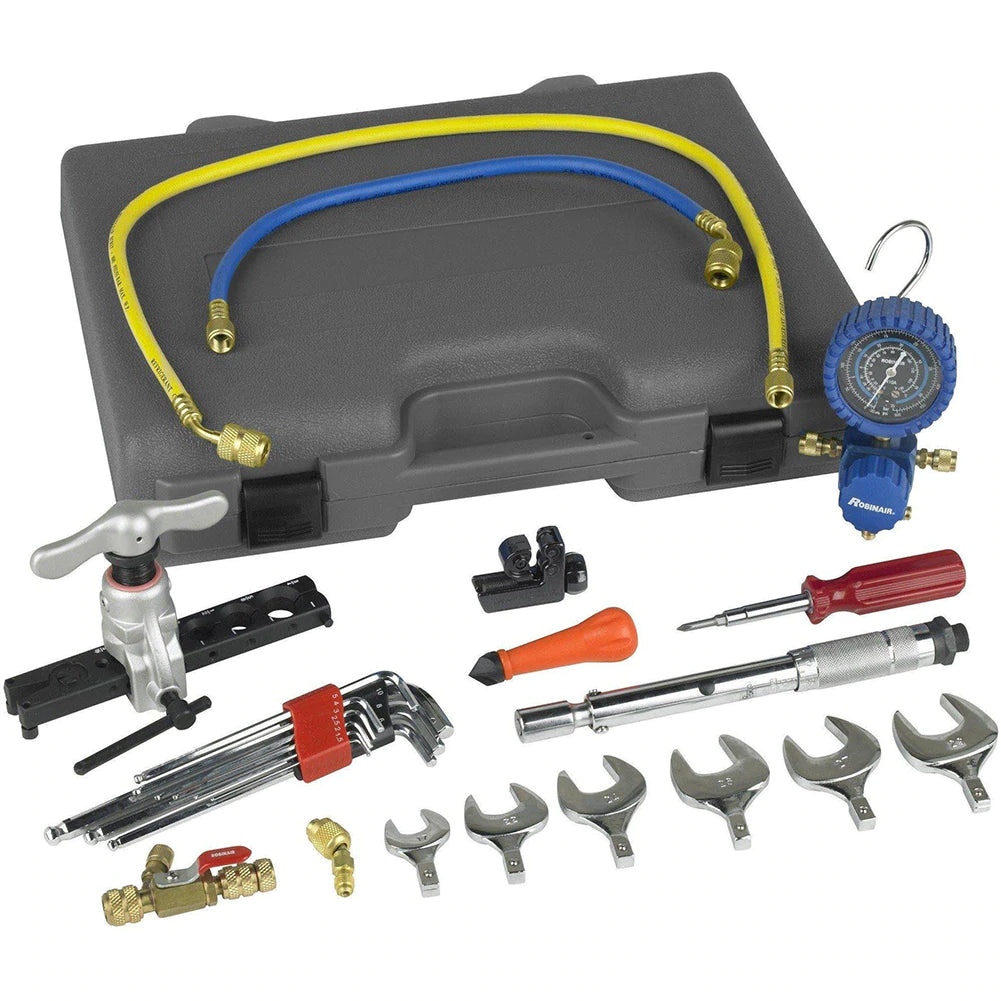
HVAC Tool Kits: Essential Equipment for Professionals
Knowing how to install and repair furnaces, air conditioners effectively, and hot water tanks necessitate specialized training and the proper tools. To be a great HVAC technician, you must ensure that you have all the necessary instruments to finish any project. The daily responsibilities of an HVAC technician are outlined in this article, along with a list of must-have items for efficient work inside your HVAC tool kit.

HVAC TECHNICIAN RESPONSIBILITIES
Heating, ventilation, and air conditioning (HVAC) professionals work on air conditioning, heating, and refrigeration systems that regulate temperature and air quality in buildings. Heating, ventilation, and air conditioning (HVAC) professionals install, maintain, and repair indoor climatic systems. Installation, maintenance, and repair of certain equipment, such as solar heating systems, are occasionally specialized by HVAC experts.
HVAC professionals work in homes, workplaces, schools, hospitals, and other facilities that rely on climate control systems daily. They test equipment and repair or replace any parts that are no longer functional or have passed their expiration date. It can include any of the following responsibilities:
- Changing Filters
- Fluid refilling
- Duct cleaning
- Thermostat installation
- Connecting fuel lines to equipment
- Putting up electrical wires
- Leak detection equipment is being monitored.
HVAC technicians use several instruments to execute these tasks swiftly and effectively. Although some organizations offer HVAC technicians the tools they need to accomplish projects, particularly pricey equipment, some technicians must carry their gear to work every day.
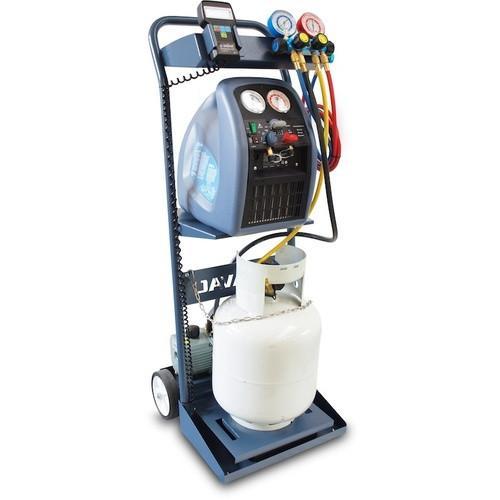
MUST-HAVE TOOLS INSIDE YOUR HVAC TOOL KIT
Whether you're just starting as an HVAC technician or aspiring to be one, you'll need a range of gear regularly.
Basic Hand Tools
When working as an HVAC technician, you'll require the following basic hand tools:
Hammer
You can use a standard-size hammer for a range of HVAC chores. To minimize weighing down their tool belt or bag, technicians frequently prefer a lightweight hammer with a gripping substance and robust fibreglass characteristics.
Level
When installing thermostats or other equipment, HVAC experts may use a level, especially a magnetic one, to ensure that surfaces are properly levelled. It's an underappreciated tool that, in the long term, may make work appear more professional.
Cordless Drill
While some organizations may give one for HVAC work and personal use, a cordless drill kit with chucks, drivers, and various bits is a must-have item. A drill with a lithium battery of 12 volts or higher and a one-hour charge is recommended.
Allen Wrench Set
Allen wrench sets are available in various imperial and metric sizes to fit all types of HVAC equipment. The units of measurement you'll need will usually differ from one piece of equipment to the next.
Service Wrench
HVAC professionals routinely utilize service wrenches, also known as pump wrenches, to access hydraulic equipment such as refrigeration valves on compressors. For simplicity of use, they are frequently non-corrosive and lightweight.
Utility Knife
As an HVAC worker, a utility knife with multiple replacement blades might come in handy while cutting through insulation or opening boxes.
Fuse Puller
Use a fuse puller to safely extract a fuse from a fuse block or holder. So, HVAC technicians who frequently work with the electrical components of heating, ventilation, and air conditioning systems will find them useful.
Thermostat Screwdriver
HVAC professionals will need screwdrivers with small heads, such as those found in electronic repair kits, to remove the covers from thermostats.
Adjustable Wrenches
Because HVAC work necessitates a variety of wrenches, having some 6-inch and 8-inch adjustable wrenches available is a good idea. You'll be capable of completing any task if you have a set containing a variety of tiny, medium, and large wrenches.
Pipe Wrenches
Pipe wrenches, created as a plumbing instrument, are especially useful for HVAC specialists since they allow you to detach or fasten pipes from heating systems such as furnaces.
Long-Neck Nut Driver Set
HVAC workers must sometimes operate in cramped spaces when servicing equipment. Long-neck nut drivers can assist you in tightening nuts in confined spaces.
Multi-Bit Screwdriver
Screwdrivers are must-have equipment for HVAC professionals, and they require a variety of sizes to do their duties. So, it will be useful to have a versatile, multi-bit screwdriver with a wide variety of sizes.
Wire Stripper and Crimper
Wire strippers and crimpers are included with some pliers. However, you may purchase it separately. Keeping a wire stripper and crimper available in this situation allows personnel to be more exact in their operation.
Pipe and Tube Cutters
To service equipment, HVAC workers frequently need to cut pipes and tubes. Tube and pipe cutters of various sizes can assist with these operations.
Extension Cord
When plugging in their electric gear at job locations, HVAC specialists use extension cords. It's best to use a cord around 50 inches long, thick, and robust.

Advanced HVAC Tools
Here are some specialized instruments that you may need on the job in various situations:
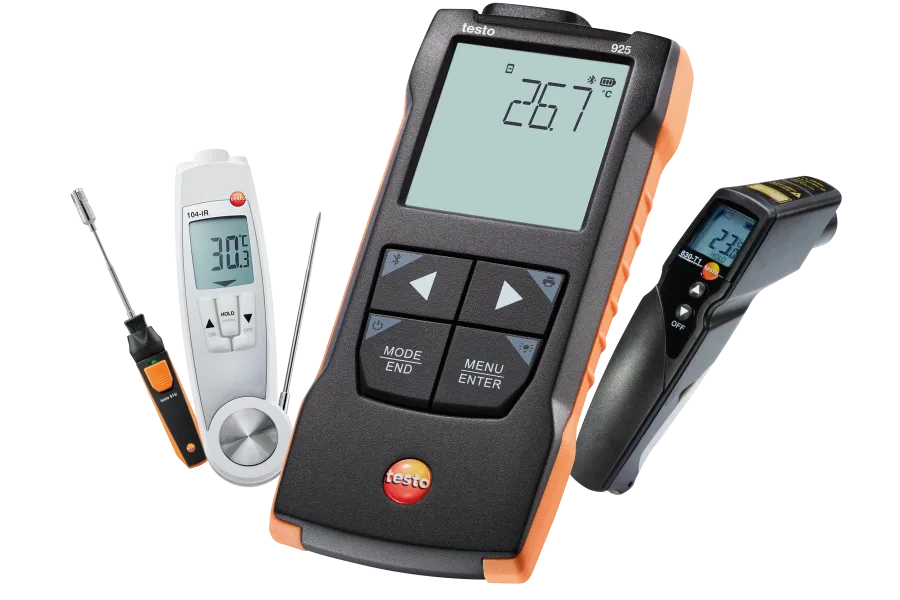
Handheld Digital Thermometer
HVAC specialists use portable handheld thermometers to read temperatures during working on climate systems. It's a crucial tool for ensuring that your task is completed correctly.
Coil Fin Straightener
When air conditioner condenser coils get dusty, blocked, or warped, HVAC workers use a coil fin straightener to straighten and clean them. This gadget can aid in improving heat exchange and the efficient flow of air.
Core Removal Tool
A core removal tool is a specialized HVAC instrument that aids in the removal of defective or chipped valve cores in air conditioning and refrigeration systems. This tool can assist you in getting the replacement process started promptly.
Digital Refrigerant Gauge
HVAC specialists can use digital refrigerant gauges to measure refrigerant levels and do calculations based on the results. They are incredibly beneficial, especially compared to their analog counterparts, because they save technicians time and support them avoid mistakes.
Filter Puller
Filters in HVAC systems can be difficult to access, so a filter puller is a must-have speciality item for professionals. It has a long handle that easily hooks onto filters and eliminates them.
Caulking Gun
HVAC specialists can use caulking guns to patch holes and seal air ducts as needed. To prevent messes and time-consuming cleanup, opt for a dripless version.
Nitrogen Regulator
Nitrogen regulators work as pressure control valves, reducing the time for highly pressurized gas and liquid to escape. HVAC specialists can use these instruments to limit and manage the amount of gasoline emitted.
Sawzall
A sturdy saw, like the Sawzall, is essential when cutting into materials on HVAC job sites. The Sawzall is a circular saw blade that allows quick and effortless sawing.
Psychrometer
HVAC personnel can use psychrometers to detect air flows and air mixes when servicing ventilation systems. Psychrometers also measure humidity levels, which helps technicians determine if the devices they install effectively prevent moisture from entering the air.
Thermal Imaging Tool
Thermal imaging cameras are a vital HVAC technology that aids personnel in diagnosing difficult problems by detecting the source of the issues inside climate systems.
Flushing Solvent
Obstacles in refrigeration lines are a common occurrence for HVAC workers. Flushing solvent can assist professionals in clearing obstacles and impurities rapidly, allowing equipment to function properly.
Leak Detector
Leak detectors, which monitor acoustic sound frequencies, are used by HVAC specialists to locate and confirm damp locations. It gathers measures that can assist technicians in figuring out where a leak is originating from so they can fix it correctly.
Vacuum Pump
HVAC specialists use vacuum pumps to remove from refrigeration and heating lines effectively. They are effective instruments that speed up the completion of any task.
HVAC Service Bag
Your HVAC tool kit needs a good bag to store it all. Although there are many tool bags and boxes on the market to carry your gear in, consider investing in a specially made HVAC service bag tailored to the demands of technicians daily. These bags make it easy to get to all of the tools you use regularly, and they're usually lighter than other containers.

Safety Equipment Tools
Gloves
Because HVAC technicians work with various chemicals and coolants regularly, it's critical to bring gloves with you everywhere you go to protect your hands and skin.
Safety Eyewear
HVAC workers can use protective eyewear to protect their eyes from dirt, chemicals, and other hazardous items on the job.
Multimeter
Multimeters measure voltage and check for the existence of electricity. HVAC workers use them as safety equipment because they frequently operate near an electrical wire, which can be dangerous if handled incorrectly.
Buy an HVAC Tool Kit from HVAC Shop in Australia
Get your very own HVAC tool kit in Australia here at HVAC Shop. If you're looking for something not included in the tool kits we offer, don't worry! You can still find it here at HVAC Shop! We're a one-stop-shop for all your HVAC equipment and tools needs.