Hand Tools
115 products
Showing 1 - 24 of 115 products
HVAC Hand Tools for Aussie Refrigeration & Air Conditioning Work
When you’re on a roof in January or wedged in a plant room at 5pm on a Friday, you can’t afford hand tools that slip, round fittings or slow you down. This Hand Tools collection pulls together trade-grade gear for Australian HVAC and refrigeration work – from flaring and swaging kits and tube cutters through to torque wrenches, deburring tools, pipe benders and service valve tools.
Whether you’re commissioning VRF, upgrading a split system, or doing routine maintenance, these tools are chosen to support reliable, leak-free pipework and efficient HVAC systems, in line with Australian best practice guidance on HVAC operation and maintenance for energy efficiency.
Why quality HVAC hand tools matter
In commercial buildings, HVAC can account for a large share of total energy use, so poor-quality joins, kinks and leaks can quickly turn into higher running costs and call-backs. Australian guidance on HVAC energy efficiency emphasises well-installed and well-maintained systems to hit performance and sustainability targets.
On top of that, the tools you use at work are considered plant under Australian WHS law, and plant is a major cause of workplace injuries – which is why Safe Work Australia stresses the need to manage risks around tools and equipment, and to provide safe, suitable gear. Investing in solid, well-designed hand tools is not just about speed – it’s about safety, compliance and professional results.
What you’ll find in this Hand Tools collection
This collection brings together the core hand tools Aussie HVAC techs, apprentices and facilities teams reach for every week. Stock may change, but you’ll typically find:
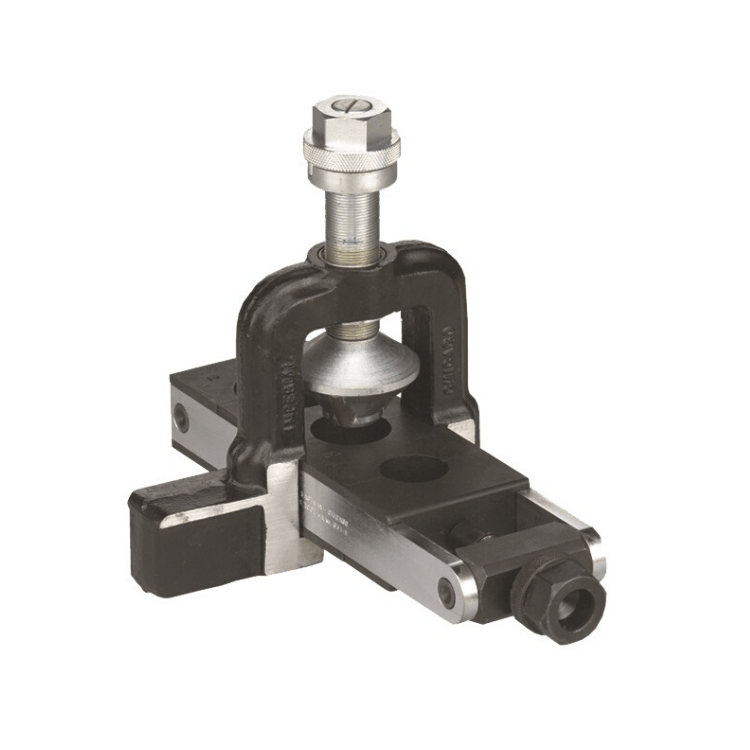
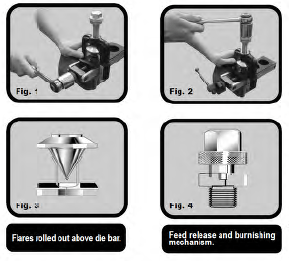
Flaring & swaging tools
High-quality flaring and swaging kits help you form clean, accurate flares and swages on copper tube to minimise leaks and rework. Our range includes eccentric flaring tools, swage expanders and complete HVAC flaring sets designed specifically for refrigeration and air conditioning pipework. For a deeper explanation of flaring tools and how they’re used on HVAC jobs, see our HVAC flaring tool guide.
Tube cutters, deburrers & pipe benders
Clean, square cuts are the foundation of leak-free joints. This collection typically includes:
- Tube cutters for copper and soft metal pipe (often with replacement cutter wheels and accessories).
- Deburring tools to remove burrs and protect O-rings, flare faces and swage joints.
- Tube and pipe benders and lever benders to avoid kinks and flattening, especially on tight radius bends.
You’ll also find compatible accessories and replacement parts highlighted in our HVAC Hand Tool Accessories: Complete Australian Guide, which walks through how cutters, deburrers, benders and torque adapters all work together on real Australian jobs.
Service valve & access tools
For commissioning and service work, you’ll see:
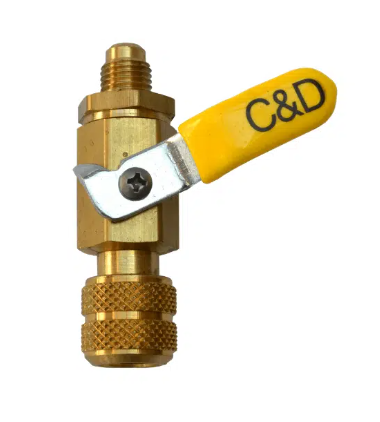
- Service valve tools & C&D Valve accessories for core removal, access fittings and charging.
- Specialised HVAC service wrench sets designed for common valve sizes on Australian RAC equipment.
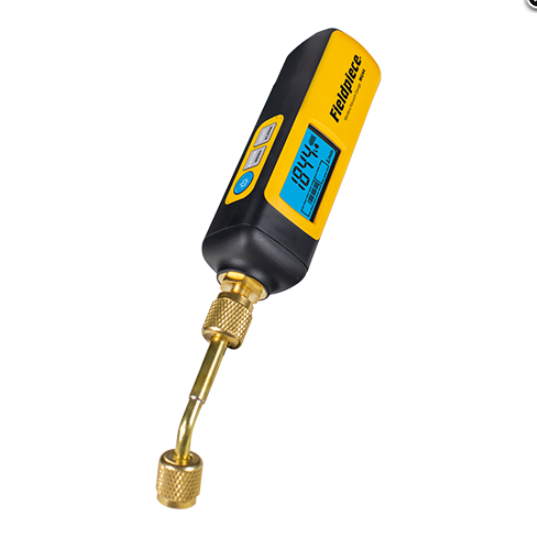
Pair these with vacuum gauges and recovery / evacuation equipment for complete commissioning and repair workflows.
Torque wrenches for refrigeration & AC
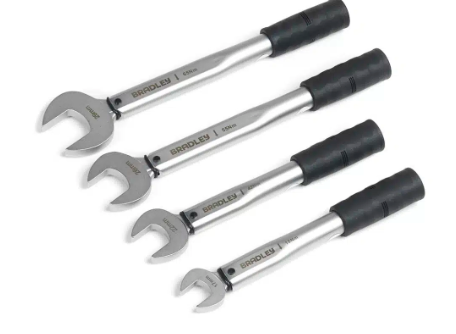
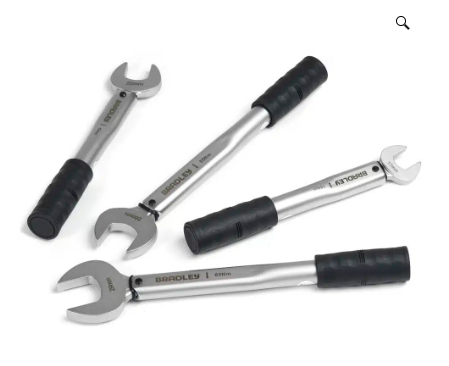
Correct torque on flare nuts, valve stems and critical joints is vital to avoid leaks, split flares and crushed fittings. Our HVAC torque wrench options include preset and adjustable models sized for refrigeration and air conditioning work, as well as brand-specific torque wrenches such as Bradley HVAC wrenches.
Trade-ready cleaning, cases & supporting tools
Because real-world HVAC work doesn’t stop at the flare, the Hand Tools collection may also surface compatible items such as:
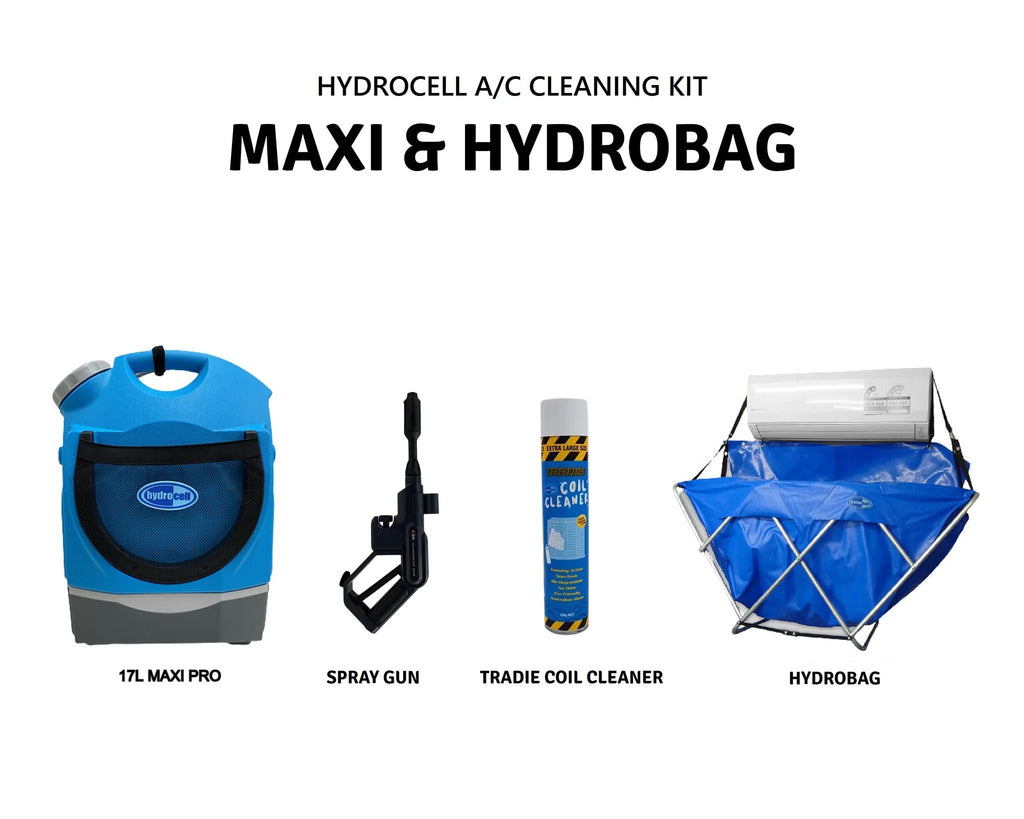
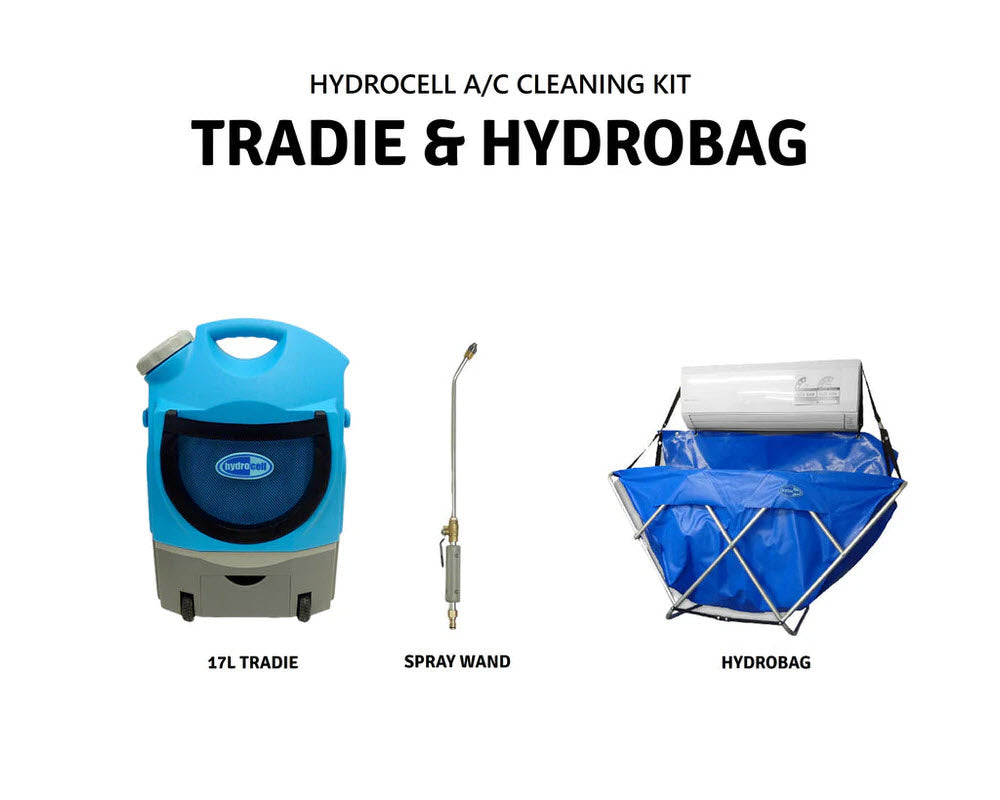
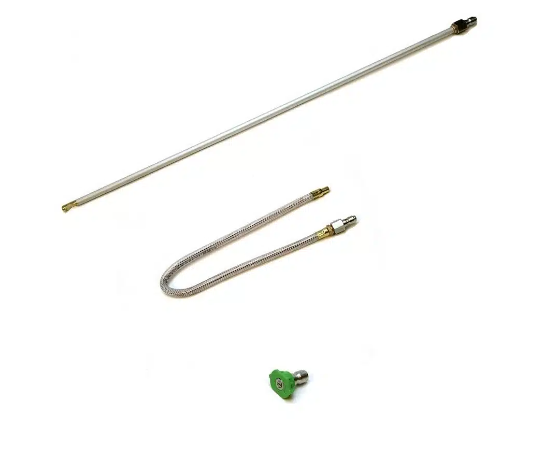
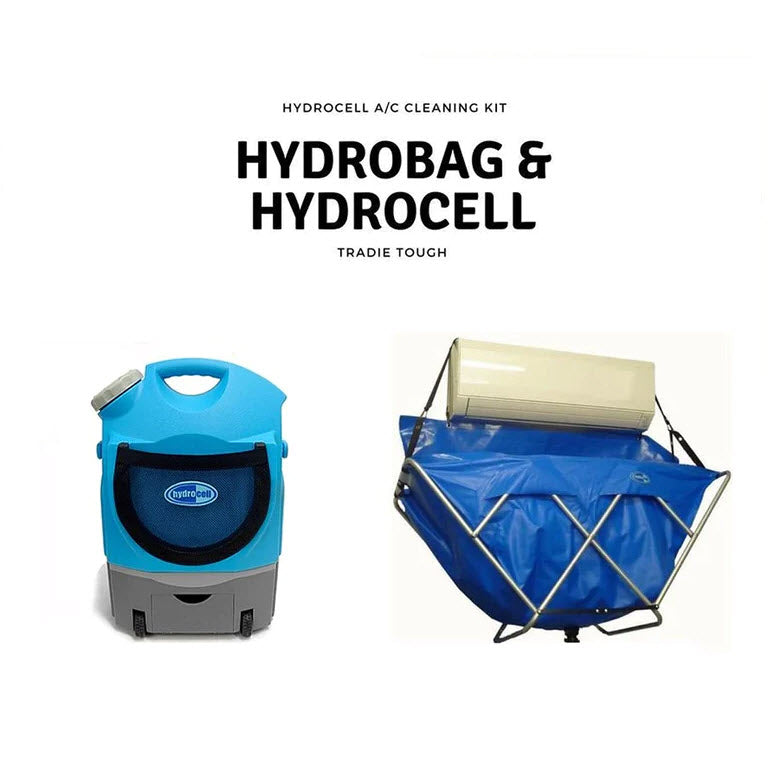
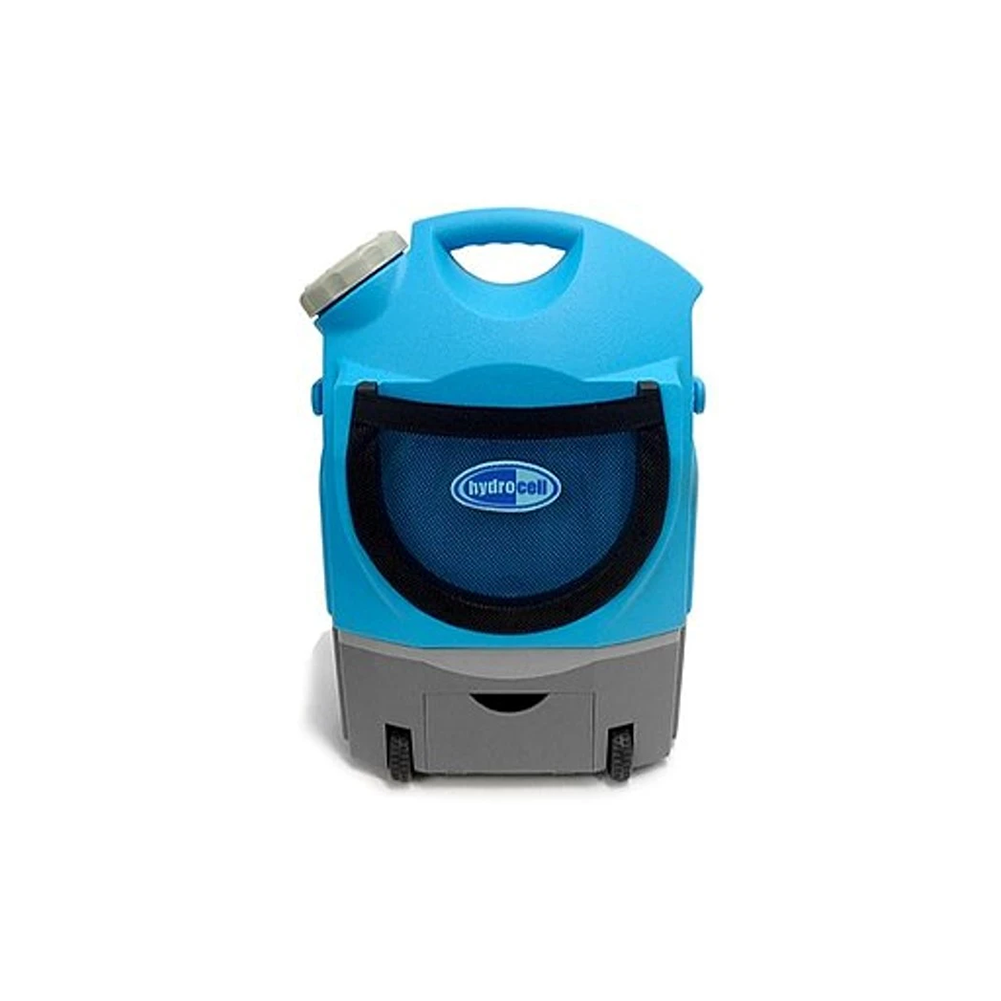
- AC cleaning & preventative maintenance tools – coil cleaners, split-system cleaning bags and Hydrocell washers that help keep coils and filters clean, supporting energy-efficient operation.
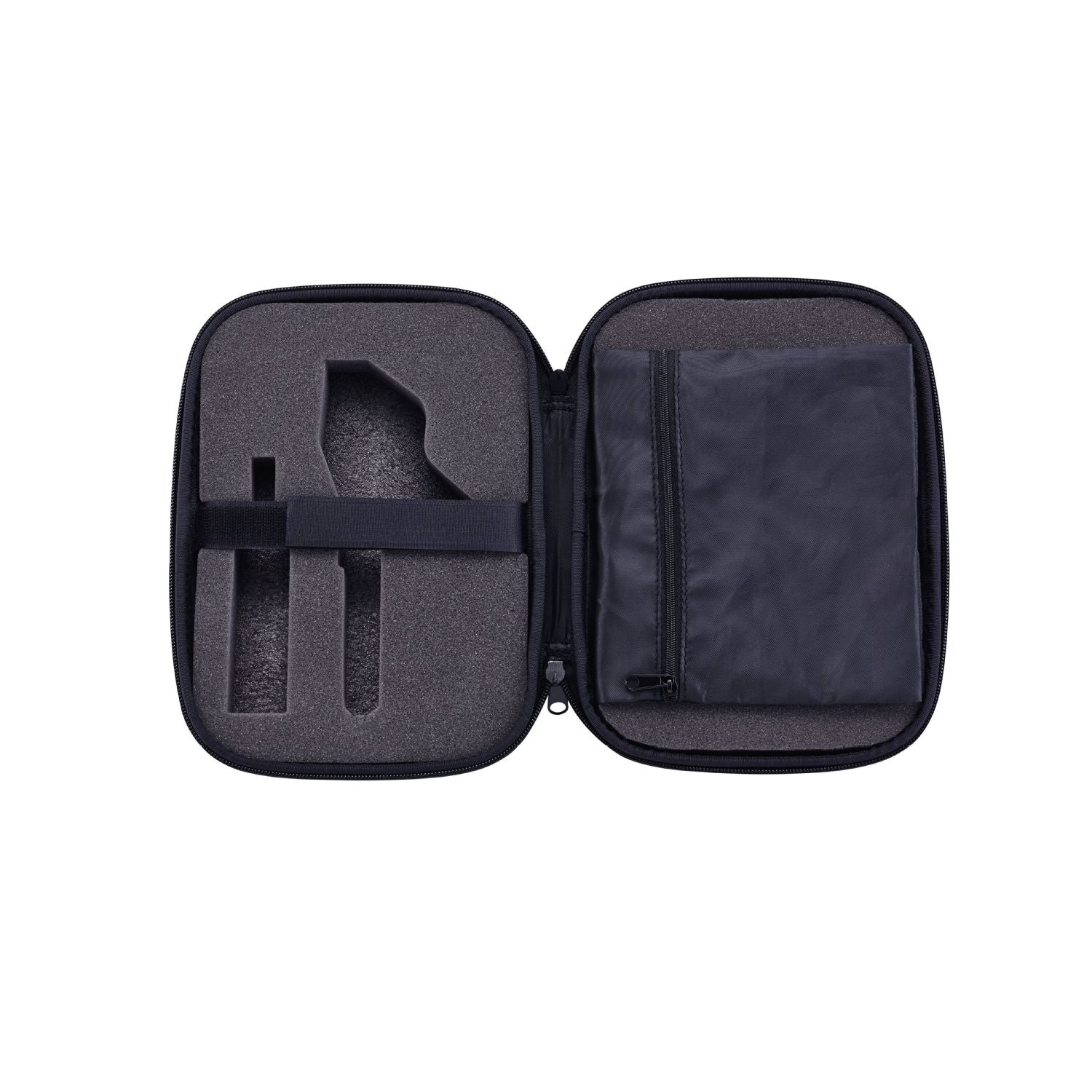
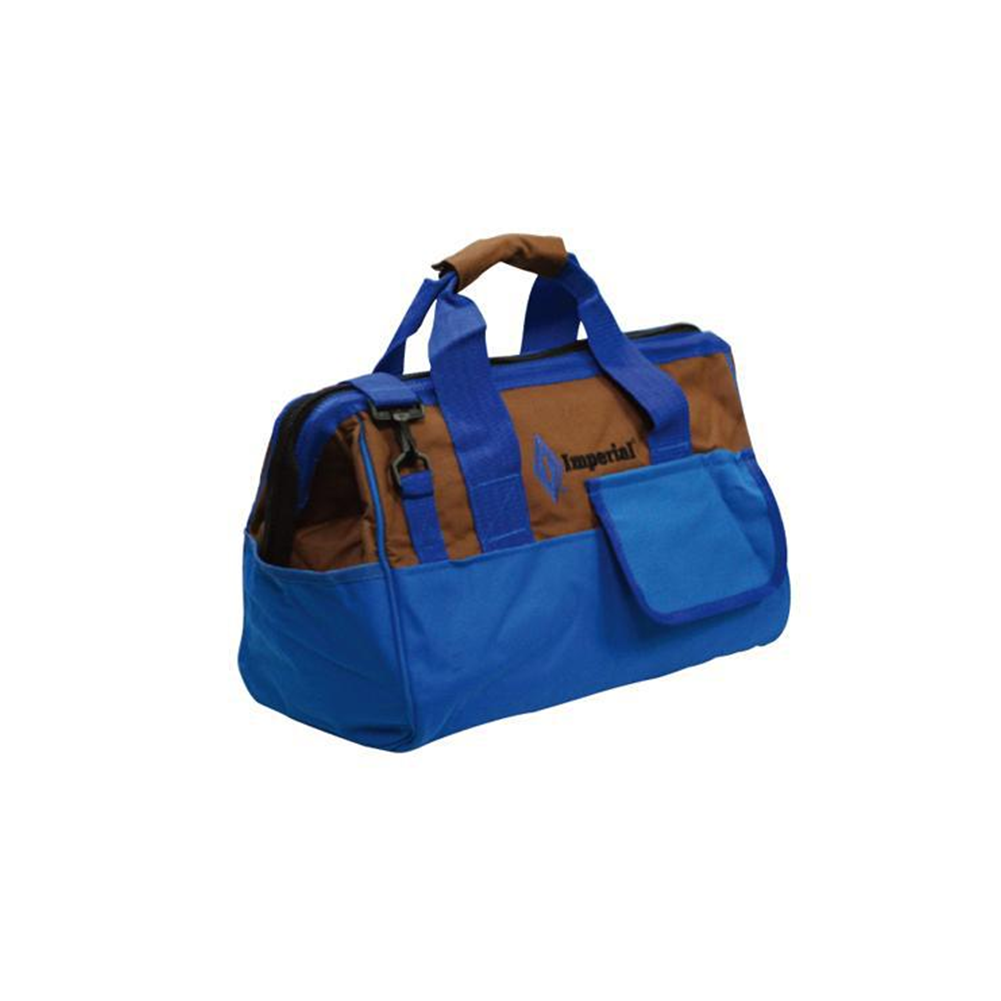
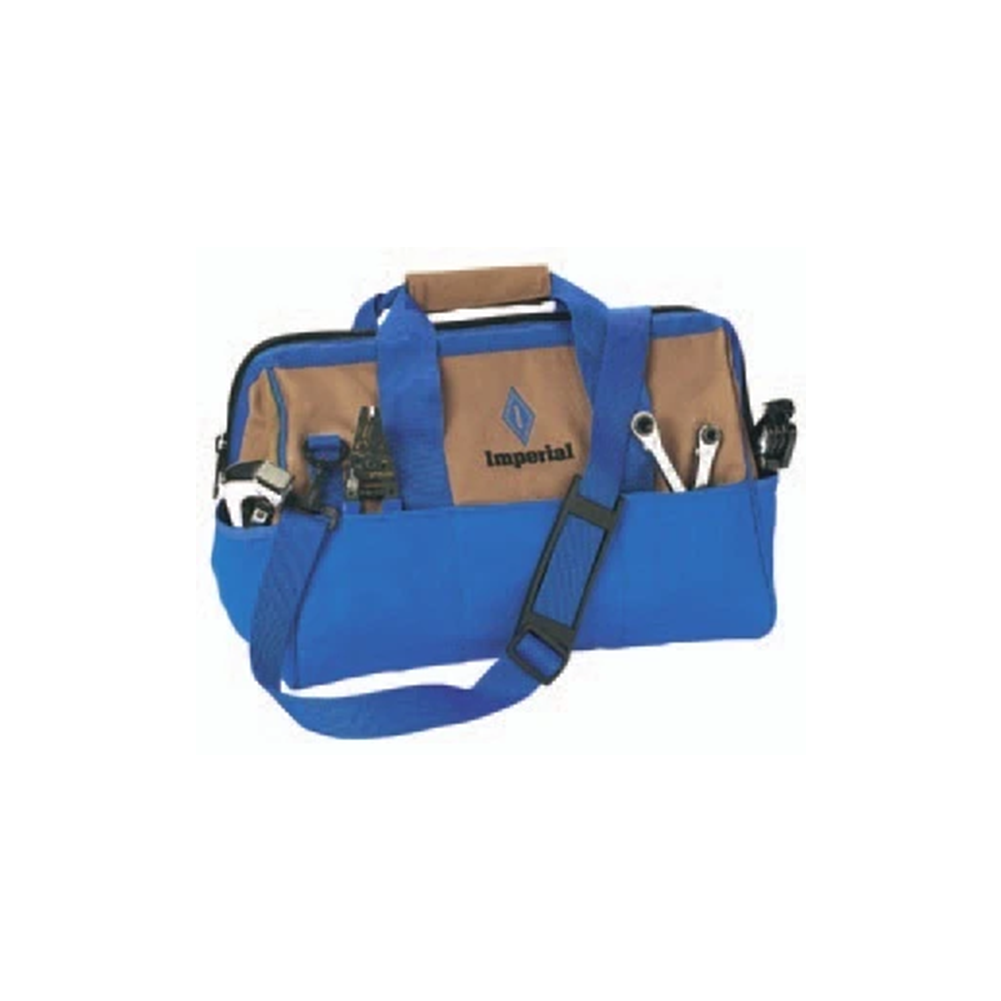
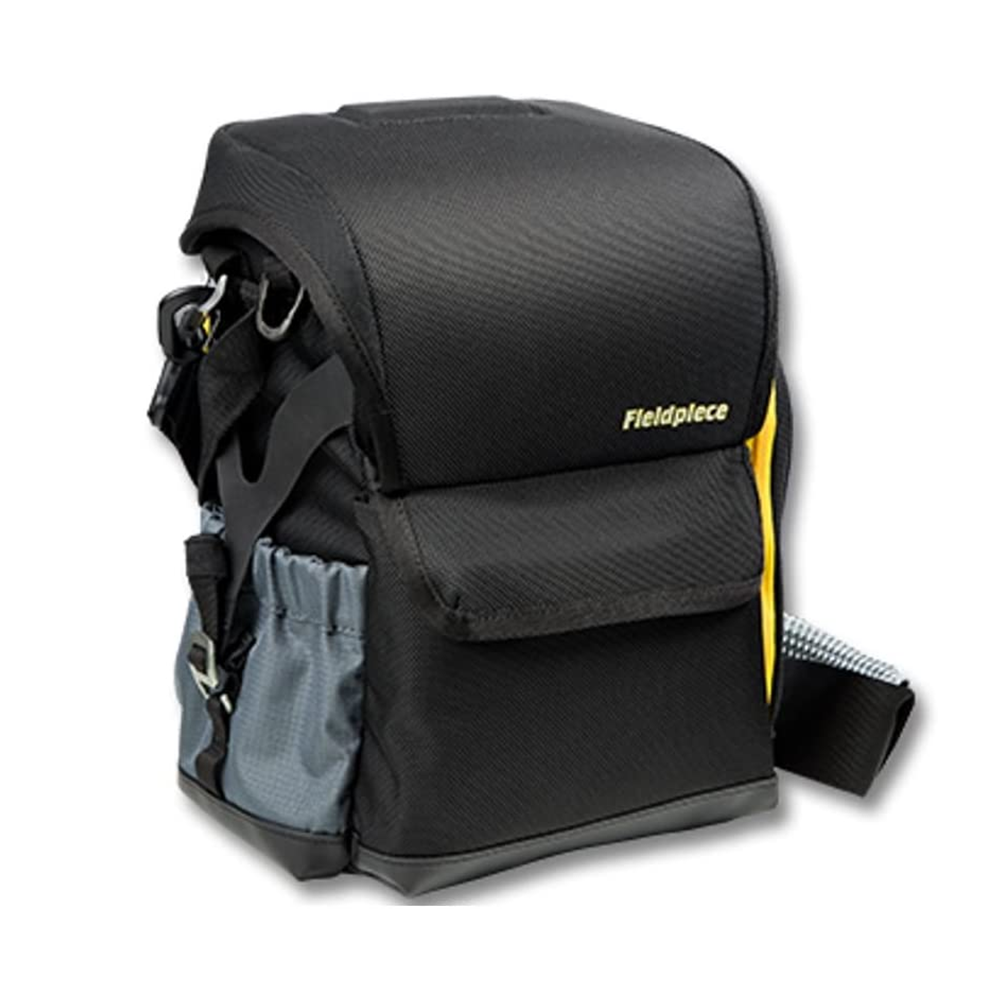
- HVAC tool bags & meter cases to keep your hand tools organised, protected and easy to grab on site.
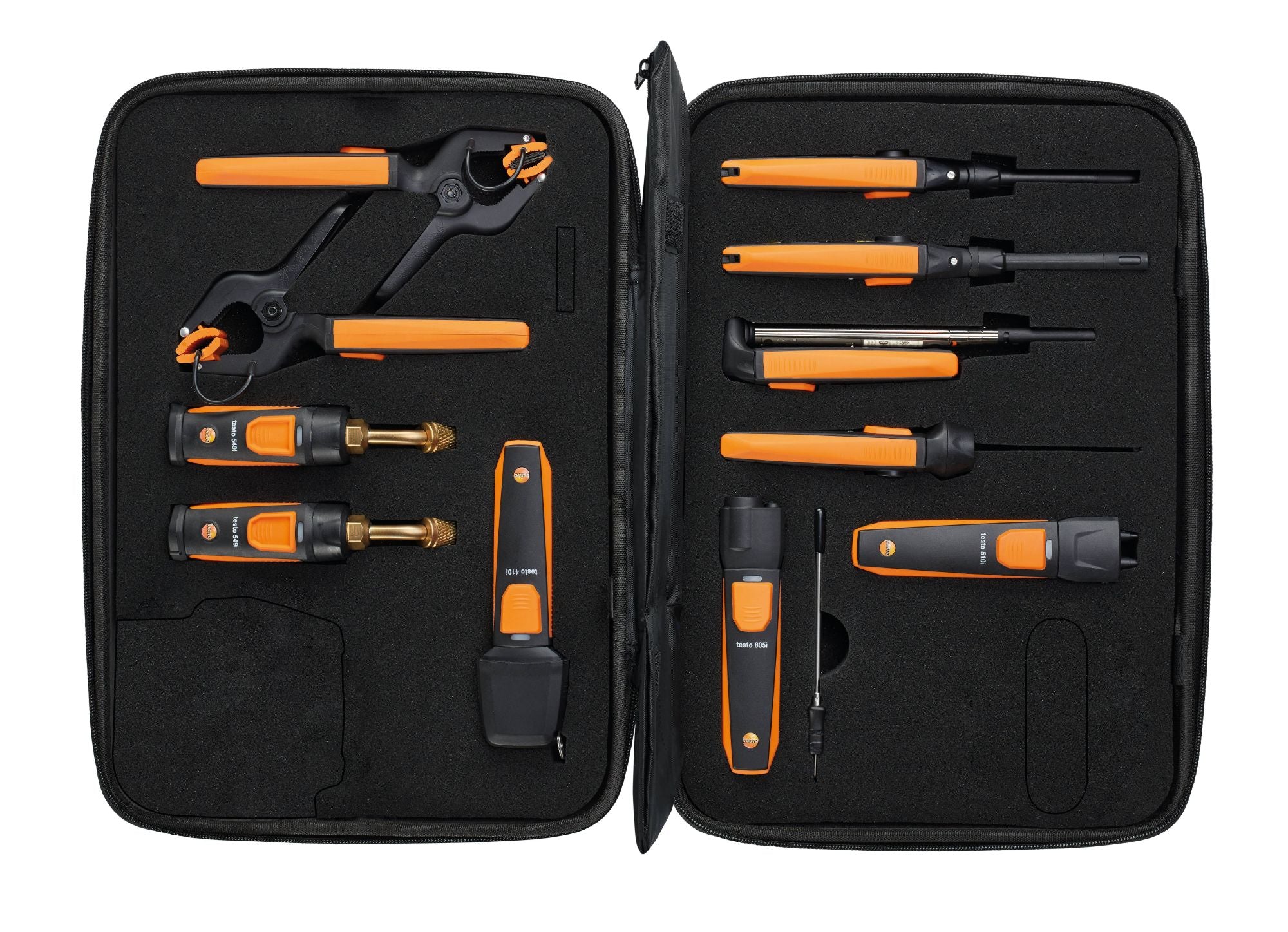
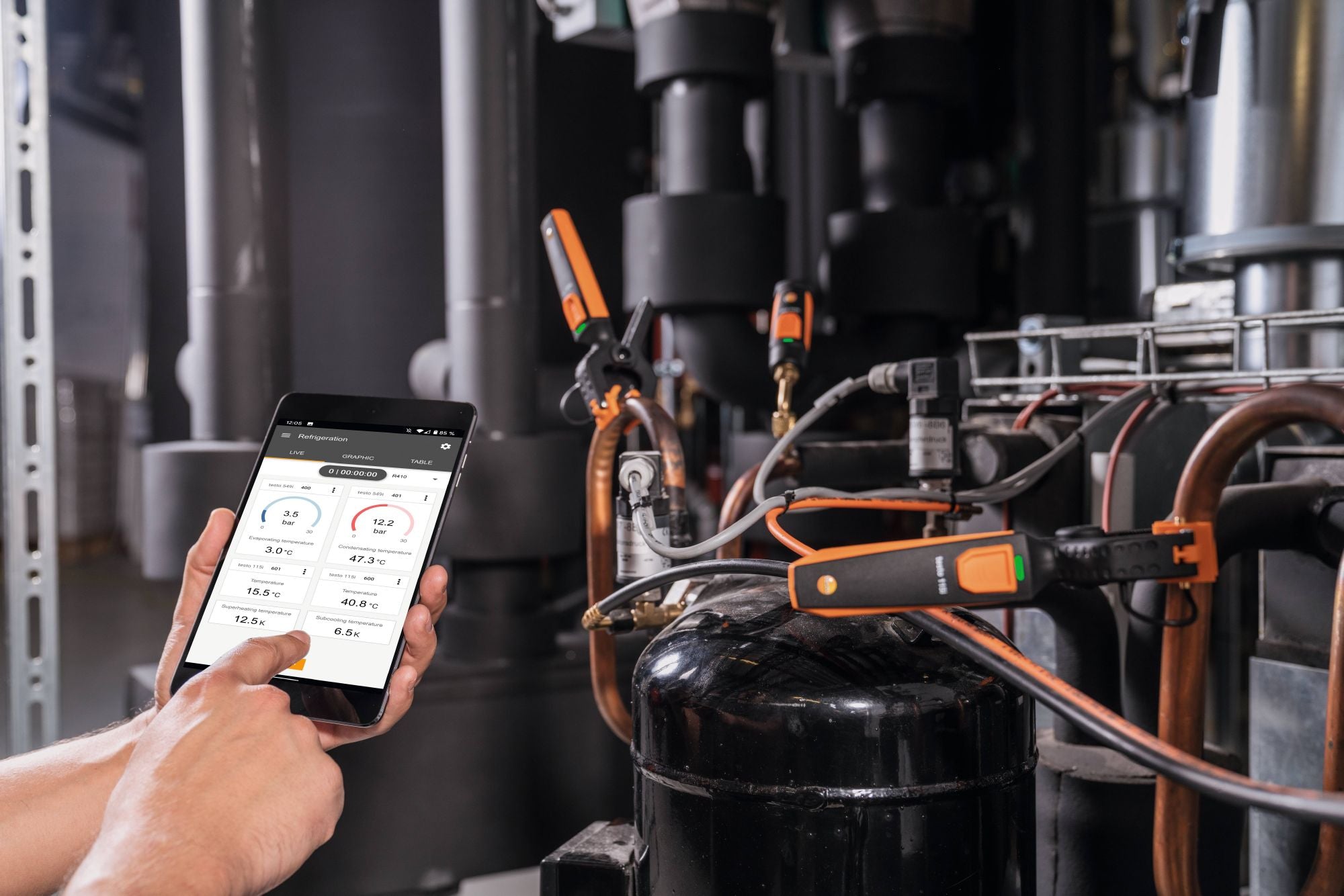
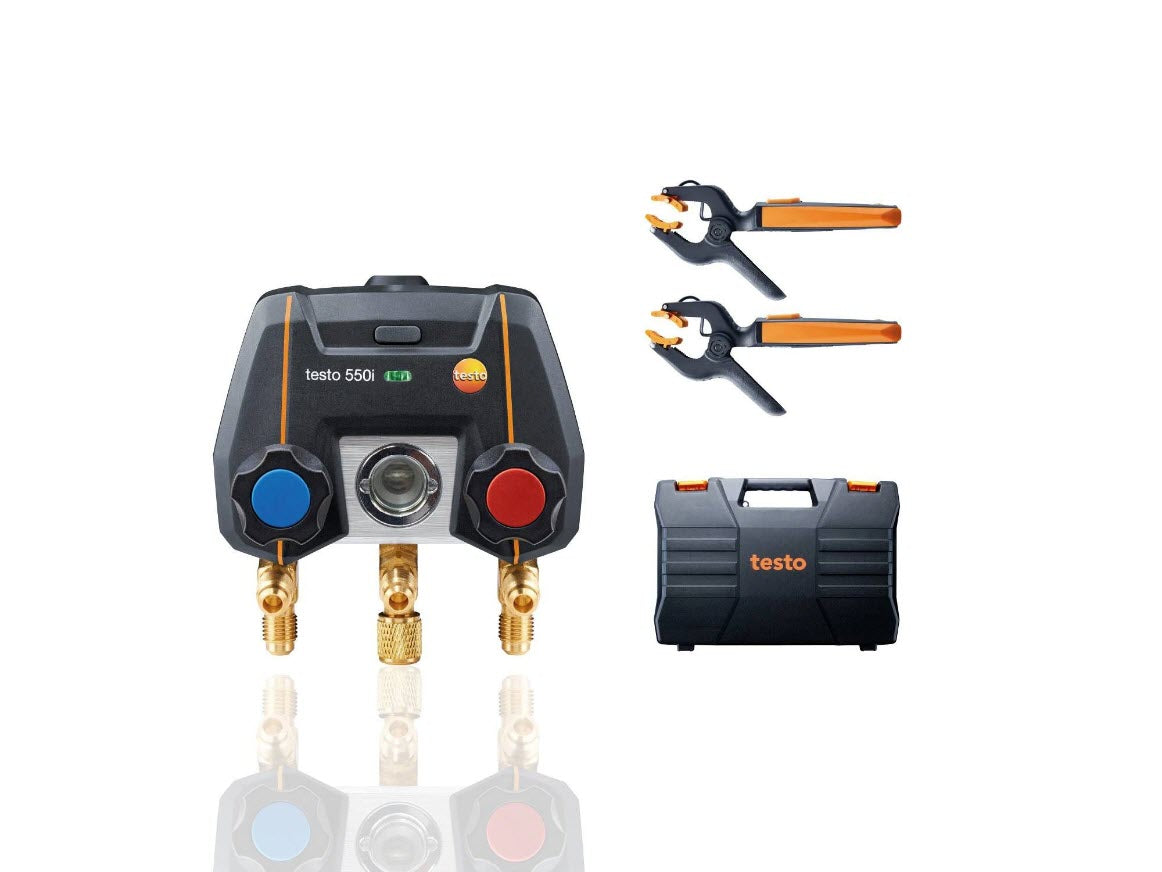
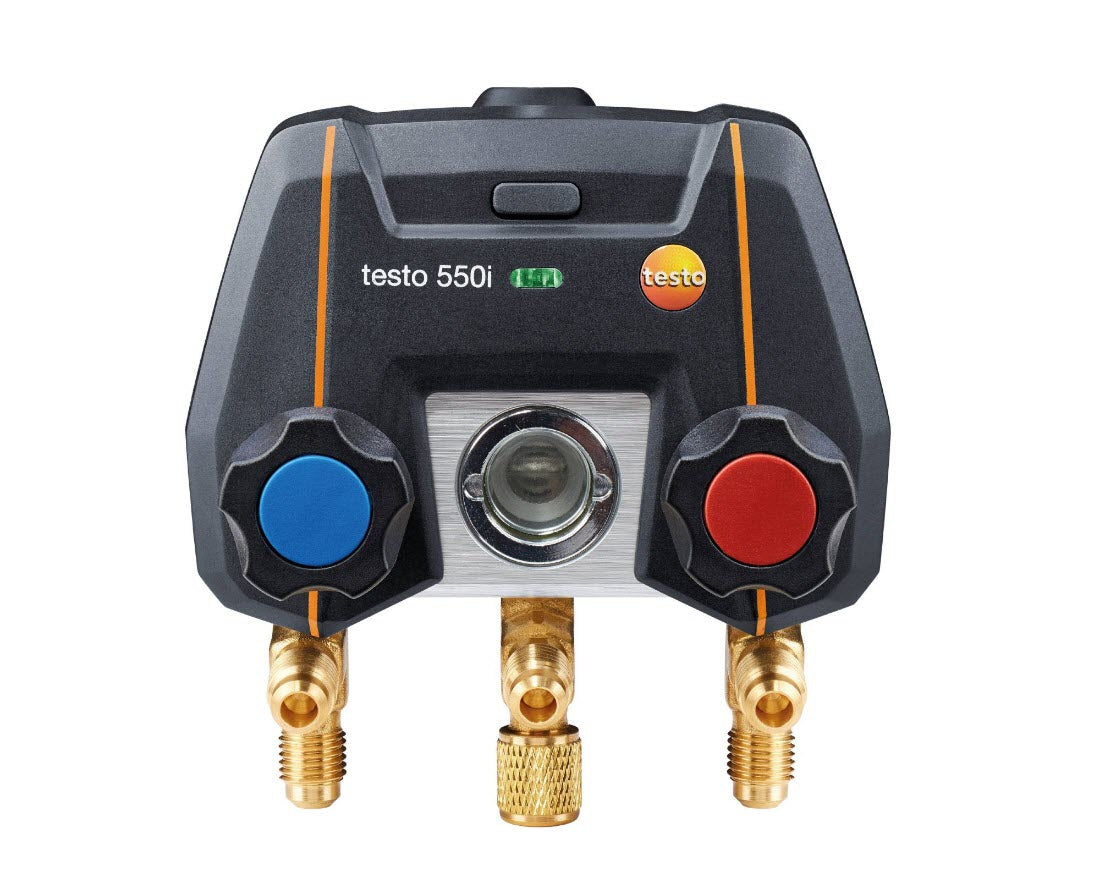
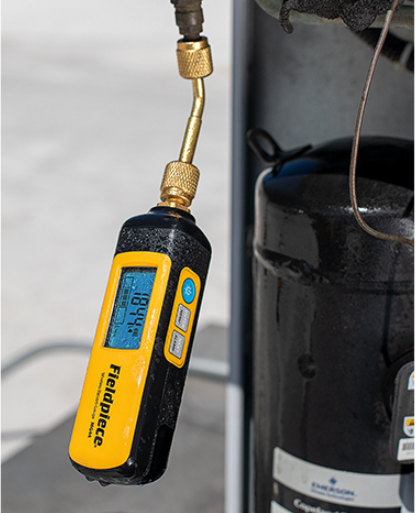
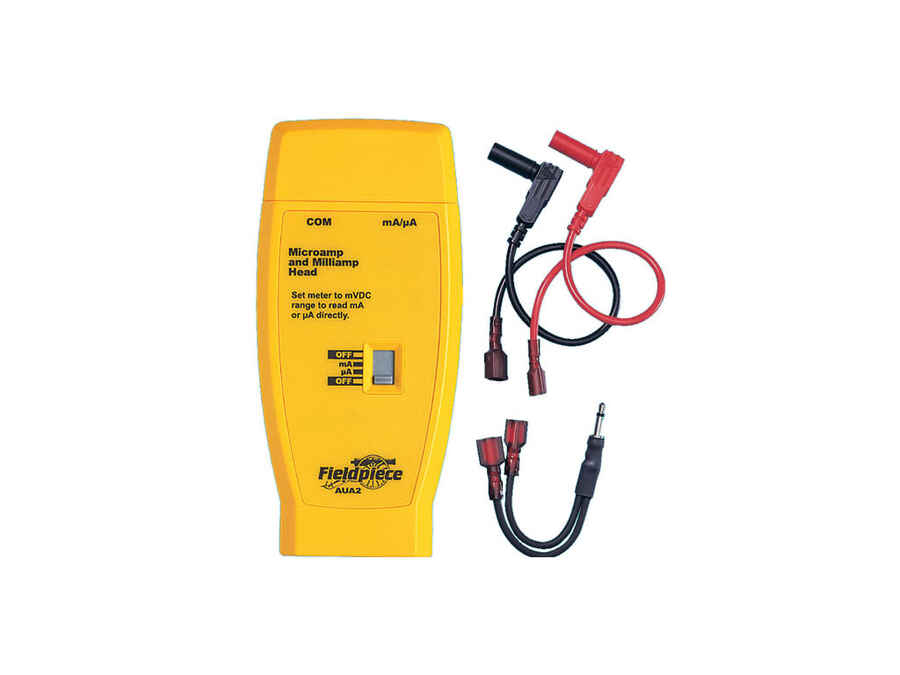
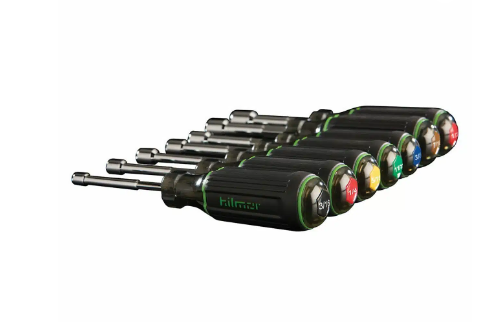
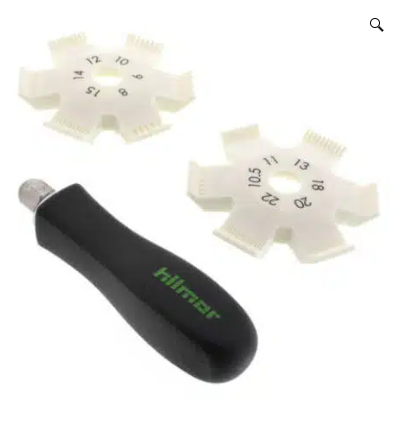
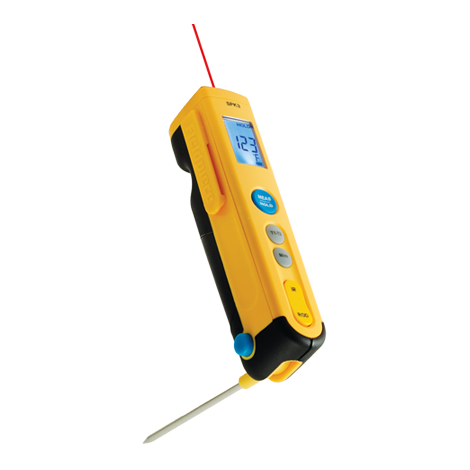
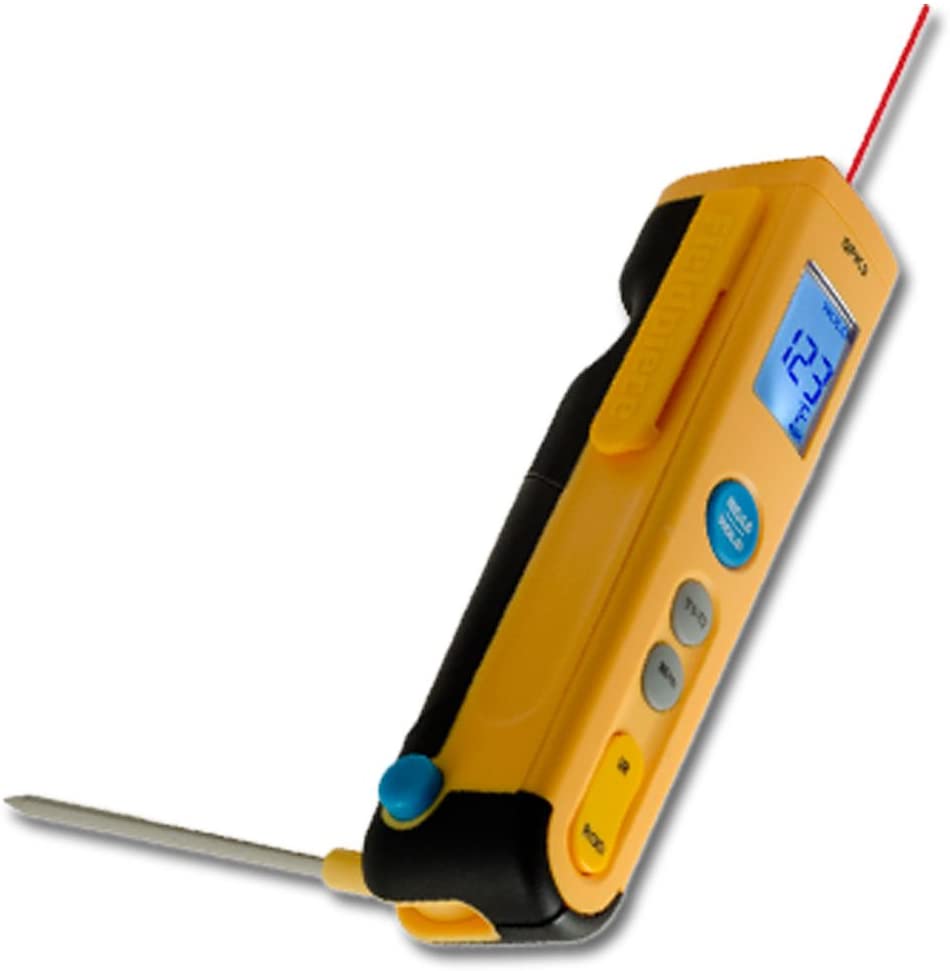
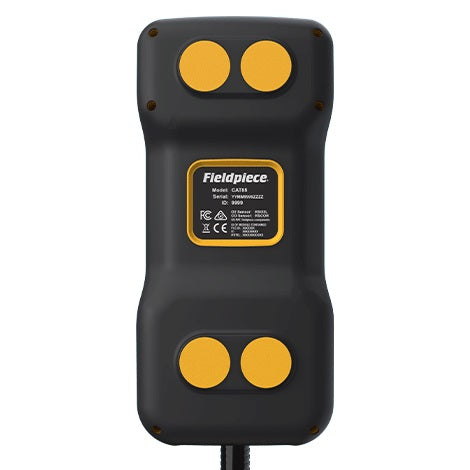
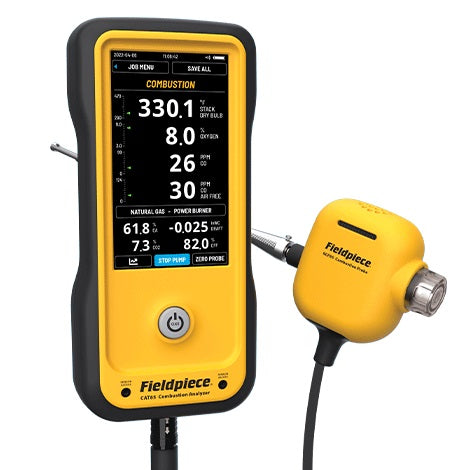
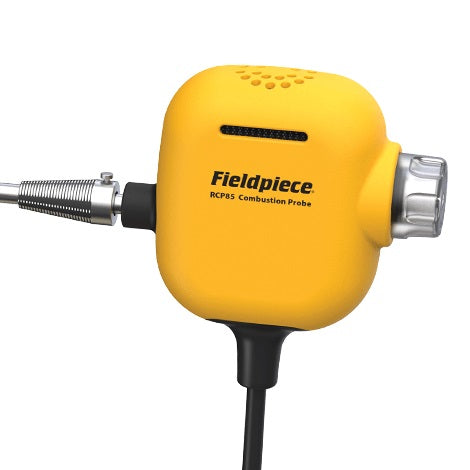
- Specialty hand tools from top brands like Imperial, Hilmor, Bradley, Fieldpiece and Testo that plug straight into your existing HVAC kit.
If you’d rather buy once and be done, check out our HVAC tool bundles and starter kits that combine hand tools, gauges and cleaning gear into ready-to-go sets.
How to choose the right hand tools for your HVAC job
When you’re comparing options in this collection, use these quick checks:
- Match to pipe size & material – confirm your tube cutters, benders and flaring tools are rated for the copper, stainless or alloy sizes you actually work with.
- Think about the refrigerant & pressure – higher-pressure systems (like R410A and some R32 applications) need especially clean flare faces and correct torque, so a quality flaring tool plus torque wrench is critical.
- Look for trade-grade construction – hardened cutting wheels, solid hinges, positive stops and comfortable handles will last longer under daily use than cheap DIY gear.
- Plan for accessories & spares – replacement cutter wheels, deburring bits and torque adapters keep your kit working instead of sending you to the wholesaler mid-job. Our hand tool accessories guide shows how to build a complete, efficient setup.
- Don’t forget storage – pairing the right tools with a dedicated tool bag or case makes it easier to stay organised across service calls, breakdowns and installs.
Who this Hand Tools collection is for
- HVAC & refrigeration tradies needing reliable, everyday hand tools for Australian residential, commercial and light-industrial work.
- Apprentices building their first proper kit with flaring tools, tube cutters, deburrers, benders and torque wrenches that will last beyond their apprenticeship.
- Facilities and maintenance teams looking after building HVAC systems and wanting documented, repeatable tools and methods that align with Australian energy-efficiency guidance.
- Experienced DIY owners handling basic tasks like mounting brackets, cleaning splits and replacing non-refrigerant components while leaving refrigerant work to licensed techs.
Safety, WHS & licensing notes (Australia)
Hand tools are part of what work health and safety law calls plant, which includes machinery, equipment, appliances and tools used at work. Plant is a major cause of injuries in Australian workplaces, so duty holders must identify hazards and manage risks, including selecting appropriate tools, training workers and using PPE where needed.
If your work involves handling regulated refrigerants (for example, opening the system, decanting, charging, evacuating or decommissioning equipment), Australian law requires you to hold a current Refrigerant Handling Licence (RHL). This licensing framework is administered on behalf of the Australian Government by the Australian Refrigeration Council (ARC). Always follow manufacturer instructions, your company’s SWMS or procedures, and advice from your WHS regulator or licensed supervisor.
Information here is general in nature. It does not replace your own risk assessment, site-specific procedures, Australian Standards or refrigerant handling regulations.
Need help building your HVAC hand tool kit?
If you’re unsure which flaring kit, tube cutter, bender or torque wrench suits your work, our team can help you shortlist options for split systems, commercial refrigeration, VRF or industrial plant. Start with:
- HVAC Hand Tool Accessories: Complete Australian Guide for a deep dive on accessories and setup.
- Bundles & kits if you’d like matched tools, gauges and cleaning gear in one hit.
- Contacting HVAC Shop for personalised guidance based on your jobs, experience level and budget.
FAQs – HVAC Hand Tools Australia
1. What are the essential hand tools for HVAC work in Australia?
Most Australian HVAC techs start with a dependable tube cutter and deburrer, flaring and swaging kit, pipe or tube benders, service valve tools, a torque wrench matched to common flare sizes, and a basic electrical hand tool kit. From there you can add vacuum gauges, leak detectors and specialist tools as your work grows.
2. Can I use plumbing tools instead of HVAC-specific hand tools?
Some plumbing tools can overlap, but HVAC-rated flaring tools, benders and torque wrenches are designed around refrigerant-grade copper, flare angles and torque values used in RAC systems. Using general plumbing tools for high-pressure refrigeration applications increases the risk of leaks, joint failure and non-compliance with manufacturer instructions.
3. Do I need a Refrigerant Handling Licence just to buy these tools?
No. You don’t need a licence to buy hand tools. However, you do need a current Refrigerant Handling Licence (RHL) to carry out work on RAC equipment that involves regulated refrigerant – for example, installing, commissioning, servicing or decommissioning systems where refrigerant could be released.
4. How do I look after my HVAC hand tools so they last?
Wipe tools down after coil cleaning and outdoor work, store them in a dry tool bag or case, oil moving parts lightly where recommended by the manufacturer, replace worn cutter wheels and deburring blades early, and avoid using tools outside their rated capacity or on hardened materials they weren’t built for.
5. I’m new to the trade – where should I start?
Apprentices and new techs usually start with a compact kit: a quality flaring & swaging set, tube cutter and deburrer, a basic torque wrench that covers common flare sizes, and a couple of well-organised meter/tool bags. Our bundles and kits and “Check If You Have These HVAC Tools in Your Kit” blog are good starting points.
Author: HVACShop Technical Content Team (Australia)
Reviewed by: Trade-experienced HVAC & refrigeration technicians familiar with Australian conditions and regulations.
Business entity: HVACShop.com.au – ABN 98 351 143 900
Support: Email hvacshop.com.au@gmail.com or call 0412 333 115 (Mon–Fri, 9:00am–5:00pm AEST).
For independent information on efficient cooling, safe plant use and refrigerant handling in Australia, see:
- energy.gov.au – HVAC energy efficiency and maintenance guidance
- Safe Work Australia – managing risks of plant and tools in the workplace
- Australian Refrigeration Council (ARC) – Refrigerant Handling Licence information
Last updated: 2025-12-17 (AEST)