
Reviewed by: the HVAC Shop Technical Team
Published: March 2022
Last reviewed: April 2026
Learn More About Auto AC Tools: Filter Driers
Receiver-driers are not the flashiest part of an automotive air conditioning system, but they are one of the most important. When they stop doing their job properly, the whole system can suffer. Moisture, debris, sludge, acid formation, and blocked refrigerant flow can all start with a neglected filter drier.
That is why this small part deserves more attention than it usually gets. If you work on vehicle air conditioning systems, or you are maintaining your own gear, understanding filter driers can save you from bigger, more expensive problems later.
👉 Explore automotive AC filter driers for moisture control and system protection designed to protect vehicle systems in harsh Australian conditions.

In Australia, where systems deal with high heat, humidity, dust, and vibration, filter driers are not just helpful. They are essential protection for the entire refrigeration circuit.
A filter drier is often one of the cheapest parts in the system, but skipping it during service can lead to compressor failures costing thousands.
What Are Filter Driers?
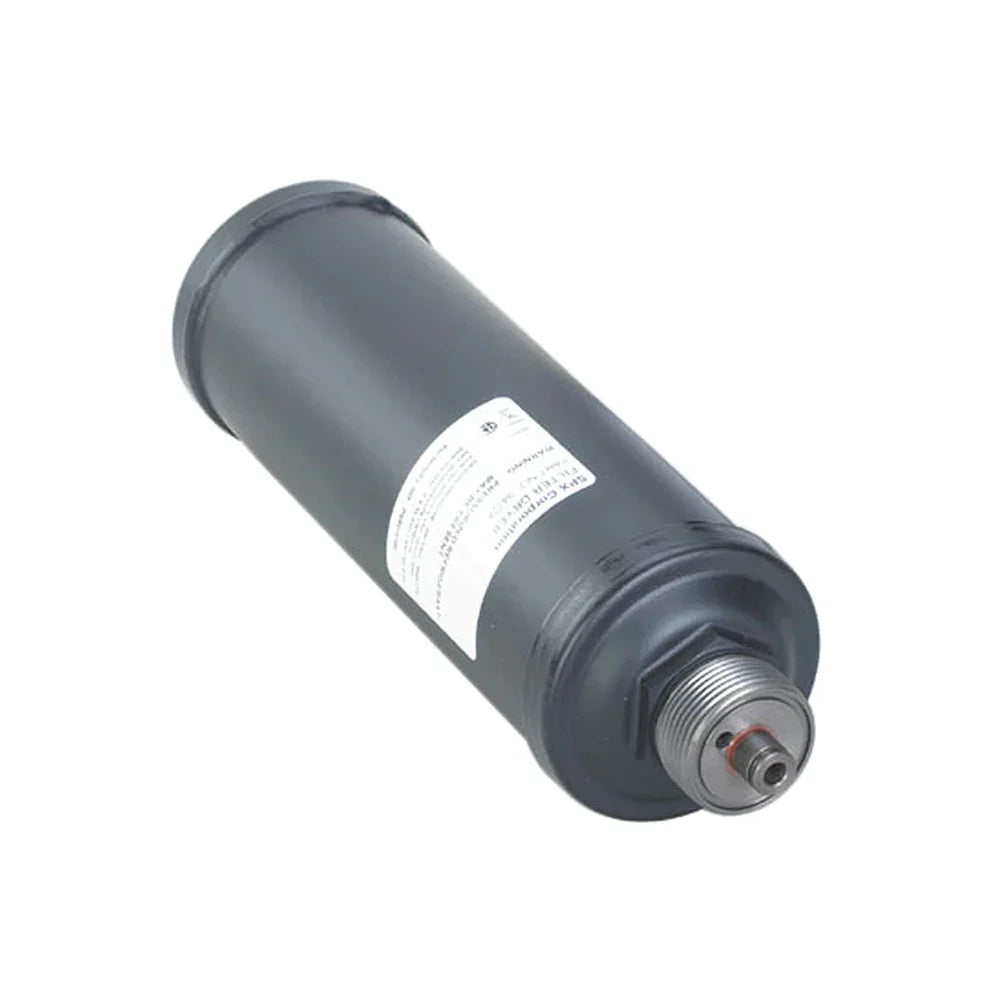
A filter drier is a combined component that removes contaminants and moisture from the refrigerant circuit. It sits on the high-pressure side of the system, typically between the condenser and the expansion device, where it prepares refrigerant before it enters critical flow restrictions.
The internal structure includes a desiccant core for moisture absorption and filtration media for trapping debris. This dual function keeps refrigerant clean and dry, which is critical for maintaining system performance.
Using high quality auto AC filter driers for system protection ensures contaminants are removed before they reach sensitive components.
In automotive systems, where tolerances are tight and components operate under pressure, even small contamination can disrupt performance. That is why the filter drier is not optional — it is a protective barrier for the entire system.
Functions of Filter Driers
The filter drier receives liquid refrigerant and prepares it for circulation through the rest of the system. Its primary role is to maintain refrigerant purity and dryness under all operating conditions.
It performs two critical tasks simultaneously. First, it removes solid contaminants such as dirt, metal particles, and sludge. Second, it absorbs moisture that could otherwise damage internal components.
When these functions are working correctly, refrigerant flow remains stable, cooling performance stays consistent, and component wear is reduced.
When they fail, everything downstream becomes vulnerable.
Why Moisture Is the Biggest Enemy
Moisture inside an AC system causes chemical reactions that lead to acid formation. These acids attack internal surfaces, corrode metals, and degrade oil quality. Over time, this damage spreads throughout the system.
Moisture can also freeze at restriction points such as expansion valves, reducing refrigerant flow and causing erratic cooling performance. This is especially noticeable in systems operating under variable loads.
Filter driers use desiccant material to capture moisture before it can cause harm. However, once the desiccant becomes saturated, it can no longer perform effectively.
Any time the system is opened, assume the filter drier has absorbed moisture and replace it immediately.
Why Filter Driers Fail
Filter driers fail because they reach their capacity or are exposed to conditions they cannot recover from. Moisture saturation is the most common cause, especially after system repairs.
Internal contamination from compressor wear can also clog the filtration media. Over time, corrosion and desiccant breakdown reduce effectiveness, leading to restricted flow and reduced protection.
Once failure begins, the system becomes vulnerable to contamination and damage.
When Does It Need Replacement?
Filter driers should be replaced whenever the system is opened. This includes compressor replacement, condenser servicing, expansion valve replacement, and major leak repairs.
Exposure to air introduces moisture immediately, reducing the remaining capacity of the desiccant. Even short exposure can affect performance.
Many professionals also recommend replacing the filter drier every two years as part of preventative maintenance, particularly in Australian conditions where systems are exposed to harsher environments.
Evacuation, Micron Behaviour, and Moisture Control
Evacuation is where the importance of the filter drier becomes even more apparent. During evacuation, vacuum pumps remove moisture and non-condensable gases from the system. However, complete moisture removal is difficult without proper filtration support.
The filter drier acts as a secondary line of defence, capturing residual moisture that evacuation cannot fully eliminate. This ensures long-term system stability.
Micron readings during evacuation provide insight into system dryness. Stable readings indicate effective moisture removal, while rising micron levels suggest contamination or leaks.
Combining proper evacuation technique with auto AC filter driers supporting clean refrigerant circuits ensures the system remains protected after servicing.
Comparison Table: Why Replacing a Filter Drier Matters
| Condition | System Behaviour | Risk Level | Outcome |
|---|---|---|---|
| New drier installed | Clean, dry refrigerant flow | Low | Stable system operation |
| Old drier reused | Moisture remains in circuit | High | Acid formation and corrosion |
| Contaminated system, no replacement | Debris circulates freely | Very High | Valve blockage and compressor damage |
| Corroded drier left in place | Structural weakness develops | High | Leaks and system failure |
Australian Conditions and Their Impact
In Brisbane, high humidity increases moisture load, making desiccant saturation more likely. In Perth, extreme heat accelerates wear and reduces component lifespan. Sydney’s coastal air introduces corrosion risk, while Melbourne’s seasonal shifts create repeated condensation cycles.
These environmental factors make proper maintenance essential. Filter driers must be replaced regularly to keep systems protected under these conditions.
Environmental exposure reduces filter drier lifespan faster than most technicians expect — adjust maintenance intervals accordingly.
Installation Best Practices
Correct installation ensures maximum effectiveness. The drier should remain sealed until the moment of installation to prevent premature moisture absorption. Flow direction must be correct, and fittings must be properly tightened to avoid leaks.
After installation, the system must be evacuated thoroughly before charging. Skipping this step reduces the effectiveness of the new drier.
Real Tradie Scenarios
In residential vehicle servicing, replacing the filter drier during repairs ensures reliable cooling performance. In commercial fleet maintenance, regular replacement reduces downtime and protects equipment.
On remote job sites across Australia, where vehicles operate in dust and heat, filter driers provide critical protection against contamination.
Cost vs Risk
Replacing a filter drier is inexpensive compared to the cost of compressor replacement or system overhaul. Skipping replacement may save a small amount upfront, but it significantly increases long-term risk.
Investing in reliable auto AC filter driers for long-term system protection is one of the simplest ways to protect your system.
Key Takeaways
Filter driers protect against moisture and contamination, maintain system efficiency, and prevent expensive failures. Proper replacement and installation are essential for long-term reliability.
👉 Browse auto AC filter driers for automotive air conditioning systems to keep your system running clean and efficient.
FAQs
Q: Can I reuse a filter drier?
No. Once exposed to air, it should be replaced.
Q: How often should it be replaced?
Typically every two years or whenever the system is opened.
Q: What happens if I skip replacement?
Moisture and contaminants can damage the system.
Q: Is rust a concern?
Yes, it can lead to leaks and system failure.