

Optimize Your HVAC System with Professional Air Balancing
HVAC air balancing is essential for boosting air circulation, improving energy efficiency, and getting the most out of your air conditioning system. It ensures the right amount of supply and return air reaches each room instead of overfeeding one area while starving another.
That matters on real jobs. Poor airflow balance can leave offices stuffy, bedrooms uncomfortable, and commercial zones inconsistent across the day. It can also push fans, dampers, and control strategies harder than they need to work. If you want results you can actually measure, you need proper airflow measurement tools rather than guesswork.
For HVAC technicians, air balancing means inspecting the system, measuring airflow, comparing actual results against design intent, and adjusting the system until it behaves properly. A small residential grille may only need a vane anemometer and careful method. A larger commercial diffuser usually calls for a proper hood-based reading. If you need a refresher on airflow testing basics, see understanding the role of an anemometer in HVAC and the CFM measurement guide.
Why Balance Your System?
If one room feels freezing while the next feels warm and flat, that is a classic airflow balance problem. The equipment may still be running, but the conditioned air is not being delivered where it should be. Air balancing fixes that by testing the system and correcting airflow distribution across the space.
The same principle applies across homes, apartment buildings, offices, and larger commercial sites. Good balancing improves comfort, cuts wasted fan energy, reduces equipment strain, and helps make performance more consistent across the whole ducted system.
It also gives you evidence. Instead of saying a system “feels better,” you can record what changed and prove that outlets are closer to target flow after adjustment.

What Air Balancing Helps Diagnose
Once you measure airflow properly, patterns start to show up quickly. Technicians can map the building, compare zone performance, and work backwards from the problem instead of replacing parts blindly.
An air balancing assessment can reveal damaged ductwork, loose joints, blocked runs, undersized sections, long duct paths that create excessive resistance, or layouts with too many sharp turns. It can also highlight poor diffuser performance, fan setup issues, dirty filters, and branch dampers that were never set properly in the first place.
That makes balancing valuable not only for commissioning but also for troubleshooting comfort complaints, repeat call-backs, and systems that seem to run hard without delivering stable results.
Air Balancing Problem Solutions
Sometimes the fix is simple. A fan speed setting may be wrong. Balancing dampers may be fully open where they should be trimmed. A thermostat or control setting may be causing airflow to behave differently than expected. In those cases, measured data helps you make targeted corrections instead of broad assumptions.
Where duct issues are the real cause, the answer may involve sealing loose joints, insulating sections, replacing crushed duct, or improving branch layout. A full duct rebuild is not always necessary. In many jobs, selective corrections and proper damper adjustment are enough to bring airflow back into a practical range.

Advantages of Using Air Balancing Tools
Boost energy efficiency
Unbalanced airflow makes the system work harder than necessary. Supply fans can run longer, conditioned air can be dumped into the wrong spaces, and occupants may keep adjusting controls because the comfort never settles. Proper testing helps stop that waste.
Improve HVAC equipment life
When airflow is closer to design, fans, coils, and control components are not constantly compensating for preventable problems. That means less strain across the system and a better chance of long-term stable performance.
Increase comfort levels
Comfort complaints often come down to delivery, not just capacity. Balancing helps remove hot spots, cold patches, and dead rooms by getting the right amount of air where it actually needs to go.
Improve indoor air quality
Correct airflow supports better ventilation performance and helps avoid stagnant pockets where air exchange is poor. That matters in homes, offices, and fit-outs where comfort and indoor air quality sit side by side.
If you want a broader explanation of hood-based airflow testing, HVACShop also has a background article on air balancing hoods. It pairs well with this article if you are comparing tool types or training newer staff.
Air Balancing: Basic Steps
You can balance systems in different ways depending on the job, but the workflow usually follows the same logic.
Step 1: Gather the paperwork
Start with duct layouts, equipment details, design airflow targets, and any commissioning notes available. If those records are missing, sketch the system, identify each outlet, and create a simple comparison sheet for design versus measured airflow.
Step 2: Verify operation matches design
Run the system close to normal operating conditions. Check fan speed, filter condition, damper positions, and any obvious restrictions. Make sure you are testing a system that is ready to be tested, not one that is failing due to a basic maintenance issue.
Step 3: Measure airflow at each outlet
Choose the right tool for the outlet type. A vane or hot-wire anemometer is useful for smaller grilles, registers, and duct traverses. A flow hood is the better choice when you want fast, repeatable CFM readings at larger supply or return terminals. HVACShop’s current air balancing range includes hood kits for direct diffuser measurement, while its airflow content also highlights anemometer-based testing for smaller outlets and CFM checks. :contentReference[oaicite:1]{index=1}
Step 4: Adjust branch dampers
Compare measured airflow against the target and trim the high-flow branches back first. It is normal to go through a few rounds before the system settles into an acceptable balance.
Step 5: Re-measure and lock in
Once the airflow pattern is stable, record the final readings and secure damper positions. Good air balancing is not just about making adjustments. It is about documenting the result so the next technician can see what was done and why.
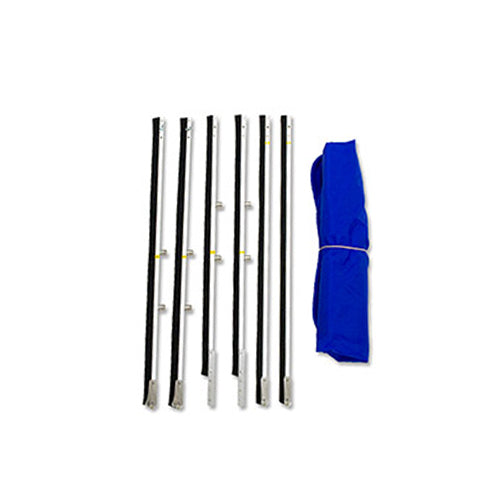
Professional Technician Air Balancing Tools
A professional balancing setup usually includes more than one instrument because no single tool handles every airflow situation perfectly.
For terminal airflow, an air balancing hood is the natural choice when you need direct diffuser readings and a fast commissioning workflow. For smaller outlets, spot checks, and duct airflow work, an anemometer remains one of the most useful tools in the kit. If you want a quick HVACShop collection overview for airflow and balancing work, the Testo collection also highlights anemometers and IAQ tools used for comfort, airflow, and verification jobs.
Balancing workflow
- Assemble design details and operating conditions
- Inspect the system and start it correctly
- Take initial airflow measurements
- Compare design versus actual airflow and adjust
- Complete final testing and documentation
Common instruments
- Air balancing hood for supply and return diffuser airflow
- Anemometer for air velocity readings and smaller outlets
- Manometer for static pressure testing
- Thermo-hygrometer for temperature and humidity checks
Balance Air with Professional Air Balancing Tools
Air balancing is one of those HVAC jobs where better tools lead to better decisions. When you can measure properly, you can diagnose properly. That means fewer assumptions, cleaner commissioning, and a more defendable result when a client wants proof the system is delivering what it should.
If your next job involves diffuser testing, commissioning, or airflow verification, start with HVACShop’s air balancing hood range. For training, background reading, and cluster support, keep these related guides nearby: anemometer basics, CFM measurement, and air balancing hood fundamentals.
FAQs
Q: When should I use an anemometer instead of a flow hood?
A: An anemometer suits smaller grilles, registers, and duct traverses where you are measuring air velocity and converting it properly. A flow hood is usually the better choice for larger supply and return diffusers when you want quicker direct airflow readings.
Q: Are air balancing hoods mainly for commercial work?
A: They are more common on commercial and larger ducted jobs, but they are also useful anywhere accurate terminal airflow readings matter and the outlet size suits hood-based testing.
Q: Can air balancing really reduce call-backs?
A: Yes. Measured airflow gives you a defensible basis for adjustment, which helps reduce guesswork, unresolved comfort complaints, and repeat visits.