
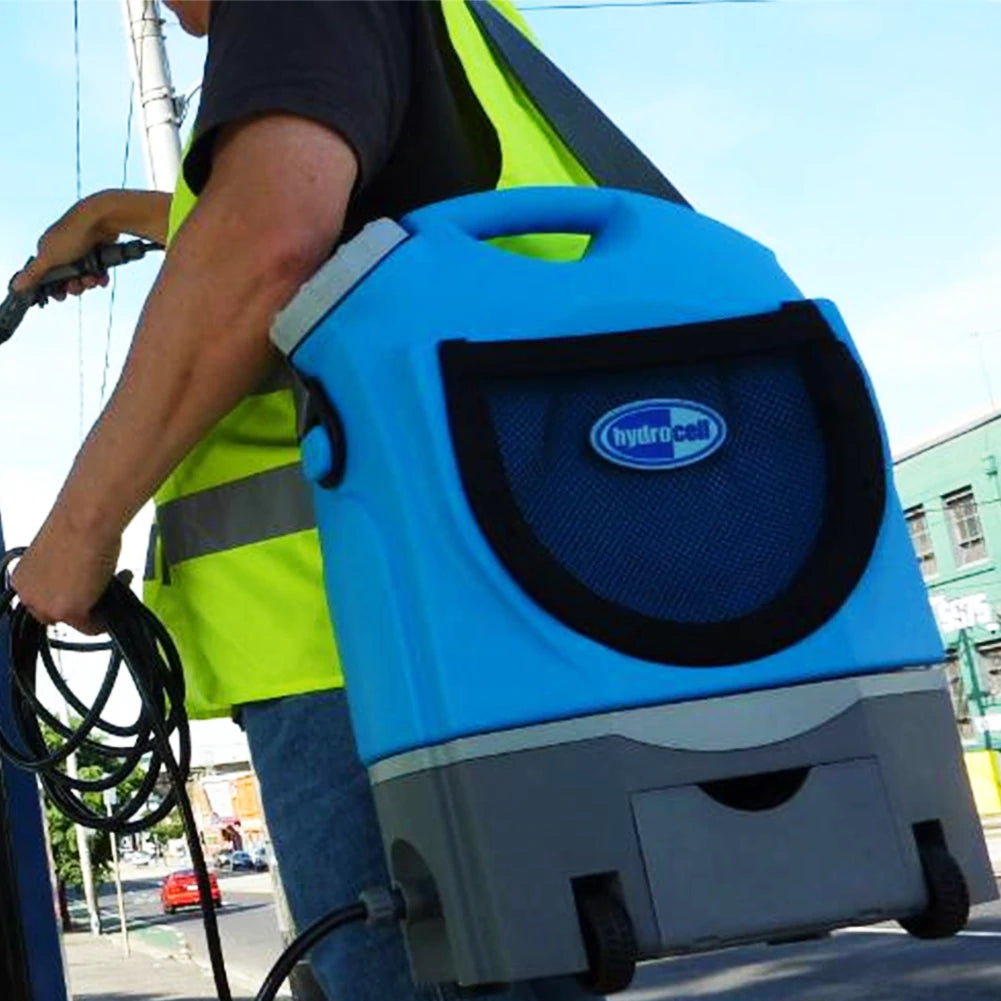
Cleaning Air Conditioner with Pressure Washer: Expert Guide
Cleaning is necessary for maintenance personnel and maintenance workers to keep equipment running correctly and buildings well kept. When it comes to large cleaning chores like cleaning your aircon, you'll often need the power of a great air conditioner pressure cleaner to do the job fast and effectively.
An air conditioner pressure cleaner is available in various sizes, pressures, and flow rates. Each pressure/flow combination has a design to perform a specific cleaning task. If you choose a pressure washer that is too little, you will be cleaning for hours on end. Picking one too large will result in damaged surfaces or periodic cleaning.
This article will try our best to cover all things you need to know about air conditioner pressure cleaners.

Aircon Cleaning with a Good Air Conditioner Pressure Cleaner
It's aggravating when your air conditioner breaks down when you need it the most. Unfortunately, many households experience this due to insufficient care and maintenance or mistiming. Like any other electrical item, cleaning and servicing your air conditioner is essential to keep it functioning smoothly. It's especially important in areas where the weather remains hot for months, implying excessive use of cooling systems in the home.
Air Conditioner Pressure Cleaner
Many folks don't seem aware that pressure washing isn't all about the pressure. Pressure washers' pressure and flow ratings have a measurement of pounds per square inch (PSI) and gallons per minute, respectively (GPM). When you multiply these two figures, you get the effective cleaning units, which measure the machine's cleaning ability (ECU or CU). The cleaning requirements for a certain surface may be specified in ECO or occasionally only PSI, depending on who you're talking to or what material you're reading. In general, the higher the flow (GPM) given the rated pressure (PSI), the better.

WHY CLEAN YOUR AIRCON REGULARLY?
There are three significant reasons to clean your air conditioners regularly.
SAVE MONEY ON YOUR ELECTRIC BILL.
When a unit is unclean, it has to work more to cool or heat the air since it is choking as it attempts to draw air through it to be chilled or warmed. The more power a unit requires, the harder it has to work to achieve the desired outcome! Cleaning your unclean air conditioner/heat pump regularly might save you up to 30% on energy costs.
AVOID CONTAMINATION BY MICROBES.
Microbial contamination, including fungi, mould, and bacteria, infects all frequently used air conditioners/heat pumps. Air conditioners/heat pumps provide the ideal environment for such toxins, which, of course, become airborne each time the unit is turned on, which is terrible news for asthma and allergy sufferers, youngsters, and the sick. It virtually eliminates microbial contamination, allowing you to breathe clean air once more.
THE LIFE OF YOUR AIR CONDITIONING UNIT WILL EXTEND.
An air conditioner that is cleaned regularly will last much longer than one that is not. If you bought a new car and never serviced it, you could easily reduce its life expectancy by up to 75%! It's the same with your air conditioner.

How to Clean Aircon Coils with an Air Conditioner Pressure Cleaner
If air conditioner coils aren't cleaned, dirt and grime build-up, making the system work harder. Not only that, but dirty air conditioner coils raise your system's operating costs and reduce cooling.
Dirty coils also shorten the life of your equipment and prevent proper heat transfer, necessitating the use of additional electricity to keep the system running. Mould and other contaminants can spread through dirty evaporators, resulting in poor indoor air quality and the possibility of respiratory difficulties.
A clean system lasts longer, operates at maximum efficiency, and saves money on costly repairs. Washing the evaporator and air conditioning coils can increase the effectiveness of your cooling system by 16 per cent.
If the aluminium fins, which are responsible for heat exchange, are bent, they are irreversibly damaged. According to the experts, the most effective technique to fully clean dirt from coils is to use high-pressure cold water. Dirt is pushed out of the coils by pressurized water, but too much pressure might bend the coil's fragile fins. It would help if you did not use heat and steam to clean coils because they create high pressure within the coils, damaging them.
A coil cleaner with a low-pressure fan nozzle cleans debris from coils while maintaining the pressure below 140 psi to avoid damaging the coils.
Adding a nontoxic, biodegradable foaming detergent to the cleaner penetrates and loosens stubborn dirt and grime from coils. Mould, mildew, and other pollutants are prevented by spraying a moulding inhibitor on the coils after cleaning. For at least three months, adding biocide tablets to the drain pan prevents slime and other bacterial growth.
Air Conditioner Pressure Cleaner from HVAC Shop
When the evaporator and condenser coils are tidy, air conditioners run more efficiently. Cleaning your air conditioner regularly will save you money and keep your home cooler.
Get your own air conditioner pressure cleaner from HVAC Shop. We're one of the biggest VAC retail shops in Australia. Browse through our store, and you might find the piece of equipment that you're looking for. You can also find aircon cleaning kits, including pressure cleaners and aircon cleaning bags.