Premium Tools for Professionals

If you searched why bradley tools, you’re probably not chasing a shiny gadget. You’re chasing trust. Tools that feel consistent, survive trade life, and help you avoid the small mistakes that turn into leaks, call-backs, and wasted hours.

Here’s the hard truth about “professional tools”. Not all of them are equal. Some look great on day one, then drift, slip, round fittings, or feel different week to week. That’s when a “cheap win” turns into a slow bleed of time and stress.

In HVAC and refrigeration, quality problems show up fast because the work is unforgiving. A flare that isn’t clean can leak. A fitting that’s over-tightened can crack or distort. A pressure test setup that isn’t stable can waste half a day chasing false drops.

This guide explains why Bradley stands out from a tradie point of view. We’ll look at brand philosophy, quality signals, how Bradley compares with other popular brands, what happens to tools in Australian conditions, and what to expect from support in Australia.

If you want the “big picture” first, start with our Bradley tools overview, then come back here when you’re ready to decide if Bradley is the right fit for your workflow.

If you’d rather browse as you read, open the Bradley professional tools collection and use this article as your filter. The goal is not to buy more tools. The goal is to buy the right tools in the right order.

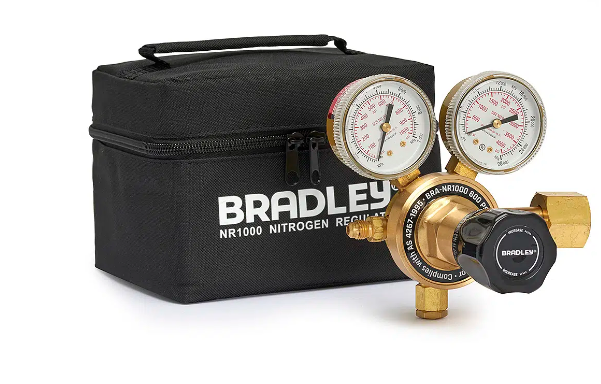
Bradley NR1000 nitrogen regulator kit in carry case for controlled HVAC pressure testing

One more thing before we get into the details. “Better tools” is not about ego. It’s about controlling the steps that cause pain when they go wrong. In HVAC, the biggest pain is usually leaks and rework. So this whole guide keeps coming back to one question: does this tool make the leak-risk steps calmer and more repeatable?

Bradley Brand Philosophy

Brand philosophy sounds like marketing, but for tradies it becomes practical fast. A brand’s “philosophy” shows up in the boring stuff: how a tool feels, how it holds accuracy, how it survives van life, and whether you can keep it in service without drama.

Bradley is positioned around professional-grade use. That means the tools are meant for daily handling, not occasional weekends. If that sounds obvious, it’s because many tools in the market are still built more for light use than real trade repetition.

When a brand is built around daily use, you usually see it in three places. First, in fit and feel. Second, in how the tool behaves after months of knocks. Third, in whether the brand has “system” thinking, where tools work together instead of fighting each other.

Professional-grade commitment

In HVAC, “professional-grade” should mean one thing: repeatable results. You can do the same step the same way, and the tool supports you instead of fighting you. That’s how you reduce call-backs without turning every job into a slow, stressful checklist.

A simple example is tightening. If a tool helps you tighten consistently, your flare leak rate usually drops. If a tool makes tightening feel like guesswork, you get random outcomes. Bradley’s approach is aimed at removing that randomness where it matters.

This doesn’t mean mistakes disappear. It means the tool helps you keep your process steady, even when the job is messy or the day is long.

Precision engineering focus

Precision doesn’t mean “fancy”. It means predictable. A predictable tool helps you build predictable technique. And predictable technique is what makes your work feel calm, even when the job is awkward.

Precision also includes fit. Proper fitting tools reduce slipping and rounding. That’s not just convenience. It prevents damage that creates extra repair work where there should not be any.

If you’ve ever rounded a flare nut in tight access and then spent an extra hour fixing a problem you didn’t need to create, you already understand why fit matters.

Durability for daily use

Daily use is brutal. Tools get knocked, dropped, and squeezed into tight access. They get used in roof spaces, plant rooms, and outdoor sites. Durability isn’t about looking tough. It’s about staying consistent after real handling.

A durable tool keeps doing its job the same way. A weak tool becomes “quirky”. Quirky tools create mistakes, and mistakes create call-backs.

And durability isn’t only metal thickness. It’s also how threads hold up, how moving parts stay smooth, and how tools handle grit and moisture over time.

Quality over quantity

One reason techs ask “why choose Bradley” is because they want fewer tools that do more of the important work properly. A quality-first approach usually means you buy fewer pieces, but the pieces you do buy protect the steps that cause the most pain when they go wrong.

In HVAC, those painful steps are usually pressure testing, flare quality, and controlled tightening. If those three are strong, your week gets easier.

This is also why “system” brands appeal to working pros. You’re not building a random pile of tools. You’re building a workflow.

Australian market focus

Australian tradies don’t work in showroom conditions. We work in humidity, dust, heat, and salt air. We also work across mixed job types: residential splits, heat pumps, commercial service, and refrigeration.

“Australian focus” is best treated as a practical question, not a claim. Ask: does the tool suit the way you actually work here? Does it store well in a van? Does it stay usable when conditions are rough? Can you get support locally? That’s what matters.

And if your work includes remote sites, the “support” question matters even more. A tool that can’t be supported is a tool that can turn into downtime when you least need it.

Did You Know?

A lot of tool “failures” are really workflow failures. The tool might be fine, but the process is mismatched. The brands don’t fit together, the storage is poor, or the job step is being rushed. A system approach reduces those weak points.

That’s the philosophy piece in plain language. Bradley tends to attract techs who want less “tool drama” and more predictable results, especially in the steps where mistakes cost the most.

Bradley Quality: What Sets Them Apart

When people search bradley tools quality, they usually want a simple answer: “Are they actually better, or is it just branding?” The honest answer is this. Quality is not one thing. It is a stack of small decisions that show up in use.

Quality is materials, yes. But it’s also build feel, repeatability, and whether the tool stays consistent after months of trade handling. It is also how easy it is to keep that tool in service when something wears out.

If you want to judge quality properly, don’t judge it by a photo. Judge it by what it prevents. Does it prevent over-tightening? Does it prevent drift? Does it prevent sloppy fit issues? Does it prevent you from “making it work” with bad habits?

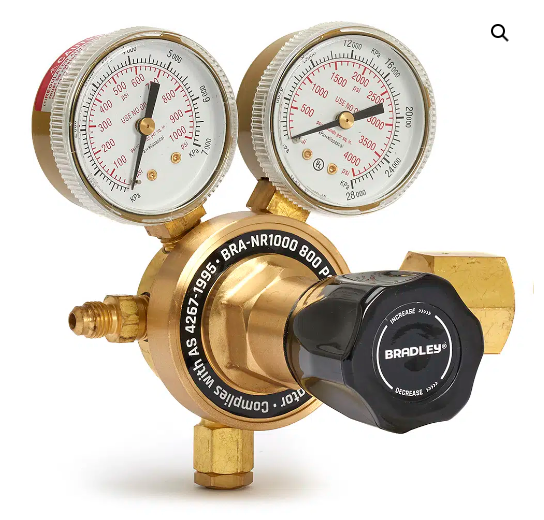
Close-up of Bradley NR1000 regulator gauges and brass body for clear pressure monitoring

Premium materials (brass construction)

Bradley is often associated with robust materials in key categories, especially in gas and pressure control equipment where brass construction is common in the industry. The safe way to treat this is simple: don’t assume every tool is built from the same material. Confirm the exact product listing for the model you’re considering.

In practical terms, the “material” question is really a corrosion and wear question. Do threads stay smooth? Do fittings seat cleanly? Does the tool resist rough handling better than the cheaper options you’ve had before?

For pressure gear, materials and build quality often show up as fewer leaks at the tool itself. That matters because a leak at your own fitting can look like a system leak, and that wastes time.

If you want a clear product example where build and consistency matter, look at nitrogen testing. The Bradley NR1000 precision guide explains why stable pressure control changes your day on site, especially when you’re trying to trust a long pressure hold.

Precision manufacturing standards

“Standards” can be a vague word. For tradies, the practical test is behaviour. Does the tool behave the same way every time? Does it feel smooth? Does it lock in and stay locked in? Can you use it on a bad day and still get a good result?

For torque tools, precision shows up as consistent click behaviour and predictable tightening results. For pressure tools, it shows up as stable output, readable gauges, and predictable adjustment.

Torque is a great example because flare leaks are so common. If your tightening process is inconsistent, your leak risk stays high. That’s why a lot of techs care about torque tools early, and why the Bradley torque precision guide is useful if you want the “how to use it properly” angle.

Quality control processes

Quality control matters most for measurement-type tools. Anything that claims “accuracy” needs a baseline, and it needs a way to stay accurate over time. That is why documentation, calibration pathways, and safe storage matter.

The best buyer habit is to treat the listing as your source of truth. Confirm what paperwork is included. Confirm what the kit includes. Confirm what the ongoing care expectations are. That’s how you avoid buying something that looks right but doesn’t suit your workflow.

This is also where buying from an HVAC-focused supplier helps. The support tends to be more practical. You can ask the right questions and get answers that match trade reality.

Professional-grade specifications

Specs are useful, but only when you use them safely. The biggest mistake buyers make is chasing the biggest number instead of the right behaviour.

With nitrogen regulators, the “max pressure” isn’t the whole story. Stable output and smooth adjustment are what make pressure testing calm. With torque tools, the “range” isn’t the whole story. Correct technique and consistent tool behaviour are what prevent leaks.

If you want concrete examples inside the range, these two pages are common reference points for how Bradley targets repeatable outcomes: the Bradley NR1000 flagship and the Bradley TW4 popular choice. Use them as examples of “control tools” that reduce guesswork in core job steps.

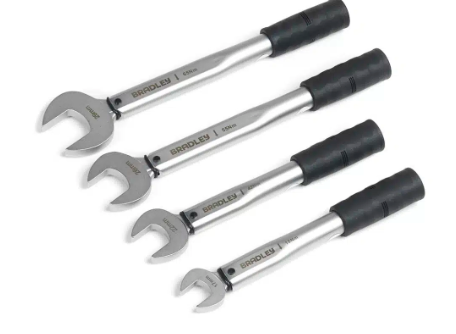
Bradley TW4 pre-set torque wrench set for consistent flare nut tightening on split installs

Long-term reliability

Reliability is not only build. It is also storage and routine. A great tool stored poorly becomes average fast. A good tool stored properly can stay trustworthy for years.

This is where Bradley tends to appeal to professionals. The brand is often chosen by techs who want a kit that stays consistent. That consistency reduces mental load. You stop second-guessing your tools, and you can focus on the job.

Long-term reliability also shows up in whether the tool becomes “temperamental”. If you need a weird trick to make a tool behave, that tool is costing you attention. Good tools should be boring. They should just work.

Tech Specs

Quality is not just “better materials”. On real HVAC jobs, quality shows up as stable readings, smooth adjustment, predictable torque behaviour, and reliable fit on fittings and fasteners. If you want certainty, confirm the exact model details on the listing and match the tool to the job step you need to control.

If you want the full “system view” of how Bradley tools fit together as a kit, the complete Bradley tool range guide is a practical next step. It helps you build a kit like a tradie, not like a catalogue.

Bradley vs Competitor Brands

People don’t compare brands because they love spreadsheets. They compare because they’ve been burned before. A regulator drifted. A torque wrench felt inconsistent. A tool rounded a fitting in tight access. Then the job got slow and the customer got cranky.

This table is a practical “positioning” comparison. It’s not a promise of exact warranty terms or exact prices, because those vary by product and supplier. Think of it as a buyer guide that reflects how these brands are commonly positioned in the HVAC market, then confirm specifics on the exact model you’re buying.

Also, “best” depends on the user. Some techs want maximum durability for daily use. Some want a more entry-level option while they learn. Some want the easiest local support path. The right choice is the one that suits your work and your risk tolerance.

If you want a focused comparison in the nitrogen regulator space (where Bradley often gets compared), the Bradley vs competitors guide is a helpful baseline before you choose any single model.

Brand Quality positioning (typical) Warranty positioning (typical) Price positioning (typical) Best for
Bradley Excellent (trade-focused, consistency-first) Often positioned as strong (confirm supplier terms) $$$ (mid-to-premium, depends on tool) Pros who want repeatable results and a system approach
Mastercool Very good (model-dependent) Often positioned as good (confirm supplier terms) $$ (varies by range) Pros who want known platforms and specific tool features
Imperial Good (often strong in specific categories) Often positioned as standard (confirm supplier terms) $ (entry-to-mid depends on model) Entry buyers or techs targeting specific tool types
Hilmor Excellent (premium positioning in many tool categories) Often positioned as strong (confirm supplier terms) $$$$ (premium) Pros who want premium build and are comfortable paying for it

The practical takeaway is this. Bradley is often chosen for repeatability and “system fit”, especially when you want your pressure testing, torque process, and kit organisation to work together without constant fiddling.

If you’re deciding between Bradley and another brand, don’t start with the logo. Start with the job step you need to control. Is it pressure testing stability? Is it flare tightening consistency? Is it durability in harsh site conditions? Once you know the weak point, the right brand choice becomes clearer.

Also remember this: it’s totally normal to have different brands in your kit. The key is not “one brand only”. The key is avoiding mismatched gear that creates inefficiency or false problems. Bradley tends to appeal when you want a cleaner system approach for the core steps.

Bradley Tools in Australian Conditions

A tool can be “great” in a clean workshop and average on a roof. Australian conditions are a stress test for tools, and that’s one reason brand choice matters here.

If you’ve ever had a tool go gritty, sticky, or corroded from van storage, you already know the pain. The best tool in the world isn’t helpful if it feels rough or unreliable when you need it.

Bradley torque wrench kit stored in protective case to handle Australian van life and jobsite travel

Durability in heat, humidity, and dust

Heat and humidity are a nasty combo. Brisbane humidity pushes moisture into bags and cases. Heat bakes seals and accelerates grime. Dust then sticks to everything and turns clean threads into gritty threads.

The practical approach is to choose tools that handle daily use, then store them like they matter. Keep cases closed. Keep threads clean. Wipe tools down before they go back into storage. This sounds basic, but it’s what keeps “premium tools” premium.

Humidity also plays with feel. A tool that’s starting to corrode can feel “sticky” even before you see obvious rust. That’s a warning sign. If a tool starts feeling inconsistent, clean it, check it, and store it better before it turns into a job problem.

Coastal corrosion resistance

Sydney coastal air and other salt-air environments can chew through poorly protected metals. Corrosion shows up on threads first. Threads that feel rough create poor seating. Poor seating creates leaks and frustration.

A system-based kit helps because it usually encourages better storage. Tools with proper cases and dedicated places in the van tend to survive coastal life better than tools thrown loose in a tray.

The real win in coastal work is habits. Keep gear dry. Avoid leaving tools exposed. Don’t store pressure gear with wet rags or damp gloves. Small habits beat big spending if you’re consistent.

Outback remote work reliability

Remote work changes your priorities. Availability becomes a big factor. A tool is not helpful if you can’t support it when something wears out. That’s why tradies doing remote work often prioritise reliability, simple maintenance routines, and buying through channels that can ship parts and support quickly.

A lot of remote pain is “downtime pain”. A regulator that leaks, a torque tool that feels off, or a missing piece in a kit can stop a job. That’s why reliable kit planning matters more in remote work than in metro work.

Remote jobs also punish over-complication. If a tool requires a complex setup and you’re doing work in a dusty yard or on a roof in strong wind, simplicity matters. Bradley’s appeal here is often about controlled, repeatable core steps, not fancy extras.

High-rise installation challenges

High-rise and tight-access work punishes awkward tools. If you can’t get a clean angle, you introduce side load. Side load rounds fittings and creates mistakes. This is where proper fit tools, consistent torque processes, and clean workflow become quality control, not just comfort.

When your day is awkward, the tools that reduce decision load and improve predictability are the tools that earn their keep.

This is also where you see the value of “boring” tools. Tools that are the right size, the right shape, and easy to use without weird angles. If the tool helps you work cleanly in awkward access, it’s a keeper.

Long-term Australian testing

“Long-term testing” is best treated as lived reality. The test is simple. Does the tool feel the same after months of use? Does it keep doing its job without becoming “temperamental”? Do you still trust it on a hard day?

That’s the Australian test. If the tool passes that, it’s worth keeping in your core kit.

And if you want long-term performance, don’t ignore the boring bits: wipe down, store properly, don’t cross-thread, don’t over-tighten, and don’t force damaged fittings. Those habits protect any brand, and they help premium gear stay premium.

Bradley torque wrenches stored in hard case to protect tools from dust and knocks on site

Warranty and Support in Australia

When people search bradley tools warranty australia, they are usually asking two things. What happens if something fails? And can I keep this tool in service without my week falling apart?

Warranty terms vary by product and supplier, so the correct approach is to confirm the current terms at the point of purchase. The practical value isn’t the brochure. It’s the support pathway. How quickly can you get help? Can you get parts? Can you get guidance that’s actually relevant to HVAC work?

Standard warranty terms

Because warranty terms can change, don’t assume. Confirm the exact coverage with the listing or supplier. The smart buyer habit is to treat warranty as part of the purchase decision, especially for measurement and testing gear.

If your workflow depends on a tool, your risk is higher. That means warranty clarity matters more.

Also remember this: warranty is not a replacement for good handling. A tool that’s been dropped hard, cross-threaded, or abused can fail in ways that no warranty can magically erase. Controlled use matters.

Australian service network

The “service network” question is really a speed question. When something goes wrong, how fast can you get back to work?

Buying through an HVAC-focused supplier helps because the advice is usually better and the parts pathway is usually clearer. It’s not just about stock. It’s about support that fits your job.

If you are building a kit across multiple job steps, it’s also helpful when the supplier understands how those steps connect. For example, torque discipline and pressure testing discipline work together. Support should understand that too.

Calibration services

Calibration matters for tools that measure and control. Pressure gear and torque gear both live in that world. The best approach is to ask about calibration pathways before you need them, not after you’ve had a problem.

Calibration doesn’t have to be scary. It can be a simple scheduled check inside your business process. The point is keeping your tools trustworthy so you don’t create errors while thinking you’re being “more professional”.

If you are doing commercial work where documentation matters, calibration and record keeping becomes even more useful. It’s a practical way to show your method is controlled.

Technical support access

Technical support is most valuable when it’s practical. You don’t need someone to read specs at you. You need help matching the right tool to your cylinder fitting, your hose setup, your flare sizes, or your job type.

This is also where it helps that Bradley is often presented as a “system”. When tools fit together, support becomes easier because you’re not trying to make mismatched parts behave.

And if you’re not sure what to prioritise first, good support should ask you about your work mix. Residential installs? Commercial service? Refrigeration plant rooms? Your answer changes the kit path.

Spare parts availability

Spare parts availability decides whether a tool is a long-term investment or a short-term purchase. If a small part wears and you can replace it, your tool stays in service. If you can’t, you end up replacing whole tools more often than you want.

A good buyer habit is to ask one simple question: if this tool is down, what’s the plan? Can you get parts? Can you get guidance? Can you get a replacement fast? That plan is part of “value”, even if it’s not written on the box.

One simple safety mindset that helps here is to treat tool choice as risk control. You’re not only choosing “quality”. You’re choosing lower risk of failures and safer, more controlled work. SafeWork Australia’s guidance on risk management basics is a good reminder that controlled processes reduce incidents and reduce rework.

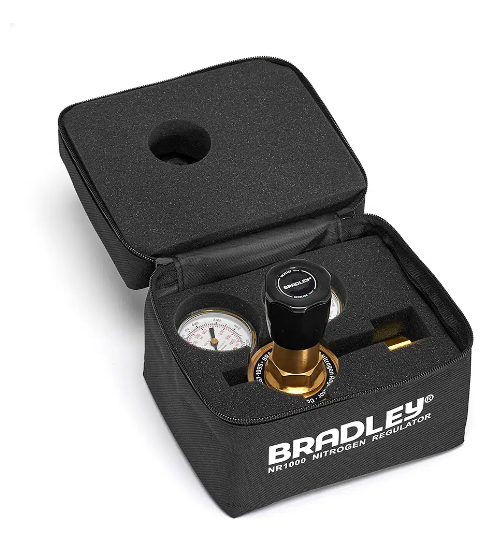
Bradley NR1000 regulator stored in protective case to keep gauges safe during transport

Professional Tradie Testimonials

This section is tricky because “testimonials” can easily turn into made-up quotes. We’re not doing that. Instead, here’s the honest way to handle social proof as a buyer: look for repeated patterns in real technician feedback, and match those patterns to your own pain points.

When people search bradley tools customer reviews, they usually want to know what changes in day-to-day work. Not what looks good in a photo. Day-to-day changes are things like fewer leaks, faster setup, less fighting with tools, and fewer “this tool is acting weird today” moments.

So instead of inventing quotes, here’s what to look for and how to interpret it as a working tech.

Real Australian tech experiences

Across Australia, HVAC work has a shared reality. Tools live in vans. Jobs are rushed sometimes. Weather is rough. Access is tight. So the best feedback is always about consistency. Tools that behave the same way every job reduce stress.

If you’re reading reviews, look for the boring phrases. “Feels consistent.” “Stops me over-tightening.” “Holds pressure properly.” “Fits better in tight access.” Those boring phrases are the ones that usually mean the tool is doing its job.

Also watch for the context. A residential installer cares about flare outcomes. A refrigeration tech cares about pressure testing confidence. Same brand, different priorities.

Time savings reported

The biggest time savings in tools rarely comes from “faster tightening”. It comes from fewer mistakes. If a torque tool reduces leaks, you save the biggest time cost of all: return visits.

If a testing setup makes pressure holds stable and readable, you save time because you stop chasing false leaks. That’s why quality testing gear often pays back faster than people expect.

The best time savings is calm time savings. Not rushing. Not skipping steps. Just fewer problems to fix after the fact.

Quality and reliability feedback

Reliable tools reduce mental load. When you trust your tool, you stop second-guessing. You do the job step, then you move on. That’s what professionals want: fewer distractions, fewer doubts, fewer “just in case” re-checks that eat time and still don’t give certainty.

When you see reviews that mention “confidence” or “less second guessing”, that’s a real trade value. Confidence doesn’t mean ego. It means fewer avoidable mistakes.

Long-term tool performance

Long-term performance is where the real differences show up. Many tools are fine for a few weeks. The trade test is months and years. Does the tool still feel right? Does it still seat properly? Does it still click consistently? Does it still hold stable?

That’s why storage habits show up in reviews too. Techs who store their tools properly usually report better long-term consistency. It’s not glamorous, but it’s real.

When you read long-term feedback, watch for mention of van life. Dust, moisture, and knocks are the real enemy, not “normal use”.

Professional recommendation rate

Instead of chasing a “recommendation rate” number, use a better buyer method. Look at how many independent people mention the same benefit. If multiple techs mention “repeatable results” and “less rework”, that’s a strong signal.

Also look for what people complain about. If the complaints are about price, that may still be fine if the tool reduces call-backs. If the complaints are about inconsistency or support, that’s a bigger concern.

Pro Tip

When you read tool reviews, ignore hype and focus on repeat problems. If a tool fixes a repeat problem in your week, it’s worth more than a tool that looks “premium” but doesn’t change outcomes.

That’s the clean way to use social proof without falling for marketing. Match the feedback to your pain points, and you’ll make better buying decisions.

Choose Bradley for Professional Work

So, why Bradley tools? The simple answer is consistency. Bradley is often chosen by professionals who want repeatable results in the job steps that cause the most pain when they go wrong: pressure testing, tightening, and connection quality.

If you want the “system view”, here’s the clean way to think about it. Bradley aims to reduce variables. Fewer variables means fewer leaks. Fewer leaks means fewer call-backs. Fewer call-backs means more control over your week.

A good starting point is to build around your biggest failure point. If your pain is leak testing confidence, start with the testing side and understand how a stable regulator fits your commissioning workflow. If your pain is flare leaks, start with torque discipline and connection consistency. If your pain is a messy mismatched kit, start by planning the system.

If you want to see the range as a whole, the complete Bradley tool range guide is a practical next step because it maps tools to job steps rather than listing them like a catalogue.

If you want to browse what’s available and build a staged kit, you can invest in Bradley quality Australia-wide. If you’re unsure what suits your job mix, talk to our team to confirm compatibility before you commit, or contact us for a quote if you’re fitting out a van and want to stage the investment properly.

Bradley adjustable torque wrench detail for controlled tightening in tight access HVAC work

Final thought: the best tool brand is the one that supports your process. If Bradley supports your process by making critical steps more repeatable, it’s a smart choice. If your pain points sit elsewhere, build your kit around those first. Either way, the goal stays the same: fewer leaks, fewer call-backs, and a calmer week.

Bradley hvac toolsBradley toolsBradley torque wrenchFlaring toolsHvac tools australiaLeak preventionNitrogen regulatorPressure testingRefrigeration toolsTorque wrenchTradie tool kit

Blog posts

View all

Why Choose Bradley Tools? A Practical HVAC Guide for Australian Tradies

Bradley HVAC ToolsRica Francia Macaspac

If you’re asking “why choose Bradley tools”, you’re really asking one trade question: will this gear make my work more repeatable and reduce call-backs. This guide breaks down what sets Bradley apart in real HVAC use—pressure testing confidence, consistent tightening, durable fit in tight access, and support that matters when tools live in vans, coastal air, dust, and humidity across Australia.

Bradley Tool Range Guide: Build a Complete HVAC Toolkit for Australian Tradies

bradley flaring toolRica Francia Macaspac

If you’re searching the Bradley tools range, you’re probably not chasing one “nice tool” — you’re building a system you can trust on real HVAC jobs. This guide breaks the Bradley range into the job steps that matter most: nitrogen pressure testing (NR1000), repeatable flare tightening (TW4/TW8 torque tools), and flaring + prep tools that keep copper connections consistent. We’ll also show a sensible kit-building order for Australian conditions, so you reduce call-backs, avoid mismatched gear, and keep your workflow calm and repeatable.

Bradley Torque Wrench Guide: TW4 vs TW8 for HVAC Flare Nuts in Australia

Australian HVAC ToolsRica Francia Macaspac

Bradley torque wrenches take the guesswork out of flare nut tightening, helping Aussie HVAC techs reduce leaks caused by over-torque and under-torque. This guide breaks down TW4 pre-set vs TW8 adjustable options, where each one fits on installs vs service work, and the simple technique, storage, and calibration habits that keep your tightening consistent and call-backs low.

Bradley NR1000 Guide: High-Pressure Nitrogen Regulator for HVAC Testing in Australia

bradley nitrogen regulatorRica Francia Macaspac

If you’re looking at the Bradley NR1000, you’re chasing one thing: pressure control you can trust. This guide explains what the NR1000 nitrogen regulator is built to do, how it helps with stable pressure testing and controlled purging, what to check for Australian cylinder and hose compatibility, and how to maintain it so your leak checks stay calm, repeatable, and reliable.

Bradley HVAC Tools Guide: Pro-Grade Tool Picks for Australian Tradies

Bradley HVAC ToolsRica Francia Macaspac

If you’re searching Bradley HVAC tools, you’re probably trying to cut down leaks, call-backs, and wasted hours — not buy another “nice looking” gadget. This guide breaks down the Bradley range in plain Aussie trade terms, including where NR1000 nitrogen regulators, TW4/TW8 torque wrenches, and RF100-style flaring tools fit in real installs, service, and commissioning. You’ll also learn how to build a staged Bradley kit based on the work you actually do, so your tools stay consistent, durable, and job-ready in Brisbane humidity, Sydney coastal air, and Melbourne cold snaps.

Propane Torch HVAC Guide: How to Choose the Right Torch for Copper Work in Australia

Copper brazingRica Francia Macaspac

A practical Propane Torch HVAC Guide for Australian tradies who want reliable heat for copper work without overspending. Learn what propane torch temperature really means on the job, how torch heads and flame shape change performance, when propane is the right daily fuel, and when it makes sense to upgrade to MAP-Pro—plus a clear propane vs MAP-Pro vs butane comparison and troubleshooting tips.