
Reviewed by: HVAC Shop Technical Team
Published: March 2026
Last reviewed: April 2026
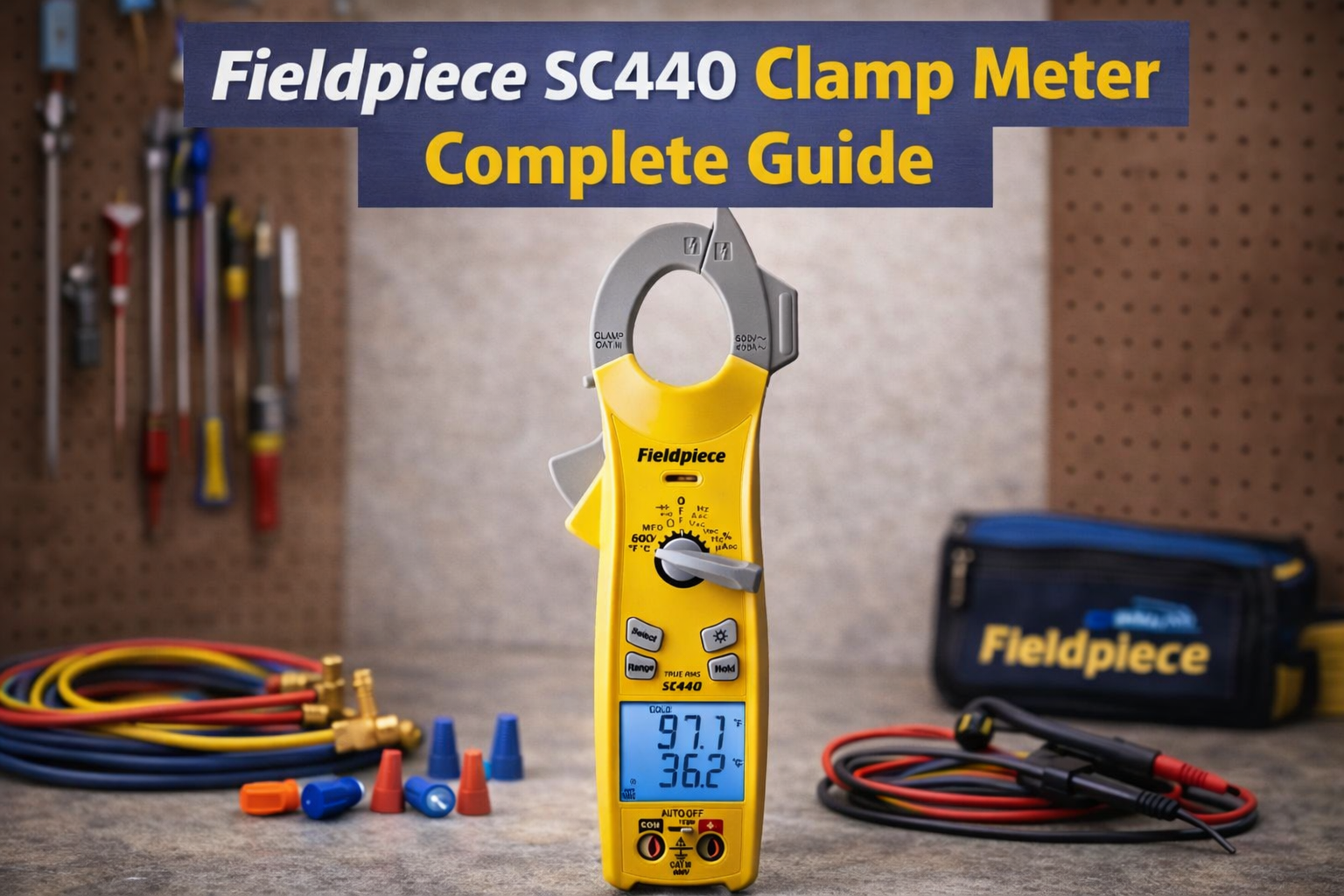
Fieldpiece SC440 Clamp Meter Review for Australian HVAC Electrical Diagnostics
If you work on air conditioning or refrigeration in Australia, you already know this truth: plenty of “no cool”, “not running right”, and “keeps tripping” calls come back to electrical faults. A contactor can look fine and still drop out under load. A capacitor can be weak without being totally dead. A flame sensor can be dirty enough to cause nuisance lockouts. A compressor can seem healthy until inrush current tells a very different story.
That is exactly where a proper HVAC clamp meter earns its keep. The right meter does not just throw numbers at you. It helps you find the fault faster, explain it more clearly, and avoid replacing parts on a guess.
The Fieldpiece SC440 clamp meter sits in a very practical spot for many Australian techs. It is not a stripped-back electrician’s clamp that leaves you reaching for another tool. It is also not trying to be every premium wireless feature in one body. It is built around day-to-day HVAC diagnostics: current, voltage, capacitance, temperature, flame sensor microamps, and inrush in one meter that still feels usable on a ladder, in a roof space, or beside a cranky outdoor unit.
👉 If you want to compare it with the wider range before buying, start with the Fieldpiece professional HVAC tools range designed for refrigeration, electrical diagnostics, evacuation, and commissioning work.

If you are searching for a Fieldpiece SC440 review, trying to understand the Fieldpiece SC440 manual, or simply working out whether this is the right Fieldpiece clamp meter for Australian service work, this guide is built for that exact job. It stays practical. No catalogue fluff. No made-up specs. No wandering off topic. Just what the SC440 does, why it matters on real jobs, where it fits against the SC680, and how to decide if it is the right daily driver for your van.
That matters in Australia because our work conditions are rarely gentle. Brisbane humidity can turn a simple comfort complaint into a moisture and control issue. Sydney coastal air is rough on terminals and gear. Melbourne cold snaps expose weak motors and marginal start components. Perth heat punishes rooftop work. A clamp meter that helps you read a system properly the first time is not a luxury. It is part of running a calmer, faster, and more profitable job.
A lot of “bad board” or “dead compressor” guesses turn out to be weak capacitors, poor supply conditions, or load-related faults. A proper HVAC clamp meter helps you prove the fault before you quote the fix.
Why HVAC Techs Need a Different Clamp Meter from General Electricians
Plenty of meters can read volts and amps. That alone does not make them good for HVAC work. Refrigeration and air conditioning service asks different questions. Is the flame sensor signal healthy? Is the capacitor still within range? What is the compressor doing at startup? Is control voltage present under load? What is line temperature while you are checking the circuit? A generic clamp can leave you grabbing a second or third tool before you are halfway through a proper diagnosis.
The SC440 makes sense because it is built around the checks HVAC techs actually do. That is the first reason it gets talked about so often when tradies ask what the best everyday HVAC clamp meter is for residential and light commercial service. It covers the readings many techs use week in, week out without forcing you into a higher-priced ecosystem if you do not need it yet.
It also helps that it has a direct, no-nonsense workflow. Some premium tools are brilliant once you learn them, but they can still feel slow or overcomplicated on routine calls. The SC440 does not feel like that. It feels like a meter designed to get in, confirm the fault, and move you on to the next step.
If you are mapping out a wider tool setup, it also fits neatly into the broader Fieldpiece ecosystem. This article on Fieldpiece Australia: Complete Tool Guide is useful for understanding where the SC440 sits compared with other tools in the range.
Fieldpiece SC440 Overview and Core Features
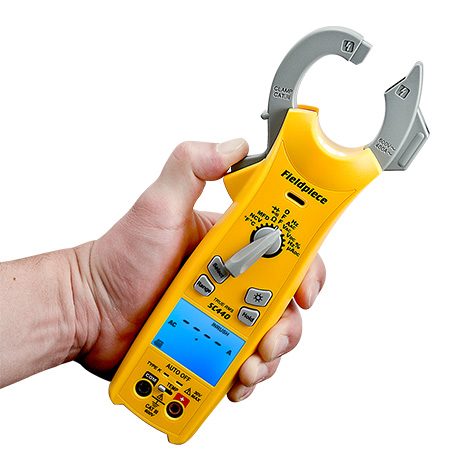
The simplest way to understand the SC440 is to think of it as an HVAC-first clamp meter. It is not just a current clamp that happens to have a few extra modes. It is shaped around the jobs HVAC and refrigeration techs actually do: fault-finding on split systems, package units, ducted systems, rooftop equipment, gas heating, and light commercial plant.
The core features that matter most are:
- True RMS for more reliable readings on modern equipment
- Dual display so you can compare values without endless mode switching
- Microamps DC for flame rectification checks
- Capacitance for motor and compressor support components
- Thermocouple input for quick temperature context
- Inrush for startup current checks
- Non-contact voltage for basic live detection support
That mix is exactly why the SC440 tends to become the “grab first” meter rather than the backup meter. It covers a lot of everyday electrical diagnosis without turning the job into a juggling act.
It is also easier to recommend because it does not feel like a marketing meter. Some tools look fantastic on a spec sheet but become annoying on-site. The SC440 is better judged by what it stops you carrying. Instead of bringing a general clamp, a separate temperature checker, and another tool for microamps, you handle several common HVAC checks with one meter you already trust.
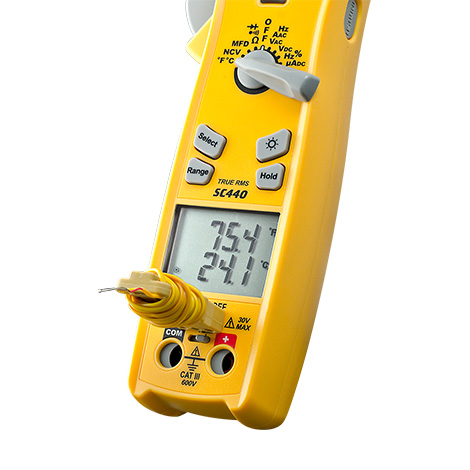
At a practical level, the SC440 is built around the measurements HVAC techs use most often: AC current, AC/DC voltage, capacitance, temperature input, microamps DC, inrush, continuity, frequency, diode test, and non-contact voltage detection. That matters because it behaves like a service meter, not just a generic electrical tester with a different sticker.
Why True RMS Matters More on Modern HVAC Equipment
True RMS is one of those phrases that gets used so often it can start sounding like just another sticker feature. On a real HVAC job, though, it matters. A cheap averaging meter may work fine on simple clean waveforms. The problem is that modern HVAC equipment is no longer simple and clean.
Inverter split systems, variable-speed motors, electronic boards, and smart controls all create signal conditions that are less tidy than older fixed-speed systems. If your meter assumes a simple waveform when the circuit is doing something more complex, your reading can be off enough to send you in the wrong direction.
That is why the SC440 True RMS function is not just marketing language. It is there because modern HVAC work demands a more trustworthy reading.
Think about what that means on site. You are not just taking a reading for fun. You are deciding whether a compressor is behaving, whether the motor is under stress, whether the board is providing the expected supply, or whether the problem is electrical at all. If the number is not trustworthy, the diagnosis is not trustworthy either.
Across Australia, inverter equipment is common now. Wall splits, ducted systems, light commercial installs, and newer control gear all make True RMS more relevant than it used to be. So when someone asks whether SC440 True RMS actually matters, the honest answer is yes, especially if your workload includes modern systems.
A misleading reading costs more than time. It can mean condemning the wrong part, missing the real issue, or booking a second trip because the first diagnosis was built on weak data.
What Each SC440 Feature Helps You Diagnose
| SC440 Feature | Why It Matters | Typical HVAC Application |
|---|---|---|
| True RMS | Gives more trustworthy readings on distorted waveforms | Inverter splits, variable-speed motors, modern boards |
| Dual display | Lets you compare values faster | Checking volts and amps together during live tests |
| Microamps DC | Essential for flame rectification work | Flame sensor testing on gas heating |
| Thermocouple input | Adds quick temperature context | Line temperature and fast system context checks |
| Inrush current | Shows startup behaviour, not just running behaviour | Compressor and fan motor start diagnostics |
| NCV | Quick early warning for live conductors | Initial board and supply area checks |
| Capacitance | Confirms weak or failed capacitors | Compressor and condenser fan support testing |
👉 If you are comparing models or building out your kit, browse the complete Fieldpiece diagnostic tool lineup to see how the SC440 fits into a full workflow setup.
When you look at the meter through that lens, the value becomes clearer. Each feature does a real HVAC job. None of it feels random.
Using the SC440 for Everyday HVAC Fault-Finding
The best way to judge the SC440 is not by how many functions it has. It is by how often those functions help you close a call properly.
Start with compressor diagnostics. If a compressor is tripping, overheating, or sounding rough, current draw is part of the story. But the real-world diagnosis is usually broader than that. You want running amps, startup behaviour, voltage condition, and sometimes capacitor health as well. The SC440 supports that sequence cleanly. You do not just get a running number. You get better context.
That is especially useful when the complaint is vague. “It trips in the arvo.” “It starts sometimes.” “It cools okay then gives up.” In Brisbane humidity, those faults may get worse under heavy load. In Melbourne, cold starts can expose weak support components. In both cases, a meter that handles inrush and normal running checks well is far more useful than a cheap clamp that only gives you one partial view.
Capacitor checks are another everyday job. Plenty of fans and compressors behave badly long before a capacitor is fully dead. Being able to isolate, discharge, and test capacitance with the same meter you already trust for volts and amps speeds the job up and reduces the chance of a half-finished diagnosis.
Then there is flame sensor work. This is where the SC440 really separates itself from a generic clamp. If you work on gas heating or mixed HVAC/heating equipment, microamps DC is not optional. It is part of real diagnosis. Without it, you are partly guessing whether the flame proving issue is dirt, grounding, position, or board response.
Blower motor troubleshooting suits this meter well too. You can check supply voltage, current draw, capacitor condition where relevant, and quick temperature context without constantly switching tools. That smoother workflow matters when the fault is intermittent.
Control voltage work also becomes less clumsy. Dual display helps because you can compare values with less mode-hopping. In a dim ceiling space or on a ladder beside an outdoor unit, that is more useful than it sounds in a brochure.
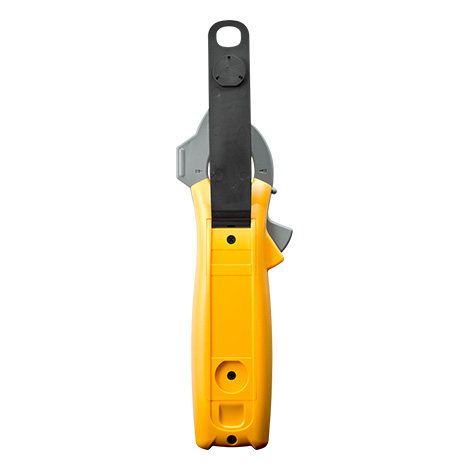
One of the best things about the SC440 is that it supports a logical fault-finding order. Confirm supply. Check control voltage. Verify current. Measure capacitance. Capture inrush. Add temperature context where useful. That is calmer, more teachable, and more professional than bouncing between guesses.
Do not treat one reading as the answer. The cleanest HVAC diagnosis usually comes from combining voltage, current, capacitance, startup behaviour, and system context instead of trusting one number on its own.
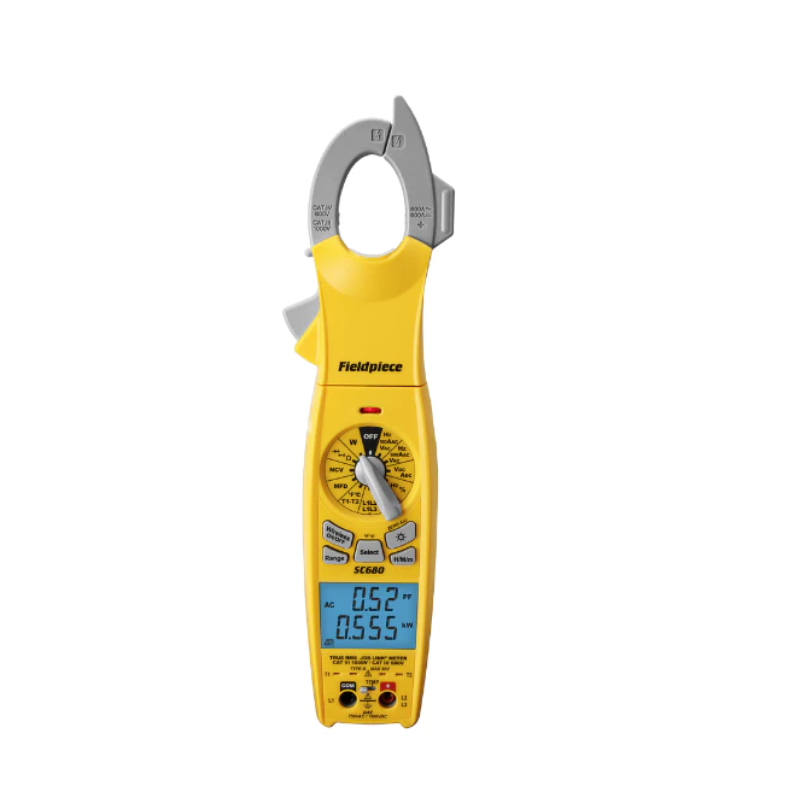
SC440 vs SC680: Which Fieldpiece Clamp Meter Suits Your Work?
The Fieldpiece SC440 vs SC680 question comes up constantly for a reason. Both are serious clamp meters, but they suit different kinds of buyers.
The SC440 is the everyday HVAC-first option. The SC680 sits higher in the range for techs who want broader advanced features, stronger ecosystem integration, and a more premium workflow.
| Point of Difference | SC440 | SC680 |
|---|---|---|
| Best fit | Residential and light commercial service work | Advanced diagnostics and broader premium workflows |
| User style | Tech wanting a direct, capable daily driver | Tech wanting more features and wider system-level support |
| Typical work | Fault-finding, capacitors, flame sensors, motors, compressors | Broader advanced diagnostics and premium setup building |
| Value position | Strong everyday HVAC value | Higher-end investment for techs who know they need more |
| Who should buy | Most day-to-day service techs | Techs doing more advanced or premium workflow-heavy jobs |
So which one should you choose? Pick the SC440 if most of your work is standard service, residential air conditioning, light commercial checks, heating diagnostics, capacitors, motors, compressors, and control faults. It is the simpler, sharper answer for a lot of Australian service vans.
Pick the SC680 if you already know you need more than a daily driver and you are building a broader premium Fieldpiece workflow. If you are weighing bundle options, the Fieldpiece Advanced HVAC Kit and the Fieldpiece Beast Mode HVAC Kit show how Fieldpiece positions that higher-end path.
Where the SC440 Sits in the Wider Fieldpiece Workflow
The SC440 also makes sense because it does not trap you in one narrow use case. It stands well on its own, but it also fits into the wider Fieldpiece ecosystem as your setup grows.
If you later want wireless temperature tools, remote monitoring, or a wider connected workflow, the Fieldpiece Job Link system shows what that next stage looks like.
The point is not that every tech must go wireless. It is that the SC440 still makes sense today even if your workflow evolves tomorrow. That is one reason it performs so well for buyers who want a dependable meter now without painting themselves into a corner later.
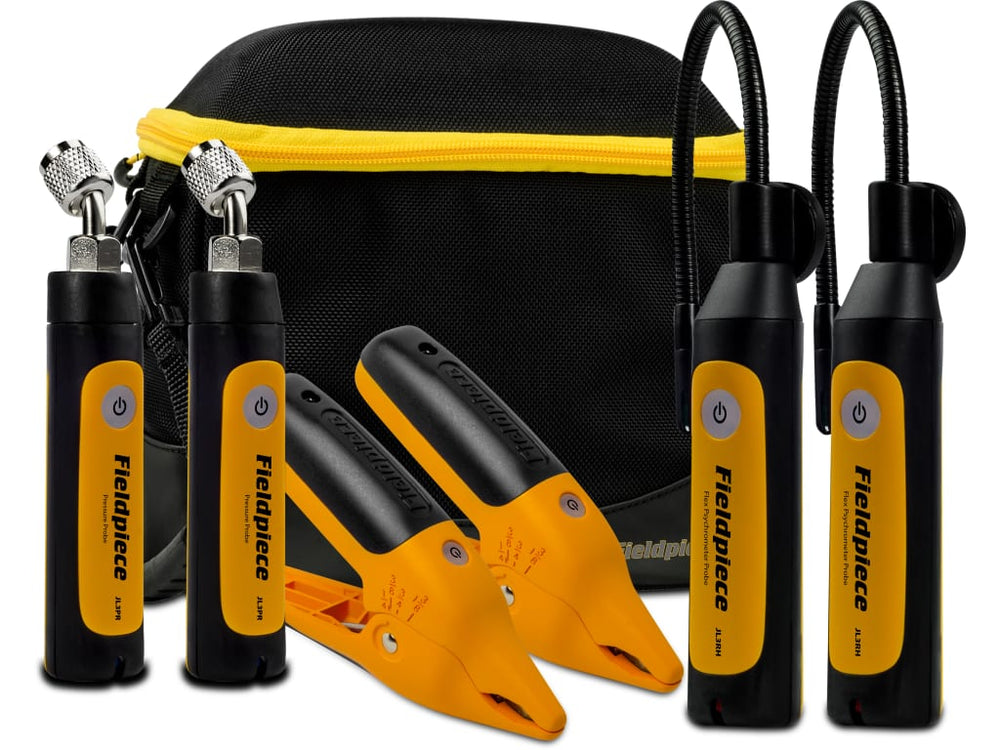
That is the real appeal. It works as a strong standalone meter, but it does not become irrelevant once your tool kit gets more serious.
Fieldpiece SC440 Price and Value in Australia
When people search Fieldpiece SC440 price Australia, they usually do not just want a dollar figure. They want to know whether the spend makes sense.
The short answer is yes, if you actually do HVAC fault-finding for a living.
The SC440 sits in the professional meter bracket. It is not a bargain-bin general clamp, and it is not the top-end Fieldpiece option either. That is exactly why it suits so many techs. You are paying for a meter that fits the work, not one that is cheap because it leaves out critical HVAC functions.
The value comes from avoided mistakes and saved time. If a cheaper meter gives you volts and amps but leaves you weak on microamps, weak on distorted waveforms, and slow on startup diagnostics, then it is not really saving money. It is just moving the cost into longer fault-finding, extra part swapping, and more return visits.
It also helps that the SC440 usually comes across as immediately usable. Thermocouple, leads, case, manual — those things matter because they help the tool start working for you from day one.
There is also the time factor. A meter you know, trust, and can operate calmly under pressure makes your whole week smoother. That value does not show up as a spec line. It shows up in faster diagnosis, clearer quoting, and fewer callbacks caused by half-proven assumptions.
How the SC440 Feels on Real Australian Jobs
The strongest case for the SC440 is simple: it feels like a tool designed by people who understand HVAC service work.
It makes sense in Brisbane humidity, where moisture and load issues combine. It makes sense in Sydney coastal air, where terminals and gear can suffer over time. It makes sense in Melbourne winters, where weak motors and marginal start parts show up more clearly. It makes sense on ladders, in roof spaces, and beside outdoor units where no one wants a fiddly interface or a meter that takes too much concentration to use safely.
That practical feel is a big reason why so many techs looking for a Fieldpiece SC440 review end up reading the same conclusion in different words: it is a very good daily driver for Australian HVAC work.
It is not trying to be everything. It is trying to be useful every day. That is exactly why it deserves a close look.
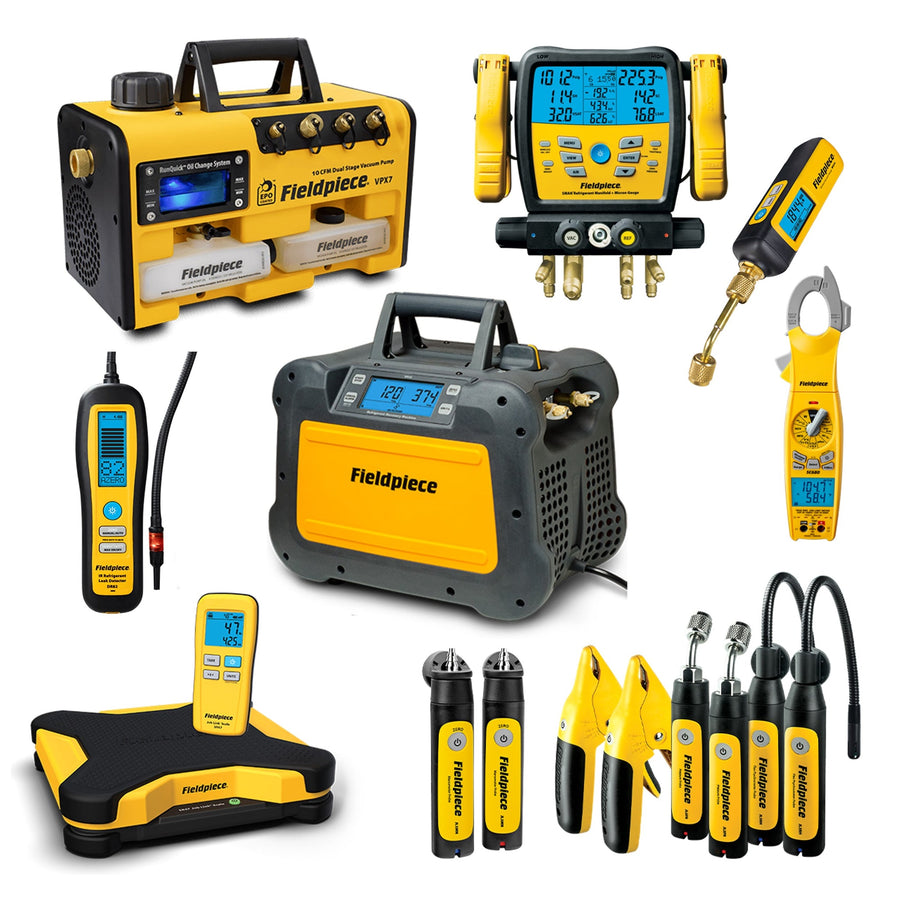
Compare specifications and electrical diagnostic features on the Fieldpiece SC440 clamp meter product page. If you want to evaluate the wider ecosystem, browse the Fieldpiece HVAC diagnostic tools collection to compare clamp meters, manifolds, vacuum pumps, and wireless commissioning tools.
Final Verdict: Is the Fieldpiece SC440 Worth It?
If your work is mostly residential and light commercial HVAC service across Australia, the answer is yes. The SC440 is worth serious consideration because it is built around the checks HVAC techs genuinely perform every week.
You get True RMS for modern systems, inrush for startup diagnosis, microamps for flame sensor work, capacitance for support components, and temperature input for quick context. In other words, you get a meter that suits the trade rather than one that sort of tags along beside it.
It is not the only clamp meter on the market, and it is not the top-end Fieldpiece option either. But for many techs, that is the point. It hits a very practical balance between capability, simplicity, and value.
If you want a general electrician’s clamp, there are cheaper tools. If you want the broadest premium Fieldpiece option, there are more expensive tools. But if you want a dependable, HVAC-first meter that fits everyday Australian service work, the SC440 lands in a very strong place.
👉 Ready to stop guessing and start proving faults faster? Compare the electrical testing capabilities of the Fieldpiece SC440 clamp meter, or explore the Fieldpiece professional HVAC tools range to build a setup that actually suits the way you work.