Sweating in Sydney? It Might Be Time to Clean That Split System
When Sydney hits those sticky summer highs or surprise spring heatwaves, your split system aircon is your best mate. But if it's blowing warm air, rattling like an old ute, or smelling a bit funky, there's a good chance it needs a proper clean.
Too many Sydneysiders put up with inefficient systems simply because they don't know whether to call in a pro or roll up their sleeves and DIY. That’s where this guide comes in.
In this guide, we’ll cover:
- Why split system cleaning matters in Sydney’s climate
- How a split system works and gets dirty
- Pros and cons of hiring a professional vs doing it yourself
- What each option costs (with local price comparisons!)
- Essential tools for DIY success
- Tips to keep your aircon running smoothly
- When to skip the clean and consider upgrading
- A real customer story from a Sydney homeowner
Let’s dive in and help you stay cool, save cash, and breathe easier this season.
Why Split System Cleaning Matters (Especially in Sydney)

Sydney’s got it all: coastal humidity, city dust, and pollen from every plant west of Parramatta. That mix ends up clogging your aircon faster than you’d think. Here’s why ignoring it costs you:
- Airflow drops: When filters and coils get blocked, your system has to work twice as hard to push air through.
- Power bills rise: An inefficient unit uses significantly more energy just to do the basics—bad news for Sydney electricity rates.
- Mould and bacteria build up: The dark, damp inside of an AC is a breeding ground for mould, making allergies and asthma worse.
- Warranties may become void: Many manufacturers require proof of regular maintenance to keep the warranty valid.
So whether you’re in a Bondi apartment or a Blacktown brick home, cleaning your AC is essential for performance, health, and savings.
How Your Split System Works (And Gets Dirty)
Your split system has two main parts:
- Indoor Unit: Sucks in warm air from the room, filters it, cools it over refrigerant coils, and blows it back out.
- Outdoor Unit: Releases the heat absorbed from inside and keeps the refrigerant cycling.
As it runs, dust, pet hair, pollen, and cooking grease get trapped in the filters and stick to the moist coils. This sludge insulates the coils (preventing cooling) and eventually turns into mould.
Pro vs DIY: What’s the Real Difference?
Let’s break it down so you can choose what’s best for your situation.
✅ Professional Cleaning

What you get:
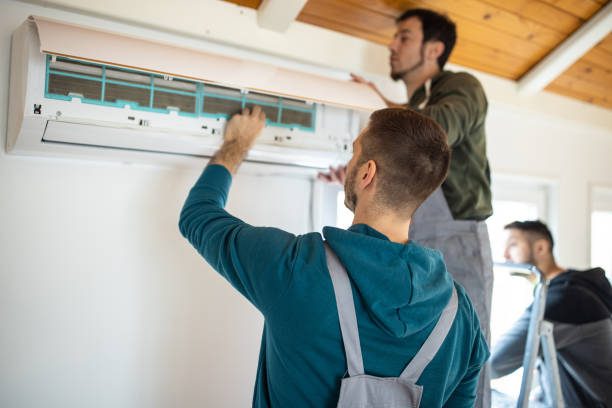
- Deep clean of filters, coils, barrel fans, drain pipes, and the outdoor unit
- High-pressure wash with a catchment bag
- Anti-microbial mould treatment
- Full system inspection (checking gas levels, electricals, etc.)
Pros: No mess, safer for delicate components, peace of mind from a licensed tech.
Cons: Can be pricey for multiple units; hard to book during a heatwave.
Average Sydney Cost: $150–$250 per unit.
🛠️ Tip: Book in spring or early autumn to avoid the summer rush (and potentially snag a discount).
🔧 DIY Cleaning

What you can do:
- Remove and wash filters
- Wipe down casing, louvers, and vents
- Apply no-rinse coil cleaner to evaporator coils
- Clear debris from the outdoor unit
Pros: Budget-friendly, immediate results, great for maintaining efficiency between professional services.
Cons: Can be messy if you don't have a wash bag; won't reach the deep inner fan barrel like a pro clean.
Average DIY Cost: $50–$100 (for cleaning fluids and a wash bag).
👉 Get your gear here: Split System Cleaning Maintenance Products
DIY Buyer’s Guide: What You’ll Need

If you’re giving it a go yourself, don’t just grab dish soap. You need specific tools to clean effectively without damaging the fins.
- No-Rinse Coil Cleaner: Sprays on as foam, eats the dirt, and washes away with the unit's natural condensation.
- Microfiber Cloths: For wiping the plastic casing and vents without scratching.
- Fin Comb: To straighten bent fins on the outdoor unit (crucial for airflow).
- Cleaning Bag (Bib): Straps around the unit to catch run-off water and chemicals—essential for keeping your walls dry.
🛍 Shop the full range here: HVAC Cleaning Tools & Accessories
Maintenance Must-Knows for Sydney Homes

- Clean your filters every 2–3 months: More often if you have pets or carpet.
- Deep clean before seasons change: Once before summer and again before winter.
- Vacuum regularly: Keeping the room dust-free means less dust ends up in your AC.
- Check the outdoor unit: After big storms, ensure leaves or twigs aren't blocking the fan.
- Coastal Living: If you live near the ocean, rinse the outdoor unit more often to prevent salt corrosion.
When to Consider an Upgrade
Sometimes cleaning just isn’t enough. It might be time to replace your system if:
- Your unit is over 10–12 years old (older units are energy guzzlers).
- It still smells musty or rattles loudly even after a professional clean.
- Your energy bills keep climbing despite moderate usage.
- You want modern features like Wi-Fi control or better inverter technology.
Client Story: Lisa from Lane Cove
"Our split system started sounding like a kettle on the boil, and I wasn’t keen on spending a fortune getting someone out. I watched a few tutorials, ordered a coil cleaner and a cleaning bag from HVAC Shop, and gave it a crack. It was easier than I thought, and the next morning it felt like we had a brand-new unit. Saved me over $150 and gave me bragging rights with the hubby!"
Key Takeaways
- Split system cleaning improves airflow, air quality, and energy savings.
- Sydney homes deal with pollen, salt, and dust—regular maintenance is non-negotiable.
- Professional cleaning is thorough but costs $150+, while DIY is affordable and great for maintenance.
- HVAC Shop offers trusted cleaning gear shipped fast across Australia.
Whether you go pro or DIY, don’t leave your split system clogged and struggling through another Sydney summer. Shop cleaning tools now and get your home cool, clean, and comfortable.
FAQs
Q: How much does professional AC cleaning cost in Sydney?
A: Expect to pay between $150 and $250 per unit. Prices vary based on the unit's condition, accessibility, and the time of year.
Q: Can I clean my split system myself?
A: Yes! You can easily handle the filters, casing, and basic coil cleaning yourself. However, for a deep clean of the barrel fan or mould remediation, a professional is recommended.
Q: How often should I clean my aircon?
A: Clean filters every 2–3 months. Perform a deeper coil clean twice a year (Spring and Autumn).
Q: Is DIY cleaning safe?
A: Absolutely, provided you turn off the power to the unit before starting and use the correct cleaning solutions.
Q: Will cleaning really make a difference?
A: Definitely. A clean system moves air more easily, which cools the room faster and lowers your electricity bill.