

Need a detector you can actually trust on site? Browse the full refrigerant leak detector range before your next service call, especially if your current unit has gone jumpy, slow or unreliable.
A Leak Detector Is Only as Good as Its Maintenance
A leak detector can look fine in the case, switch on without a fuss, and still give you the wrong answer on site. That is the real problem with poor upkeep. When a detector drifts out of shape, it does not always fail in an obvious way. Sometimes it still alarms, just not where it should. Sometimes it reacts late. Sometimes it becomes jumpy and noisy. Sometimes it gives you false confidence, which is worse than a dead battery because you leave the job thinking the system is leak-free when it is not.
That is why leak detector calibration Australia searches matter so much for working techs. In HVAC/R, the detector is not just another gadget in the van. It sits in the middle of the decision chain. If the detector is off, your diagnosis is off. If your diagnosis is off, everything after that can go sideways. You lose labour, waste time, burn refrigerant, and end up having the same awkward conversation with the customer on the next visit.
The bigger problem is that a lot of technicians are pretty good at using a detector but not always great at looking after one. Sensors get contaminated. Probe tips get dirty. Filters are ignored. Batteries are left flat. Units sit in baking vans through summer and then get blamed for being unreliable. Fair dinkum, plenty of so-called detector failures are really maintenance failures wearing a different shirt.
The good news is that good detector care is not complicated. You do not need a lab coat or a fancy workshop routine. You need simple habits that fit real Australian HVAC work. Keep it clean. Store it properly. Check it regularly. Replace wear parts before they become bigger problems. Know when cleaning is enough, when calibration is worth doing, and when the tool has simply reached the point where replacement makes more sense.
This guide explains exactly that. It covers sensor types, realistic lifespan, calibration thinking, everyday maintenance, storage in Aussie conditions, replacement parts, common faults, and how to decide whether to service or upgrade. It stays practical because that is what matters on real jobs in Darwin, Brisbane QLD, Perth, Sydney and Melbourne. No worries, no fluff, just a clear working method for keeping a leak detector ready when the pressure is on.
Do not wait for a detector to embarrass you on site before you start caring about maintenance. The cheapest time to fix detector issues is before the next call-back, not after it.
Why Calibration and Maintenance Matter More Than Most Techs Think
When a manifold set plays up, you usually know pretty quickly. When a vacuum pump sounds rough, you hear it. Leak detectors are trickier because they can decline slowly. The detector still powers on. The lights still flash. It still makes noise around some fittings. But the accuracy is not what it was. That kind of gradual drop-off is the danger zone because it feels close enough to working.
On small leaks, that difference matters a lot. A detector that has drifted low might miss a slow flare leak on an R410A split. A detector with contamination around the intake might react late on an R32 service valve. A unit with poor battery condition may go unstable halfway through a job, especially in a hot rooftop plant room in Perth or on a long humid day in Brisbane QLD. The result is the same. You waste time second-guessing the system when the tool should be helping you narrow the fault.
Missed leaks are expensive, but false positives are expensive too. A jumpy detector can send you chasing background contamination, oil residue, or stale refrigerant in the area instead of the actual leak. That turns a straightforward diagnosis into a messy job that drags into the arvo. In commercial settings, it can also make you look uncertain in front of clients who expect clean answers and clear reporting.
Good maintenance fixes a lot of that before it becomes a bigger issue. A detector that is kept clean, stored properly, checked regularly and serviced at sensible intervals is easier to trust. It is also easier to troubleshoot because you already know its history. You are not guessing whether it was last cleaned six months ago or whether the battery has been sitting flat in the bottom of the van since summer.
From a compliance and professionalism angle, that matters as well. Refrigerant work in Australia is not just about getting cooling back on. ARCtick expectations, sound site practice, and safe refrigerant handling all push technicians toward better process. The detector is part of that process. For broader hazardous chemical handling context on site, Safe Work Australia remains the appropriate external reference point for storage, exposure and workplace safety thinking around refrigerants and related products.
Understanding Sensor Types and What Their Lifespan Really Means
Not all leak detectors age the same way. That is the first thing to understand if you are trying to build a sensible maintenance routine. When people ask how often they should calibrate a detector or when they should replace a sensor, the honest answer depends heavily on the sensor type and how the tool is used.
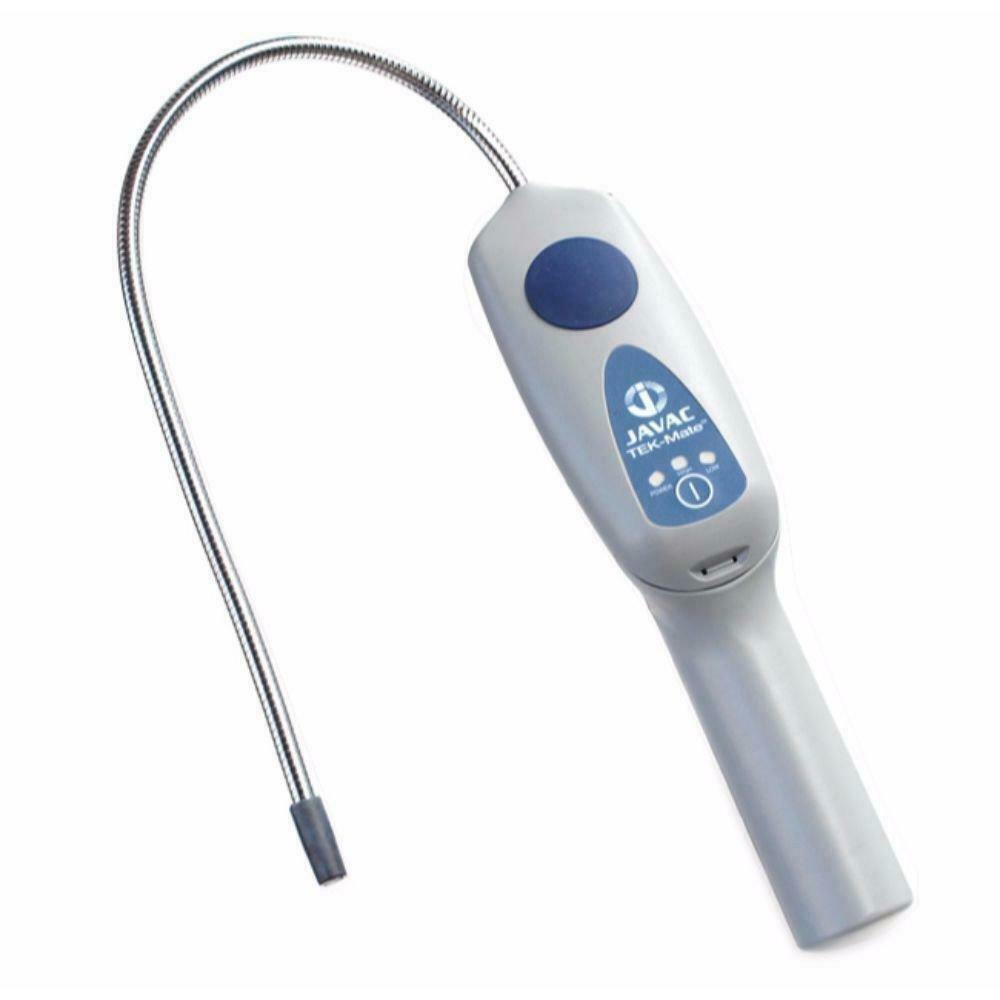
Heated diode detectors are still popular because they are practical, familiar and useful for day-to-day refrigerant work. They are common in service vans because they are relatively straightforward and quick to deploy. A model such as the Javac Tek-Mate refrigerant leak detector is the sort of tool many technicians recognise because it suits general field work. But heated diode sensors are also wear items. They do not last forever, and contamination can shorten their useful life faster than most people expect.
Infrared detectors usually offer a longer service life and better long-term stability when looked after properly. That is one reason many contractors see value in moving to an infrared platform once their workload grows. The initial spend can be higher, but the repeatability and working life can be better, especially if the detector is used often on commercial work or by multiple technicians. A higher-end unit like the Fieldpiece SRL2K7 infrared detector kit makes more sense when the business needs reliability over the long run, not just a cheap starting point.
Ultrasonic units are a bit different again because they listen for sound rather than responding to refrigerant chemistry in the same way. They still need upkeep, but the wear pattern is different. UV dye detection tools also sit in their own category. The lamp output matters. The dye choice matters. The inspection method matters. If the lamp weakens or the dye process is poor, the result is the same as a poorly maintained electronic detector: you miss what you should have found.
Aussie conditions make all of this harder. Heat is brutal on electronics and batteries. Humidity is rough on housings, internals and storage conditions. Salt around coastal work in Sydney and Perth does not help either. Add in greasy plant rooms, kitchens, coil cleaner residue, workshop dust and general van grime, and it becomes obvious why one technician gets solid life out of a detector while another burns through sensors far too quickly.
The main thing to remember is that lifespan is not just about total failure. Most detectors get worse before they get dead. Response time slows. Confidence drops. Sensitivity becomes patchy. The tool still seems usable, but the quality of the diagnosis is no longer where it should be. That is why regular checks matter. You want to catch the decline before the detector catches you out.
Sensor life figures are only rough guides. Actual lifespan depends on hours of use, contamination, storage temperature, humidity, transport habits, battery care and whether the detector gets cleaned and serviced on time. If you want to understand how sensor technology affects lifespan from the ground up, our heated diode vs infrared detector comparison explains the difference in plain terms.

Calibration: What It Is, What It Is Not, and When It Actually Helps
Calibration sounds technical, but the basic idea is simple. You are checking that the detector still responds the way it is meant to respond. That matters because detectors live a hard life. They get knocked around, exposed to vapours, run in heat, dragged through dirty spaces and stored in less-than-ideal conditions. Even if the detector powers on and passes a basic self-check, that does not prove the sensing side is still behaving accurately.
It helps to separate factory calibration from field confidence checks. Factory or authorised service calibration is controlled, formal and tied to the manufacturer’s method. Field checks are more about routine confidence, known-good behaviour and following the operating process the brand allows on site. One is a formal service event. The other is a disciplined habit. Both matter, but they are not the same thing.
Calibration also does not solve every detector problem. If the tip is filthy, the filter path is clogged, the battery is half-dead, or the sensor is simply worn out, calibration is not some magic repair. It only makes sense when the core system is still healthy enough to be worth confirming or adjusting. That is why smart technicians look at cleaning, battery condition and general behaviour first before assuming calibration is the answer.
As a planning rule, a six-to-twelve-month review window is sensible for many working detectors in Australian HVAC businesses. That does not mean every detector needs identical treatment on the same calendar date. Usage matters. A detector used every day on refrigeration calls may need more attention than one that only comes out for occasional split work. But as a business routine, that six-to-twelve-month window is a fair starting point for review, especially if the tool is relied on regularly.
Reference gas and manufacturer-specific methods matter here. This is not an area for backyard improvisation. If the brand specifies a formal process, use it. If the detector needs to go to an authorised service point when accuracy becomes doubtful, do not try to invent a workshop shortcut. Good calibration practice is about reducing guesswork, not creating new kinds of it.
There is also a business benefit in keeping the detector’s service history simple and clear. When the same unit is used across multiple jobs or multiple techs, known service dates and known checks are worth real money because the tool becomes easier to trust. That trust reduces wasted labour, and wasted labour is where poor maintenance costs usually show up first.
A detector that suddenly feels unreliable after heavy use does not automatically need formal calibration. Sometimes the problem is much simpler: a dirty tip, a blocked intake path, flat batteries or a worn sensor that is due for replacement.
Everyday Maintenance: The Small Habits That Keep a Detector Honest
The best maintenance plans are the ones technicians actually follow. That means the routine has to fit real work. Before each use, give the detector a quick visual check. Look at the probe, housing, buttons, screen and battery status. Make sure the probe is not kinked and the tip has not been damaged by rough storage. Let the detector warm up properly. If the brand calls for a zeroing or stabilisation step, do it instead of rushing.
After dirty jobs, wipe the body down and check the intake or sensor area. Greasy kitchens, dusty rooftops, workshops and contaminated plant rooms leave a residue behind, even when it is not obvious at first glance. That build-up is exactly what turns a reliable detector into a jumpy one over time.
Filters, seals and small service parts matter more than they get credit for. They are not glamorous, but they often decide whether the detector stays stable between service events. If your model uses replaceable service parts, keep an eye on them instead of waiting for performance to collapse. Supported consumables such as Fieldpiece leak detector filters and O-rings are exactly the kind of low-cost items that help stretch useful life and protect accuracy.
Battery care matters as well. Short runtime and odd behaviour are often battery stories before they become detector stories. Rechargeable units should not be constantly stored flat, and replaceable batteries should not be left forgotten in the unit until they leak or weaken. In heat, battery trouble shows up faster, which is why it becomes such a common issue across Australian service fleets.
Cleaning should always be sensible, not aggressive. Follow the manufacturer’s guidance, use appropriate materials, and avoid rough handling around delicate sensor areas. Over-cleaning can be as unhelpful as under-cleaning if it damages a component or pushes contamination deeper into the intake path. The aim is to protect detector performance, not scrub the thing like a coil case.
Maintenance Schedule Comparison Table
The easiest way to stay on top of detector care is to stop thinking of it as one big annual job. It works better as a rhythm. Some checks should happen every use. Some are weekly. Some are monthly. Some are service-centre work. The table below gives a practical maintenance schedule that suits normal Australian HVAC and refrigeration use.
| Task | Frequency | DIY or Service Centre | Why It Matters | Aussie Conditions Note |
|---|---|---|---|---|
| Visual inspection of probe, housing, display and battery status | Before each use | DIY | Catches obvious damage, weak power and transport issues early | Important after hot van storage, rough travel and dusty sites |
| Basic cleaning of tip, intake area and outer housing | Weekly or after dirty jobs | DIY | Reduces contamination-related false alarms and sluggish response | Essential after kitchens, rooftops, greasy plant rooms and workshops |
| Filter, seal and small wear-part check | Monthly or when performance starts to change | DIY | Helps preserve airflow, stability and consistent response | Humidity and grime can shorten intervals in Brisbane and Darwin work |
| Sensor condition review | Every few months depending on use | DIY with manufacturer guidance | Identifies drift, slow response and wear before the detector becomes unreliable | Heat and long periods in parked vehicles can speed up decline |
| Calibration review or authorised service check | Every 6 to 12 months | Usually service centre | Confirms trust in a tool that is central to refrigerant diagnosis | High-use fleets may need tighter review intervals |
| Battery health and charging routine review | Monthly | DIY | Prevents unstable behaviour and weak runtime during leak searches | Extreme heat in parked vans is hard on lithium and alkaline batteries alike |
Replacing Sensors, Filters, Cases and Other Wear Parts
One of the most common maintenance questions is whether a detector needs calibration, a new sensor or full replacement. The answer starts with symptoms. If the detector is stable but slow, cleaning or calibration review may be enough. If it becomes inconsistent, struggles to recover, or no longer reacts properly even after basic care, the sensor may be at the end of its useful life.
That is where replacement parts become part of normal ownership rather than emergency spending. Filters, O-rings, sensor-related consumables and carry cases are not glamorous purchases, but they can make a real difference to ownership cost. Protective transport matters more than many technicians think. A solid case such as the Fieldpiece blow-moulded leak detector case is the sort of upgrade that saves a good tool from avoidable transport damage.
OEM versus aftermarket parts is another issue worth being honest about. Sometimes aftermarket parts are fine. Sometimes they are false economy. For a tool where airflow, sealing and sensor performance matter, a poor-fitting part can create more trouble than it saves. If the detector is a daily-use tool, most technicians would rather spend a little more on predictable fit and predictable performance than risk an unreliable diagnosis later.
The other side of the decision is whether the detector body is still worth supporting. If the unit has poor battery life, unstable behaviour, worn controls, display trouble and a tired sensor, spending more money on it may stop making sense. That is the point where an upgrade path becomes easier to justify. A detector should save labour, not become its own maintenance project.
When replacement is the better move, look for a platform that suits your actual work. Residential split service, supermarket refrigeration, mobile trade service, commercial plant rooms and workshop diagnostics all put different demands on leak tools. Buying the right detector matters, but so does buying one you can realistically maintain and support in Australia without long downtime.

Storage and Transport in Built-for-Aussie-Conditions Reality
Storage is where many good detectors quietly lose life. The van is convenient, but Australian vehicle heat is rough on electronics, batteries, seals, displays and sensor stability. If you want a detector to stay accurate longer, do not leave it baking in direct sun on the dashboard or loose in a hot tray all day when there is a better option. That is one of the simplest ways to extend detector life in real-world conditions.
Humidity is another troublemaker. Queensland and northern conditions can be hard on tools that move between air-conditioned interiors and muggy outdoor work. Condensation, general dampness and trapped grime all work against sensor reliability. Coastal air around Sydney and Perth adds its own challenge because salt and moisture do not do delicate electronics any favours either.
Good storage does not need to be fancy. It needs to be clean, dry and consistent. Keep the detector in its case. Keep it away from spilled chemicals, loose fittings and general junk in the van. Let it acclimatise before use if it has gone from a cold morning in Melbourne to a warm plant room or the other way around. Wipe it down after dirty jobs. Do not just chuck it back into the pile and hope for the best.
Battery storage fits into the same conversation. Heat shortens battery life. Long periods sitting flat do not help either. Rechargeable units should be topped up sensibly rather than run flat and forgotten. Replaceable cells should be checked regularly and swapped before they become part of the problem. Storage discipline is not exciting, but it is one of the clearest differences between detectors that stay trustworthy and detectors that start acting odd far too soon.
This is also where local climate matters in a practical way. Darwin heat, Brisbane humidity, Perth dry rooftop exposure, Sydney coastal air and Melbourne temperature swings all shape how tools age. A maintenance plan that ignores that reality will never be as strong as one that works with it.
If you want a detector that is genuinely built for Aussie conditions, treat storage as part of maintenance, not an afterthought. The best detector in the catalogue still ages badly when it lives loose in a boiling van.
Troubleshooting Common Problems Before You Blame the Brand
When a detector starts playing up, the trick is to work through the likely causes in order. If it is not alarming, start with the basics. Is the battery charged? Has the detector warmed up properly? Is the sensitivity setting correct if the model allows adjustment? Is the intake path dirty? Has the sensor simply reached the end of its useful life? Many detector complaints start as small maintenance issues that were never checked properly.
If the detector is giving constant false alarms, think about the environment as well as the tool. Kitchens, workshops, plant rooms and contaminated service areas are full of things that can confuse a sensor. Oil vapour, cleaning sprays, stale refrigerant in the air and general grime all play a part. Move to clean air, let the unit settle, clean it properly and then re-test. If the behaviour follows the detector everywhere, the issue is probably internal rather than environmental.
Short battery life usually points to ageing cells, bad charging habits or heat damage. A display that is glitchy or faint may be a battery story too, although moisture and impact can also be part of it. Probe contamination is another quiet killer. If the tip or intake path is dirty, response gets weak or erratic. That is why routine cleaning matters more than it sounds.
The main decision is whether the problem is worth repairing. Repair makes sense when the detector is otherwise in good nick, parts are available, and the fault is isolated. Replacement makes more sense when the detector has multiple issues stacked together. A worn probe, unstable sensing, poor battery behaviour and rising service cost is usually a sign to stop nursing it along and move on.
Warranty questions sit in this space as well, but warranty is a backup, not a maintenance plan. Keeping proof of purchase and a simple service history helps, but day-to-day reliability still comes from maintenance habits. That part is on the owner, not the box label.
Detector Care Across R32, R410A and R22 Work
Detector maintenance does not change because the refrigerant label changes, but the job context often does. R32 work brings a stronger focus on safe handling, clean practice and sensible site behaviour because it is an A2L refrigerant. R410A is still common on plenty of split and ducted work, so the detector spends a lot of time around the same high-risk leak points like flare connections, service valves and joints disturbed during service. Older R22 systems bring their own challenge because age, previous repairs and worn components can make diagnosis messier.
The practical lesson is that your detector needs to be dependable across all three. You cannot have a tool that behaves one way on a straightforward R410A residential call and another way on an older R22 system in rough condition. Maintenance is what keeps the detector consistent enough to trust on both jobs.
That is also why supporting tools matter. Bubble solution, UV dye and post-repair verification gear should be seen as part of the wider workflow. A product such as Viper Big Blu bubble solution is useful for visible confirmation after the detector narrows the area. A UV option such as Errecom Brilliant UV dye helps when the fault is slow or hidden. For post-repair evacuation and final system checks, related tools like vacuum gauges still belong in the conversation because leak work does not end the moment the detector goes quiet.
Keep It Clean, Keep It Checked, Keep It Trustworthy
A leak detector only earns its keep when you trust it. That trust does not come from the logo on the housing. It comes from maintenance, proper storage, clean operating habits and knowing when to service or replace parts before they let you down on site. That is the real value behind leak detector calibration Australia thinking. It is not busywork. It is a way to protect your diagnosis, reduce wasted labour and avoid callbacks that should never have happened.
If your detector is still basically sound, a good maintenance rhythm can stretch its useful life nicely. Keep the tip clean. Protect it from heat and grime. Watch the battery health. Review service intervals before performance drops away. If the tool is already ageing in several areas, be honest about that too. Sometimes a tidy upgrade is cheaper than another round of frustration.
The main thing is not to wait until the detector fails you on a live job. Build the habit now, keep the service history simple, and treat detector care like part of the work. No worries, just a more dependable tool, cleaner diagnosis and fewer painful return visits.
Ready to replace a tired detector or tighten up your setup? Shop the full HVAC leak detector collection for electronic detectors, confirmation products and upgrade options suited to real Australian service work.