
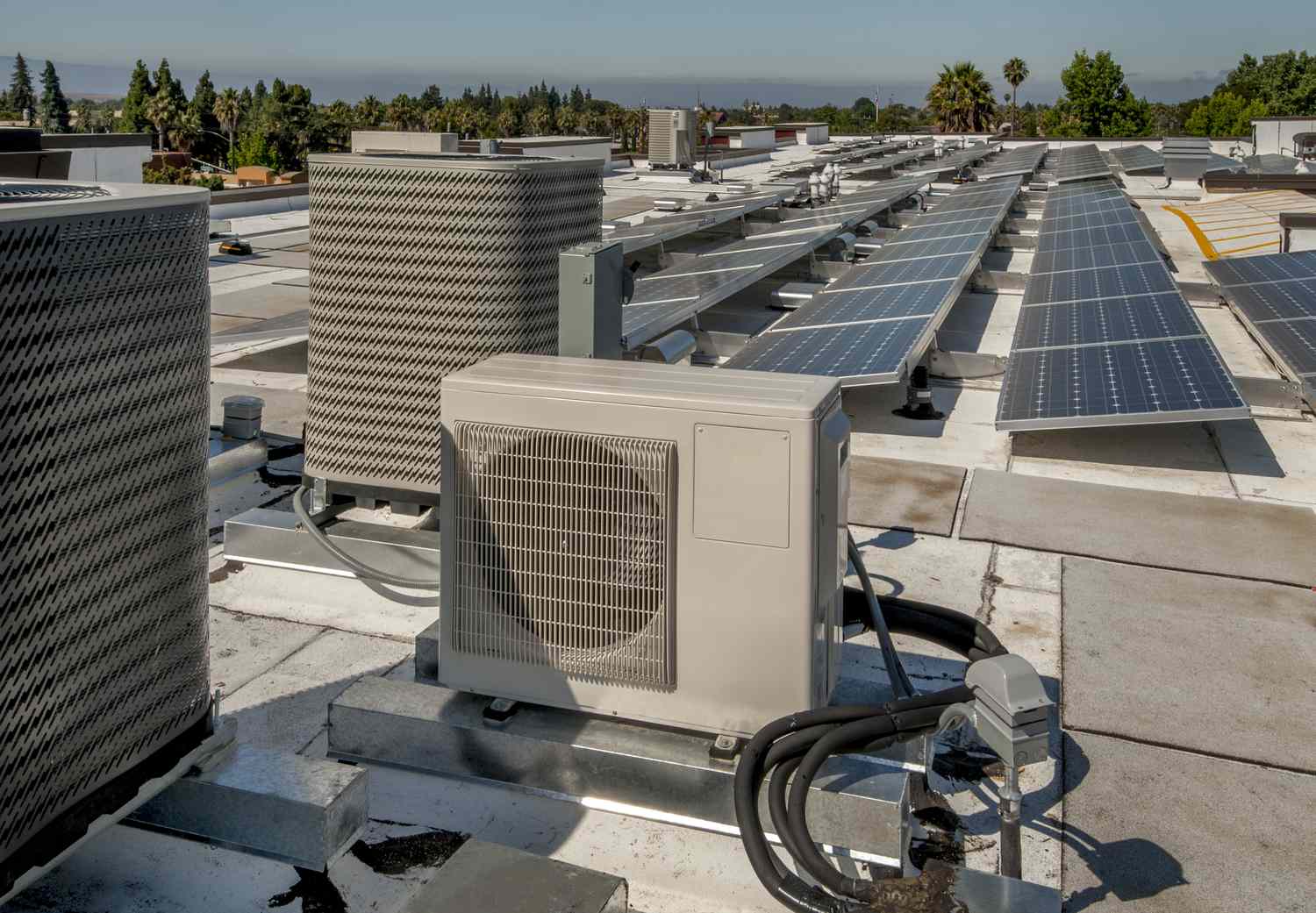
How Solar Pump Wash Bag Systems Make Off-Grid AC Cleaning More Practical in Australia
Imagine this: it’s a stinking hot afternoon in Brisbane, your split system is overdue for a clean, and you’re staring down the usual set-up — ladders, buckets, and that guilty feeling about tipping perfectly usable water down the drain. On top of that, the idea of plugging in yet another pump or power tool feels a bit off when you’re trying to live lighter and greener.

Good news — there’s a smarter way. Thanks to a new wave of advanced AC wash bag techniques and innovations, you can now clean your air con off-grid, powered by the sun itself. Solar pump wash bag systems are turning what used to be a messy, water-wasting chore into an eco-friendly routine that fits neatly into Australia’s push for renewable energy.
In this guide, we’ll cover:
-
Why solar-powered AC wash bag cleaning matters in Australia.
-
How a solar pump wash bag system works (simple breakdown).
-
Aussie tips and buyer’s guide for setting up at home.
-
Best products to try for smarter, greener cleaning.
-
Maintenance must-knows to keep your system humming.
-
When to upgrade your old kit to something more innovative.
-
A real-world client story from regional Queensland.
By the end, you’ll see how the humble wash bag has become a hero in the clean energy story — saving water, saving power, and giving Aussie homes fresher, safer air.
Why It Matters: The Aussie Push for Renewable Energy
Local Relevance
Australia’s energy story is shifting. From Sydney rooftops covered in panels to massive solar farms in the outback, renewables are no longer fringe. In fact, according to the Clean Energy Council, more than 3 million Aussie homes now have rooftop solar.
So why stop at powering the fridge and telly? Extending solar thinking to home maintenance — including AC cleaning — makes sense for three big reasons:
-
Rising energy bills: Families in Adelaide and Perth know the sting of summer power costs. Running pumps off the sun is one less plug on the bill.
-
Water scarcity: Regional Queenslanders have lived through tight restrictions. Pairing water recycling with solar pumping makes cleaning guilt-free.
-
Sustainable living: Younger families in Melbourne and Brisbane want homes that are not only comfy but planet-friendly.
Air Con Reality Check
A dirty split system can chew through up to 30% more energy, according to CSIRO studies on efficiency. Regular cleaning is essential — but doing it in a way that aligns with Aussie values of conservation and innovation takes it to the next level.
How It Works: Solar Pump AC Wash Bag Cleaning System
Let’s keep it simple. A wash bag already does the hard part: catching all the grime and dirty water while you spray down your indoor unit. The solar pump takes that concept off-grid by adding renewable power to the mix.

How It Works: Solar Pump AC Wash Bag Cleaning System
Step-by-Step Setup
Position the Wash Bag
Wrap the bag under your split system so runoff drains neatly. 👉 Check out our AC Wash Bag Range
Solar Pump Power
Connect a compact solar panel (often the size of a tablet) to a low-voltage pump. This replaces plugging into mains.
Water Circulation
As you spray warm water into the coils and fins, the pump transfers wastewater through filters into a secondary container.
Filtration & Reuse
Add a simple mesh or carbon filter. Once clear, the water can be reused for a second rinse or tipped onto the garden.
Pack Down
Detach the solar pump and store it dry. The panel can double up for camping or other off-grid jobs.
Aussie Tips & Buyer’s Guide

- Skip the chemicals: If you plan to reuse water on the garden, don’t spray harsh cleaners. Warm water does the trick in Sydney’s humidity or Perth’s dust.
- Pair it with storage tanks: In regional QLD, households connect recycled wash water straight to backyard tanks.
- Timing matters: Clean mid-morning when solar panels are getting decent sun but before the house heats up.
- Pick the right size: For small Brisbane apartments, a portable 10L setup works. For larger homes in Adelaide, a 20L+ pump/tank combo is more practical.
- Keep spare filters: Dust and pollen can clog quickly, especially in Melbourne’s spring.
- Think beyond AC: Solar pumps are handy for aquariums, camping, or watering systems.
👉 For brushes, pumps, and preventative kits, see our Cleaning & Maintenance Collection.
Best Products to Try
While full solar pump kits are still a niche innovation, you can start building your system with these essentials:
-
Wash Bags – Durable, reusable, and the backbone of the setup.
-
Drain Pumps – Upgradeable to solar-powered models.
-
Soft Coil Brushes – Safer for delicate fins, ensuring longer life.
-
Preventative Maintenance Kits – Bundled gear that can be adapted into a solar workflow.
Maintenance Must-Knows
-
Clean filters after each use: Solar pumps only stay efficient if water flow is smooth.
-
Dry the pump: Leaving moisture inside can corrode parts.
-
Check solar panels: Wipe dust off regularly — it boosts efficiency.
-
Seasonal routine: Aim for spring and autumn cleans, so you’re ready for summer heat and winter warmth.
-
Safety first: Even off-grid, remember safe ladder use and protective gloves.
When to Upgrade
You’ll know it’s time to move beyond a basic wash bag when:
-
You’re wasting buckets of water every clean.
-
You’re keen to cut mains power reliance.
-
Your old pump is noisy, heavy, or energy-hungry.
-
You’re serious about renewable living and want every corner of the home aligned.
Upgrading to a solar pump AC wash bag cleaning system is a natural next step for eco-minded Aussies.
Client Story: Regional QLD Innovator
Steve, a farmer outside Rockhampton, already had panels on his shed roof. He hated wasting water when cleaning his split systems, especially during dry spells.
With a bit of DIY, he hooked a wash bag drain into a solar-powered pump that pushed water through a filter and straight onto his veggie patch.
“It’s one less thing on the power bill,” Steve said. “And I reckon we save about 40 litres a year. Might not sound like much, but out here every drop counts.”
Now he shares the system with neighbours, proving that innovations don’t have to be big to make a big impact.

Key Takeaways
-
Solar pumps take AC wash bag cleaning off-grid.
-
Recycling water saves 10–20L per clean.
-
Eco-friendly methods keep water safe for gardens.
-
Perfect for Aussie homes in Sydney, Brisbane, Adelaide & regional QLD.
-
HVAC Shop Australia offers the gear to start your solar setup.
👉 Ready to take your AC cleaning off-grid? Browse our AC Wash Bags and Preventative Maintenance Tools.
Make your next clean smarter, greener, and powered by the Aussie sun.
Related Blogs You Might Like
-
Water Wise: AC Wash Bag Water Recycling System Setup
Direct tie-in for water-saving readers. -
Green Clean: Eco-Friendly AC Care
Connect solar pumping with eco-cleaning. -
Team Clean: Two-Person AC Washing Tips
Show how teamwork + solar setups streamline the process. -
Senior Safe: Easy AC Cleaning Guide
Highlight how solar pumping reduces lifting and strain.
FAQs
1. Is solar pump cleaning really practical?
Yes — compact solar pumps are already used in gardening and camping. Adapting them for AC wash bags is simple.
2. Do I need chemicals with a solar setup?
No. Warm water or vinegar is best. Keeps the water safe for gardens.
3. How much water can I save?
Every clean captures 10–20 litres, depending on unit size.
4. Will it cut power bills?
It’s small per clean, but every plug you avoid adds up.
5. Can I buy a complete kit?
Full solar wash bag kits are emerging, but starting with a wash bag and adaptable pump is a great first step.