
R32 vs R410A: Which Refrigerant Is Better?
Table of Contents
- What is an AC Refrigerant?
- R32 vs R410A: Role of Refrigerants
- Types of Refrigerants and Their Brief History
- Get to Know More About R410A
- Get to Know More About R32
- R32 vs R410A: Comparison
- Give Importance to Refrigerants
- Conclusion
Choosing a new air conditioner is already a big enough decision without having to compare refrigerants as well. Yet for anyone buying, servicing or replacing modern aircon equipment, the difference between R32 and R410A matters. It affects environmental impact, system design, tool compatibility and, in some cases, day-to-day servicing practices.
In simple terms, both refrigerants can cool effectively. The bigger difference is that R32 is newer, has a lower global warming impact, and is now the more common choice in many newer split systems. If you want to go deeper on servicing and tool compatibility, HVAC Shop also has a dedicated R32 refrigerant guide.
We usually compare refrigerants by looking at environmental impact, chemical makeup, system compatibility and the practical reality of working on them in the field. If you are also weighing up what to buy around that shift, HVAC Shop’s approved reroute for this article is the R32 refrigerant and compatible gauge options search page.

Quick takeaway: both R32 and R410A have zero ozone depletion potential, but R32 generally comes out ahead on lower global warming potential and lower charge requirements in many small-system applications.
What is an AC Refrigerant?
Refrigerant is the working fluid inside an air conditioner or refrigeration system. It absorbs heat from one side of the system, releases it on the other side, and keeps repeating that cycle as it moves through the compressor, condenser, expansion device and evaporator.
In a split system, the refrigerant absorbs indoor heat as it evaporates and then releases that heat outside as it condenses. That is what makes cooling possible. The refrigerant itself does not “make cold” on its own. It moves heat from one place to another.
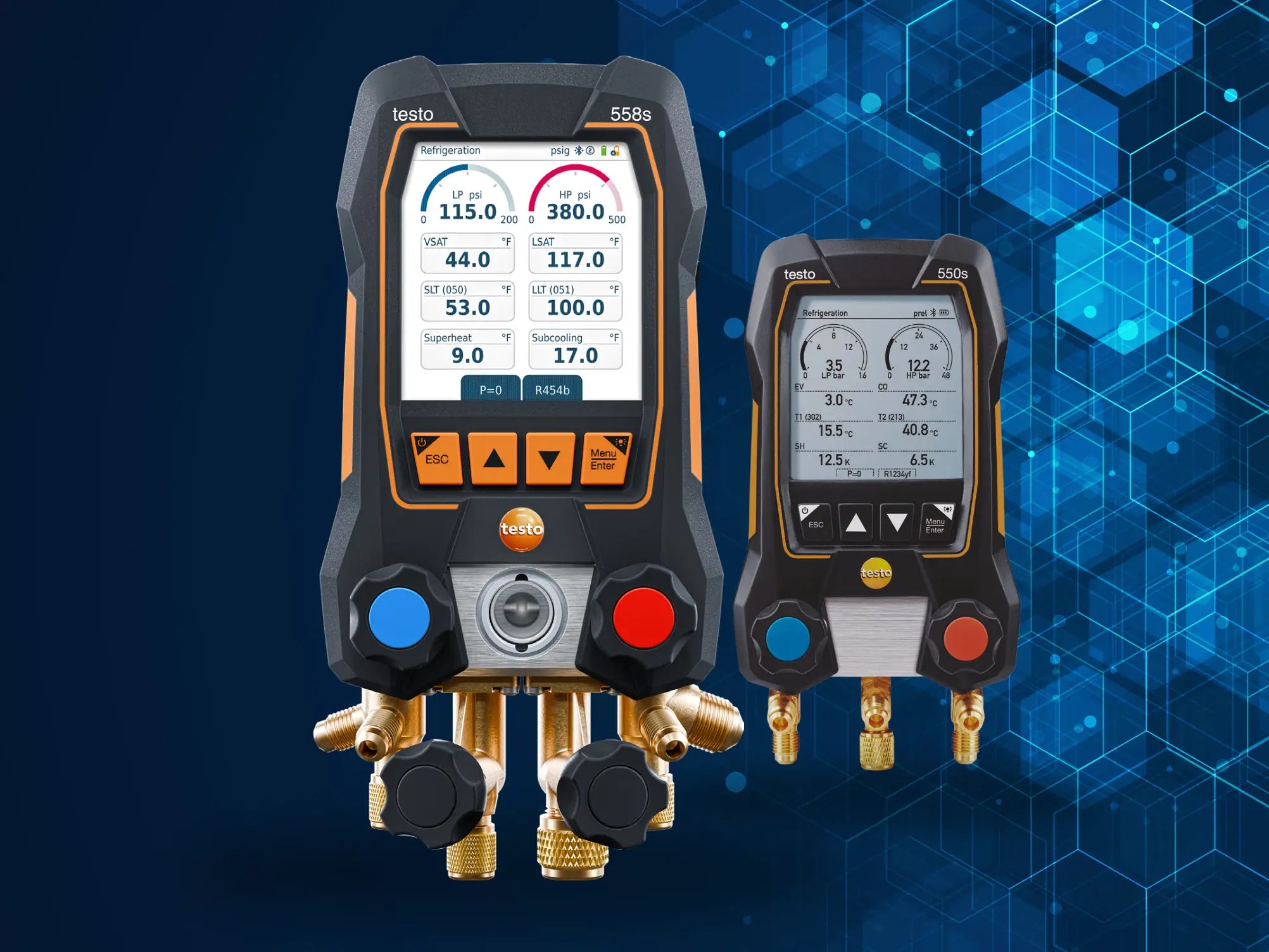
When technicians service these systems, they also need equipment matched to the refrigerant and the pressure range involved. For that reason, it makes sense to compare R32 refrigerant and compatible gauge options before buying gear for R32 and R410A work.

R32 vs R410A: Role of Refrigerants
Refrigerants sit at the centre of the cooling cycle. Their job is to absorb heat from the indoor space, carry it through the sealed system, and dump that heat outside. Without refrigerant, the rest of the air conditioner components cannot do their job.
Role in Air Conditioners
Inside the evaporator coil, the refrigerant absorbs room heat and turns into a vapour. The compressor then raises the pressure of that vapour and sends it to the condenser, where heat is rejected outdoors. After that, the refrigerant passes through an expansion device, drops in pressure, and starts the process again.
That cycle is the same whether the system uses R410A or R32. What changes is the refrigerant’s properties, efficiency profile, environmental footprint and handling requirements.
Types of Refrigerants and Their Brief History
R12
R12 was a chlorofluorocarbon used widely in older refrigeration and automotive systems. It was phased out because of its major impact on ozone depletion.
R22
R22 became the next major refrigerant for air conditioning, but it too was eventually phased down because it still harmed the ozone layer.
R410A
R410A became the common replacement for R22 in many residential and light commercial air conditioning systems. It does not deplete the ozone layer, but it has a relatively high global warming potential compared with newer options.
The trade-off is environmental impact. R410A still carries a high global warming potential, which is one reason the market has been shifting toward lower-GWP alternatives for new equipment.
From a servicing point of view, R410A systems run at comparatively high pressures. That means technicians need gauges, hoses and recovery gear that are properly rated for that pressure range.

Get to Know More About R32
R32, or difluoromethane, is a single-component HFC refrigerant that has become common in newer split systems. It has a lower global warming potential than R410A and often needs a smaller charge for similar cooling work in small-system designs.
R32 also has a different safety profile. Unlike R410A, it is classed as mildly flammable, so installers and service techs need the right training, procedures and tools when working on it.
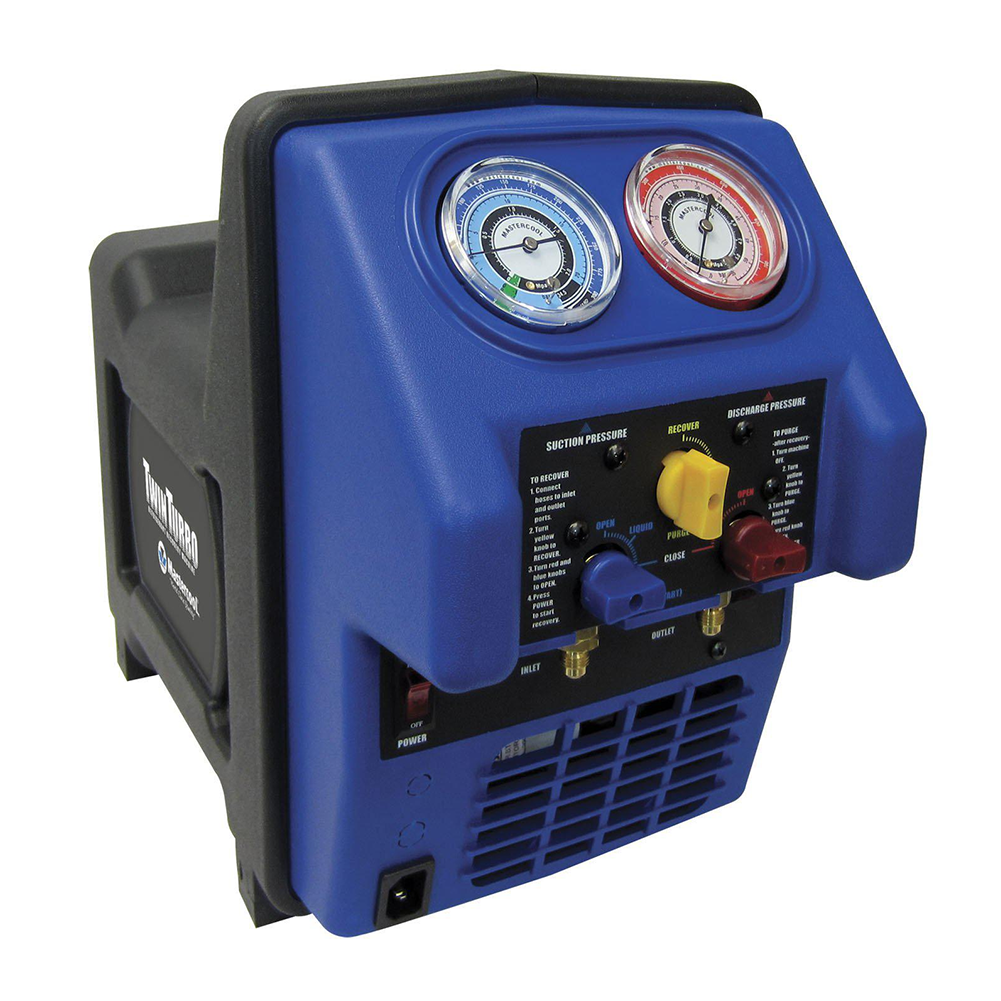
That is also why it makes sense to use equipment designed for R32 work, especially when it comes to recovery, leak response and gauge compatibility.
R32 vs R410A: Comparison
Chemistry
R32 is a single-component refrigerant. R410A is a blend. In practice, that means R32 is simpler from a composition point of view and is often easier to recover and reuse correctly.
Global Warming and Climate Change
R32 has a much lower global warming potential than R410A. That is one of the biggest reasons it is now favoured in many newer systems.
Ozone Layer Effect
Both refrigerants have zero ozone depletion potential, so neither damages the ozone layer in the way older CFC and HCFC refrigerants did.
Safety and Servicing
R410A is non-flame propagation under standard safety classification, while R32 is lower flammability. That does not automatically make R32 a bad choice, but it does mean service procedures, training and tool selection matter more.
Practical Buying Point
If you are working across both refrigerants, it often makes more sense to invest in R32 and R410A compatible gauge options rather than buying around a single older gas type.

| Recommended product | Best fit in this article | Why it works | Buy |
|---|---|---|---|
| Imperial 516CC 2-Valve / 4-Port Manifold for R410A / R32 | Technicians servicing both R32 and R410A systems | A practical crossover choice because it is built for both refrigerants and suits day-to-day charging, testing and troubleshooting work. | Add to Cart |
| Mastercool Gauge HP 80MM R410 / R32 | Readers upgrading or replacing gauges for high-pressure refrigerant work | A useful reroute for readers who do not need a full new manifold but still want a gauge clearly marked for R410A and R32 compatibility. | Add to Cart |
Give Importance to Refrigerants
Refrigerants do more than affect cooling performance. They affect environmental impact, equipment design, safety procedures and long-term service planning. That is why refrigerant choice matters for both buyers and technicians.
The wider industry shift toward lower-GWP refrigerants is also changing the tool kit that tradies need on hand. Gauges, hoses, recovery units and handling practices all have to match the refrigerant and the system.
For readers comparing old and new equipment, the main point is simple: refrigerant choice is no longer a background detail. It is part of the buying decision.
Between R410A and R32, R32 usually comes out in front for modern small-system air conditioning. It has a lower global warming impact, is widely adopted in newer systems, and often delivers strong practical performance.
That does not mean R410A suddenly becomes useless. There are still plenty of existing R410A systems in service, and technicians still need tools that can handle both gases. But for new-equipment direction, the trend is clear: lower-GWP options like R32 have become the stronger long-term fit.
If you are buying tools around that shift, start with gear that already covers both refrigerants where possible, then add the right compatible service equipment as your work mix demands it.