Mastering Continuity Tests with Your Multimeter: A Comprehensive Guide
When it comes to ensuring the proper functioning of electrical circuits, continuity testing is an invaluable skill. Whether you're a seasoned DIY enthusiast or just starting, knowing how to use a multimeter to test continuity can save you time and prevent potential hazards. In this guide, we'll walk you through the process, share tips, and include a real client story that shows why continuity testing matters. We’ll also point you to top-notch multimeters that make the job easier.
What Is Continuity Testing?
Continuity testing checks whether a circuit is complete—i.e., electricity can flow from one end to the other without interruption. It’s crucial for spotting broken wires, faulty components, and dodgy connections.
Why Continuity Testing Is Important
- Diagnose problems fast: Quickly identify broken wires or loose/failed connections.
- Stay safe: Reduce electrical hazards by confirming connections are sound.
- Save time and effort: Pinpoint faults without dismantling whole circuits.

Tools You’ll Need
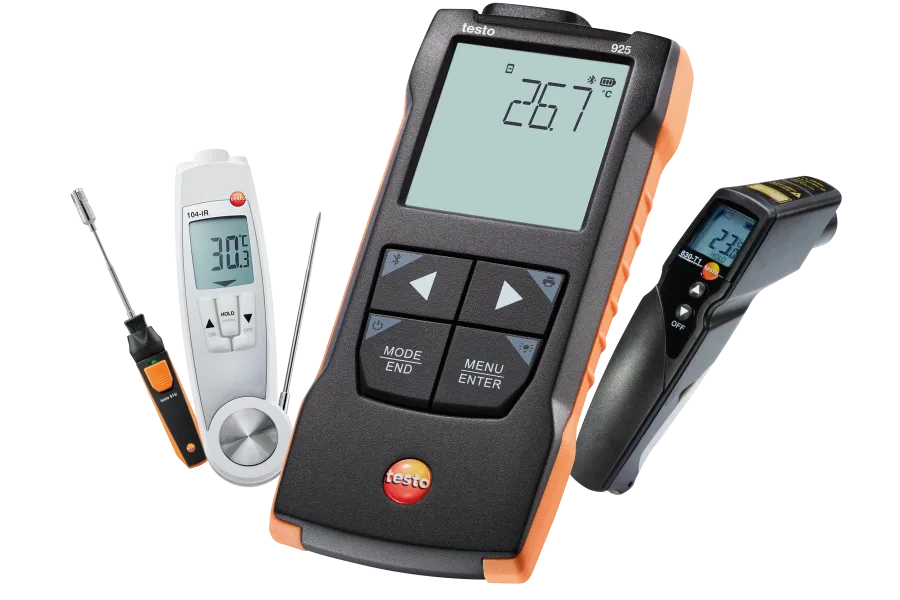
To perform a continuity test, you’ll need a reliable multimeter. Great options at HVAC Shop:
- Palm Size Multimeter AC/DC Voltage
- Bluetooth True RMS Digital Multimeter
- Pocket Size Digital Multimeter
- SC260 Fieldpiece Compact Clamp Meter

Step-by-Step: How to Perform a Continuity Test
- Power off the circuit: De-energise the circuit to avoid shock or meter damage.
- Prepare your multimeter: Set to continuity mode (sound-wave/diode symbol).
- Test the meter first: Touch probes together—listen for a beep or reading near zero.
- Test the circuit/component: Place one probe at each end. A beep/low resistance = continuous path.
Real-Life Example: The Case of the Faulty Christmas Lights
Sarah’s Christmas lights wouldn’t turn on. With her SC260 Fieldpiece Compact Clamp Meter, she traced a break mid-string. A quick solder and the lights were good as new. A simple continuity test saved time, money, and the holiday mood.
Common Issues and Troubleshooting
No beep or high reading
- Problem: Open circuit—there’s a break somewhere.
- Fix: Check for broken wires, loose terminals, blown fuses, or failed components.
Beep/low reading but still not working
- Problem: The path is continuous, but a component may be faulty under load.
- Fix: Isolate and test components individually; check for shorts or incorrect wiring.

Pro Tips for Effective Continuity Testing
- Double-check your meter: Verify on a known good circuit; replace batteries if readings seem off.
- Look first, test second: Do a quick visual for frays, burns, loose screws, or corrosion.
- Safety first: Confirm zero volts before switching to continuity; wear PPE.
- Use the right jacks: Black probe to COM; red to Ω/continuity port.
- Isolate parts: Test components one by one to avoid false paths through parallel circuits.
- Document: Note readings as you go; it speeds future troubleshooting.
Advanced Multimeters for Better Accuracy
Basic meters are fine for simple checks, but advanced features can boost accuracy and workflow:
Advanced Multimeter Features
- Bluetooth connectivity: Bluetooth True RMS Digital Multimeter for app-based logging and analysis.
- Compact portability: Pocket Size Digital Multimeter—perfect for on-the-go checks.
- High-voltage insulation tests: Fieldpiece Digital Megohm Meter SMG5 for precise insulation integrity.
- Clamp current without breaking the circuit: SC260 Fieldpiece Compact Clamp Meter.
Conclusion
Continuity testing is a foundational skill for diagnosing electrical issues quickly and safely. Follow the steps above, use the right settings, and choose a reliable meter to get accurate results every time.
Explore the best options here: HVAC Shop – Multimeters. A quality meter pays for itself in saved time, accurate diagnostics, and safer work.