
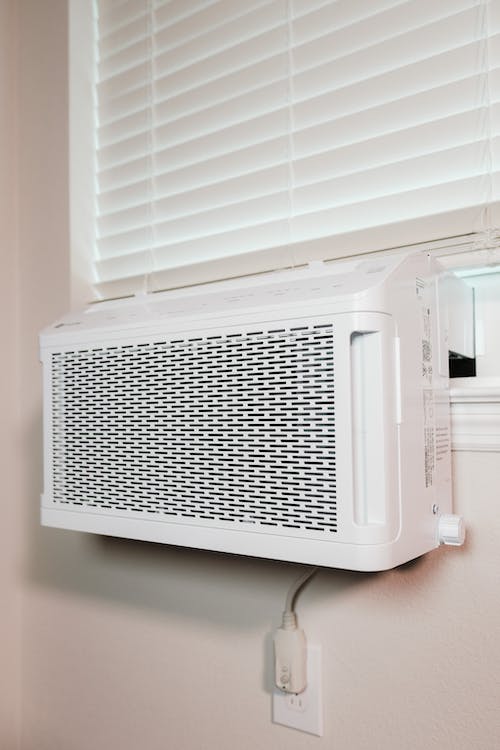
Air Conditioner Cleaner Spray: Effective Solution for Your AC - Spray Cleaner for Air Conditioner
An air conditioner is no less than a lifeline in those hot, unforgiving summer months. But, for it to function at its optimum capacity, regular maintenance is key. Among other steps, cleaning is a crucial part of the upkeep. To simplify this process, a handy tool in your arsenal is the air conditioner cleaner spray.
This comprehensive guide will walk you through the various steps involved in using air conditioner cleaner spray effectively. It's not rocket science - with a little time and effort, you can optimize your AC's performance, enhance its lifespan, and improve the air quality in your home.
Why Do You Need to Clean Your Air Conditioner?
Before we delve into the 'how', let's understand the 'why'. The air conditioner, much like other appliances, gathers dust, debris, and even mould over time. This accumulated filth not only hampers the performance of your unit but can also lead to health issues due to the poor air quality circulated in your home.
Cleaning with a dedicated air conditioner cleaner can eliminate these potential risks. A cleaner AC is a more efficient AC. It cools your space quicker, consumes less energy, and lowers your electricity bills. Plus, regular maintenance reduces the need for professional services, saving you a fortune in repair costs.
Choosing the Right Air Conditioner Cleaner Spray

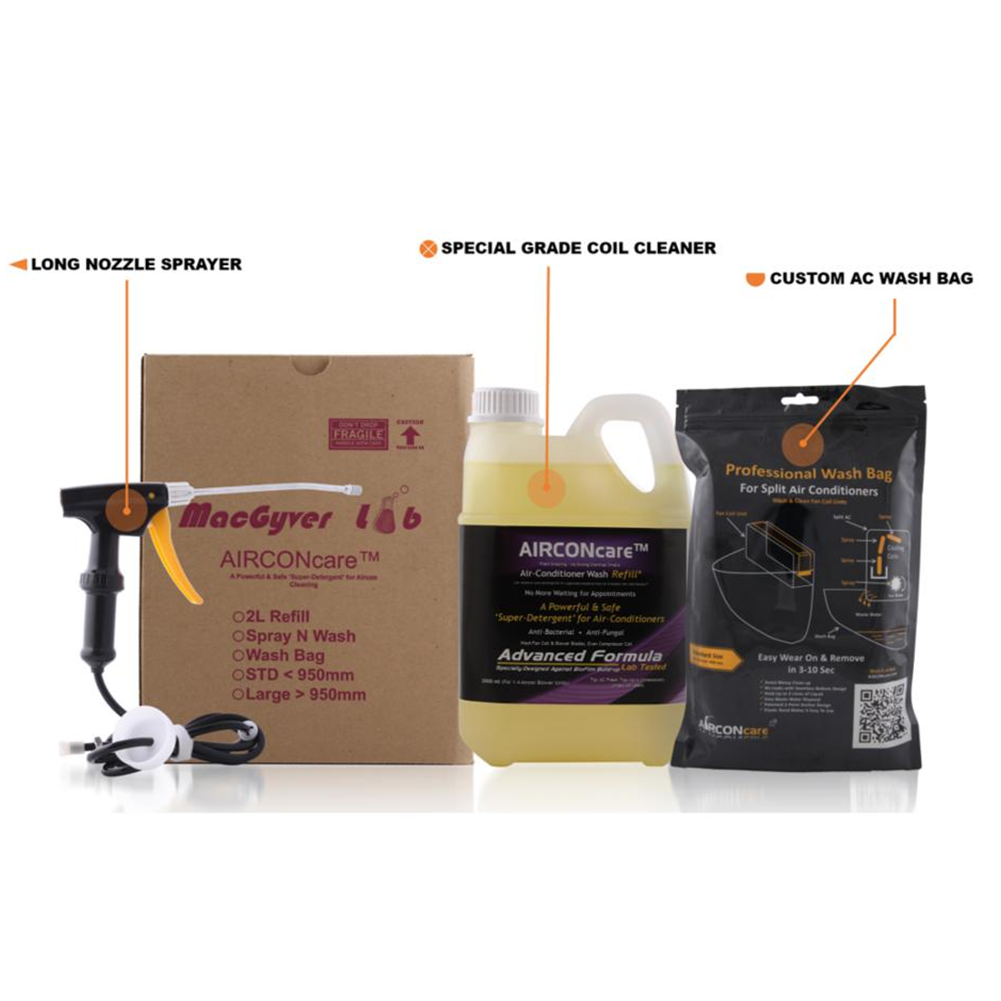
Not all AC cleaners are created equal. To pick the best one, look for a product that is easy-to-use, non-toxic, and suitable for your specific AC type. Also, a good cleaner should be capable of removing a broad range of contaminants, including dust, mould, and bacteria.
Here at HVAC Shop, we offer a range of high-quality air conditioner cleaner sprays designed to meet your needs. Our products are carefully curated to ensure that they're both effective and safe for your home environment.
Step-by-Step Guide to Using Air Conditioner Cleaner Spray
Step 1: Turn Off Your AC
Safety comes first. Before you begin the cleaning process, ensure that your air conditioner is turned off and unplugged. This step not only safeguards you from potential electrical hazards but also prevents the unit from sucking in cleaning spray during the process.
Step 2: Remove the Filter
Filters are the frontline warriors that protect your AC from dust and other pollutants. Hence, they're likely to be the dirtiest. Most filters are removable, and you can simply slide them out of their compartments.
Step 3: Apply the Cleaner
Now, it's time to use your air conditioner cleaner spray. Give your filter a good spray, making sure it's thoroughly coated. Don't be afraid to be generous - you want to make sure you're getting all the grime out.
Step 4: Let it Soak
Once the cleaner is applied, let it sit and work its magic. Each product will have its recommended soak time, so make sure to follow the instructions on the can.
Step 5: Rinse and Dry
After the soaking period, rinse your filters thoroughly under running water. Then, leave them to dry completely before putting them back in. Reinstalling damp filters can lead to mould growth.
Step 6: Clean the AC Unit
While your filters are drying, it's the perfect time to clean the interior of your air conditioning unit. Using the same cleaner spray, gently coat the cooling fins (also known as coils) and other internal parts. Be careful not to bend or damage these fins as they are quite delicate.
Step 7: Let the Cleaner Do Its Job
Like you did with the filters, allow the cleaner to soak in for the recommended time. This will dissolve all the dirt and grime accumulated over the months.
Step 8: Gently Rinse
In most cases, air conditioner cleaner sprays are no-rinse formulas. They foam up and break down the dirt, which then simply drains away with the condensation produced by your unit. If your cleaner does require rinsing, use a low-pressure sprayer or a spray bottle filled with water. High pressure can potentially damage the delicate parts of the unit.
Step 9: Dry and Reassemble
Once all the cleaning is done, allow your unit to dry naturally. This process may take several hours, so it's best to do this on a day when AC usage is low. Once everything is dry, replace the air filters and reassemble the AC unit.
Step 10: Enjoy Fresh, Clean Air
Turn your air conditioner back on. Breathe in the cleaner, fresher air, and enjoy the noticeably improved performance of your air conditioner.
Tips for Using Air Conditioner Cleaner Spray

-
Regular Cleaning: Aim to clean your AC unit every 3 to 6 months, or as recommended by the manufacturer. Regular cleaning is especially crucial if you live in a dusty area or use your AC extensively.
-
Use Protective Gear: Always use gloves and eye protection while cleaning. This will protect you from potential irritants in the cleaner spray and the dust and dirt that may dislodge during cleaning.
-
Check Your AC Unit Regularly: Apart from cleaning, make sure to check other components of your AC for any signs of wear or damage. Regular checks will help you catch potential issues early and save on repair costs.
-
Follow Product Instructions: Different cleaner sprays have different formulations. Always follow the instructions on your specific product for best results.
-
Professional Cleaning: While DIY cleaning can handle everyday dust and grime, consider hiring a professional HVAC cleaning service annually to deal with deeper issues like mould and bacteria. This will ensure that your AC unit is thoroughly cleaned and safe for use.
The Bottom Line
Using an air conditioner cleaner spray isn't just about making your unit look good. It's about optimizing performance, extending the lifespan of your appliance, and maintaining the quality of air in your home. It's a small price to pay for the comfort and health benefits it offers.
At HVAC Shop, we're committed to helping you make the most of your HVAC units. Explore our range of air conditioner cleaner sprays and other HVAC maintenance products, and feel free to reach out to us if you have any questions.
Cleaning your air conditioner is a task that can seem daunting, but it doesn't have to be. With the right tools and knowledge, it's a breeze. So, roll up your sleeves, grab your cleaner spray, and give your air conditioner the care it deserves. Here's to clean air and cool, comfortable summers!