

When you think about the sweltering Australian heat, the first piece of technology that might come to mind is probably your trusty air conditioner.
It's an absolute lifesaver on those scorching summer days, creating a cool oasis within the confines of your home or office. But how often do you think about the cleanliness of your cooling companion? Today, we're going to dive deep into the world of air conditioner cleanliness and why your air conditioner needs a quality cleaner.
Why Clean Your Air Conditioner?

Air conditioners work by circulating air throughout your home or office. However, along with this air, it also circulates any dust, pollen, and other pollutants that are present in the environment. Over time, these contaminants can build up within your air conditioner, causing a range of issues from reduced performance to potential health risks.
Therefore, regular cleaning using a quality air conditioner cleaner isn't just recommended—it's a necessity. Let's delve into some of the main reasons for this:
1. Enhanced Performance
A clean air conditioner operates at peak efficiency. When dust and debris accumulate in the various parts of your unit—like the filters, coils, and fins—it can restrict airflow and reduce its efficiency. This means your air conditioner has to work harder to provide the same amount of cool air, consuming more energy in the process. Regular cleaning helps maintain optimal performance and reduce energy costs.
2. Increased Lifespan
A well-maintained air conditioner lasts longer. The harder your unit has to work due to dirt accumulation, the more wear and tear it experiences. By regularly using a quality air conditioner cleaner, you can extend the lifespan of your unit, saving you money on costly repairs or premature replacement.
3. Improved Air Quality
A clean air conditioner promotes better indoor air quality. A dirty air conditioner can circulate harmful pollutants, allergens, and bacteria, posing potential health risks. Regular cleaning with a quality cleaner helps ensure that the air circulated by your unit is as clean and healthy as possible.
Choosing a Quality Air Conditioner Cleaner
Now that we understand the importance of cleaning our air conditioner, the next step is choosing the right cleaner. Not all cleaners are created equal, and it's essential to select a product that will effectively remove dirt and debris without damaging your unit.
At HVACShop, we recommend cleaners that are easy to use, safe for your unit, and environmentally friendly. These cleaners should be non-corrosive, ensuring they won't damage your air conditioner's components. They should also effectively remove dirt, grime, and bacteria, improving the efficiency and air quality provided by your unit.
The Cleaning Process
While professional servicing is recommended for more complex tasks like checking coolant levels or servicing components, you can undertake regular cleaning tasks with a quality cleaner. These include cleaning the filters, coils, and fins.
The cleaning process usually involves applying the cleaner, letting it sit for a stipulated time, and then rinsing it off. Some cleaners may also require scrubbing to effectively remove tough dirt or grime.
Remember, always refer to your air conditioner's manual or consult with a professional if you're unsure about the cleaning process.
Understanding the Parts of Your Air Conditioner
Before you start cleaning your air conditioner, it's important to understand its primary components:
- Filters: The filters capture dust and pollutants from the air before it is cooled and redistributed. Over time, these filters can become clogged, reducing air flow and causing your unit to work harder.
- Coils: The coils are used to cool down the air. Dust and dirt accumulation can insulate these coils, reducing their efficiency at cooling the air.
- Fins: The fins are located on the condenser and evaporator coils. They help with heat exchange but can become easily clogged with debris.
All these parts require regular cleaning to keep your air conditioner running optimally.
Safety First
Before you start your DIY cleaning, make sure to turn off and unplug your unit. This is to protect both you and the unit from accidental damage. Remember, safety should always be your first priority when dealing with electrical appliances.
Choosing the Right Tools
To clean your air conditioner, you will need a quality air conditioner cleaner, a soft brush for gentle scrubbing, a fin comb to straighten any bent fins, and clean cloths for wiping. Some air conditioner cleaners come with a special applicator or scrubbing brush to help you effectively clean those hard-to-reach places.
The Cleaning Step-by-Step
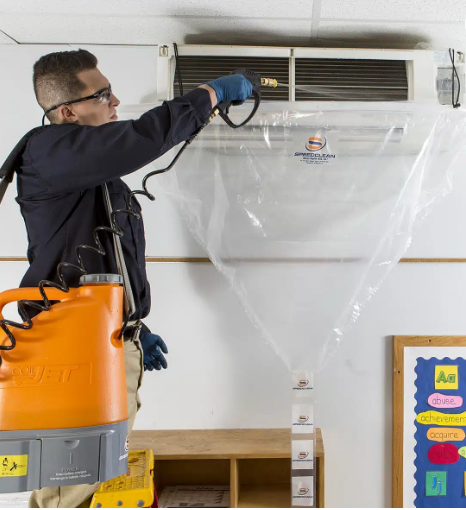
1. Cleaning the Filters:
The filters are usually the easiest to clean. Simply remove them from the unit, spray them with your cleaner, and gently scrub off any stubborn grime. After scrubbing, rinse them thoroughly and let them dry before reinstalling.
2. Cleaning the Coils:
For the coils, you may need to remove a few more panels or guards. Once you have access, spray them with your cleaner and let it sit for the recommended time. Rinse thoroughly and let them dry.
3. Cleaning the Fins:
Fins can be delicate, so be gentle when cleaning them. Spray them with your cleaner, let it sit, then rinse off carefully. If any fins are bent, use a fin comb to straighten them out.
4. Final Touches:
Once everything is clean and dry, reassemble your unit. Ensure you properly fix all the panels and guards back into place. After the assembly, turn on your unit and let it run for a few minutes to ensure everything works smoothly.
Regular Maintenance is Key
Cleaning your air conditioner isn't a once-a-year task. Depending on the usage and the environment, you may need to clean your unit every couple of months. This regular maintenance will ensure that your air conditioner is always operating at peak performance, prolonging its lifespan and keeping your indoor air clean.
In conclusion, the cleanliness of your air conditioner has a significant impact on its performance, durability, and your indoor air quality. Don't neglect this crucial part of your HVAC maintenance. Choose a quality air conditioner cleaner and enjoy a cooler, cleaner, and healthier home. If you need help finding the right cleaner or need professional servicing, the team at HVACShop is always here to help. Enjoy a cooler summer and breathe easier with a clean and efficient air conditioner.