
Air Conditioner Recharge Kit for Home: Is DIY Safe or a Costly Mistake?

If your air conditioner is not cooling like it used to, it is natural to wonder if it just needs a quick refrigerant top-up. That is why many homeowners search for an air conditioner recharge kit for home, hoping for a simple DIY fix.
But here is the reality: home air conditioning systems are not like car AC systems. They are sealed systems, and if refrigerant is low, there is usually a leak. Simply adding refrigerant without fixing the cause is not a proper solution.
This guide will walk you through what recharge kits actually are, when they make sense, when they do not, and what you need to know before attempting any kind of DIY work.
What Is an Air Conditioner Recharge Kit?
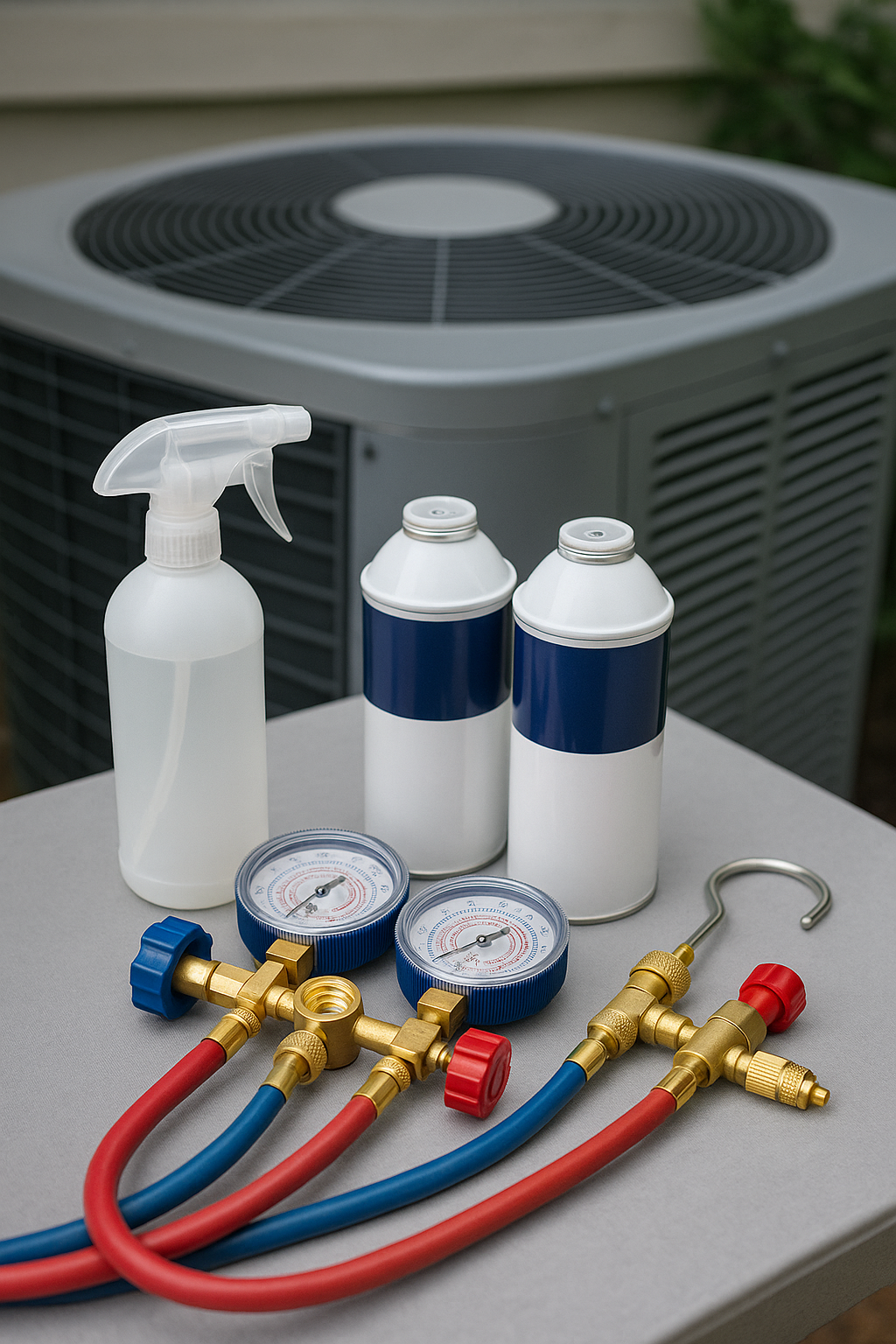
An air conditioner recharge kit typically includes a gauge, hose, and connection fittings designed to add refrigerant into a system. In automotive use, these kits are common and relatively straightforward.
For home systems, however, things are different. Residential split systems and ducted units are designed to be sealed. They do not “use up” refrigerant like fuel. If levels are low, there is a fault in the system.
This is why professional HVAC technicians use proper tools and diagnostic processes rather than simply topping up refrigerant.
Why Home AC Systems Are Not Designed for DIY Recharging
Unlike car systems, home air conditioners operate under higher pressures and stricter regulations. In Australia, handling refrigerant legally requires appropriate licensing.
There are also safety concerns. Refrigerants can cause frost burns, pressure injuries, and environmental harm if released incorrectly. That is why most manufacturers and service guidelines do not recommend DIY recharging for residential systems.
Low refrigerant almost always means a leak. Recharging without fixing the leak is a temporary fix at best and can damage the system over time.
When a Recharge Kit Might Be Considered
There are limited situations where a recharge setup might be used outside of professional service work. This is usually in controlled environments, training scenarios, or where licensed individuals are working on their own systems with proper tools.
For general homeowners, the better approach is diagnosis first. Poor cooling can be caused by dirty filters, blocked coils, airflow issues, or electrical faults, not just refrigerant levels.
Tools Required for Proper AC Recharging
Even when recharging is appropriate, it is not just about connecting a can and opening a valve. Proper servicing involves a full set of tools.
This includes manifold gauges, hoses rated for the refrigerant type, vacuum pumps, and leak detection tools. Without these, you are not actually servicing the system correctly.
If you want to understand what proper setups look like, you can browse the HVAC tools collection to see the type of equipment professionals use.
Safety Gear You Should Never Skip
Safety is often overlooked in DIY discussions, but it is critical. Refrigerant can cause serious injury if mishandled.
At minimum, proper work should include protective gloves and eye protection. These are not optional. Even a small release of refrigerant under pressure can cause harm.
Understanding safety is just as important as understanding tools.
Common Signs Your AC Is Low on Refrigerant
Before assuming you need a recharge, it helps to understand the symptoms correctly.
Weak cooling, ice on the indoor coil, and longer run times can indicate refrigerant issues, but they can also point to airflow problems or dirty components.
This is why proper diagnosis matters. Guessing leads to wasted time and potentially bigger repairs.
Why DIY Recharging Often Goes Wrong
The biggest issue with DIY recharge attempts is misdiagnosis. Adding refrigerant to a system that does not need it can actually reduce performance.
Another common issue is overcharging. Too much refrigerant increases pressure and can damage the compressor.
Incorrect refrigerant type is also a risk. Modern systems use specific refrigerants such as R32, and mixing or using the wrong type can cause serious problems.
Professional vs DIY: What’s the Real Difference?
A licensed technician does more than just add refrigerant. They check pressures, inspect components, test for leaks, evacuate the system if needed, and recharge it to precise specifications.
DIY approaches typically skip most of these steps, which is why results are inconsistent and often temporary.
When You Should Call a Professional
If your system is low on refrigerant, there is a reason. That reason needs to be identified and fixed properly.
Calling a licensed HVAC technician ensures the system is repaired correctly, safely, and in compliance with regulations.
In many cases, this is the most cost-effective option in the long run.
Choosing the Right Tools for AC Work
If you are serious about learning or working within HVAC, investing in proper tools is essential. Quality tools improve accuracy, safety, and overall results.
You can explore suitable options in the HVAC tools range to see what professional-grade equipment looks like.
Final Thoughts: Should You Use a Recharge Kit at Home?
For most homeowners, the answer is no. Air conditioning systems are not designed for casual recharging, and doing so without proper knowledge and tools can cause more harm than good.
The smarter approach is to understand the symptoms, rule out simple issues, and involve a qualified technician when refrigerant problems are suspected.
That said, understanding how these systems work puts you in a better position to make informed decisions about your home and your equipment.
Need proper HVAC tools instead of guesswork?
Related HVAC Guides
If you're learning more about air conditioning tools, servicing, and system performance, these guides will help you build a stronger understanding:
How to use a nitrogen regulator step by step
Types of flaring tools for plumbing
Gas regulator compatibility guide