
HVAC Shop Blog
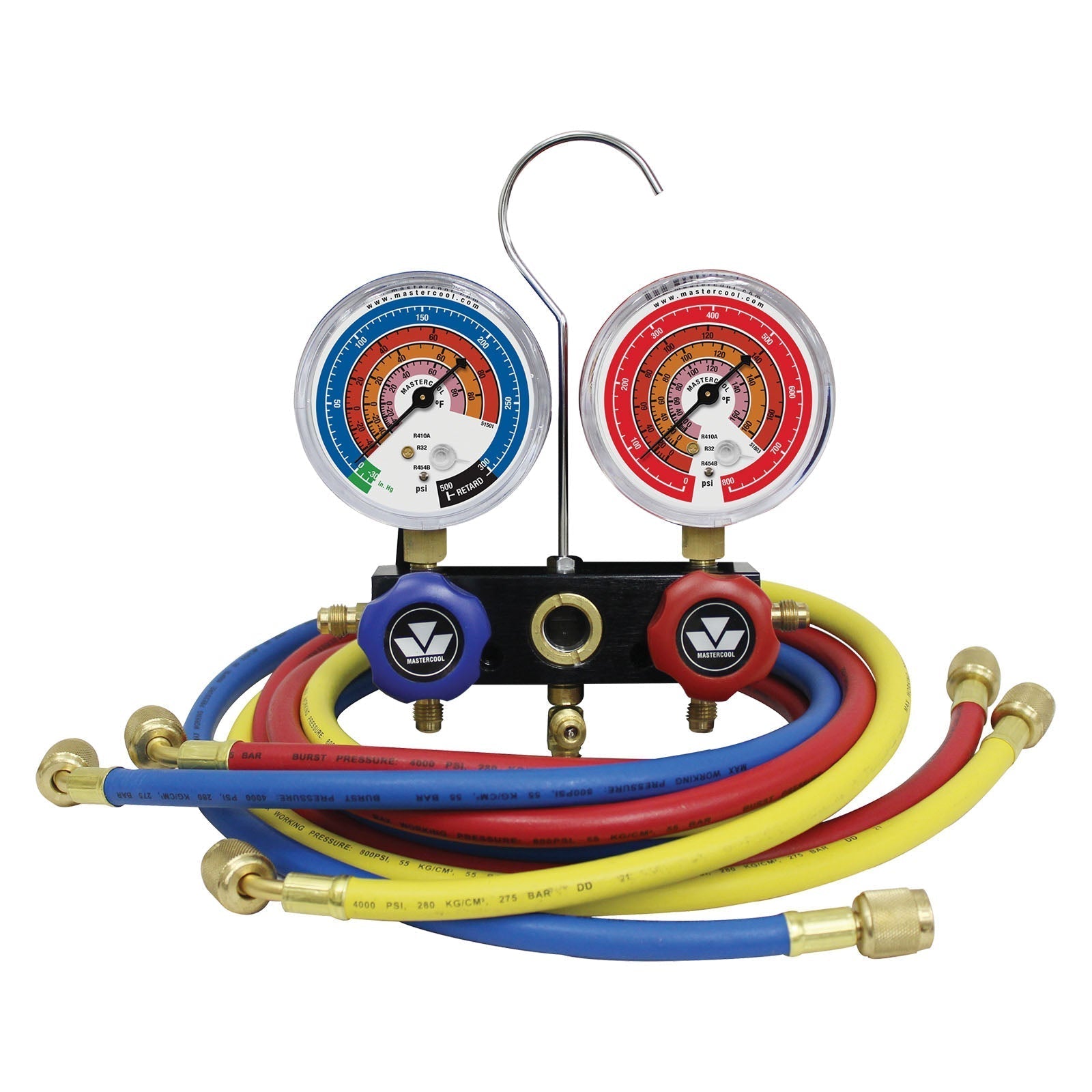
R32 Compatible Manifolds
R32's higher operating pressures and A2L flammability classification mean manifold gauge compatibility is a genuine safety and compliance issue, not just a spec sheet detail. This guide covers how to verify pressure ratings, seal materials, and refrigerant compatibility on your existing manifold, plus what changes in the charging workflow when you move from R22 or R410A onto R32 systems.
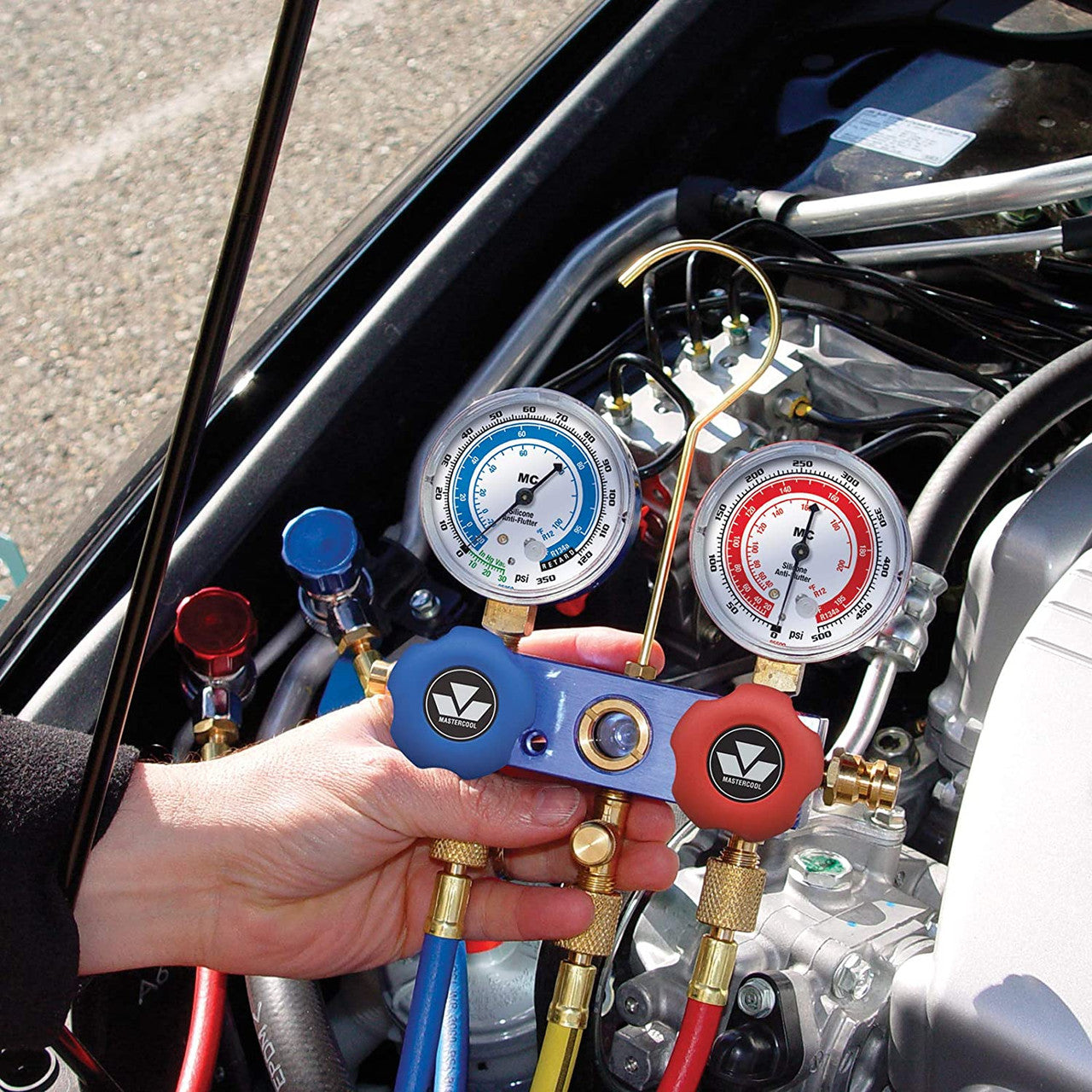
How to Read Manifold
Reading a manifold gauge correctly is a foundational skill that separates confident diagnosis from guesswork. This step-by-step guide covers gauge layout and scales, superheat and subcooling calculation, and how to interpret abnormal pressure readings to diagnose what's actually happening in the system.
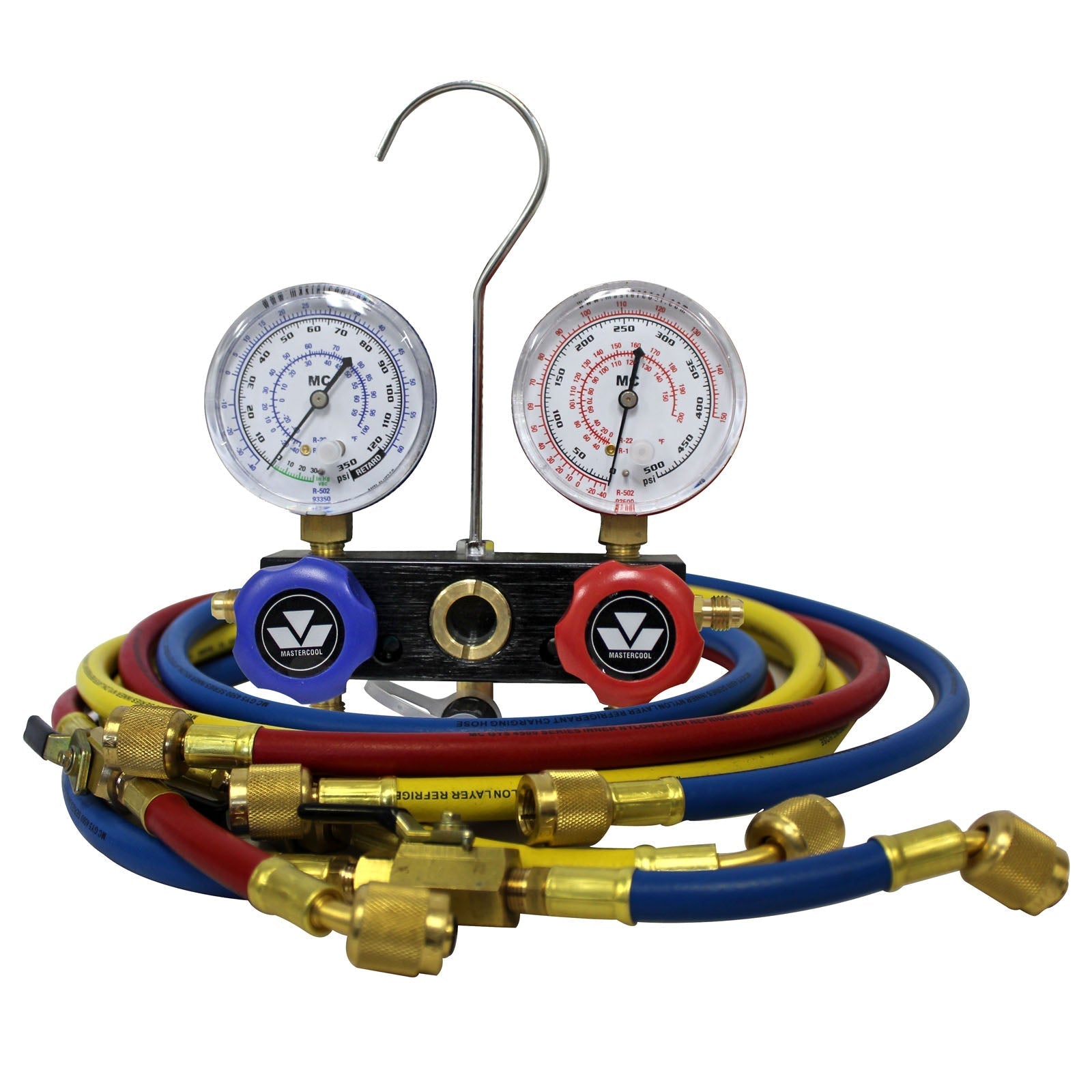
Mastercool Manifolds Guide
A manifold gauge set is the tool you reach for on every job. This guide compares Mastercool's digital and analog manifold options across 2-valve and 4-valve configurations, covering R32 compatibility, superheat and subcooling calculation, and which type suits your typical work and conditions best.
Hydraulic vs Ratchet Flaring
Hydraulic or ratchet? The right flaring tool depends on how many flares you're actually doing per job, not which one sounds more professional. This guide breaks down the real speed, consistency, and cost differences between Mastercool's manual and hydraulic flaring options, plus the break-even math for contractors deciding whether the hydraulic investment pays off.
Mastercool Flaring Tools
A flare connection is only as good as the tool and technique behind it. This guide covers Mastercool's flaring tool range, from manual eccentric tools through to hydraulic kits, and breaks down when hydraulic earns its higher price over a traditional ratchet approach for Australian HVAC-R work.
How to Use Mastercool Pump
Proper evacuation is the difference between a system that lasts and one that fails early. This step-by-step guide covers the complete Mastercool vacuum pump evacuation procedure: pre-job checks, starting the cycle, reading the micron gauge correctly, troubleshooting plateaus and leaks, and interpreting the decay test before you charge. Written for ARCtick-licensed technicians and apprentices learning the right habits from the start.
Spark-Free Vacuum Pumps for R32: Mastercool R32 Ready Guide
R32 is now the standard refrigerant across most Aussie HVAC-R installs — but its A2L classification means your vacuum pump needs to be spark-free, not just capable. This guide covers why standard brush-motor pumps are a safety risk on R32 systems, how spark-free brushless DC technology works, and what's actually different about evacuating an R32 system versus R22
Mastercool Vacuum Pumps: Complete Guide Australia
Choosing the right vacuum pump can make or break a commissioning job. This complete guide covers Mastercool vacuum pump models, CFM ratings, dual-stage technology, R32 spark-free options, and maintenance — everything Aussie HVAC-R tradies need to pull a deep, verified vacuum every time.
Mastercool vs Other Refrigerant Scales: Comparison Guide
Choosing a refrigerant charging scale comes down to accuracy, connectivity, Australian support, and whether the features justify the price for your typical job mix. This guide compares Mastercool's charging scale range against Fieldpiece, TIF, and JAVAC options in the Australian market, looks at where each brand sits on value and support, and gives practical recommendations by user type.
How to Charge by Weight
Step-by-step guide to charging refrigerant by weight using a Mastercool scale. Covers pre-charge prep, nameplate target weight, liquid vs vapor method, and post-charge verificationMastercool 98210-BL Guide
Charging refrigerant by weight is the professional standard in Australian HVAC-R work. The Mastercool 98210-BL Accu-Charge II takes the process wireless with Bluetooth monitoring via the Mastercool Connect app. This guide covers what makes the 98210-BL worth the step up, how to get it paired and reading correctly from day one, and the real workflow improvements it delivers on the tools.
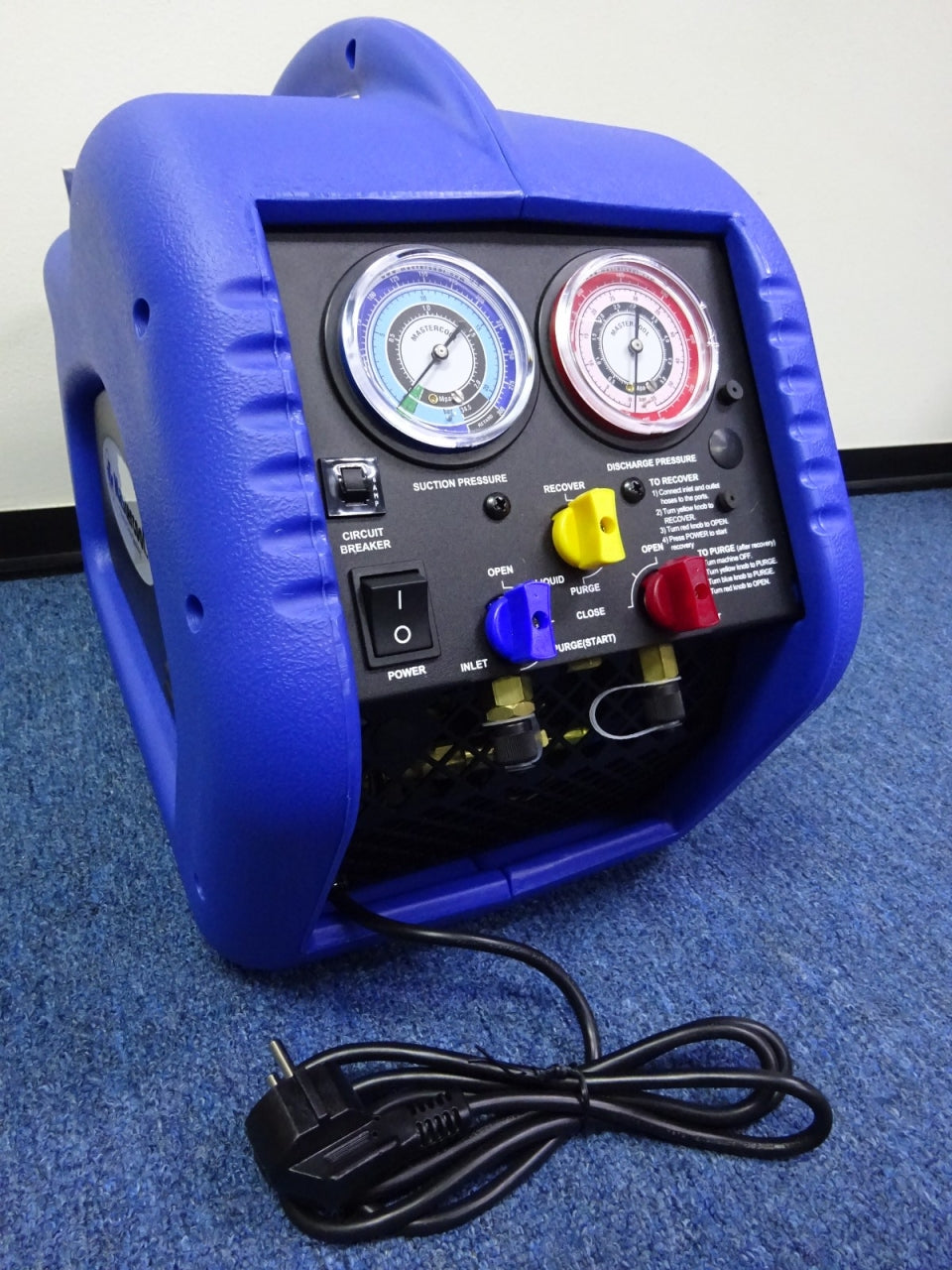
R32 Recovery Mastercool
R32 is now the dominant refrigerant in new Australian HVAC-R installations, and not every recovery machine is compliant for the job. This guide explains why R32's A2L flammability classification requires spark-free certified equipment, what spark-free actually means inside the machine, and how to adapt your recovery technique for safe, compliant R32 work on any Aussie job site.