
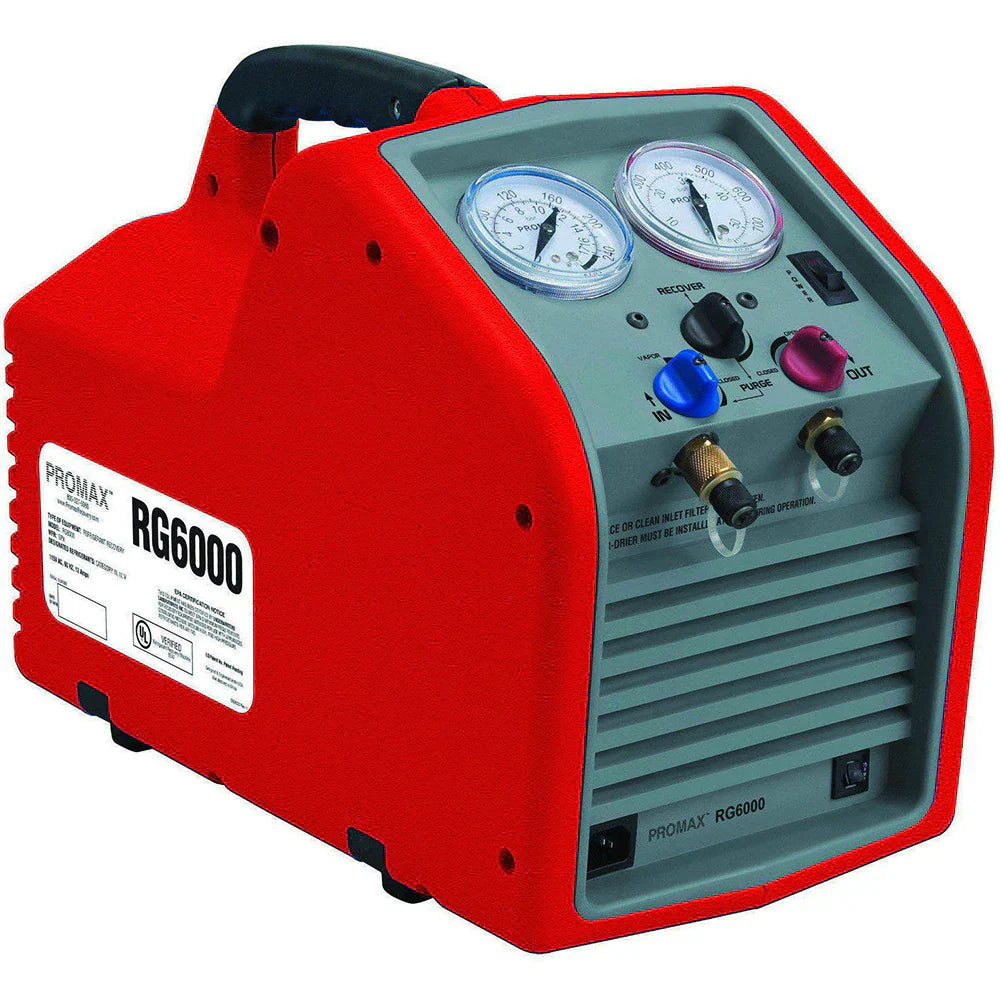
Everything You Need to Know About an Aircon Recovery Machine!
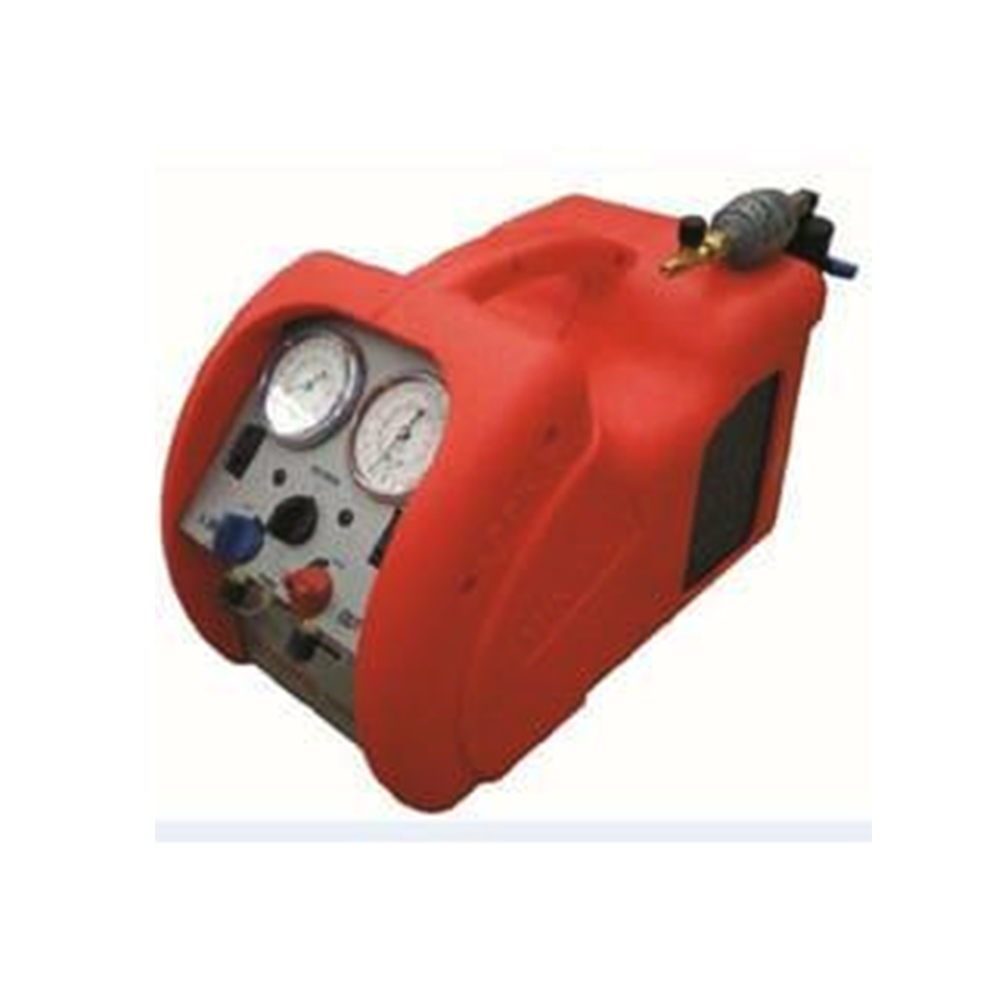
An aircon recovery machine is essential for removing refrigerant from refrigerators, freezers, and air conditioners before repair or maintenance. Using methods like the push pull recovery technique, it efficiently extracts refrigerant through the liquid port, speeding up the process. For high-capacity systems, the push pull method refrigerant recovery is ideal, allowing for quicker removal of large volumes. Many machines also feature a sight glass to monitor refrigerant flow, ensuring safe and effective recovery. To comply with EPA regulations, these machines recycle and reclaim waste hydrofluorocarbons (HFCs) from portable and stationary HVAC equipment.
Why should industrial refrigerants be recovered, recycled, and reclaimed?
Recovering, recycling, and reclaiming refrigerants is a legal necessity. Whether in liquid or gas form, synthetic refrigerants can harm the environment.
The leakage of synthetic refrigerants into the environment when cooling equipment and refrigeration units are maintained or replaced can have a long-term negative impact on the ozone layer. Furthermore, dumping the liquid refrigerant at a disposal facility permanently changes the chemical composition of the soil. As a result, Australia, like many other nations, has begun to take steps to limit the use of refrigerants to protect the environment and ensure the safety of our people.
Because of the long-term impact on the environment of refrigerants, as described above, replacing and disposing of refrigerants is becoming increasingly expensive. Over time, reclaiming and reusing refrigerants can save money. When fixing or upgrading their equipment, industrial refrigeration system operators can boost their bottom line by ensuring that it follows safety criteria for refrigerant recovery.
Refrigerant Recovery Using an Aircon Recovery Machine Methods
In chilling systems, there are three fundamental methods for reclaiming and recycling refrigerants:
1. Recovery of Liquid Refrigerant
The capacity to transfer refrigerant while still liquid is called Recovery of Liquid Refrigerant. This method is very beneficial for transporting refrigerants from one container to another.
2. Recovery of Vapour Refrigerant
In a vapour condition, the refrigerant is eliminated. The recovery unit then condenses the vapour into a liquid, subsequently sent to the recovery cylinder.
3. Refrigerant Recovery via Push-Pull
This method moves huge amounts of the liquid refrigerant, often greater than 20 pounds. The recovery unit will pull vapour from the recovery tank and create a high-pressure discharge gas that "Packs" liquid into the cylinder.
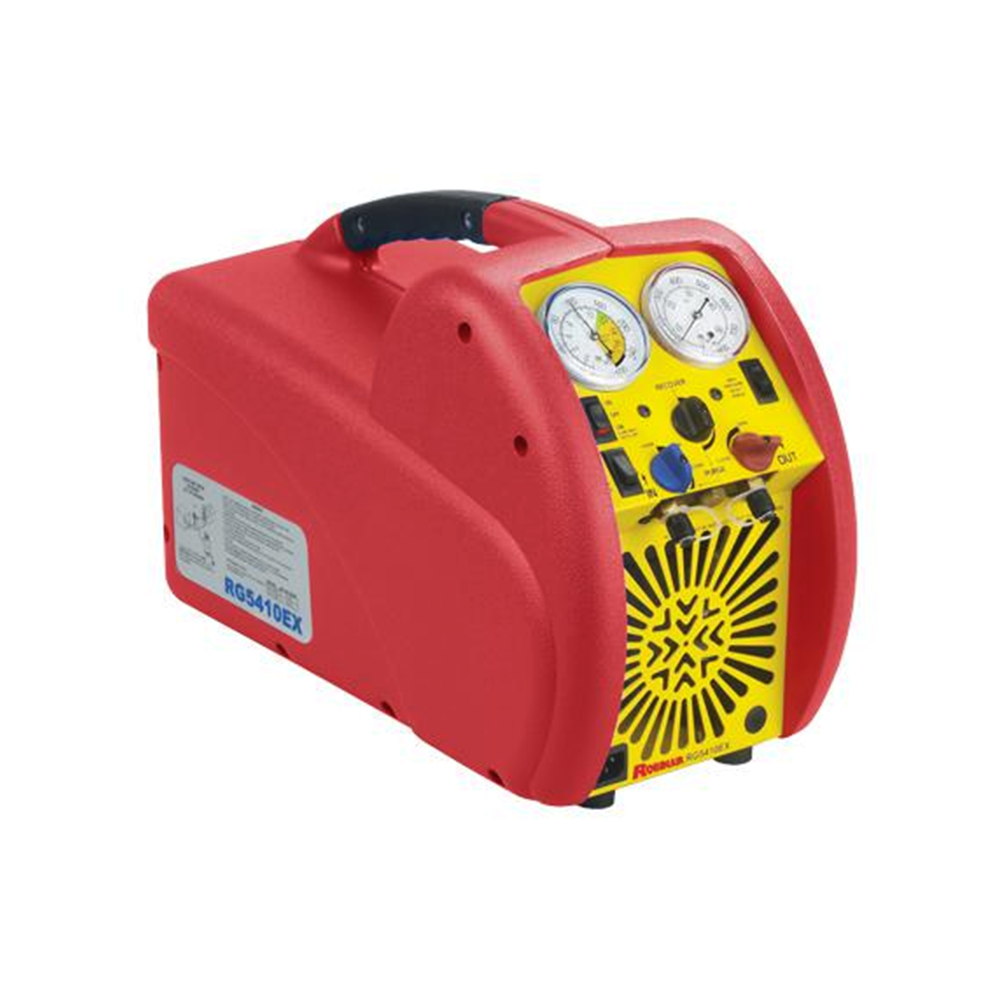
The push pull method refrigerant recovery is especially useful when dealing with high-capacity systems, as it prevents excessive strain on recovery machines and accelerates the process. HVAC professionals often prefer this method when handling bulk refrigerant transfers.
Understanding the right recovery technique ensures compliance with regulations and helps maintain environmental safety. Whether using vapor, liquid, or the push pull method refrigerant recovery, choosing the right approach will maximize efficiency and system performance.
Important Safety Practices When Recovering Refrigerants
- When maintaining cooling equipment and reclaiming refrigerants, always use safety precautions such as eyewear, safety equipment, and gloves.
- Never make an educated guess about the amount or type of refrigerant utilized.
- When attaching gauges, use caution. Over-pressuring from high-side pressure liquid or vapour can harm low-side gauges.
- Read the operating directions for the recovery machine you're using carefully. Please don't take it for granted that you understand how the device works. The instructions for each product will vary depending on the manufacturer.
- Use a device with a high vapour recovery rate at all times. Up to 80% of the process can be accounted for via vapour recovery.
- It would help if you avoided long hoses. It will evacuate the refrigerant faster if the hose is shorter and wider.
- Always start by removing the liquid. After that, start working on getting rid of the vapour.
- Don't let dangerous elements get near your healing machine. Always employ an inline filter at the inlet port to keep slivers out to avoid internal damage.
- Between tasks, remember to clean up your recovery equipment.
- Don't forget to double-check the certification of the recovery tank. Every five years, it must be recertified.
Types of Aircon Recovery Machine
To prevent refrigerant leakage into the atmosphere, it's vital to choose the right size of refrigerant recovery equipment. The correct machine size would also allow you to recover as quickly as possible. Small-sized appliances, residential size, and commercial size are the three categories based on suitability.
Small-Sized Appliances Refrigerant Recovery Machines
Small air conditioning appliances are those found in automobiles, RVs, and then portable air conditioning units in homes, as well as mini-split, window units, and through-the-wall air conditioners. It will successfully and effectively handle it. Small refrigerant recovery HVAC appliances normally have an energy output of 0.1-0.2 hp.
Residential-Size Aircon Recovery Machines
Residential-size refrigerant recovery equipment is frequently used to recover or recharge the central ac units that operate entire single-family residences. For such recovery kinds, it usually requires 0.5 horsepower.
Commercial-Size Aircon Recovery Machines
Commercial-size refrigerant recovery equipment can help large systems. Air conditioning units that power retail shops or restaurants to central ac units that power massive multi-home condo complexes and high-rises are examples of large commercial air conditioning systems, also known as HVAC systems.
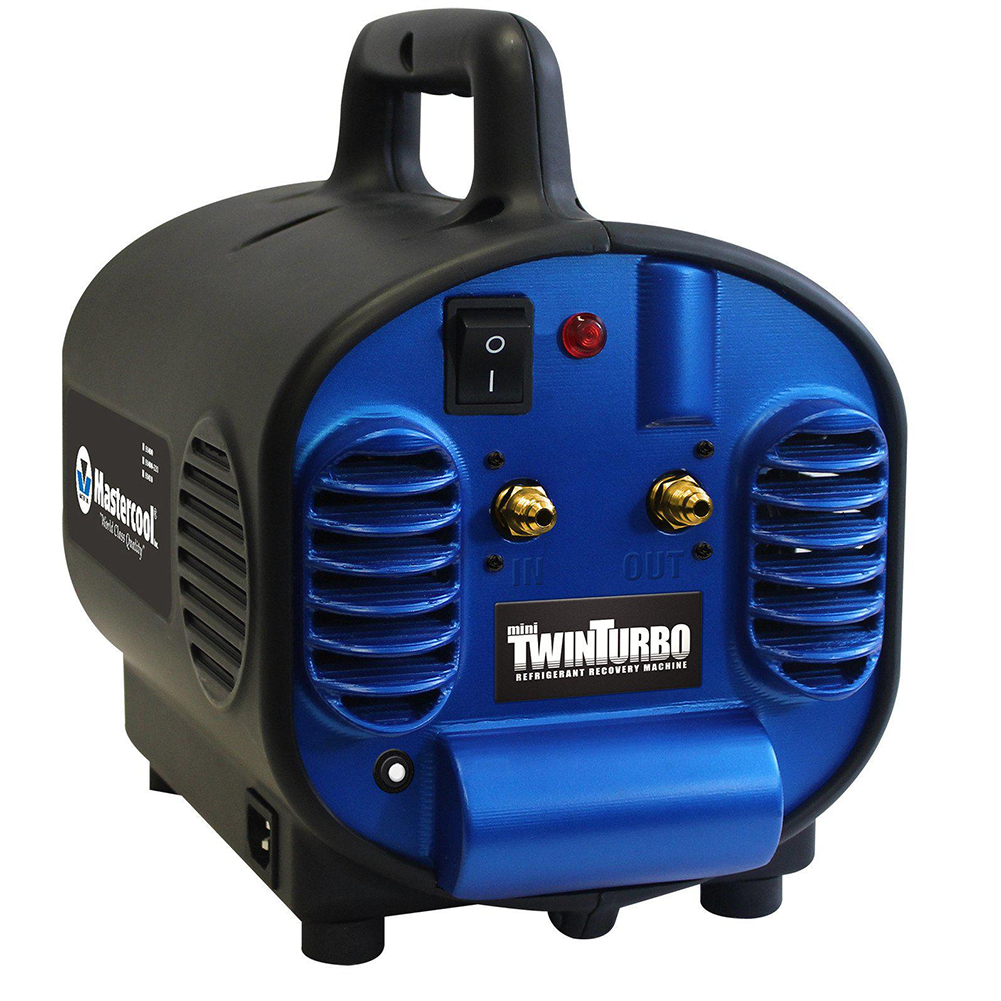
Aircon Recovery Machine Maintenance
Heating and cooling systems are typically the most expensive equipment at home. They require routine maintenance to be effective and long-lasting. Refrigerant recovery devices, for example, are some of the more expensive pieces of equipment that technicians use regularly. Contractors use refrigerant recovery equipment the same way that homeowners use HVAC systems. They, like HVAC systems, require routine maintenance to ensure years of efficient and trouble-free operation.
This post will discover how to care for your refrigerant recovery by utilizing an air conditioning recovery machine. When the unit is not in use, you will learn how to properly store and handle all hoses related to it to extend the life of this crucial piece of equipment.
Recovery Tank/Cylinder Storage
You should remove all hoses from the recovery cylinder. Keep caps on top of all valves to prevent dust from gathering over time.
You should not overtighten your recovery tank's valve handles. If you overtighten these handles all of the time, they will eventually wear out and shatter. When storing your tank, they only need one or two tight rotations.
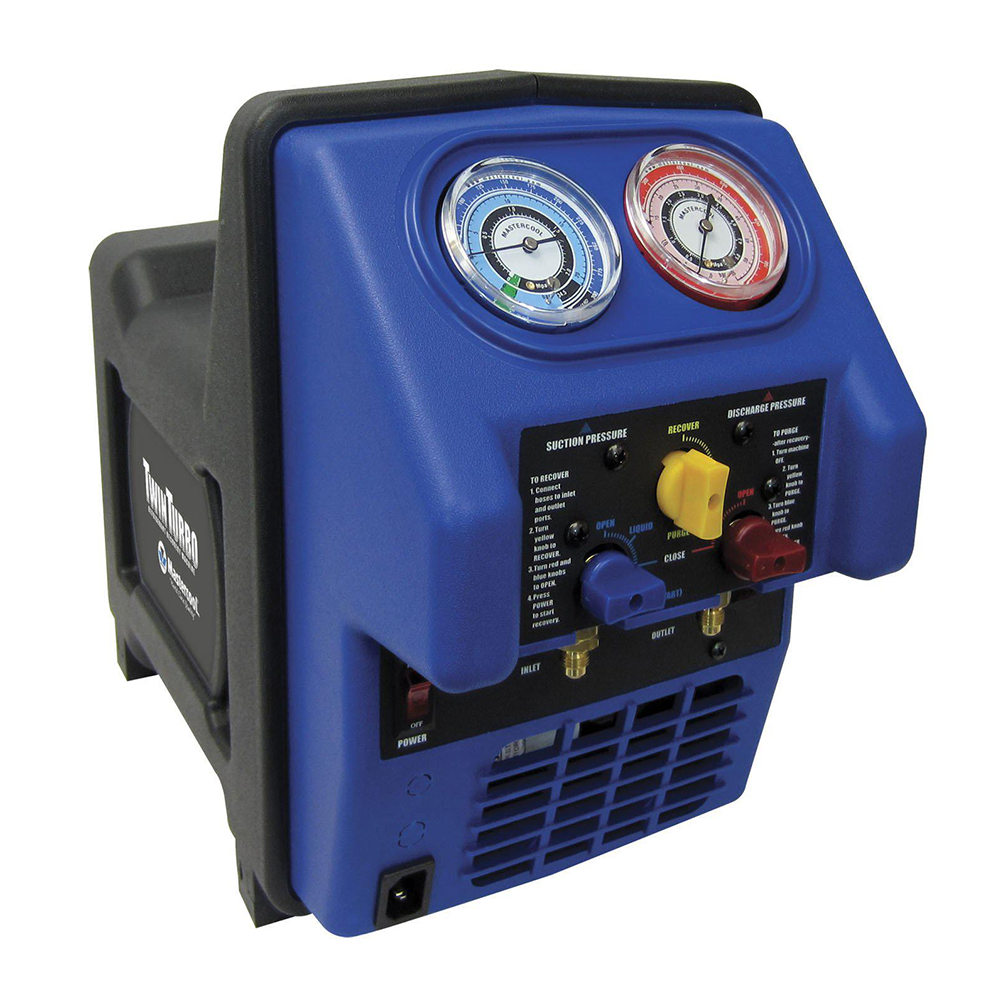
Storage of the Recovery/Reclamation Machine and Filter-Dryer
The filter-dryer component of this system should be the focus of your attention. It's because leaving it exposed to open air for more than 24 hours can impede its ability to "dry" inputs to your Recovery/Reclamation machine. You can assure correct storing of the Recovery/Reclamation machine in a few simple actions, which will result in longer machine life. Follow these simple procedures to protect your filter-dryer when keeping your Recovery/Reclamation system.
- Close both the input and output pipes on your Recovery/Reclamation machine to begin.
- Attach the input hose to the filter/dryer and disconnect it. After disconnecting the line, your filter/dryer still should be attached to the machine, but its input should be open.
- Disconnect the Output line from the Recovery Tank and connect it to the open filter-dryer valve to complete the recovery/reclamation machine loop.
- It would help if you only opened its exit valve on the Recovery/Reclamation machine to allow pressure to depart the device and into the looped line.
- Loosen the Input gasket at the filter-exit dryer carefully to bleed it. When the bleed has passed, tighten this valve again. It will evacuate all air from the filter dryer, which is vital since it will assist the filter dryer in maintaining its integrity while being stored.
Aircon Recovery Machine from HVAC Shop
Find the best aircon recovery machine from HVAC Shop in Australia. Find brands like Robinair, MasterCool, Yellow Jacket, and more! You can find the best, trusted brands for HVAC products worldwide.