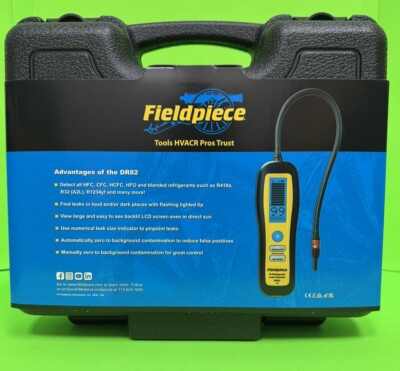
Need compliant leak-finding gear before the next call-out? Browse the full refrigerant leak detector range for R32-ready detectors, UV dye tools and bubble solutions suited to real Australian HVAC work.
Safety and Compliance Are Not Optional
When you work with refrigerants in Australia, safety and compliance are not side issues. They sit right in the middle of the job. A refrigerant leak is not just a nuisance that drops performance and annoys the customer. It can create environmental risk, workplace safety problems, and legal exposure for the technician and the business. That is why refrigerant leak detector ARCtick Australia searches keep coming up. Techs want to know what the rules mean in plain English and how leak detection fits into real jobsite practice.
The tricky part is that Australian compliance is not just one rule from one place. It is a mix of licensing obligations, workplace safety duties, environmental responsibilities, site controls and record-keeping. Add in R32, broader A2L adoption, commercial roof work, plant-room access and customer paperwork, and it is easy to see why some techs want a straight answer instead of a legal lecture.
This guide is built to do exactly that. It explains the regulatory framework, how ARCtick and Safe Work Australia thinking connect to leak detection, what changes when you are dealing with R32, how log books and service records fit in, what PPE and site controls matter, and what a defensible leak report looks like. It stays practical because that is what matters on live jobs in Darwin, Brisbane QLD, Perth, Sydney and Melbourne.
Compliance is not only about avoiding penalties. It protects your licence, your team, your reputation and the customer’s site. A sloppy leak process can turn into repeat losses, unsafe work, dodgy records and fair dinkum headaches later. No worries, though. Once the process is organised, it is manageable. The aim is not red tape for the sake of it. The aim is a professional, repeatable method that is built for Aussie conditions.

A leak detection job can become a compliance issue before you even touch the gauges. Access, ventilation, refrigerant class, site induction, permits and emergency planning all shape what safe work looks like on that call.
Australian Regulatory Framework Overview
The Australian compliance picture starts with licensing and refrigerant handling duties. If you are carrying out work in relation to refrigeration and air-conditioning equipment where refrigerant could be emitted, ARCtick licensing requirements matter straight away. In practical terms, once a leak call moves into refrigerant handling, component replacement, recovery, evacuation or recharge, the job is not just diagnostic. It sits inside licensed refrigerant work.
That matters because leak detection is often only the first step. Once a leak is found, you may need to recover charge, open the system, replace a core or joint, pressure test, evacuate and recommission. If the technician is not properly licensed for the work being done, the risk is not only technical. It is regulatory as well.
Then there is the environmental side. Refrigerant losses are not treated as harmless. A leaking system that is left unresolved, poorly recorded or repeatedly topped up without a proper repair is not just bad service. It cuts against the expectation that refrigerant emissions should be minimised and controlled. That is why system condition, leak repair quality and clear records matter so much.
Workplace safety sits alongside that. Safe Work Australia provides the model WHS framework and guidance, while actual state and territory regulators apply local law and site practice. That means details can vary across sites, especially in government, industrial, commercial and high-rise environments, but the core duty is steady. The work has to be safe for the technician and everyone around them.
AS/NZS standards also sit in the background of good practice. You do not need to quote them line by line to the customer over the bonnet of the ute, but you do need to recognise that system design, refrigerant classification, access conditions, testing methods and repair practices are all shaped by standards-based thinking. In plain terms, compliant leak detection sits inside the wider standards and WHS world, not outside it.
The easiest mindset is this: ARCtick governs refrigerant handling and licensing expectations, Safe Work thinking governs site safety and hazards, and standards help shape proper system practice. Put those together and you get a clear picture of what compliant leak detection looks like in Australia.
What ARCtick Means on a Real Leak Call
For working techs, the most useful way to think about ARCtick is not as a logo on paperwork but as a practical line between casual tinkering and accountable refrigerant work. If the job involves doing anything with refrigerant or a part of the system that risks refrigerant being emitted, the licence question matters. That can include diagnosis that leads to recovery, service valve work, replacing flare joints, opening a coil circuit, changing a Schrader core or recommissioning after repair.
That is why topping up a leaking system without dealing with the fault is such a weak habit. It creates poor performance, poor customer outcomes and a paper trail that can look ugly later. Good practice means identifying the leak, documenting it, repairing it properly, verifying the repair and recording what happened clearly enough that someone else can follow the story later.
This is also where customer communication matters. If a system is leaking and the customer pushes for a quick gas top-up only, the technician still needs to explain the risk. A top-up may temporarily restore cooling, but it does not remove the leak, the environmental loss, the future safety concern or the chance of another callback. The compliant answer is not always the easy answer, but it is the answer that protects everyone in the longer run.
For teams reviewing or upgrading the tools they use on these jobs, it helps to keep the detector choice practical and job-ready rather than generic. The leak detector collection is useful here because it groups the main workflows technicians rely on, from electronic detectors through to visual confirmation products and accessories.
The licensing question does not start when the refrigerant cylinder comes out. It starts when the work you do creates a risk that refrigerant may be emitted from the RAC equipment.

R32 Flammable Refrigerant: Special Requirements
R32 has changed everyday leak detection in Australia. It is now common enough in residential and light commercial work that this is no longer niche knowledge. If you are working on newer split systems in Brisbane QLD, Sydney, Perth or Melbourne, chances are good you are already dealing with R32 regularly. R32 is an A2L refrigerant, which means it is mildly flammable. That changes the safety conversation straight away.
Once flammability enters the picture, detector suitability matters more. You should not assume every detector sold for general HVAC use is suitable around A2L refrigerants or in every type of risk environment. The smart move is to confirm the intended use, refrigerant compatibility and any safety guidance attached to the model you plan to use. This is not feature-box fluff. It is a real safety question.
Ventilation is just as important. On R32 jobs in small rooms, ceiling spaces, cupboards, risers or tight plant areas, you need to think about where gas could accumulate, how the room is moving air, and whether ignition sources are nearby. Open access panels, ventilate the area, assess the space honestly and avoid casual shortcuts. A small domestic system does not automatically mean small risk. In a tight space, it can be the opposite.
Ignition source awareness is part of the same routine. Power tools, hot work, switching operations, electrical faults and other site activities matter more once flammable refrigerant is involved. That is why leak detection should never be treated as a single-tool exercise. The detector helps you find the problem, but the site assessment is what keeps the work safe.
That is also why businesses that once worked mostly with R410A are reviewing gear and procedures now. If the work mix has shifted to R32, the setup should shift as well. A collection of R32-ready leak detectors makes more sense than relying on yesterday’s habits when today’s refrigerant class is different.
R410A still shows up all the time, and older R22 systems are still out there as legacy equipment, so the field reality is mixed. That makes consistent process even more important. Your method needs to stay clear across R32, R410A and R22 work, while recognising that the flammability conversation changes most sharply with R32 and other A2L refrigerants.
R32 changes the job because flammability changes the risk profile. Detector suitability, ventilation, ignition source control and site assessment all matter more than they did on older non-flammable residential routines.
Leak Rate Thresholds and Log Book Obligations
Leak thresholds and log books are where a lot of techs get vague, but vague is not a great plan when a facility manager, insurer, customer or auditor wants details later. Even where thresholds vary by system type, refrigerant type or contract requirements, the core principle stays the same. If a system is leaking, you need a clean record of what was found, what was done and what still needs action.
That is why leak detection log book requirements Australia searches are so common. People want to know when a quick note is enough and when a more formal site record matters. The honest answer depends on the job, but good practice is simple: record enough detail that another competent person can understand the leak event and the response later without relying on your memory.
Charge size matters because larger systems create bigger environmental, financial and operational consequences when they leak. Refrigerant type matters because flammable refrigerants bring extra safety considerations. Site type matters because shopping centres, hospitals, industrial sites and managed facilities often have contract-based reporting expectations on top of the normal service record.
The easiest way to avoid trouble is to treat confirmed leaks seriously every time. Record the refrigerant, the location, the method used to confirm the leak, the repair action, the estimated or measured charge loss where relevant, and the verification method used after repair. That kind of record keeps the story organised and cuts down arguments later.
| System type | Typical refrigerant example | Record focus | Follow-up mindset | Main risk if ignored |
|---|---|---|---|---|
| Residential split or ducted system | R32 or R410A | Confirm location, note refrigerant, record repair and final check | Follow up if leak source was difficult to confirm or repair conditions were limited | Repeat callback, poor customer trust, avoidable refrigerant loss |
| Older existing plant | R22 legacy systems | Document carefully due to age, condition and ongoing replacement decisions | Review whether repeated repairs still make commercial sense | Higher compliance concern, repeat leakage, messy replacement discussions |
| Light commercial equipment | R410A, R32 or mixed installed base | Record leak event, affected area, downtime impact and verification result | Coordinate with site manager and service schedule | Business disruption, documentation gaps, contract disputes |
| Large commercial or managed site | High-charge systems | Detailed record of event, repair, refrigerant handling and customer reporting | Formal review through maintenance contract and risk controls | Audit exposure, insurance issues, major environmental loss |
The penalty angle gets attention, but it should not be the only reason to care. The more practical reason is that poor records make every later step harder. You cannot show what was found, what was repaired, how much refrigerant was involved or whether the system has a pattern of repeat loss. That becomes a problem in warranty discussions, customer disputes, internal reviews and insurance matters.
Once the leak is repaired, visible confirmation still matters. A product like Viper Big Blu bubble solution helps support a cleaner repair record because it gives you an exact visual confirmation at the fitting, valve or joint rather than a vague statement that the detector stopped beeping.

Personal Protective Equipment Requirements
PPE is one of those areas where everybody agrees in theory, but site reality can still get sloppy. When you are dealing with refrigerant leaks, the right PPE is not just box-ticking. It is about protecting eyes, skin, lungs and general safety while working around pressure, chemical exposure, confined areas, rooftop access and, in some cases, flammable refrigerants.
Eye protection is the obvious starting point. If refrigerant escapes suddenly, oil and debris can come with it. Gloves matter just as much, especially when handling damaged parts, contaminated surfaces, oily connections or materials used during diagnosis and repair. Respiratory thinking becomes more important where a leak is larger, the space is poorly ventilated or the job includes other contaminants around the plant area.
Commercial and institutional sites usually add their own PPE baseline on top of the refrigerant risk. Hi-vis gear, hard hats, gloves, hearing protection and height equipment may all be required before you even start the refrigerant side of the task. If the site says that is the rule, treat that as the floor, not the suggestion.
AS/NZS PPE references help frame what suitable protective gear looks like, but on the ground the practical question is simple: is the gear appropriate, serviceable and matched to the risk in front of you? That is the test that matters. A small-looking leak in a poor location can be more dangerous than a larger leak in a well-ventilated area, so underdressing the risk is never a smart move.
For teams reviewing setup and van stock, it makes sense to keep HVAC safety equipment in the same conversation as detectors and test gear. The detector helps you find the fault. It does not make the job safe on its own.
 👉
👉 Site Safety on Commercial, Rooftop and High-Rise Work
Commercial and high-rise leak detection work adds another layer of duty because the refrigerant side of the job is only one part of the risk picture. Rooftops, plant rooms, permit systems, edge exposure, restricted access, service corridors and emergency response procedures all change how the work should be approached.
Rooftops are a classic example. They look open, but real rooftop plant areas often include heat load, noise, uneven footing, electrical hazards, poor access paths and edge risks. Add weather, time pressure and a customer who wants cooling back on immediately, and it becomes easy to see how casual habits creep in. Good contractors slow that down by following access controls and reading the site properly before they start.
Permit-to-work systems matter on many larger sites. Access permits, roof-entry rules, isolation procedures, hot work approvals and interaction with other trades can all sit around what looks, at first glance, like a simple leak check. But if anything goes wrong, that paperwork suddenly matters a lot. That is why skipping it is never clever, even if it feels slow in the moment.
Height safety matters just as much. A leak call can lead straight into working near edges, anchor points or roof access hazards, especially on larger sites in Sydney, Perth or Melbourne where rooftop plant is common. If that is your normal work mix, proper height gear belongs in the workflow. A practical option like the Ferno roof safety range is the kind of gear category that makes sense when fall-risk control is part of the day-to-day environment.
Hot work is another flashpoint. Leak detection may begin as a diagnostic job but finish with repair. If the refrigerant is flammable or the surrounding area has flammable hazards, brazing and related work need formal thought. This is not just a refrigeration question. It is a site safety and ignition-risk question.
Emergency planning matters too. Who is on site? Who can isolate power? What is the evacuation path? Where is first aid? Who signs off the area? None of that is overkill on major sites. It is ordinary planning, and it is one of the clearest markers between a compliant contractor and a sloppy one.
On commercial sites, treat permits, roof access rules and isolation planning as part of leak detection, not as admin wrapped around it. That mindset stops the job from turning messy later.
Record-Keeping and Audit Preparation
Good record-keeping is what turns a competent job into a defensible job. If you ever face an ARCtick query, customer dispute, insurance claim or internal audit, the record tells the story of what happened. If the record is weak, the rest of the work becomes harder to prove. That is why organised notes matter even on jobs that felt simple at the time.
At a minimum, a strong service record should note the system, refrigerant type, leak location or suspected area, the test method used, what repair was carried out, and what verification happened after the repair. If the leak was identified but not repaired on the day, that should be just as clear. Vague notes do not help anyone six months later.
Digital or paper is less important than consistency. Digital systems are easy to search and back up. Paper can still work if it is legible, complete and actually maintained. The real problem is not format. It is missing detail. Another technician, manager or reviewer should be able to understand the job without your memory filling in the blanks.
Customer-facing reports also matter. They should explain what was found, what was tested, what was repaired and what the next recommendation is. That helps the customer understand the value of the work and reduces confusion about what was or was not included in the visit.
For the broader service process, related test and measurement tools help keep leak diagnosis, pressure checks, evacuation work and final verification better organised. That matters because compliant leak work does not end the moment the detector goes quiet.
On slow or hard-to-repeat leaks, visual tracing tools also help make the record clearer. A product like Errecom Brilliant UV dye is useful when an intermittent fault needs stronger evidence in the service notes and in customer reporting.
 👉
👉 How Compliance Changes Across R32, R410A and R22 Work
Compliance habits do not disappear just because the refrigerant label changes, but the job context often does. R32 brings a stronger focus on ventilation, ignition control and risk assessment because it is A2L. R410A remains common on split and ducted systems, so it still dominates a lot of everyday service work. Older R22 systems bring different concerns again because age, condition, previous repairs and system lifecycle often make the job messier and the record more important.
The practical lesson is that your process has to work across all three. You cannot have one standard for tidy residential R410A work and a loose, improvised approach on legacy R22 equipment. Nor can you treat R32 like yesterday’s non-flammable residential routine and expect the risk picture to stay the same. Consistency is what keeps your work credible.
This is also where the trade voice matters. Customers may not know the fine detail of refrigerant classification, but they do understand a clear explanation. If you tell them, in plain English, that R32 needs a bit more care because of flammability, or that an older R22 system needs stronger documentation because of age and ongoing leakage risk, the job becomes easier to defend and easier to approve.
Building a Compliant Leak Detection Workflow
The easiest way to stay organised is to treat compliance as a workflow rather than a pile of separate rules. Start with site assessment. Confirm access, ventilation, refrigerant type, hazards and site controls. Then confirm the detector method and any backup confirmation method you plan to use. Carry out the leak search in a controlled way. Record what you find. Repair what needs repair. Verify the repair. Finish with a service note that actually tells the story.
That kind of workflow holds up across Darwin heat, Brisbane humidity, Perth rooftops, Sydney coastal service work and Melbourne winter plant-room jobs because it is based on process rather than habit. It is not fancy. It is just organised. And organised work is usually the safest work.
It also helps the whole business run better. Apprentices get a clearer model to follow. Senior techs spend less time cleaning up poor notes. Managers get better visibility. Customers get better explanations. Insurance and audit risk drops. Fair dinkum, that is a better outcome for everyone than hoping the paperwork side somehow sorts itself out later.
Stay Compliant, Stay Safe, Stay Professional
Leak detection in Australia is not just about finding refrigerant. It is about finding it safely, documenting it properly and working inside the rules that protect the technician, the customer and the environment. That is the real meaning behind refrigerant leak legal requirements Australia searches. People are not only asking what detector to buy. They are asking how to do the work properly and stay out of trouble.
The practical answer stays consistent. Use the right licensed people. Match the detector and method to the refrigerant. Treat R32 and other flammable refrigerants with the extra respect they deserve. Use the right PPE. Follow site controls. Keep clear records. Do not skip the paperwork just because the repair felt straightforward or because the customer wants you out of there before arvo.
If you build that habit into the business, compliance becomes much less stressful. It stops feeling like random red tape and starts feeling like part of a professional workflow. That is also how you protect your team and your reputation over time.
When you are ready to tighten up both the safety side and the equipment side together, browse the full HVAC leak detector collection and choose gear that suits real Australian service work.
Want a setup that supports safer, cleaner leak work? Shop compliant leak detection tools for R32-ready workflows, visual confirmation and everyday HVAC/R diagnostics.