
Reviewed by: the HVAC Shop Technical Team
Published: February 2022
Last reviewed: April 2026
Introduction: Why Auto AC Filter Driers Matter More Than You Think
If you’ve worked on automotive air conditioning systems long enough, you already know this — most major failures don’t start big. They start small. A bit of moisture. A bit of debris. A bit of contamination that slowly builds until something expensive gives way.
👉 Protect your system with automotive AC filter driers built for moisture and contamination protection.
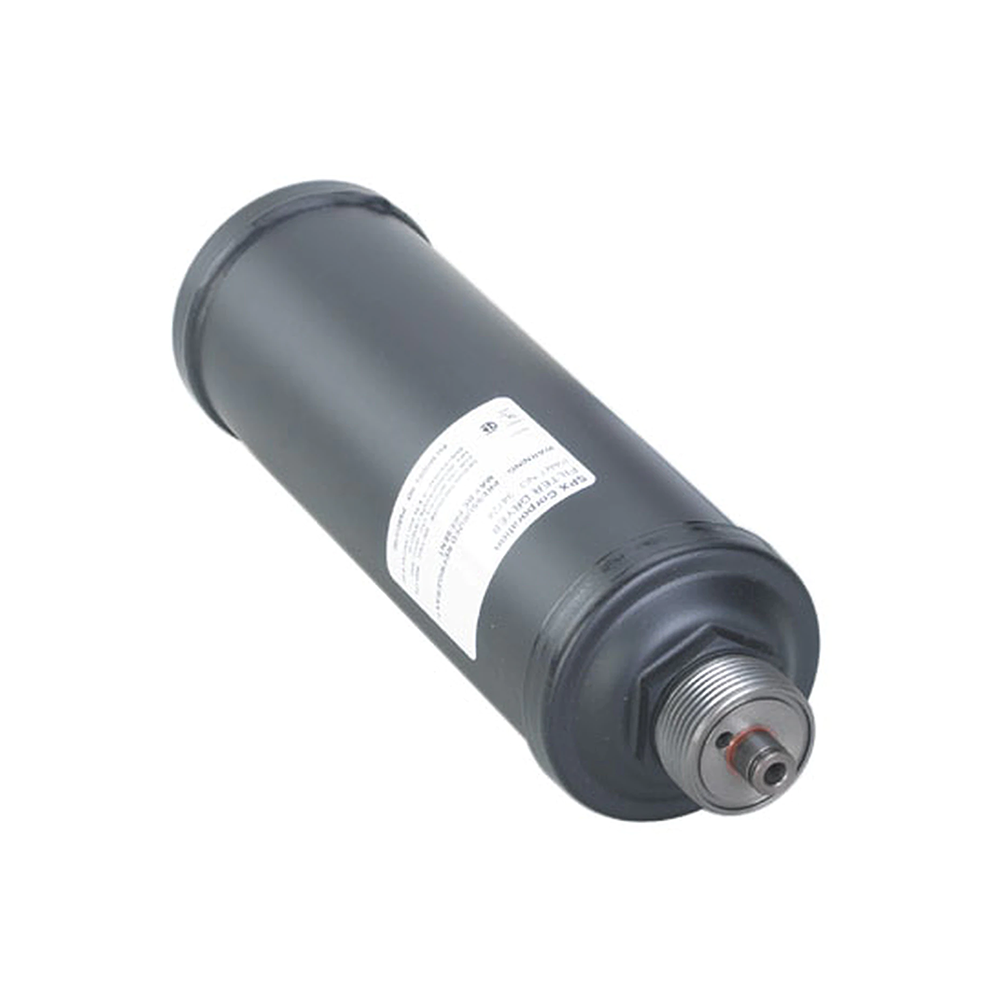
Filter driers are often overlooked because they don’t move, make noise, or draw attention. But in reality, they are one of the most critical protection components in any automotive AC system. Without them, contamination spreads unchecked, leading to progressive system damage.
Moisture inside an AC system can freeze at the expansion valve and also chemically react with oil to create acids that destroy compressors internally.
What Are Auto AC Filter Driers?
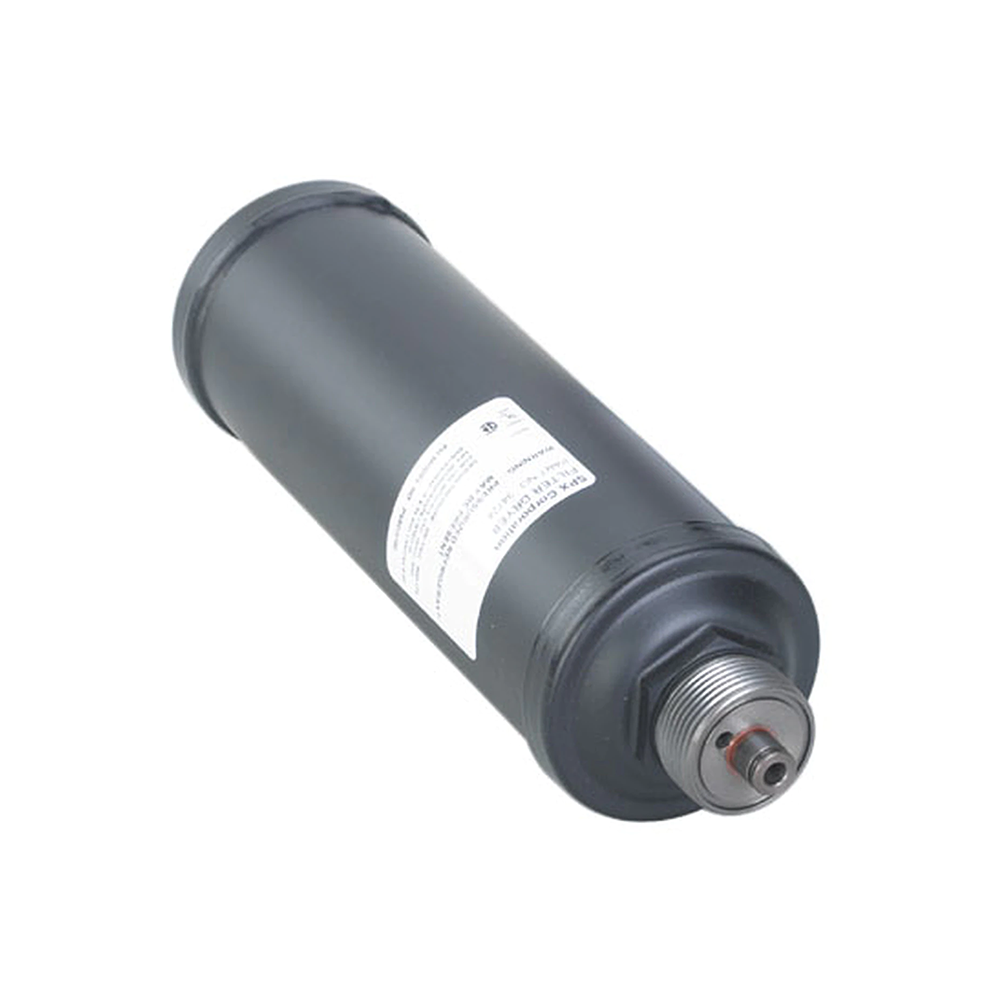
A filter drier is designed to perform two jobs at once. First, it removes moisture using a desiccant material. Second, it filters contaminants such as metal particles, carbon deposits, and debris from circulating through the system.
In modern automotive systems, tolerances are tight and refrigerants operate under high pressure. Even small contamination can disrupt system balance. Using automotive AC filter driers suited for workshop and mobile servicing ensures consistent protection.
Why Moisture Is the Biggest Enemy
Moisture is the most destructive contaminant in refrigeration systems. When moisture mixes with refrigerant oil, it forms acids. These acids attack internal surfaces, damaging compressors, valves, and seals over time.
Under vacuum conditions, moisture boils off at low temperatures. If evacuation is not performed correctly, moisture remains trapped in the system, continuing the damage cycle long after servicing is complete.
This is why filter driers and proper evacuation go hand in hand. One removes residual moisture, the other prevents new contamination from circulating.
Always replace the filter drier immediately after opening the system. Leaving it exposed allows moisture absorption before installation.
When Should You Replace a Filter Drier?
Filter driers should be replaced whenever the system is opened. This includes compressor replacement, major leak repairs, or component upgrades. Even brief exposure introduces moisture that compromises performance.
In professional workshops, replacement is standard practice. Skipping this step increases the risk of contamination spreading through the system.
👉 Browse auto AC filter driers for professional HVAC servicing to maintain system integrity.
Signs Your Filter Drier Is Failing
Early warning signs include reduced cooling efficiency, inconsistent pressure readings, and increased compressor load. Ice formation near expansion devices is another common symptom caused by moisture freezing.
Ignoring these signs allows contamination to spread, eventually leading to full system failure.
Comparison Table: Filter Drier Types
| Type | Best Use | Moisture Capacity | Strength | Limitation | Application |
|---|---|---|---|---|---|
| Spin-On | Workshop servicing | High | Quick replacement | Requires compatibility | Common recovery machines |
| Inline | Custom systems | Moderate | Flexible install | Higher labour | Retrofit setups |
| Receiver Drier | OEM systems | High | Integrated design | System-specific | Factory vehicles |
Australian Conditions and Their Impact
Australia’s climate puts additional stress on automotive AC systems. In Brisbane, humidity increases moisture load. In Perth, extreme heat accelerates component wear. Sydney’s coastal air introduces corrosion risk. Melbourne’s seasonal swings create condensation cycles that repeatedly introduce moisture into systems.
Regular servicing and cleaning play a key role in reducing contamination risk, especially in these environments. If you’re unsure how often maintenance should be done, this guide on how often to clean air conditioning systems in Australian climate conditions breaks it down based on real Aussie conditions.
These environmental factors make filter driers essential for long-term system reliability.
Moisture trapped in a system continues to circulate and react even after servicing, making proper filtration critical for long-term performance.
Installation Best Practices
Install the filter drier immediately after opening the system. Ensure correct flow direction and secure fittings. After installation, perform a deep vacuum to remove residual moisture.
This combined process prevents contamination and protects system components.
Cost vs Risk: Why Skipping Replacement Is Expensive
A filter drier costs a fraction of major components. Skipping replacement may save money short term, but increases the risk of compressor failure, which can cost thousands.
Replacing the drier is one of the most cost-effective preventative measures available.
Real Tradie Scenarios
In mobile servicing, replacing the filter drier ensures reliability between jobs. In workshops, it protects recovery machines and reduces repeat repairs. In fleet servicing, it prevents downtime across multiple vehicles.
On remote Australian jobs, where replacement parts are not readily available, prevention becomes even more critical.
Key Takeaways
Filter driers are essential for moisture removal and contamination control. Proper replacement, installation, and system evacuation ensure long-term reliability and performance.
👉 Explore auto AC filter driers for long-term system protection and protect your HVAC system.
Final Thoughts
Filter driers may be small, but their impact is massive. In harsh Australian conditions, they play a critical role in maintaining system health and preventing costly failures.
FAQs
Q: Can I reuse a filter drier?
No, it must be replaced once exposed to air.
Q: Why is moisture dangerous?
It forms acids and causes internal damage.
Q: How often should I replace it?
Every time the system is opened or every 2 years.
Q: Is replacement expensive?
No, but skipping it can lead to costly repairs.