
A refrigerant leak detector is an electronic instrument used to locate refrigerant, combustible gas, or tracer gas escaping from HVAC/R systems, automotive air conditioning, and industrial refrigeration equipment.…
Read the buying guide- Genuine brands
- Local stock, fast dispatch
- Price match
- Real support
Buying guide
Refrigerant Leak Detectors | R32, A2L & HVAC Leak Tools
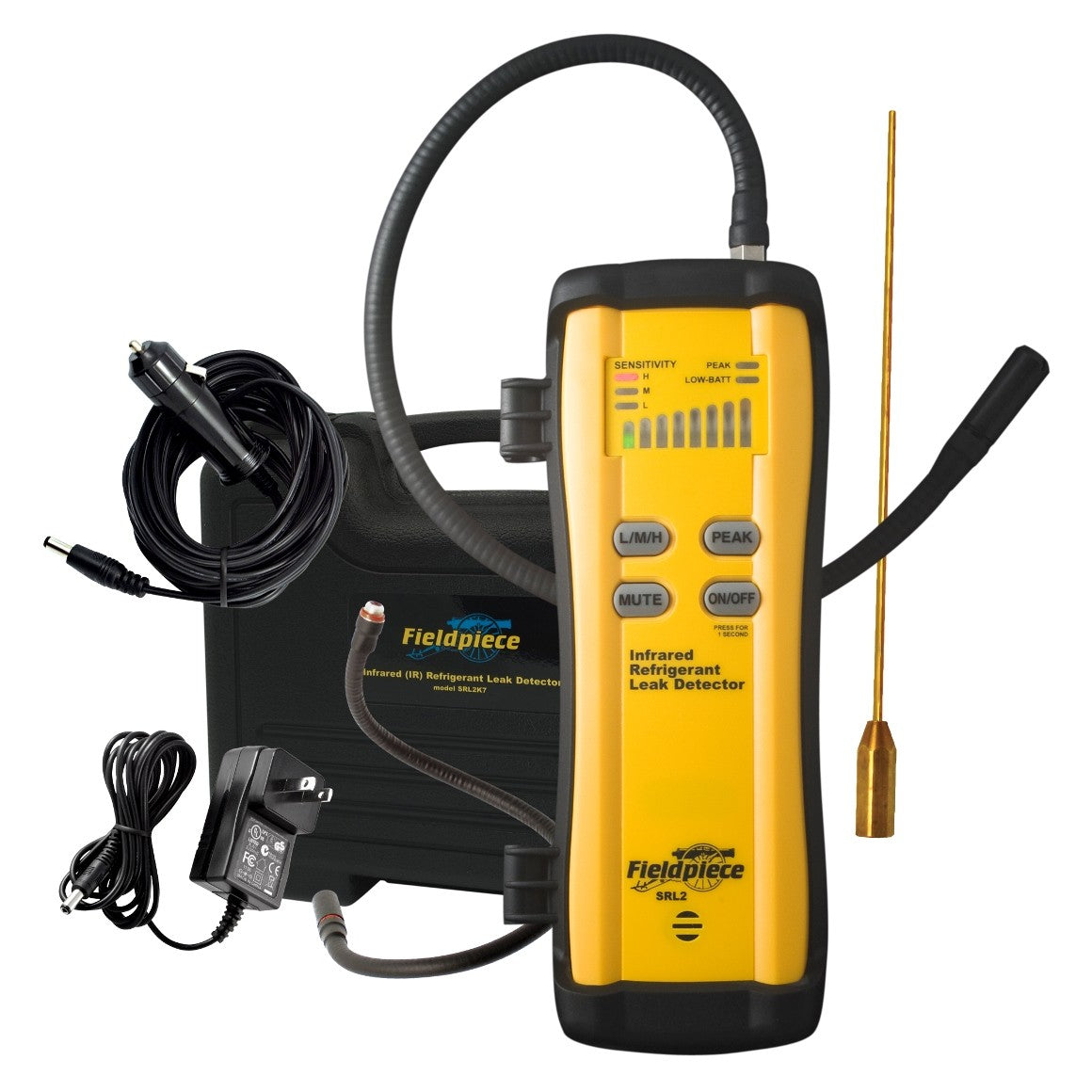
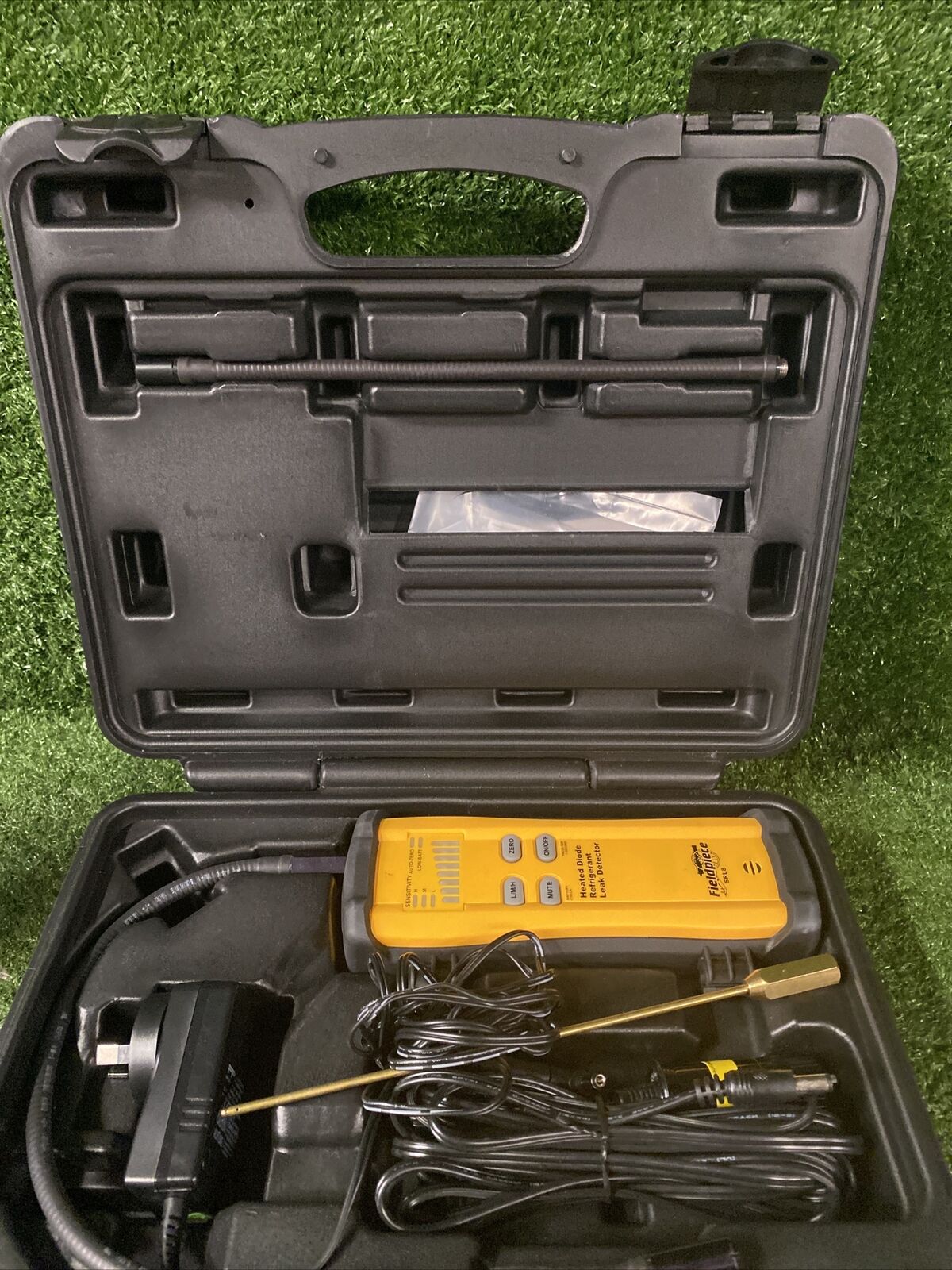
A refrigerant leak detector is an electronic instrument used to locate refrigerant, combustible gas, or tracer gas escaping from HVAC/R systems, automotive air conditioning, and industrial refrigeration equipment. For licensed HVAC/R technicians in Australia, a quality leak detector is required equipment — refrigerant leaks waste charge, reduce system efficiency, breach ARC compliance obligations, and with A2L refrigerants like R32, create a genuine flammability risk. HVACShop stocks heated-diode, infrared (NDIR), and ultrasonic leak detectors from Inficon, Fieldpiece, Robinair, Mastercool, Imperial, JAVAC, and Testo — covering residential splits, commercial refrigeration, automotive A/C, and hydrogen tracer gas applications.
Why Leak Detection Matters for HVAC/R Work
Even a slow refrigerant leak — one that takes months to bring a system noticeably below charge — causes ongoing damage. Reduced refrigerant mass lowers system efficiency, raises compressor discharge temperature, and increases run time and energy consumption. Left long enough, the compressor runs hot and starved, leading to burnout. For customers, this means higher energy bills, shorter equipment life, and eventually a costly repair that proper leak detection and repair would have prevented.
Under Australian ARC regulations, licensed technicians have obligations around refrigerant handling and leak management. Systems above certain charge thresholds require documented leak checks at specified intervals. Beyond compliance, A2L refrigerants like R32 — now the dominant refrigerant in new residential split systems — require particular care: a significant leak in an enclosed space can reach flammable concentrations. An A2L-rated leak detector is not optional on R32 work; it is a safety requirement.
How to Choose the Right Leak Detector
| Type | How It Works | Sensor Life | Best For | Typical Products |
|---|---|---|---|---|
| Heated diode | Sensor reacts to halogen gases; triggers alarm on detection | ~100 hours | General HVAC/R — CFC, HCFC, HFC, HFO refrigerants | Inficon D-Tek Stratus, Robinair ZX-1A, TIF XP-1A |
| Infrared (NDIR) | Optical sensor measures infrared absorption; no consumable sensor element | 5+ years (no sensor replacement) | High-use environments, contaminated areas, fewer false alarms | Fieldpiece SRL2K7, JAVAC Pro-Sense JILD200, Inficon Tek-Mate |
| Ultrasonic | Detects high-frequency sound of gas escaping under pressure | Long — no reactive sensor | Pressurised systems; works with any gas including nitrogen | Mastercool Raptor UV |
| Hydrogen / tracer gas | Detects 5% hydrogen in nitrogen tracer gas mix; highly sensitive | Long — solid-state sensor | Pressurised systems, underground pipes, automotive, confined spaces | Imperial LD-920 (Nitrogen/Hydrogen tracer gas) |
Leak Detector Comparison — Key Models
| Model | Type | Sensitivity | A2L / R32 Safe | Best For |
|---|---|---|---|---|
| Fieldpiece SRL2K7 | Infrared (NDIR) | 6 g/year | Yes | R32, R410A, R134a, HFOs — high-use trade work |
| Inficon Tek-Mate | Heated diode | 6 g/year | Yes [CONFIRM] | General HVAC/R, all common refrigerants |
| Inficon D-Tek Stratus | Heated diode | 5 g/year | Yes [CONFIRM] | Professional HVAC/R, demanding environments |
| JAVAC Pro-Sense JILD200 | Infrared (NDIR) | [CONFIRM] g/year | Yes [CONFIRM] | Long sensor life, high-use trade environments |
| Robinair ZX-1A | Heated pentode | 6 g/year | Yes [CONFIRM] | Automotive A/C and HVAC/R service |
| TIF XP-1A | Heated diode | [CONFIRM] g/year | [CONFIRM] | Value-tier, general HVAC/R service |
| Mastercool Raptor UV | Ultrasonic + UV | Sound-based | Yes — any gas | Nitrogen pressure testing, any refrigerant |
| Imperial LD-920 | Hydrogen / tracer gas | High sensitivity | Yes — non-flammable tracer mix | Hydrogen/nitrogen tracer gas, pressurised systems |
| Testo 316-4 | Electrochemical | [CONFIRM] | N/A — ammonia specific | Ammonia (R717) refrigeration systems |
ⓘ [CONFIRM] fields require verification against product listings before publishing.
How to Use a Refrigerant Leak Detector Effectively
Technique matters as much as the detector you use. A poor technique with a quality detector gives unreliable results; good technique with a mid-range detector finds most leaks reliably.
|
🔍 Move slowly Move the probe at 25–50mm per second, close to the surface without touching. Moving too fast sweeps past small leaks before the sensor responds. |
⬇ Start low Refrigerant vapour is heavier than air and settles. Start at the lowest point of the system and work upward — especially on floor-mounted units and outdoor condensers. |
🔄 Reset between alarms When the alarm triggers, pull the probe back into fresh air and let the sensor reset before re-approaching. This prevents the sensor from saturating and gives a cleaner pinpoint reading. |
✅ Confirm after repair Always leak-check after the repair before recharging. Pressure test with nitrogen for large leaks first, then use the electronic detector for pinpointing. |
Frequently Asked Questions
What is the best refrigerant leak detector for R32 systems?
For R32 and other A2L refrigerants, the detector must be specifically rated for A2L use — not just refrigerant-compatible in general. The Fieldpiece SRL2K7 (infrared) is one of the most widely used A2L-rated detectors in Australian trade work, with a 6 g/year sensitivity and a long-life sensor that doesn't require frequent replacement. The Inficon D-Tek Stratus and Inficon Tek-Mate are also strong choices for A2L work. Always verify A2L rating on the product datasheet before using any detector on an R32 system.
What is the difference between a heated diode and an infrared leak detector?
A heated diode detector uses a sensor element that reacts chemically to halogen gases — it is highly sensitive and responds quickly, but the sensor element wears out (typically around 100 operating hours) and needs periodic replacement. An infrared (NDIR) detector uses an optical sensor that measures how the gas absorbs infrared light — it has no consumable sensor element, produces fewer false alarms in contaminated environments, and typically lasts years without sensor replacement. Infrared detectors cost more upfront but have a lower total cost of ownership for high-use trade applications. For occasional use, a quality heated diode detector is a practical and cost-effective choice.
Can I use a hydrogen leak detector for refrigerant leaks?
No — hydrogen leak detectors are designed to detect a 5% hydrogen in nitrogen tracer gas mix, not refrigerants. They are used for pressurised system leak testing where the system is filled with tracer gas rather than refrigerant — common in automotive, underground pipework, and large commercial refrigeration applications. For refrigerant leak detection, you need a detector specifically designed for the refrigerant type in the system (HFC, HFO, A2L, or ammonia). The Imperial LD-920 is a dedicated hydrogen/tracer gas detector; it will not reliably detect refrigerant leaks.
How sensitive does a leak detector need to be for HVAC compliance work?
For most HVAC/R compliance work in Australia, a sensitivity of 5 g/year is the accepted standard — this is the level specified in many industry guidelines and is sensitive enough to detect slow leaks that would otherwise go undetected until the system loses measurable charge. Most professional-grade detectors from Inficon, Fieldpiece, and JAVAC meet or exceed this threshold. For food retail, pharmaceutical cold chain, or other critical refrigeration environments where even very small leaks are unacceptable, detectors with 3 g/year or better sensitivity are available.
Do I need to replace the sensor on my leak detector?
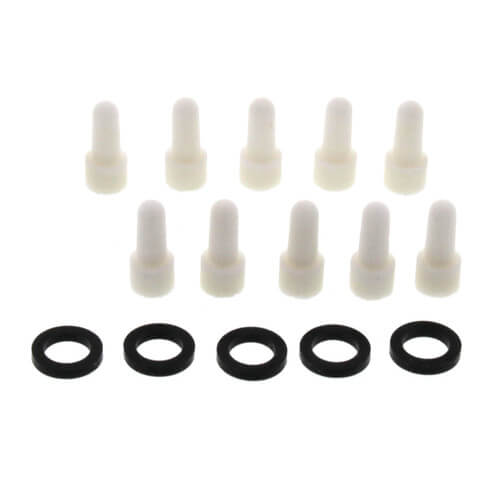
It depends on the detector type. Heated diode sensors typically last around 100 operating hours and need replacement when sensitivity degrades — this is normal and expected. Most brands including Inficon and Fieldpiece stock replacement sensor tips. Infrared (NDIR) detectors have no consumable sensor element and do not require regular sensor replacement, making them lower maintenance for high-use applications. Regardless of type, all electronic leak detectors benefit from periodic calibration checks against a known leak source to verify they are detecting at the expected sensitivity level.
Guides & Resources
|
Guide How to Use an HVAC Leak Detector — Step by Step Technique, probe placement, sensor reset, and how to pinpoint a confirmed leak location. |
Guide Heated Diode vs Infrared Leak Detectors Which sensor technology suits your workload — upfront cost vs long-term running costs. |
Guide HVAC Leak Detector Safety & Compliance in Australia ARC obligations, A2L safety requirements, and documentation for compliance leak checks. |
Related Collections
- Vacuum Pumps — evacuate the system after leak repair before recharging
- Digital Manifold Gauges — pressure test and recharge after confirming the repair
- Nitrogen Regulators — pressure test with nitrogen before using the electronic detector
- Refrigerant Hoses & Fittings — hoses and couplings for service and charging
- HVAC Tool Kits — bundled kits that include a leak detector
- Test & Measurement Tools — full diagnostic instrument range
- Analogue Manifold Gauge Sets — mechanical gauge sets for service and charging
Business: Stella Aquatics Pty Ltd trading as HVACShop.com.au — ABN 98 351 143 900
Support: 0412 333 115 | support@hvacshop.com.au | Mon–Fri 9:00am–5:00pm AEST
Last updated: September 2026