
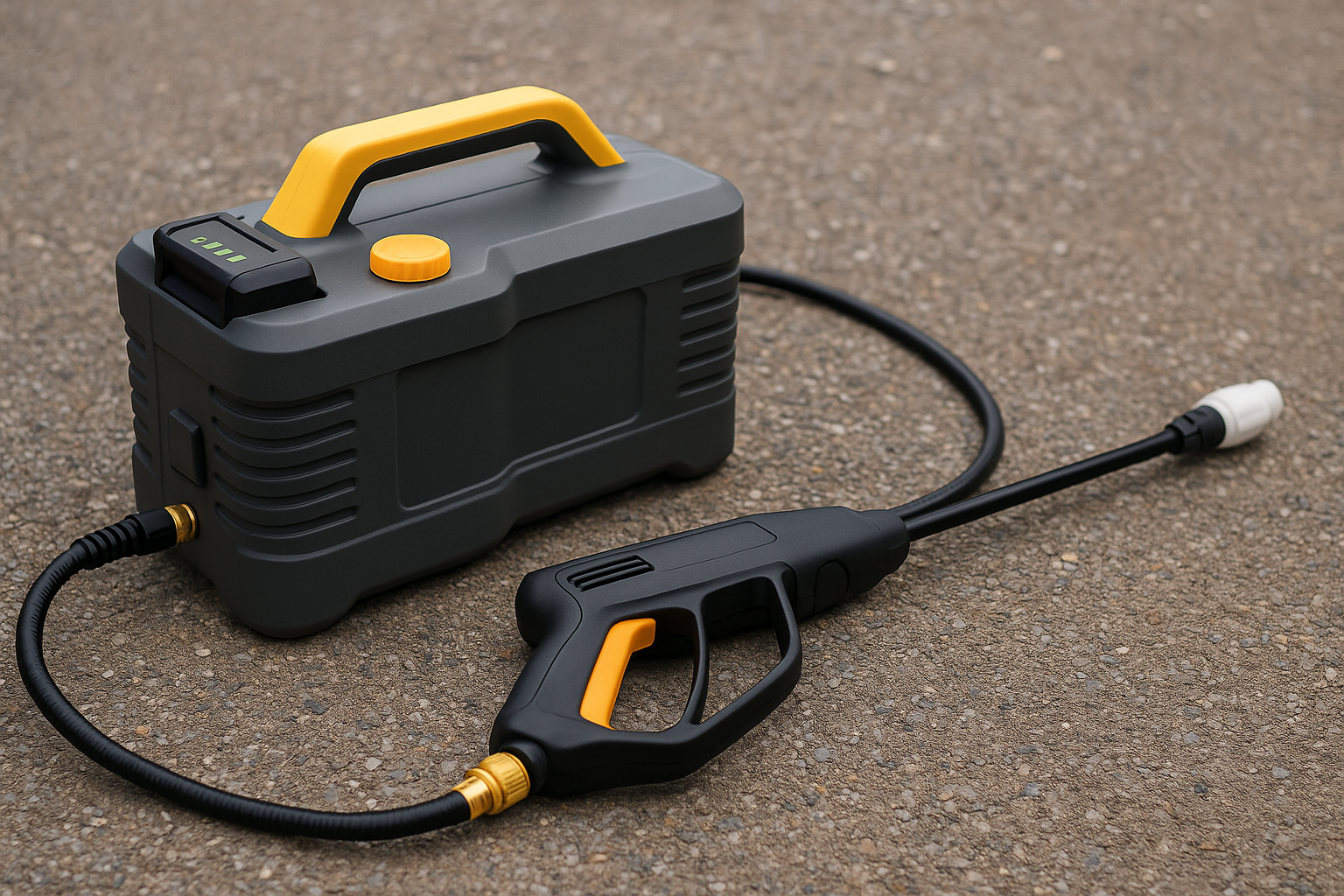
Introduction: What Makes a 12 Volt Pressure Washer Unique?
A 12 volt pressure washer provides the ideal blend of mobility and performance for cleaning HVAC coils, rinsing solar panels, polishing a vehicle, or wiping down outdoor goods at a campsite. These small washers, which use a 12V battery (similar to those found in automobiles or portable units), are popular among tradies, campers, and mobile workers.
In this tutorial, we'll look at how 12V pressure washers function, who they're ideal for, and what features to look for when purchasing one.
What Is a 12 Volt Pressure Washer?
A 12 volt pressure washer is a low-voltage, battery-powered pressure cleaner that may be used anywhere and does not require mains energy. Most models derive power from:
- A car's 12V DC outlet (cigarette lighter port)
- A rechargeable 12 volt lithium-ion battery
- A portable 12 volt power pack
Key Benefits of a 12 Volt Pressure Washer
✅ 1. Portability
Take it anywhere — no power points needed. Perfect for HVAC jobs on rooftops, in remote locations, or at customer homes.
✅ 2. Water Efficiency
These systems typically use less water than traditional pressure washers, ideal for eco-conscious users or working under water restrictions.
✅ 3. Safe for Delicate Surfaces
A 12V washer provides enough pressure to remove dirt and debris without damaging fins, filters, or car paint.
✅ 4. Battery Operated
Units like the Hydrocell Tradie 17L come with a rechargeable battery, giving you fully cordless cleaning.
✅ 5. Great for HVAC Cleaning
A 12 volt pressure washer paired with a coil cleaner is the go-to choice for cleaning condenser coils, especially where access is tight or ladders are involved.
Unlike petrol or mains-powered washers, these types are smaller, quieter, and better suited for light cleaning duties in regions with limited water or power.
Popular Use Cases in Australia
| Industry / Use Case | Why It Works |
|---|---|
| HVAC Servicing | Lightweight, rooftop-safe, ideal for coil rinsing |
| Car Detailing | Gentle pressure that won’t strip paint or wax |
| Camping & Off-Grid Use | Runs on battery, easy to carry |
| Window & Solar Cleaning | Pairs well with extendable lances and soft spray |
| Farm & Equipment Rinse-Off | Great for spot cleaning on machinery |
What to Look for in a 12 Volt Pressure Washer
🔋 Battery Power & Runtime
Check for lithium-ion battery specs — aim for 30–60 minutes of runtime per charge.
💧 Tank Capacity
Some models come with built-in water tanks (8L to 17L+). Larger tanks are ideal for extended use but may be heavier to carry.
🧼 Accessories & Nozzles
Look for:
- Spray gun with variable pressure settings
- Jet and fan nozzles
- Hose length (3m–6m is ideal)
- Foam cannon or detergent attachment
🔧 Durability
Choose models with:
- Impact-resistant casings
- Waterproof battery compartments
- Heavy-duty hoses and seals
Top Pick: Hydrocell Tradie 17L
👉 Hydrocell Tradie Pressure Washer – View Product
This rugged, Aussie-made 12V pressure washer is built for tradies. Key features:
- 17L tank
- Rechargeable 12V lithium battery
- Multiple spray nozzles
- Perfect for cleaning split system AC coils
💬 “We use the Hydrocell daily for rooftop AC units. Saves time and reduces water use — absolute game-changer.” — Matt, HVAC Tech, NSW
How to Maintain Your 12V Pressure Washer
Keep your unit running smoothly with these tips:
- Rinse tank and hose after each use
- Store battery in a cool, dry place
- Check seals and O-rings monthly
- Use filtered water when possible to reduce clogging
👉 Find Hydrocell spare parts to keep your unit in top condition.
Final Thoughts: Should You Buy a 12 Volt Pressure Washer?
If you’re looking for a lightweight, reliable, and cordless pressure washer for your HVAC, vehicle, or outdoor cleaning needs, a 12 volt pressure washer is the smart choice. They’re efficient, easy to use, and perfectly suited for mobile professionals and homeowners alike.
Whether you're a technician on the go or just need a better way to clean your gear at the campsite, you’ll love the freedom a 12V unit offers.