
Brisbane's Split System Cleaning Secrets Revealed

You know that sticky, humid Brisbane heat? It rolls in fast, clings to everything, and turns your home into a sweaty mess unless your aircon’s pulling its weight. But what if it’s not? If your split system is blowing warm air, stinking a bit funky, or working overtime for not much reward, it might just need a proper clean.
Here’s the thing: most Brissie homeowners don’t realise how much gunk, mould, and dust builds up inside those sleek white indoor units. And in our subtropical climate, that mess doesn’t just affect your comfort—it messes with your power bill, your air quality, and your sanity.
In this blog, we’re laying it all out, including:
-
Why split system cleaning matters in Brisbane
-
How to clean your split system aircon (without breaking it!)
-
Aussie-approved tools and products to make it easy
-
Maintenance tips to keep your aircon humming
-
Signs it’s time to upgrade, not just clean
-
A real story from a Brisbane local who learned the hard way
-
FAQs that answer what everyone’s wondering
Let’s dive in and give your split system the TLC it deserves.
Why Split System Cleaning Matters (Especially in Brisbane)
Brisbane’s muggy weather is the perfect breeding ground for mould and bacteria. Mix that with a split system aircon that hasn’t been cleaned in months (or years!) and you’ve got a recipe for stinky air, poor performance, and even health issues.
Here’s what a dirty unit can cause:
-
Musty smells every time it starts up
-
Higher energy bills (it has to work harder)
-
Reduced cooling power during peak heat
-
Mould spores blowing through your home
-
Increased allergy or asthma symptoms
If you're in suburbs like South Bank, Chermside, or even bayside Wynnum, chances are your split system is running hard through most of the year. And if it’s clogged or grimy? It’s just not doing its job properly.
"Ours hadn’t been touched in three years. I cracked it open and nearly passed out from the smell. Cleaned it out, and bam – cooler air, lower bills, and no more weird odours."
How to Clean Your Split System Aircon (The Easy Way)

Before we start – always turn off the power! Safety first.
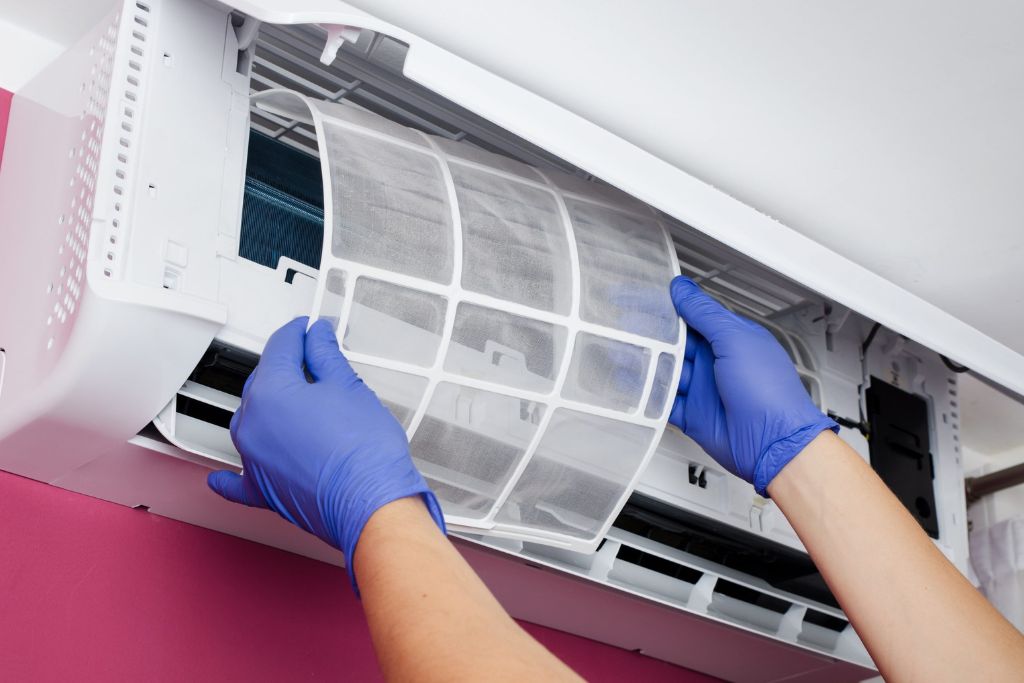
1. Clean the filters
-
Open the front panel and remove the filters.
-
Give them a good rinse with warm water.
-
Let them dry completely before popping them back in.
2. Wipe down the exterior
-
Use a soft cloth and a mild cleaner to remove dust and grime.
3. Tackle the coils and fins
-
Grab a coil cleaner spray like those in our split system maintenance collection.
-
Spray it directly onto the coils (follow label directions).
-
Let it foam and do its job. No rinsing needed in most cases.
4. Clean the drain tray and pipe
-
Use a fin comb or soft brush to clear any slime.
-
Flush the drain pipe with warm water or a cleaning solution.
5. Disinfect
-
Use an aircon-safe disinfectant spray to kill lingering mould and bacteria.
Optional: If you’re keen, a coil cleaning bag makes the whole process cleaner and faster. Check out our split system accessories for pro tools.
Tools of the Trade: Aussie-Approved Products

Want to clean like the pros without calling one in? Here are a few top picks you can grab from HVAC Shop:
-
Universal Coil Cleaner Spray – Great for both indoor and outdoor units.
-
Split System Cleaning Bag – Keeps mess to a minimum if you're spraying coils.
-
Fin Comb – Straightens and clears the aluminium fins.
-
Disinfectant Spray – For that final fresh burst.
Everything ships fast, right across Queensland.
Keeping It Clean: Maintenance Must-Knows

1. Clean filters every month in summer
Brissie summers are no joke. More use = more dust.
2. Wipe down the outer unit once a fortnight
It only takes 5 minutes and keeps the unit looking sharp.
3. Schedule a deep clean every 6 months
Even with regular filter cleaning, internal parts build up grime.
4. Watch for the signs
Warm air, odd noises, or funky smells? Time for a clean.
5. Don’t forget the outdoor unit
Leaves, dirt, and spiders (yep) can block airflow. Give it a sweep and hose-down.
When It’s Time to Upgrade, Not Just Clean
Sometimes, no amount of cleaning will save a split system that’s just past its prime. If yours is over 10 years old, makes more noise than cool air, or breaks down constantly, it might be time to invest in a new one.
Signs your unit's on the way out:
-
Still dirty or smelly after a deep clean
-
Energy bills keep climbing
-
Inconsistent cooling, even on max
-
Technician says it needs costly repairs
Not sure? Chat to your local HVAC tech or give us a call for advice.
Real Story: Lisa from Mount Gravatt
Lisa lives in a two-bedroom unit and runs her split system nearly every day in summer.
"I thought I needed a new aircon. It just wasn’t cooling the place down anymore. A mate suggested I give it a deep clean first. I grabbed a coil cleaner and a bag, followed a video, and honestly, the difference was insane. Cold air, quiet running, and no need to shell out for a new system just yet."
Key Takeaways
-
Brisbane’s heat and humidity make regular cleaning essential
-
Cleaning your split system saves money and boosts cooling power
-
Simple tools like coil cleaner and cleaning bags make it easy
-
Monthly filter cleaning + 6-month deep clean = better air and lower bills
-
Not every issue means replacement—sometimes a clean is all it takes
-
Fast access to DIY cleaning tools from HVAC Shop
If your split system is wheezing through the Brisbane heat, it’s probably crying out for a clean. And you don’t need to be a tradie to do it right.
Grab everything you need from our split system cleaning collection and bring your aircon back to life. Fast shipping across Brisbane and beyond.
FAQs
Q: How often should I clean my split system aircon in Brisbane?
A: Clean the filters monthly during summer and do a full internal clean every 6 months.
Q: Can I clean the coils myself or do I need a pro?
A: You can do it yourself with a coil cleaner spray and a bit of care. A cleaning bag helps too.
Q: Is it safe to spray water into the unit?
A: Not directly! Use a no-rinse coil cleaner and avoid oversaturating any electronics.
Q: What if there’s still a smell after cleaning?
A: Try a disinfectant spray or check the drain tray and pipe for mould.
Q: Do I need to clean the outdoor unit too?
A: Yep! It can get clogged with dirt and leaves, which affects performance.