
Pre-Winter Split System Cleaning: The Melbourne Guide

In Melbourne, we’re famous for four seasons in one day—but come winter, it’s mostly just freezing. That’s when the trusty split system flips from keeping us cool to keeping us cosy. But here’s the catch: if that unit is clogged with summer dust, packed with mould, or hasn’t seen a proper clean since last year, you’re in for weak airflow, nasty smells, and a power bill that stings worse than the morning frost.
Whether you’re up in Coburg, down in St Kilda, or freezing on the Mornington Peninsula, winter is when your split system works double time. Giving it a proper clean before the cold hits isn’t just about comfort—it’s about efficiency, breathing clean air, and getting maximum lifespan out of your investment.
In this guide, we’re breaking down:
- Why cleaning matters before winter kicks in
- How to clean your split system aircon the right way
- The best split system cleaning bags (and why they’re a winter essential)
- Ongoing maintenance tips for the cooler months
- Signs it might be time to bin the old unit
Why Cleaning Your Split System Before Winter Matters
Melbourne winters are a mix of dry, damp, and everything in between. When you switch your aircon from cool to heat mode, it blasts out whatever has been collecting inside the barrel and coils since summer: dust, pet dander, and mould spores.
Here’s what a dirty unit is going to give you:
- That musty “funky gym socks” smell the second you turn it on.
- Inefficient heating (which means your system runs longer and your power bills skyrocket).
- Allergies flaring up from airborne nasties being blown around the living room.
- Pathetic airflow, even when you've got the fan cranked to max.
Since we all spend way more time indoors during the colder months, a clean unit means better indoor air quality, less strain on your lungs, and less mechanical wear on the split system itself.
"Our heating was barely making a difference last winter. Thought the unit was on its last legs, but it was just filthy inside. A clean and a filter change made it feel brand new again."
How to Clean Your Split System for Winter (Without Breaking It)
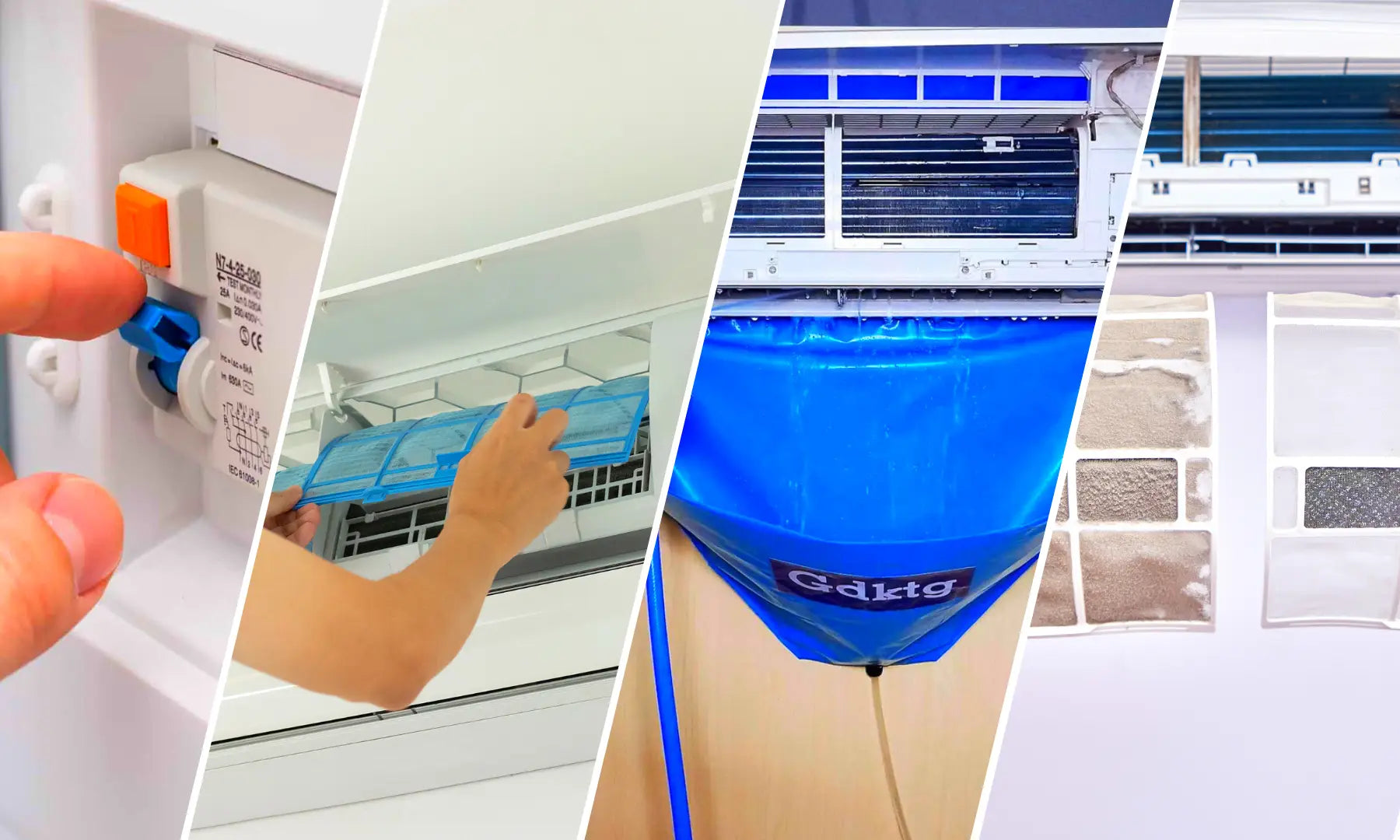
For the DIYers who don’t mind a little maintenance, here is the step-by-step to get it done right:
1. Switch off the unit and unplug
Safety first, always. Isolate the power at the switchboard so you aren't working on a live electrical appliance.
2. Remove and clean the filters
- Lift the front plastic panel and gently slide the mesh filters out.
- Rinse them thoroughly with warm water in the sink or laundry tub.
- Let them dry completely before you slide them back in.
3. Clean the coils and fins
- Grab a quality no-rinse coil cleaner from our Split System Cleaning Collection.
- If you want to avoid destroying your floors or walls with dirty runoff, this is where a split system cleaning bag becomes an absolute game-changer (more on that below).
- Spray the coils and let the foaming action push the grime out.

4. Wipe down the casing
- Use a microfibre cloth and a gentle spray cleaner to wipe down the plastic louvres and casing.
5. Check the drain pipe
- Look for mould, blockages, or water pooling in the drip tray. Flush the drain line out with warm water or diluted vinegar if it's looking sludgy.
6. Disinfect and deodorise
- Hit it with an aircon-safe antibacterial spray inside the unit and lightly on the dry filters before closing it up.
Melbourne Must-Have: Best Split System Cleaning Bags

If there’s one tool that stops this job from becoming a massive, highly stressful mess, it’s the humble cleaning bag.
What is a split system cleaning bag? It’s a heavy-duty, waterproof wraparound funnel that tightly hugs your indoor unit. It catches all the nasty gunk, foam, and overspray that comes out during a coil clean and funnels it straight into a bucket. It is mandatory for apartments, tight spaces, or homes with expensive carpet and timber floors.
Why it’s perfect for Melbourne homes:
- Bulletproof protection for your plaster walls and flooring from dirty runoff.
- Massively speeds up your clean-up process.
- Lets you aggressively use pressurized cleaning sprays without panicking about overspray.
- They are reusable, so you can deep clean multiple units throughout the year.
Check out our range of pro-grade options in our Cleaning Collection. Tradie Tip: Pair your bag with a pump spray bottle to get an even, pressurized application of your coil cleaner.
Ongoing Maintenance Through the Melbourne Chill

Once the heavy deep clean is done, here is how to keep your split system humming efficiently all winter long:
- Clean filters monthly: Even in heating mode, your system is constantly pulling in household dust. Keep them clear.
- Run the fan-only mode once a week: This simple trick dries out internal condensation and stops black mould from taking hold on the fan barrel.
- Keep vents clear: Don’t choke the indoor unit's airflow by blocking it with tall furniture or heavy winter curtains.
- Inspect the outdoor unit: Check the compressor outside. Ensure the fins aren't choked with autumn leaves or massive spiderwebs. A quick brush down keeps it breathing easily.
- Book an annual pro clean: If you aren't keen on DIY, or your internal fan barrel looks like a fuzzy black sweater, get an HVAC tradie in for a heavy strip-and-clean before winter bites hard.
When to Clean vs When to Replace
Sometimes, all the coil cleaner in the world won't save a unit that has simply given up the ghost.
It’s time to start pricing up a replacement if:
- Your split system is pushing past 10–12 years old.
- It still smells foul or struggles to pump out heat immediately after a thorough deep clean.
- It's making weird grinding noises, and repairs are getting frequent and expensive.
- Your winter energy bills are creeping up for no obvious reason.
Modern inverter split systems are incredibly energy-efficient. A brand new unit could easily pay for itself over a few years just in reduced power costs.
Real Story: Nathan from Preston VIC
Nathan runs a small architecture studio out of his converted garage. He relies heavily on his split system to keep clients comfortable during those freezing July meetings.
"I was genuinely embarrassed when a client commented on a stale smell in the office. I bought a coil cleaner and a cleaning bag online that night. Followed a quick how-to video, and the next morning the air was fresh as a daisy. It took less than an hour, didn't spill a drop on the floor, and saved me a massive callout fee."
Key Takeaways
- A proper deep clean before a Melbourne winter drastically boosts heating performance and lowers power bills.
- Split system cleaning bags are mandatory if you want to make the job fast, clean, and safe for your walls.
- Monthly filter washing and an annual coil clean keeps your indoor air quality pristine.
- DIY cleaning kits save you serious money and let you bypass long wait times for technicians.
Don’t wait for the first bitter cold snap to realise your heater smells like a wet dog and isn't pushing out heat. Stock up on the right gear now and prep your system properly.

Shop our full range of split system cleaning bags, coil cleaners, and accessories right here—with fast shipping straight across Victoria.
Frequently Asked Questions (FAQ)
How often should I clean my split system before or during winter?
You should perform a heavy deep clean (coils, fins, and casing) right before winter truly kicks in. During the winter months, you should pull out the mesh filters and wash them once a month to maintain maximum airflow and efficiency.
Are split system cleaning bags reusable?
Yes, absolutely! The quality cleaning bags we supply are made from heavy-duty, waterproof PVC. Once you're done cleaning, just rinse the bag out with clean water, let it dry, and fold it up for next season.
Do I need to rinse the coil cleaner off after spraying?
Most modern professional coil cleaners are "no-rinse" formulas. The foaming action lifts the dirt, and the natural condensation created by the air conditioner washes the grime down the drain pipe. However, always check the specific instructions on the bottle you are using.
What’s the best way to deodorise the unit?
Once the coils are clean and the filters are dry, lightly spray the internal fins and the filters with a dedicated, aircon-safe antibacterial and deodorising spray. Do not use heavy household perfumes or bleach, as these can damage the plastic and leave an overwhelming chemical smell in the house.
Can I clean it myself or should I call a pro?
You can easily handle basic maintenance yourself, including washing filters, spraying the coils, and wiping the casing down using a cleaning bag. However, if your internal fan barrel (the spinning cylinder) is heavily caked in thick black mould, or the unit needs regassing, it's time to call in a licensed HVAC technician.