
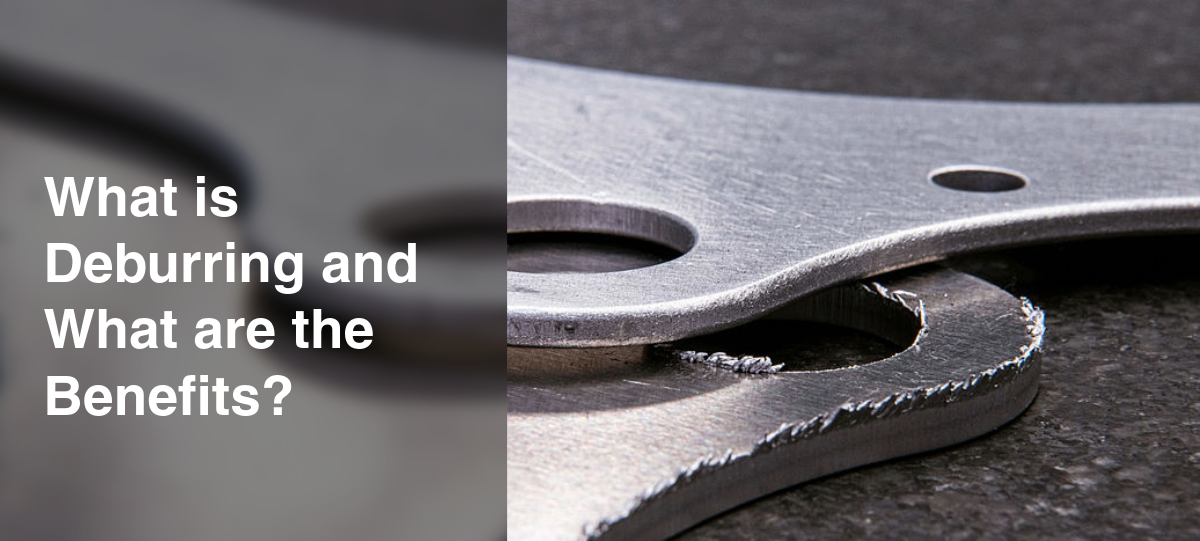
The Impact of Deburring on Product Longevity
Ever wonder how some products seem to last forever while others fall apart way too soon? The secret sauce might just be a little thing called deburring! Let's dive into the world of deburring and discover how this tiny step can make a huge difference in the durability, safety, and quality of your products—especially for our friends Down Under.
Table of Contents
- Why Deburring Matters for Product Longevity
- How Deburring Increases Durability
- The Role of Deburring in Corrosion Resistance
- How Proper Deburring Improves Product Quality
- Deburring's Impact on Equipment Longevity
- The Connection Between Deburring and Safety
- Conclusion: The Long-Term Benefits of Deburring
Why Deburring Matters for Product Longevity
When it comes to manufacturing, every detail counts, especially when you’re aiming to create products that stand the test of time. One often-overlooked detail is deburring, a crucial step in the production process that can significantly impact the longevity of your products. Whether you're in the automotive, aerospace, or construction industry in Australia, understanding the importance of deburring can make a world of difference in the durability and quality of your products.
How Deburring Increases Durability
Deburring is all about removing the rough edges and imperfections that are left behind after machining processes. These tiny burrs may seem insignificant, but they can lead to significant problems over time.
For instance, sharp edges and burrs can create stress points on metal parts, which may result in cracks and fractures, especially under repeated strain. By removing these imperfections through deburring, you reduce the likelihood of stress fractures and increase the overall durability of your product.
Client Anecdote: A small Australian manufacturer of automotive parts once faced a high rate of product returns due to early failures in some components. After consulting with a deburring specialist, they integrated thorough deburring processes into their production line. The result? A noticeable decrease in product returns and an increase in customer satisfaction.
The Role of Deburring in Corrosion Resistance
Australia's environment can be harsh, especially in coastal and industrial areas where corrosion is a constant threat. Burrs and rough edges can act as starting points for corrosion, particularly when products are exposed to moisture or salt air.
By smoothing out these surfaces, deburring helps to create a more uniform and resistant barrier against the elements. This is particularly important for industries like marine manufacturing, where components are regularly exposed to corrosive environments.
For example, using tools like the Imperial 210FSP Deburring Tool or the Hilmor 1891258 Pen Style Deburring Tool can ensure that your products remain corrosion-resistant for longer periods, ultimately extending their lifespan.
How Proper Deburring Improves Product Quality
When we talk about quality, we often think of fit, finish, and function. Deburring plays a key role in all three. By eliminating burrs, you ensure that parts fit together more precisely, which is essential for complex assemblies.
In addition to improving fit, deburring also enhances the aesthetic appeal of products. Imagine receiving a metal part with jagged edges—it doesn’t instill confidence, does it? Deburring ensures that products look as good as they perform, which is vital for customer satisfaction, especially in consumer-facing industries.
In Australia, where quality control standards are stringent, deburring helps manufacturers meet these high expectations. Tools like the Hilmor 1937685 Orbital Flare Kit with Tubing Cutter and Deburring Tool are perfect for achieving a flawless finish that meets industry standards.
Deburring's Impact on Equipment Longevity
Beyond the products themselves, deburring also has a significant impact on the tools and machinery used in the manufacturing process. Burrs and sharp edges can wear down cutting tools, machinery components, and even lead to premature equipment failure.

By investing in proper deburring techniques, such as using the Imperial 208-FSP Inner Outer Reamer and Deburring Tool or the Hilmor 1839052 Deburring Tool, you can significantly extend the life of your machinery. This not only reduces downtime but also saves money on maintenance and replacement costs.
The Connection Between Deburring and Safety
Safety is another critical aspect where deburring plays a vital role. Sharp edges and burrs are not just a quality issue; they’re also a significant safety hazard. In industries where workers handle metal parts regularly, burrs can cause lacerations, cuts, and puncture wounds, leading to lost time, increased insurance costs, and potential legal liabilities for the company. The presence of these hazards can also lower employee morale, as workers may become wary of handling materials they perceive as unsafe.
Impact on Employee Morale
Moreover, in structural applications, such as in construction or infrastructure projects, burrs can compromise the integrity of components by creating weak points that could lead to cracks or fractures under stress. This is especially concerning in load-bearing structures where even a small defect can have catastrophic consequences, such as collapse or failure.
The Dangers in Load-Bearing Structures
By ensuring all parts are thoroughly deburred, manufacturers not only improve product quality but also create a safer work environment. This proactive approach to safety can reduce workplace accidents, enhance employee confidence, and ensure compliance with stringent Australian safety regulations. Additionally, deburring contributes to the overall reliability of the final product, providing peace of mind to both manufacturers and end-users who rely on the structural integrity of these components in critical applications.

Improving Product Reliability
For Australian manufacturers, adhering to safety standards is non-negotiable. Tools like the Imperial 45 Rol-Air™ Flaring Tool can help maintain these standards by ensuring every component is safe and free from hazardous burrs.
Conclusion: The Long-Term Benefits of Deburring
Deburring is a small step that delivers big benefits. From increasing product durability and enhancing corrosion resistance to improving quality and safety, the impact of deburring on product longevity is undeniable. For Australian manufacturers looking to maintain high standards and reduce costs, integrating thorough deburring processes is essential.

Whether you’re producing automotive parts, marine components, or any other precision-engineered products, investing in the right deburring tools and techniques is a smart move. So, the next time you’re in the market for a deburring tool, consider exploring the options available at HVAC Shop, like the Imperial 210FSP Deburring Tool or the Hilmor 1891258 Pen Style Deburring Tool, to ensure your products not only meet but exceed industry expectations.