
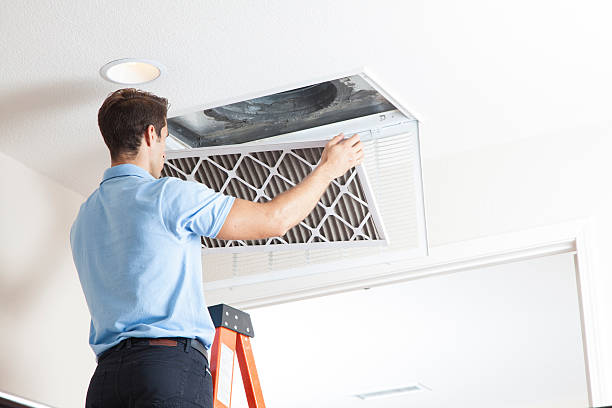
If you're knee-deep in the HVAC world, you're well aware that regular maintenance is the secret sauce to the longevity of your system.
One often-overlooked aspect of HVAC maintenance is cleanliness, and when it comes to cleaning, nothing gets the job done quite like a portable pressure washer.
The Hidden Power of Portable Pressure Washers
Portable pressure washers, also known as power washers, are handy cleaning tools that use high-pressure water spray to remove grime, dust, mud, and other unwanted substances from surfaces and objects. When it comes to HVAC systems, they're like the superhero sidekick you didn't know you needed!
These compact, mobile devices are crucial in maintaining HVAC systems. They help in removing the accumulated dirt, which can impede airflow, from critical parts such as coils and fins, thereby improving overall efficiency.
Benefits of Portable Pressure Washers for HVAC Maintenance
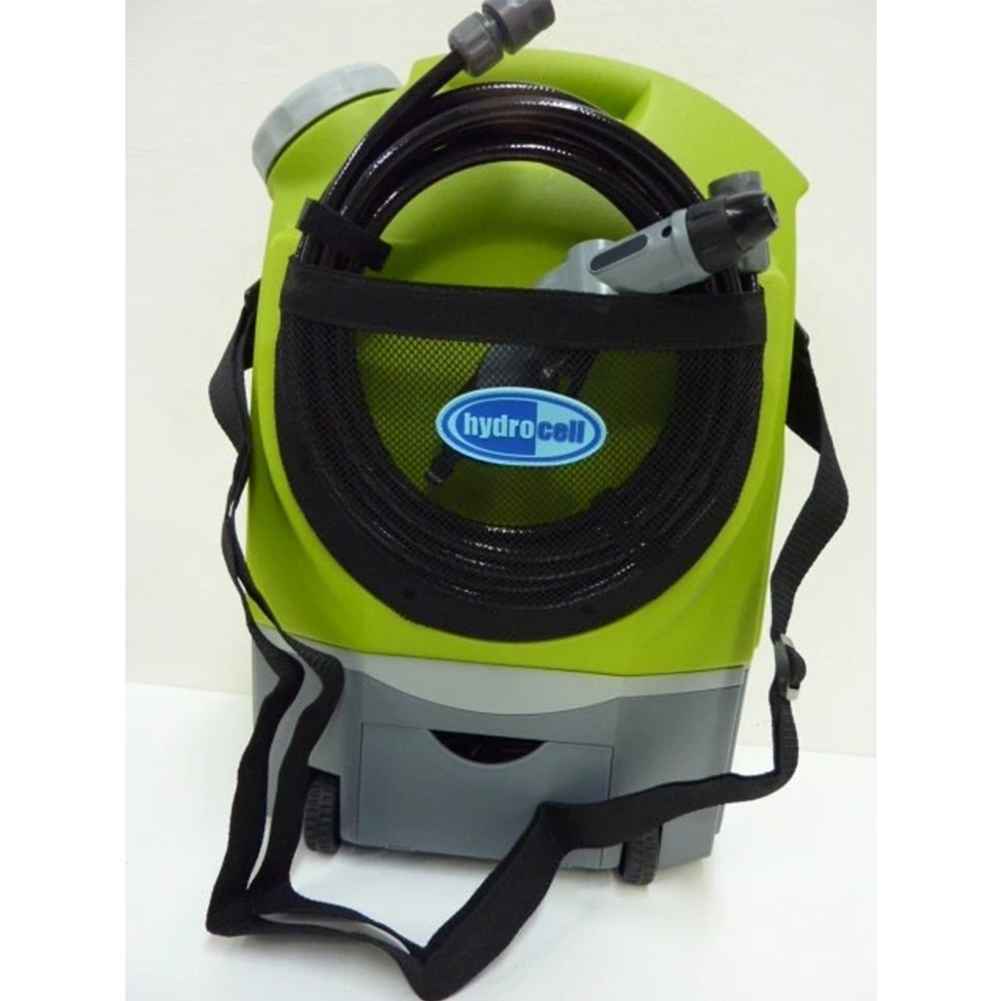
- Efficiency Boost: Dust and debris can significantly hinder the performance of your HVAC system. With a portable pressure washer, you can thoroughly clean these parts, improving airflow and thus the system's efficiency.
- Prolongs Lifespan: Regular cleaning with a pressure washer minimises the wear and tear on your HVAC components, extending their lifespan.
- Cost Savings: A well-maintained HVAC system operates more efficiently, which means less energy consumption and ultimately lower utility bills.
- Improves Indoor Air Quality: A clean HVAC system contributes to better air quality by reducing the amount of dust and pollutants it recirculates.
Choosing the Right Pressure Washer for Your HVAC
Before you rush to the store, there are a few things to keep in mind when selecting a portable pressure washer for your HVAC system:
- Pressure Level: The ideal pressure for HVAC systems ranges from 1300 to 1600 PSI. Anything higher may risk damaging your HVAC components.
- Temperature Settings: Look for models that offer both hot and cold water settings. Hot water can be particularly useful for stubborn grime.
- Size and Portability: Consider the size of the pressure washer. If you're working in confined spaces, a compact and lightweight model would be ideal.
Safety and Best Practices

While portable pressure washers are incredibly useful, they can potentially damage your HVAC system if not used properly. Here are some safety and best practice tips to keep in mind:
- Avoid Direct Spray on Fins: The fins on your HVAC system are delicate. Make sure to spray at an angle to prevent damaging them.
- Use Appropriate Nozzles: Use nozzles that deliver a wide spray pattern to ensure a gentle but effective cleaning.
- Regular Maintenance: Clean your pressure washer regularly to keep it in good working condition.
More Than Just Cleaning: Versatility of Portable Pressure Washers
A portable pressure washer's value extends beyond merely maintaining HVAC systems. As versatile tools, they can also help in cleaning gutters, outdoor furniture, decks, cars, and much more around your home.
- Home Exteriors and Gutters: The high-pressure water spray is excellent for removing algae, mould, or stains from your home's exterior walls and cleaning out gutters.
- Outdoor Furniture: The pressure washer effectively cleans outdoor furniture, removing dust, bird droppings, and weather-related grime.
- Decks and Patios: These areas can often harbour mildew and dirt. A portable pressure washer can restore them to their former glory in no time.
- Cars: It can be a great tool for washing cars, especially for removing hardened mud or bird droppings that a regular hose just can't handle.
By investing in a portable pressure washer for your HVAC maintenance, you're also adding a multi-use tool to your home care arsenal.
The Environmental Angle
Portable pressure washers are not only efficient cleaners but also have a significant environmental advantage. They use considerably less water than a typical garden hose while delivering a superior clean. Furthermore, many models are electric, reducing the reliance on fossil fuels and contributing to lower greenhouse gas emissions.
Making the Most Out of Your Portable Pressure Washer
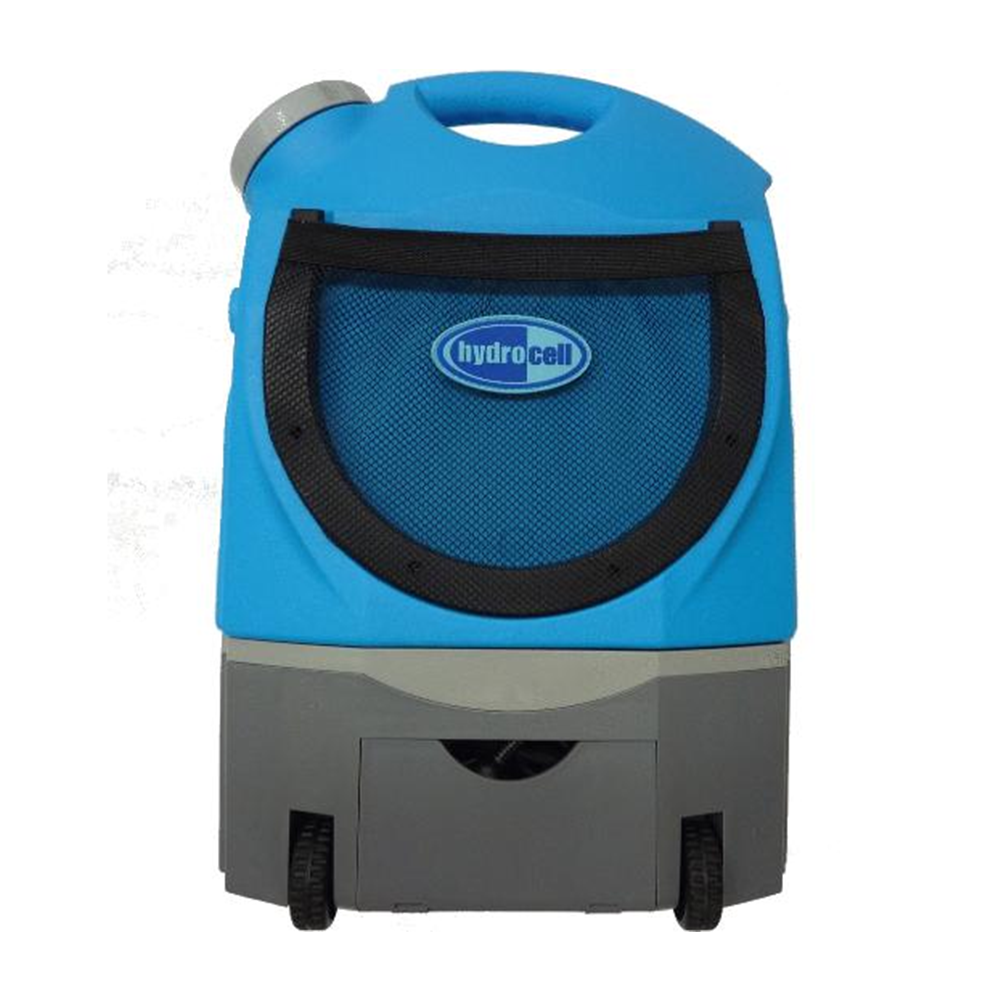
To ensure you're getting the most from your portable pressure washer, remember the following tips:
- Read the Manual: Each pressure washer is unique. Reading the manual can provide you with important information about its operation and maintenance.
- Regular Checkups: Check the washer for any issues before each use. This can help catch potential problems early and prevent damage.
- Winter Care: If you live in a colder climate, remember to winterize your pressure washer. This involves draining any remaining water and storing the machine in a dry, frost-free place to prevent damage from freezing.
Conclusion
From enhancing HVAC performance to improving your home's curb appeal, the benefits of owning a portable pressure washer are endless. However, proper selection and correct use are key to ensuring its longevity and maximum performance.
With increased awareness about their advantages, coupled with best practices for their use, it's not hard to see why portable pressure washers are becoming an indispensable tool in modern home care. So, what are you waiting for? Make the investment in a portable pressure washer and transform the way you maintain and improve your living environment!
We hope you've found this deep dive into the world of portable pressure washers and their role in HVAC maintenance informative and helpful. As always, if you have any questions or need expert advice, the team at HVACShop.com.au is here to assist.