
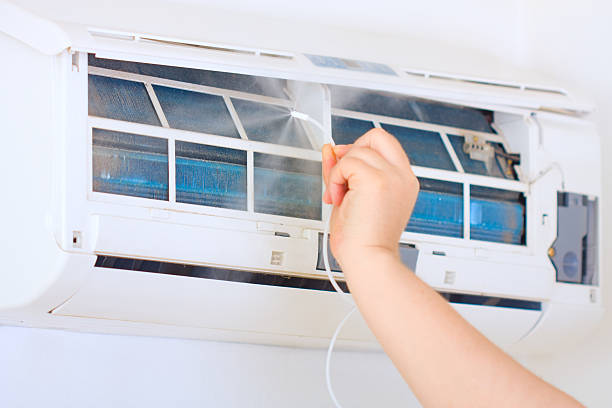
When it comes to maintaining your HVAC system, ensuring cleanliness is one aspect that you cannot afford to overlook.
A dirty HVAC system not only consumes more energy but also impacts the overall indoor air quality, affecting your health and comfort. And in the midst of it all, there's a tool that can help you streamline your HVAC cleaning process – a portable pressure washer.
Portable Pressure Washers: Compact Powerhouses for HVAC Cleaning
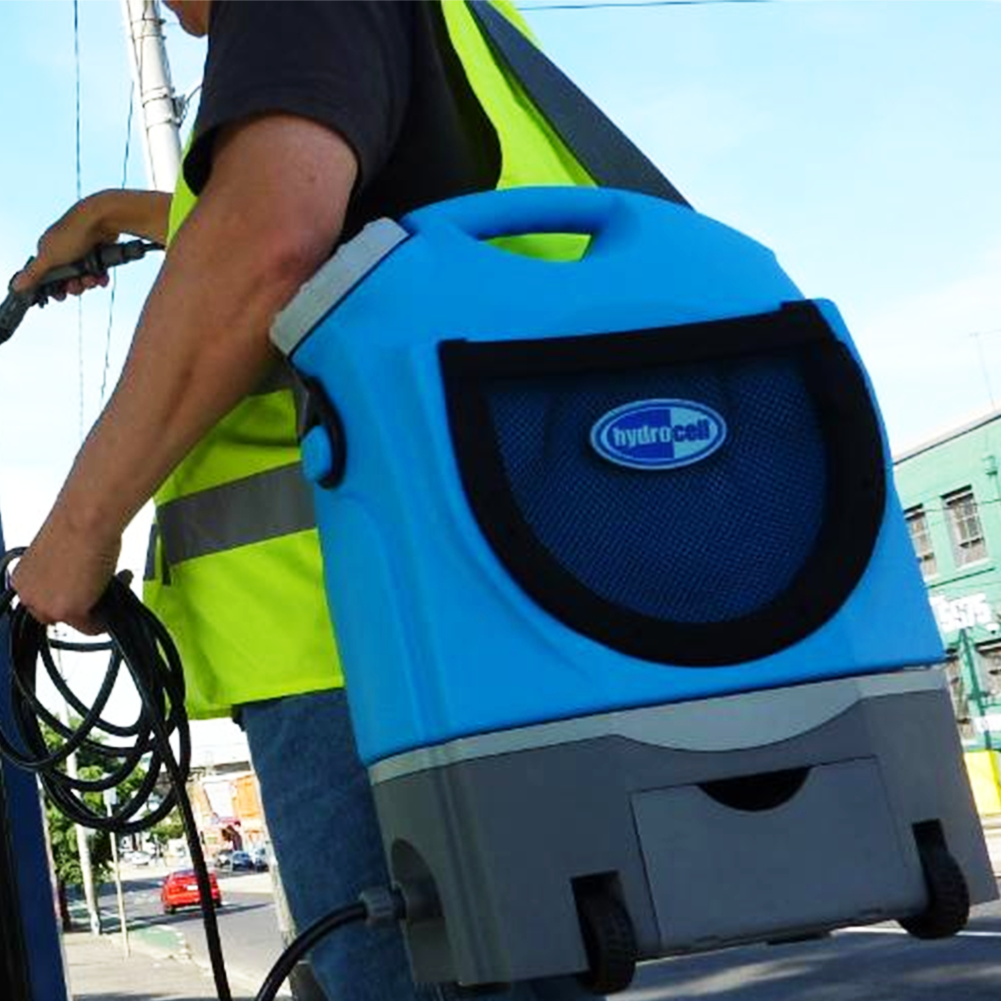
Portable pressure washers are compact yet potent tools designed to give you a professional-grade cleaning experience. Easy to transport and versatile in functionality, they offer excellent power to weight ratio, making them the go-to tool for homeowners and HVAC professionals alike.
A portable pressure washer can target and remove the grime and dirt that slowly builds up in your HVAC system. Over time, this accumulation can lead to reduced air quality and increased energy consumption due to decreased HVAC system efficiency. With its powerful spray, a portable pressure washer can remove this buildup, restoring your HVAC system to its optimal efficiency.
Benefits of Using Portable Pressure Washers for HVAC System Cleaning

There are numerous reasons why a portable pressure washer is a smart investment for your HVAC system cleaning routine.
Energy Efficiency
A clean HVAC system operates more efficiently than a dirty one. By removing the dirt and grime buildup, a portable pressure washer allows your HVAC unit to run smoothly, reducing its energy consumption and, in turn, lowering your energy bills.
Enhanced Air Quality
Accumulated dirt, dust, and allergens can negatively impact the indoor air quality of your home or business. A thorough clean with a portable pressure washer can eradicate these impurities, improving air quality and creating a healthier environment.
Prolonged HVAC System Lifespan
Regular cleaning can extend the life of your HVAC system, preventing early system failure due to dirt and grime buildup. With a portable pressure washer, you can conveniently keep your HVAC system clean, promoting its longevity.
Versatility
Portable pressure washers aren't only useful for HVAC system cleaning. You can use them to clean exterior surfaces, vehicles, garden furniture, and more, making them a versatile addition to your tool collection.
Choosing the Right Portable Pressure Washer for HVAC System Cleaning
Not all portable pressure washers are created equal. Here are some key factors to consider when choosing the right one for your HVAC system cleaning needs:
-
Pressure Output: A washer's power is measured in PSI (Pounds per Square Inch). Higher PSI means more power, but be careful not to choose a washer with an excessively high PSI as it might damage the delicate parts of your HVAC system.
-
Water Flow: Measured in GPM (Gallons per Minute), it determines how much water the washer uses. Higher GPM ensures a faster cleaning process but also means more water consumption.
-
Nozzle Types: Look for a pressure washer that comes with various nozzles. Different nozzles allow you to adjust the water pressure and spray pattern, accommodating various cleaning tasks.
-
Power Source: Pressure washers can be either electric or gas-powered. Electric models are quieter and more eco-friendly, while gas-powered models are usually more powerful.
Using a Portable Pressure Washer Safely on Your HVAC Unit
Safety should always be your number one priority when using a pressure washer on your HVAC system. Here are some tips to keep in mind:
-
Switch Off the Power: Before you begin the cleaning process, ensure to turn off your HVAC system to prevent any electrical accidents.
-
Use Appropriate PSI: A pressure washer is a powerful tool, and using one with a very high PSI can damage your HVAC system. It's recommended to start with a lower PSI and gradually increase if needed.
-
Protect the Electronics: Make sure to protect the electrical parts of your HVAC system during the cleaning process. You can do this by covering these parts with a waterproof material.
-
Use the Correct Nozzle: Different nozzles serve different purposes. For HVAC cleaning, a nozzle that provides a wider spray is usually more appropriate, as it offers a good balance between power and coverage without causing damage.
-
Hire a Professional If Needed: If you’re unsure about doing it yourself, don't hesitate to hire a professional. They have the expertise to clean your HVAC system efficiently without causing any damage.
Maintaining Your Portable Pressure Washer

To ensure your portable pressure washer lasts a long time and continues to perform optimally, you need to maintain it properly. Here are some maintenance tips:
-
Clean After Every Use: Clean your pressure washer after every use to prevent dirt and grime from building up in the machine.
-
Check for Leaks Regularly: Regularly inspect your pressure washer for any leaks. A leaking pressure washer can lead to decreased performance and possible damage.
-
Winterize: If you live in a colder climate, ensure to winterize your pressure washer to protect it from freezing temperatures.
-
Regular Servicing: Just like any other machine, a pressure washer needs regular servicing to remain in top shape. Make sure to service it as per the manufacturer’s instructions.
Wrapping Up
With the increasingly apparent need to save energy and the desire for cleaner, healthier indoor air, more and more individuals and businesses are discovering the benefits of using portable pressure washers for HVAC system cleaning. They provide an efficient, effective, and eco-friendly way to maintain and prolong the life of your HVAC system.
From the ease of use to the versatility and robust cleaning power, portable pressure washers are a game-changer in HVAC maintenance. When chosen carefully and used correctly, they can significantly improve the efficiency and lifespan of your HVAC system while also enhancing the quality of your indoor air.
In a world where health, efficiency, and sustainability are of paramount importance, the advent of tools like portable pressure washers is a breath of fresh air. These compact, powerful machines prove that when it comes to HVAC cleaning and maintenance, we can have it all: a clean, efficient HVAC system, healthier indoor air, and significant energy savings.