
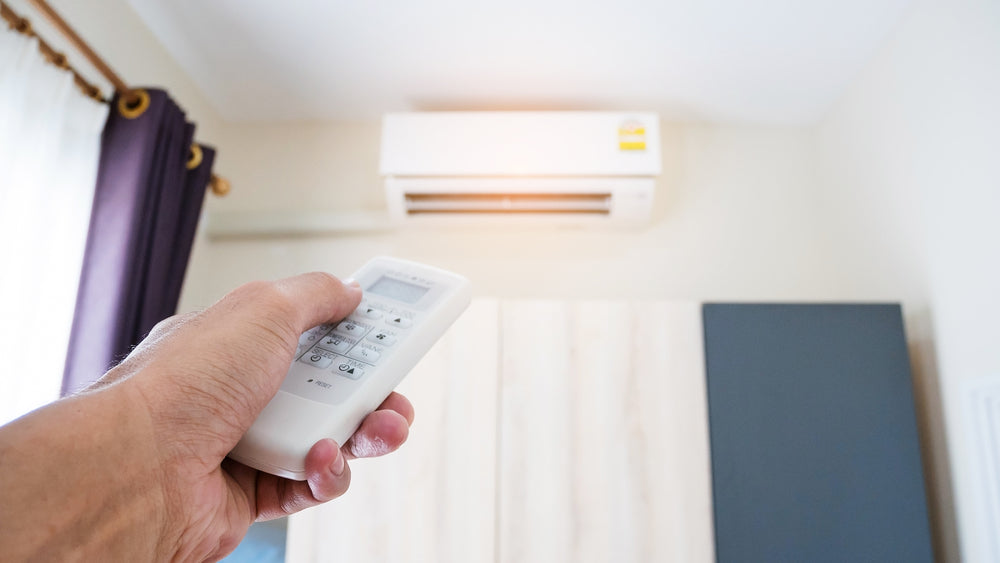
Your practical guide to keeping warm and cutting costs with smart air conditioning upkeep in chilly Melbourne months.
Melbourne Winter’s Here—Is Your AC Up to It?
Melbourne’s winter doesn’t muck around. One week it’s crisp and calm, the next it’s a soggy mess with back-to-back cold snaps. And while most people think of air conditioning as a summer fix, your reverse-cycle unit is working overtime during winter too.
But here’s the catch: if you haven’t touched your system since last summer, chances are it’s running less efficiently than it should. Dirty filters, clogged coils, and neglected maintenance can all spike your power bill and drop your comfort levels.
This guide will walk you through:
- Why winter air conditioning maintenance matters in Melbourne
- A simple, DIY-friendly maintenance checklist
- Aussie tools and cleaning kits worth keeping on hand
- Easy tips to save on energy while staying cosy
- When to call in a pro or consider upgrading
- A customer story from Carlton that proves it pays to prep
Let’s warm things up the smart way—and save a few bucks while we’re at it.
Why It Matters: Melbourne Winters Are Unpredictable (and Expensive)

In a city that can deliver four seasons in a day, it’s no surprise our HVAC systems get a workout. Between June and August, Melbourne homes rely heavily on ducted reverse-cycle air conditioners for consistent heating. But dirty filters and blocked vents force your system to work harder, using more energy just to produce the same heat.
Here’s why a winter maintenance check is essential:
- Save energy: Clean systems use less power and heat more efficiently
- Improve airflow: No more cold spots or rooms that take ages to warm
- Extend system life: Less strain = longer lifespan
- Breathe better: Dust and mould love hiding in neglected vents
“Our heater kept cutting out last winter. Turns out the outdoor coil was clogged from autumn leaves. A quick clean fixed it instantly.” — Jude, Carlton VIC
Whether you’ve got a ducted system, a split unit, or a whole-home setup, a bit of maintenance goes a long way in winter.
How It Works: A Melbourne-Winter Maintenance Checklist
You don’t need to be a tradie to get this done. Just follow this checklist to keep your system running smooth all winter long.
✅ 1. Clean Your Filters
Melbourne homes are dustier than you think, especially during windy months. Remove filters from your indoor unit and rinse with warm water. Let them dry completely before reinstalling.
👉 Grab spare filters and cleaning kits here
✅ 2. Wipe Vents and Return Grilles
Dust can block air return and restrict flow. A quick vacuum or damp cloth does the trick.
✅ 3. Inspect the Outdoor Unit
Leaves from autumn or overgrown hedges can clog coils. Clear the space and gently clean using a portable pressure washer.

✅ 4. Spray the Coils (Indoor and Outdoor)
Use a Viper Coil Cleaner (Evap+) or concentrated coil wash kit. These HVAC-safe sprays lift dust, biofilm, and grime without damaging the system.

✅ 5. Check for Mould or Musty Smells
Musty smells = moisture build-up = possible mould. Spray evaporators with a no-rinse cleaner and run the fan-only mode for 10–15 minutes to dry it out.
✅ 6. Test Thermostat Accuracy
Set the temp and check if the system responds quickly and maintains heat. Replace batteries if needed.
✅ 7. Book a Professional Service (Every 12–18 Months)
If it’s been over a year since your last check-up—or your system’s been acting up—get a licensed HVAC tech in for a full diagnostic.
Buyer’s Guide: Melbourne-Ready Maintenance Tools

Here are our top picks for cleaning gear that works a treat in Victorian homes during the colder months:
| Tool | Best For | Why It’s Handy in Winter |
|---|---|---|
| Viper Coil Cleaner | Evaporator and condenser coils | No-rinse foam cleans fast, even in cold temps |
| Hydro Bag Kit | Indoor units | Prevents water mess inside while cleaning |
| Portable Pressure Washer | Outdoor coils | Removes leaves and winter grime gently |
| AC Wash Kit (Concentrated) | Budget-friendly cleaning | Great for multiple units or big homes |
| Flexible Duct Brush | Ducted system vents | Clears dust and pet hair without needing disassembly |
| Mini Sprayer Bottle | Small or tight jobs | Quick spot cleans without overdoing it |
👉 Shop our full range of maintenance gear
Best Product to Try First
New to all this? Don’t overthink it—start with a complete winter-ready cleaning kit. It usually includes:
- Coil cleaner (like Viper Evap+)
- Cloths and gloves
- Eye protection
- A sprayer or bottle
These kits are designed for non-tradies and work across most split or ducted systems.
👉 Check out our bundled cleaning kits
Maintenance Must-Knows (Melbourne Edition)
-
Set your aircon to 18–20°C for max efficiency—warmer temps cost more
-
Run your unit on dry mode occasionally to prevent condensation and mould
-
Use ceiling fans in reverse to push warm air down
-
Avoid running it 24/7—give it breaks to reduce strain
-
Check power bills monthly—a spike may mean something’s up
When to Upgrade or Call in the Pros
If your system:
- Is over 10 years old
- Makes odd noises
- Struggles to maintain temp
- Constantly trips the switchboard
…it might be time for a full service or replacement.
A new, energy-efficient system could pay for itself in a few years through savings.
Real Customer Story: Jude from Carlton
“Last winter our system was running almost all day, and the bill was brutal. This year, I got ahead of it. Cleaned the coils, used the Viper spray, trimmed back the garden around the unit—and guess what? Quieter, warmer, cheaper. Love it.”
Ready to Stay Warm (Without Blowing the Budget)?
Whether you’re in Fitzroy, St Kilda, or the Dandenongs—Melbourne winters demand a reliable, clean aircon. A little maintenance now means fewer headaches (and lower bills) later.
Fast shipping across VIC. Trusted by Aussie homeowners and tradies alike.
FAQs
Q: Can I clean my AC in winter or should I wait?
A: Winter is the perfect time—especially if you use it for heating.
Q: Will cleaning it really save on power bills?
A: Yep. Clean systems run more efficiently and cycle off quicker.
Q: Is coil cleaning safe for indoor units?
A: Absolutely—just use HVAC-approved cleaners like Viper Evap+.
Q: Can I clean it myself or do I need a pro?
A: Most light cleaning is DIY-friendly. Book a pro if it’s been 12+ months or you spot damage.
Q: What if I live in an apartment?
A: No worries—use a hydro bag