
Reduce Allergies, Dust and Mould at Home
Your no-nonsense guide to breathing easier this spring—starting with your aircon.
Spring in Brisbane brings sunshine and sneezes. If your aircon hasn’t been cleaned since last year, it could be making your allergies worse. This guide gives you step-by-step cleaning tips, product recommendations, and advice to stay sniffle-free.
🌸 Spring in Brissie: Glorious Weather… and Hay Fever
Brisbane in spring? It's a beauty. The jacarandas are out, the days are getting longer, and the barbies are firing up. But along with all that sunshine comes something a bit less fun—sneezing fits, itchy eyes, and that constant tickle in your throat. Sound familiar?
If you're blaming the blooming bottlebrush outside, you might be missing the real culprit—your air conditioner. Yep, that same split system keeping you cool could be blowing pollen, dust, and even mould right into your living room.

This blog's here to help you sort that out. Inside, you’ll learn:
Let’s clean out those vents and get your lungs back on track.
Why It Matters: Brisbane’s Air Isn’t Always So Fresh

Let’s be honest—Brisbane’s spring air isn’t as crisp as we’d like it to be. Between pollen clouds, backyard dust, and leftover winter mould, it’s no wonder your nose is acting up.
And guess what? Your AC might be making it worse. It doesn’t just circulate air—it recirculates everything in it: pet dander, dust mites, pollen, even sneaky mould spores. Basically, if you haven’t cleaned your unit since last summer, it’s probably full of stuff your sinuses would rather avoid.
What could be hiding in your AC right now?
- Filters packed with dust and pet fluff
- Mouldy patches from built-up condensation
- Pollen that’s drifted in from the yard
- Leaves and dirt clogging up your outdoor unit
Clean it now and you’ll be breathing easier by the time the mozzies arrive.
“We couldn’t figure out why our son’s hay fever flared up indoors. Turns out the return vent was mouldy as. We gave it a clean with coil spray and a brush—problem solved.” — Tanya, Wynnum QLD
How It Works: Spring Cleaning Your AC, the Easy Way

You don’t need to be an electrician or HVAC tech to clean your own system. Most Brisbane homes can knock this out in under an hour. Here’s how.
✅ Step 1: Filters First
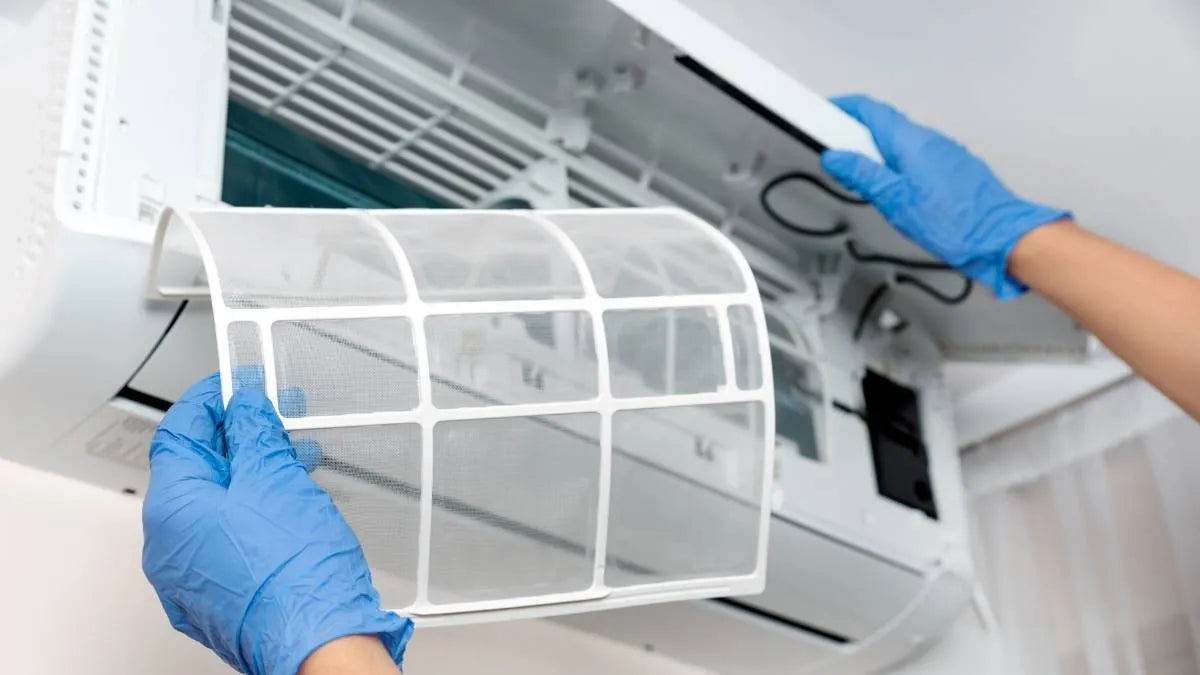
Pull them out and have a look. If they’re dusty or musty—clean ‘em. Wash reusable filters in warm, soapy water and let them dry completely. If they’re looking worse for wear, chuck 'em and grab new ones. 👉 Shop filters & cleaning kits
✅ Step 2: Wipe the Grilles
Grab a damp microfibre cloth or the vacuum brush attachment. Wipe around the air return grilles and the vents in each room. Ceiling vents can get gross—don’t skip ‘em.
✅ Step 3: Spray the Coils
Pick up a no-rinse coil cleaner like Viper Foam or a full AC Wash Kit. Spray your evaporator coils (inside) and condenser coils (outside). These cleaners break down grime and bio-gunk without harming your unit. 👉 Browse safe AC cleaners
✅ Step 4: Tidy the Outdoor Unit
Clear at least 30cm around your condenser. Brisbane gardens love tossing leaves, bark, and dirt at it. Give it room to breathe.
✅ Step 5: Sniff Test
If your AC smells funky when it starts, there’s probably leftover moisture or mould. Clean the coils again and run the fan-only mode for 15 minutes to dry things out.
✅ Step 6: Give It a Run
Once everything’s clean, switch it on. If the airflow is strong and the air smells clean—you’re all set. If not, check for unusual sounds or call in a tradie.
Aussie Tips: Simple Fixes to Keep Spring Sniffles at Bay
- Clean early, not late. Don’t wait till the heat hits—clean in early spring when pollen’s rising.
- Use a hydro bag when spraying indoor coils. It keeps water from going everywhere.
- Get a concentrated AC cleaning kit—cheaper and lasts longer.
- Run the AC in dry mode for 15 mins every couple days to stop mould.
- Change filters every 3 months in spring and summer if you have pets.
Best Products to Try This Spring

Here are a few easy-to-use, budget-friendly cleaning picks Brisbane homes love:
- Viper Foam No-Rinse Cleaner – Breaks down muck fast. No rinsing needed.
- Concentrated AC Wash Kit – Comes with gloves, brush, and enough solution for a few cleans.
- Portable Pressure Washer – Great for cleaning your outdoor unit without damaging it.
- Hydro Bag – Protects your walls and furniture during indoor head cleans. 👉 View all cleaning gear
Maintenance Must-Knows
- Don’t block the return air vent—keep it clear.
- Set your AC to 24°C in summer to save power.
- Use the “dry” mode on humid days—it’ll pull moisture out.
- Keep blinds closed during peak sun hours.
- Schedule a pro clean every 12–18 months.
Client Story: Tanya’s Hay Fever Breakthrough
Tanya from Wynnum was at her wit’s end. Her eight-year-old was sneezing up a storm even with the windows closed. She’d changed bedding, mopped floors, even swapped detergents—nothing helped.
After reading a local post about aircon allergens, she decided to crack open her return vent. It was “a mouldy disaster,” in her words.
She grabbed a Viper cleaner, a hydro bag, and a mask. Thirty minutes later? No more sneezing.
“Honestly, I can’t believe I didn’t check it sooner,” she told us. “It’s made such a difference.”

✅ Key Takeaways
- Brisbane spring means pollen—and dirty ACs can spread it indoors
- Cleaning your AC is totally doable in under an hour
- Safe, Aussie-recommended products make the job simple
- A clean AC helps reduce hay fever, dust reactions, and mould smells
- Start early in spring to avoid allergy flare-ups
Ready to Breathe Easy?
Spring’s too good to spend sniffing and sneezing. A clean aircon means a healthier home and way fewer tissues.
Don’t wait—get started now or book your trusted tradie for a seasonal clean.
👉 Explore our aircon cleaning kits
👉 See our full cleaning collection
Fast shipping Australia-wide. Trusted by Aussie families since 2010.
FAQs
Every 3 months for filters, once a year for a full clean.
Yep! Just grab a safe cleaner and follow the steps.
Run the fan-only mode to dry it out. Still smells? Time for a deeper clean or a professional.
If you use a coil-safe, no-rinse product and follow instructions—yes.
For deep servicing or split systems you can’t reach—absolutely.