
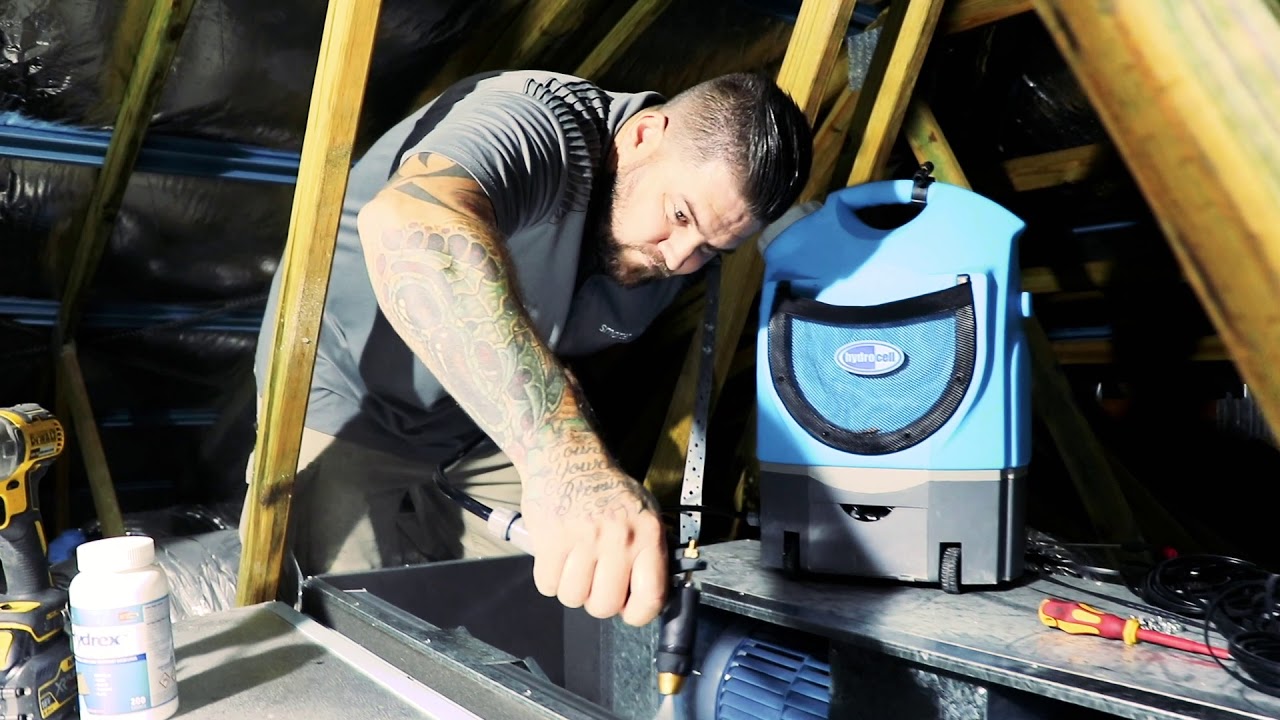
Starting your own A/C cleaning business in Australia? Well, you’ve come to the right place! Whether you’re an experienced tradie or just dipping your toes into the HVAC world, having the right tools can make all the difference. And trust me, one of the most important tools you'll need is a portable pressure washer. In this fun and easy-to-follow guide, we’ll help you figure out exactly what to look for so you can clean A/C units like a pro. Let’s get started!
Table of Contents
- Understanding the Australian HVAC Cleaning Market
- Types of Pressure Washers for HVAC Cleaning
- Choosing the Right PSI and GPM for HVAC Cleaning
- Portability and Ease of Use for Australian Tradies
- Durability and Weather Resistance for Australian Conditions
- Maintenance Tips to Extend the Life of Your Pressure Washer
- Price Range and Budget Considerations for Australian Tradies
- Conclusion
Understanding the Australian HVAC Cleaning Market
In Australia, HVAC systems work overtime, from blistering hot summers to chilly winters. Air conditioners in homes and businesses constantly circulate air, and over time, dirt, mold, and grime can build up in the units. Regular cleaning is essential to keep these systems running efficiently and prolong their lifespan.
But cleaning these units manually can be a time-consuming and dirty task. That’s where portable pressure washers come in handy. With a powerful blast of water, they can remove the stubborn dirt and grime lodged inside A/C units, making your job easier and more efficient.
Types of Pressure Washers for HVAC Cleaning
When it comes to choosing a pressure washer, it’s important to understand the different types available. The two main types of portable pressure washers you’ll encounter are electric and petrol-powered.
Electric vs. Petrol-Powered Pressure Washers
Electric pressure washers are perfect for smaller HVAC cleaning tasks. They’re lightweight, easy to transport, and don’t require fuel, which makes them more environmentally friendly. However, they’re typically less powerful than their petrol-powered counterparts, which may make them less suitable for large-scale commercial HVAC cleaning projects.
Petrol-powered pressure washers, on the other hand, pack more of a punch. They’re ideal for tough, large-scale jobs that require a lot of power, such as cleaning industrial A/C units. While they’re heavier and require fuel, the added power makes them a great choice for tradies who need to tackle big jobs.
One of our clients, Mark, runs an HVAC cleaning business in Queensland. He started with an electric pressure washer for residential jobs but soon upgraded to a petrol-powered unit when he began taking on more commercial clients. “The petrol washer was a game changer,” Mark shared. “It cut down my cleaning time by half and gave me the power I needed for the bigger jobs.”

For a powerful and versatile option, check out the Hydrocell Tradie Tough Portable Pressure Washer w/ 17 Litre Tank. This unit strikes the perfect balance between portability and power, making it a great choice for Australian business owners.
Choosing the Right PSI and GPM for HVAC Cleaning
Two critical factors when choosing a pressure washer are PSI (pounds per square inch) and GPM (gallons per minute). Understanding these terms can help you select a pressure washer that’s suitable for your needs.
What is PSI and Why Does It Matter?
PSI refers to the pressure of the water being pushed out of the machine. For HVAC cleaning, you’ll want a PSI rating that’s strong enough to remove dirt and grime but not so strong that it damages the unit. Typically, a PSI of 1500 to 2000 is sufficient for cleaning residential A/C units. For larger, commercial jobs, you may need a washer with a PSI of 3000 or higher.
Understanding GPM (Gallons Per Minute)
GPM measures the flow rate of water through the pressure washer. A higher GPM means more water is being used to wash away dirt and debris. For HVAC cleaning, a GPM of 1.5 to 2.5 is generally suitable. This will ensure you’re using enough water to thoroughly clean the units without wasting water.

Looking for an all-in-one solution? The Hydrocell A/C Clean Kit includes everything you need to start your HVAC cleaning business, including a portable pressure washer, spray wand, and more.
Portability and Ease of Use for Australian Tradies
When choosing a pressure washer, portability is key. As an A/C cleaning business owner, you’ll likely be moving from job to job, sometimes in remote or hard-to-reach areas. A portable, lightweight pressure washer is essential for making your job easier.

Compact Designs for Easy Transportation
Many tradies opt for compact pressure washers with built-in water tanks that are easy to transport. The Hydrocell Tradie Tough Portable Pressure Washer w/ 17 Litre Tank is a popular choice among HVAC techs in Australia due to its portability and built-in tank, which allows you to work even when you’re far from a water source.

Pressure Washer Accessories for HVAC Cleaning
In addition to choosing a portable unit, you’ll also want to invest in the right accessories. Items like extension hoses, specialized nozzles, and detergent tanks can make your cleaning job even easier and more effective. For example, the Hydrocell Tradie Lead Wall Charger ensures that your pressure washer is always charged and ready to go.
Durability and Weather Resistance for Australian Conditions
Australia’s climate can be tough on equipment. From scorching summers to rainy winters, your pressure washer needs to be durable enough to withstand all weather conditions.
Pressure Washers Built to Withstand Australian Weather
Look for pressure washers made from high-quality materials that are designed to resist corrosion, especially if you’re working near the coast where saltwater can be an issue. Durability is key for tradies working outdoors in Australia’s ever-changing weather conditions.
Maintenance Tips to Extend the Life of Your Pressure Washer
Once you’ve invested in a quality pressure washer, you’ll want to keep it in top shape. Regular maintenance is essential to ensure that your pressure washer continues to perform well for years to come.
Regular Cleaning and Inspection
Make it a habit to regularly clean and inspect your pressure washer. Check for any signs of wear and tear, such as cracked hoses or damaged nozzles. Cleaning the filters and flushing the system after each use can help prevent clogs and keep your machine running smoothly.
Replacing Worn Parts
Over time, certain parts of your pressure washer may wear out and need replacing. Nozzles, O-rings, and hoses are some of the most commonly replaced parts. By keeping your pressure washer in good condition, you’ll be able to extend its lifespan and avoid costly repairs down the line.
Price Range and Budget Considerations for Australian Tradies
Finally, it’s important to consider your budget when choosing a pressure washer. While it’s tempting to go for the cheapest option, investing in a quality machine can save you money in the long run by reducing downtime and maintenance costs.
Affordable Pressure Washer Brands in Australia
Fortunately, there are plenty of affordable pressure washer brands available in Australia that offer high-quality machines without breaking the bank. The Hydrocell range is a great place to start if you’re looking for a balance between affordability and performance.

Conclusion
Choosing the right pressure washer is an important decision for any business owner starting an HVAC cleaning business in Australia. By considering factors like PSI, GPM, portability, and durability, you can find a pressure washer that meets your needs and helps you build a successful business.
For more information on the best pressure washers for HVAC cleaning, check out the range of Hydrocell products available at HVAC Shop.
With the right tools in hand, you’ll be well on your way to success in Australia’s growing HVAC cleaning industry.