
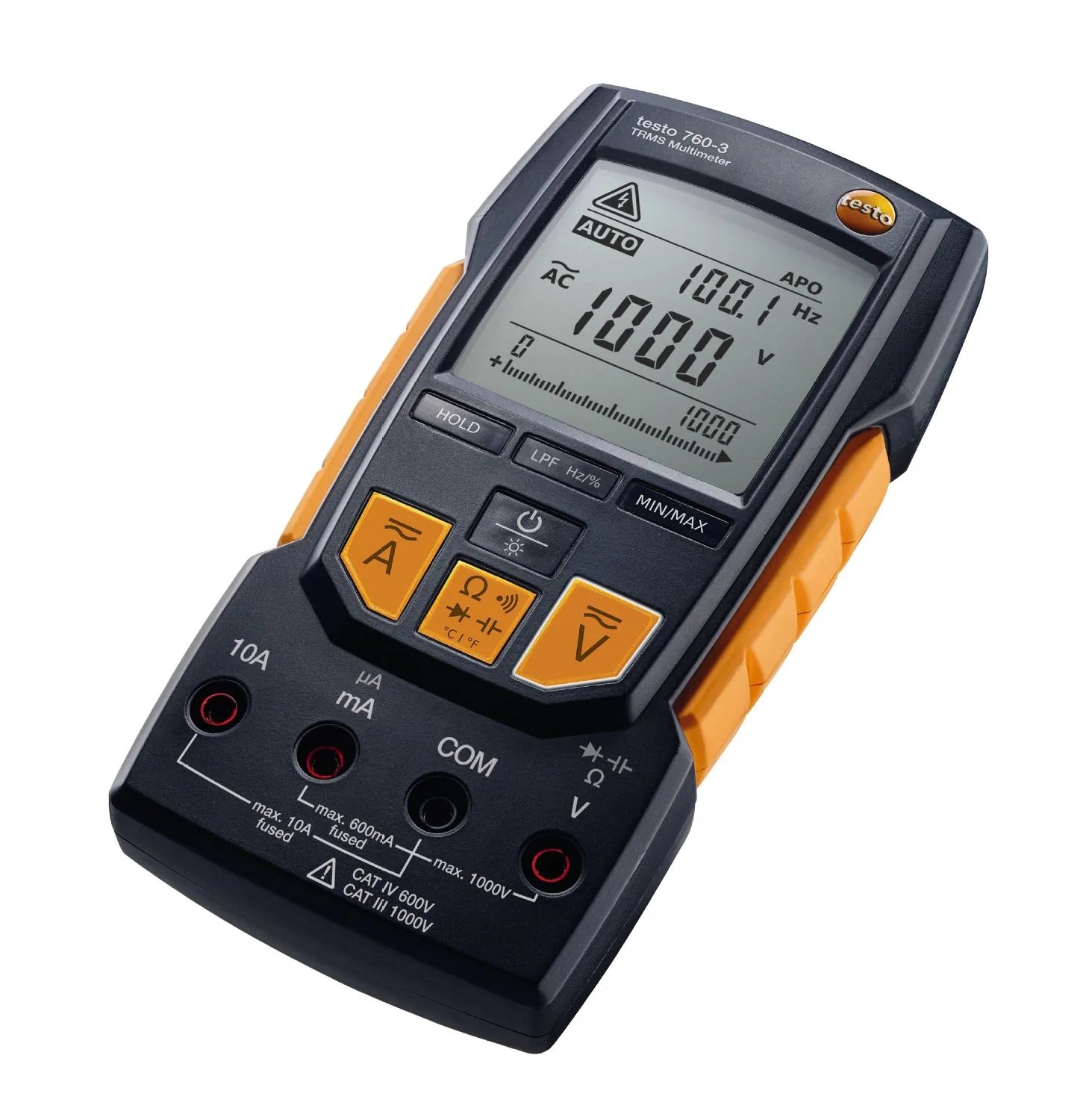
Analog vs Digital Multimeter: What Actually Matters on the Job
If you are choosing between an analog and digital multimeter, you are not just picking a tool — you are choosing how you read and understand electrical behaviour on the job.
Both types measure voltage, current, and resistance, but they behave very differently in real HVAC conditions. That difference affects how quickly you diagnose faults, how confident you are in readings, and how efficiently you work.
If you are comparing options, the current range of multimeters and electrical test tools includes both traditional and modern units suited for HVAC diagnostics.
What a Multimeter Actually Does in HVAC Work

A multimeter is one of the most important diagnostic tools in HVAC work. It allows you to test voltage supply, check continuity, measure resistance, and confirm whether components like compressors, capacitors, and circuit boards are working correctly.
Without a multimeter, you are guessing. With one, you are diagnosing.
That is why the choice between analog and digital matters more than most people think.
The Core Difference: Needle vs Numbers
The biggest difference between analog and digital multimeters is how they display information.
An analog multimeter uses a moving needle across a scale. A digital multimeter shows a number on a screen.
That sounds simple, but it changes how you interpret readings in real situations.
Analog meters can show changes in electrical behaviour faster than digital screens, making them useful for tracking fluctuations.
How Analog Multimeters Work
Analog multimeters use a mechanical movement driven by current flow. Inside the meter is a galvanometer that moves a needle based on electrical input.
This makes them very good at showing trends. You can see movement, not just a number.
For example, if voltage is fluctuating, the needle will swing. That visual feedback can sometimes be easier to interpret than rapidly changing digital numbers.
Where Analog Still Makes Sense
Analog meters are still useful in certain situations:
Watching voltage changes in real time
Tracking unstable signals
Tuning or balancing systems
They are especially helpful when you care more about behaviour than exact numbers.
Limitations of Analog Multimeters
Despite their strengths, analog meters have limitations:
Lower accuracy
Harder to read precisely
Manual range selection
More room for user error
This is why they are no longer the primary tool for most HVAC technicians.
How Digital Multimeters Work
Digital multimeters convert electrical signals into numerical values displayed on a screen. This makes readings easier to interpret and significantly more accurate.
A modern digital multimeter often includes auto-ranging, continuity testing, temperature measurement, and advanced diagnostic features.
Why Digital Multimeters Dominate HVAC Work
Digital meters have become the standard because they:
Provide higher accuracy
Reduce reading errors
Simplify diagnostics
Include multiple functions in one tool
For most technicians, this means faster and more reliable troubleshooting.
If you are troubleshooting modern HVAC systems with control boards, always use a high-impedance digital multimeter to avoid inaccurate readings.
Analog vs Digital Multimeter Comparison
| Feature | Analog Multimeter | Digital Multimeter |
|---|---|---|
| Display | Needle | Numeric |
| Accuracy | Moderate | High |
| Ease of Use | Lower | High |
| Speed of Interpretation | Fast (visual) | Fast (numeric) |
| Best Use | Trend monitoring | Precise diagnostics |
Display Differences in Real HVAC Work
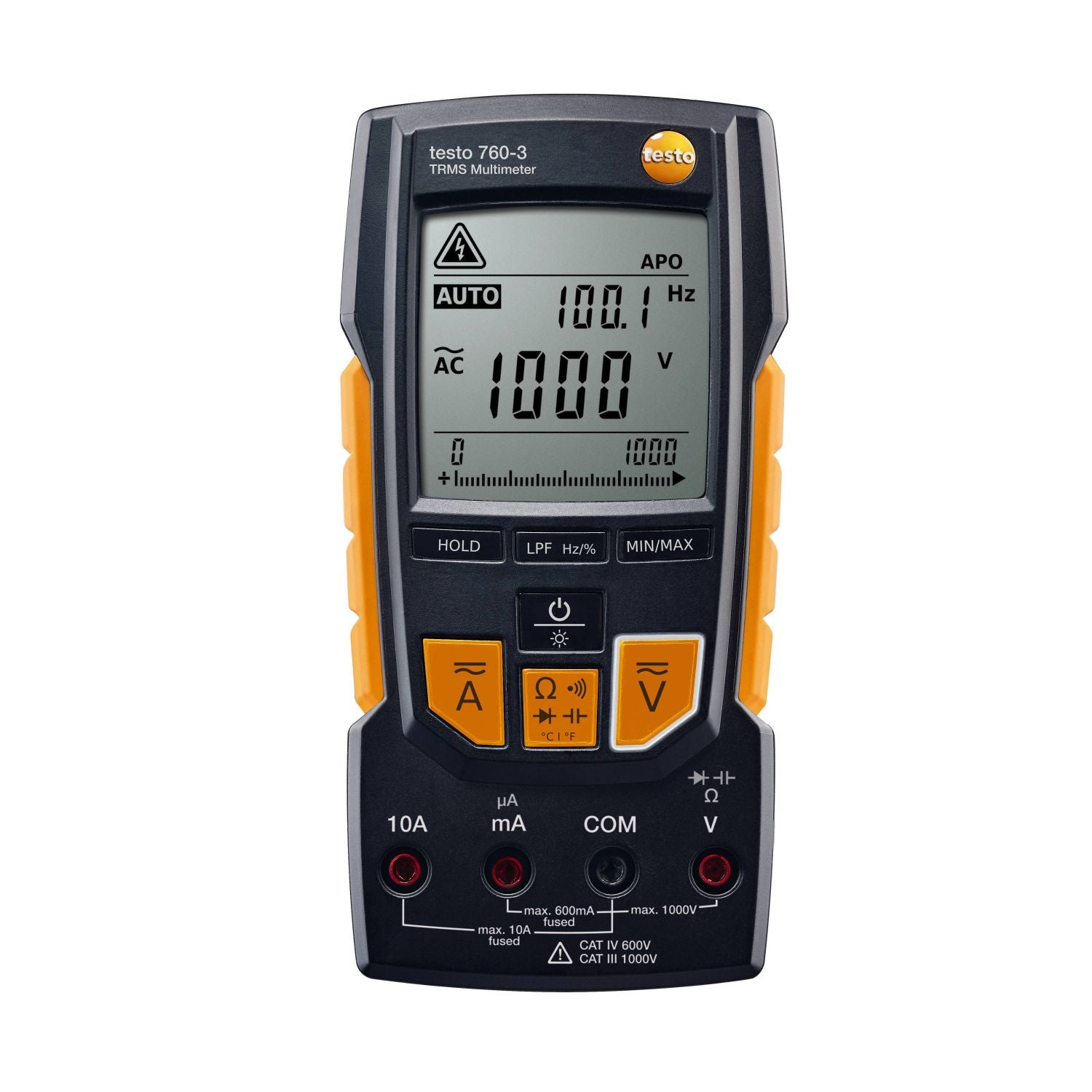
In real-world conditions, digital meters provide clarity. You get an exact number, which removes guesswork.
Analog meters provide movement. You see trends, which can be helpful when diagnosing unstable systems.
Both approaches have value, but digital wins in most HVAC scenarios because precision matters more than visual trend tracking.
Which Multimeter Should HVAC Technicians Use?
For most HVAC technicians, a digital multimeter is the better choice.
It allows you to diagnose faults faster, measure accurately, and work confidently across a wide range of systems.
Analog meters are still useful in niche situations, but they are no longer the primary tool.
Common HVAC Testing Scenarios
Multimeters are used daily in HVAC work for:
Checking voltage supply
Testing capacitors
Diagnosing compressors
Verifying control circuits
Identifying wiring faults
A reliable HVAC multimeter helps prevent misdiagnosis and reduces unnecessary part replacement.
Common Mistakes When Using Multimeters
Many issues come from incorrect use rather than faulty tools.
Using the wrong range
Poor probe contact
Incorrect settings
Low-quality meters
Modern digital multimeters reduce these risks significantly.
Digital multimeters typically have higher input impedance, which prevents circuit loading and improves measurement accuracy.
Final Thoughts
Analog and digital multimeters both have their place, but digital meters dominate modern HVAC work because they are more accurate, easier to use, and more versatile.
If you are working across residential or commercial HVAC systems, investing in a reliable digital multimeter is one of the smartest upgrades you can make.
👉 Browse multimeters and test tools here
FAQ
Is a digital multimeter more accurate?
Yes, digital multimeters provide higher accuracy and clearer readings.
Do HVAC technicians still use analog meters?
Yes, but mostly for specialised use like monitoring fluctuations.
Which is better for beginners?
Digital multimeters are easier to use and more beginner-friendly.
Can multimeters test HVAC components?
Yes, they are essential for diagnosing electrical faults in HVAC systems.