
Vacuum Pumps for HVAC & Refrigeration – Javac, Wipcool, Fieldpiece & More
25 products
Showing 25 - 25 of 25 products
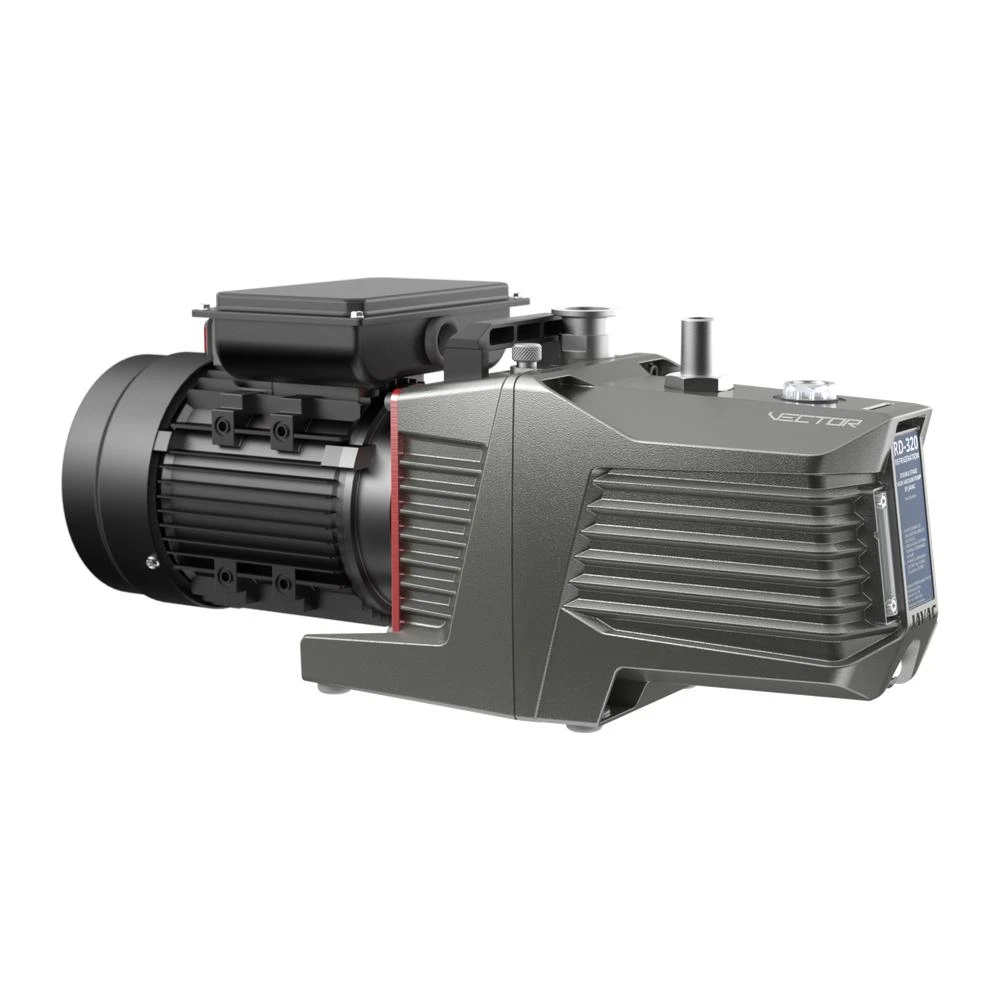
Reliable, high-vacuum pumps for HVAC/R evacuation.
Achieve faster pull-downs and deep vacuums with our range of 2-stage vacuum pumps. Whether you are commissioning residential splits or large commercial VRF systems, we stock pumps designed for Australian conditions from trusted brands.
Quick Guide: Sizing Your Vacuum Pump
| Application | Recommended Flow | Best Setup |
|---|---|---|
| Residential Splits | 40 - 100 L/min (2-4 CFM) | Standard 2-Stage Pump + Micron Gauge. |
| Large Commercial / VRF | 150 - 300+ L/min (6-12 CFM) | High Flow Pump + Wide-Bore Hoses + Core Removal Tools. |
| Automotive A/C | 40 - 80 L/min | Compact Single or Dual Stage Pump. |
The "Fast Evacuation" Formula
A pump alone isn't enough. To speed up your evacuation time by up to 50%, follow these rules:
- Remove Cores: Valve cores restrict flow by 90%. Always use a Core Removal Tool.
- Use Large Hoses: 1/4" hoses are for charging, not evacuating. Use a 3/8" or 1/2" Evacuation Hose.
- Verify with Microns: Analogue gauges are inaccurate for vacuum. Use a Digital Micron Gauge to prove you hit 500 microns.
- Change Oil: Wet/cloudy oil kills pump performance. Change your Vacuum Oil frequently.
Maintenance
To keep your equipment running efficiently and extend its lifespan, routine care is essential. Always monitor your fluid condition and levels before a job; replace dirty, milky, or contaminated fluids with premium vacuum pump oil to ensure your pump continues to pull deep, fast vacuums.
The Professional Complete Setup
For a fully integrated commissioning workflow, pair your vacuum pump and micron gauge with high-precision digital manifold gauges. This allows you to transition seamlessly from a deep vacuum to system charging while monitoring superheat and subcooling in real-time via Bluetooth-connected apps.