
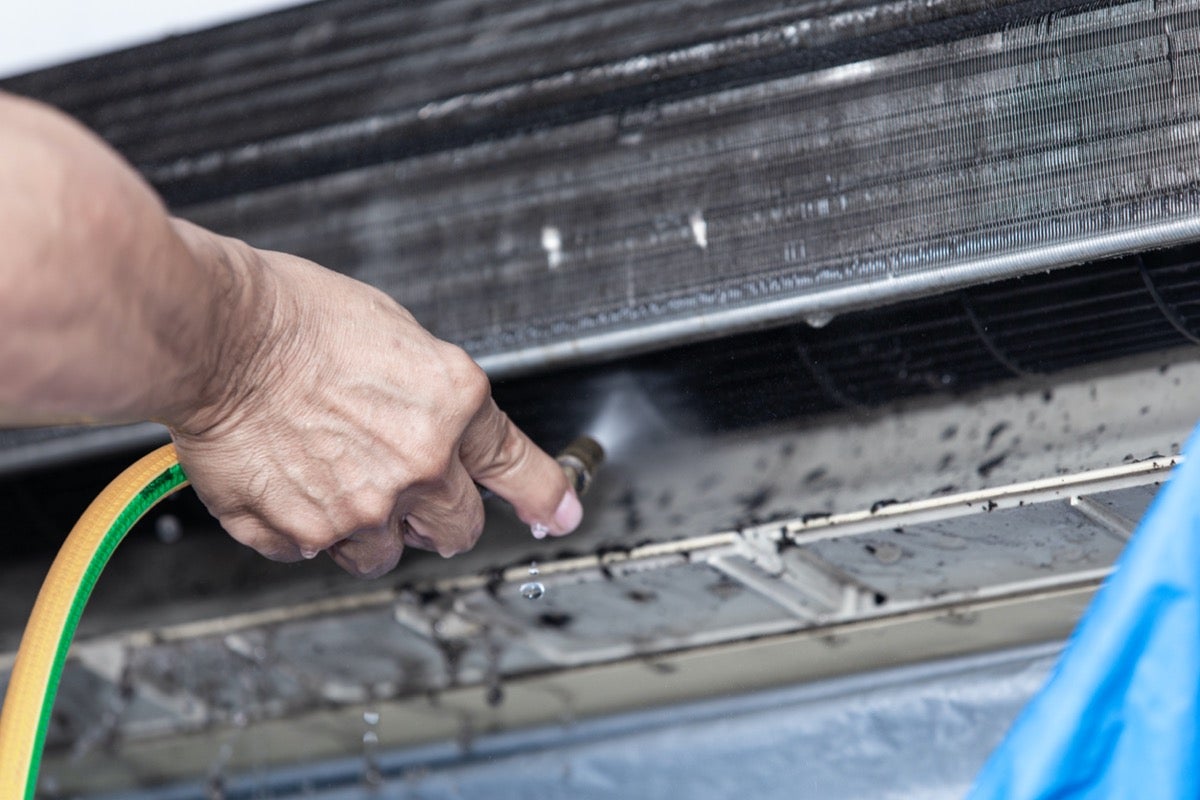
Pressure Washer for Coil Cleaning: Optimize Your HVAC Efficiency
If you're a homeowner or a property manager, you know that HVAC systems are the heart and soul of indoor comfort. Keeping them running smoothly is a top priority, and one key aspect of that is maintaining the cleanliness of the HVAC coils. This is where the use of a portable pressure washer comes in - it's a game-changer, providing countless benefits for those invested in maintaining efficient HVAC systems.
In this blog, we're diving into the benefits of using a portable pressure washer for HVAC coil cleaning. By the end, you'll see why this powerful tool is a must-have for maintaining your system's longevity, performance, and overall cost efficiency.
What Is a Portable Pressure Washer?
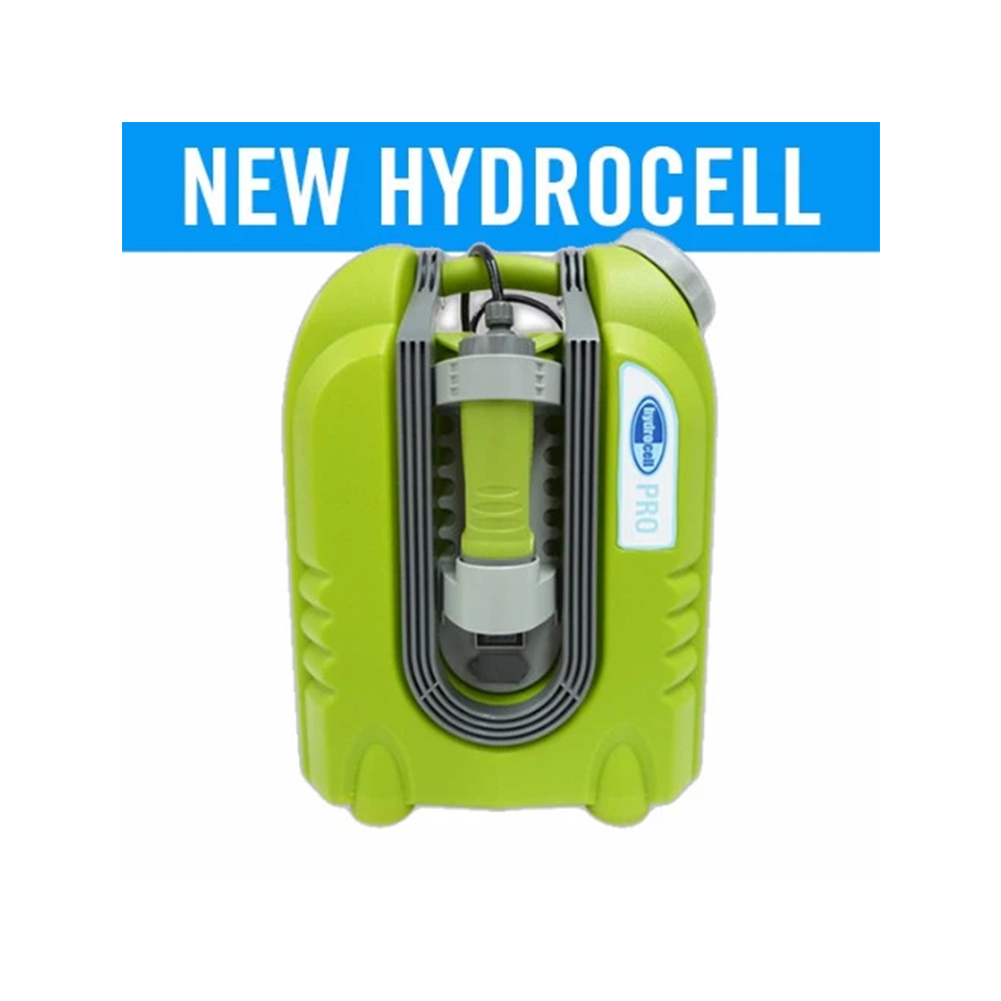
A portable pressure washer is a compact, easily maneuverable cleaning tool that uses high-pressure water spray to remove dirt, dust, grime, mold, and other contaminants. They're designed for ease of transport, making them the perfect tool for cleaning hard-to-reach areas such as HVAC coils.
Benefits of Using a Portable Pressure Washer for HVAC Coils
-
Improved Efficiency The primary benefit of using a portable pressure washer to clean HVAC coils is improved system efficiency. Over time, dust, dirt, and debris can accumulate on the coils, reducing their heat transfer capabilities. This buildup forces your system to work harder, resulting in decreased efficiency and increased energy consumption. A portable pressure washer effectively cleans these coils, restoring their efficiency and saving you money on your energy bill.
-
Extended Equipment Life Regular cleaning with a portable pressure washer can extend the life of your HVAC system. When dirt and grime build up, it can cause the system to overheat, leading to early component wear and tear. By keeping your coils clean, you can prevent this early degradation and prolong the life of your equipment.
-
Improved Indoor Air Quality Clean coils equate to clean air. A portable pressure washer not only cleans the coils but also helps to reduce the buildup of harmful contaminants such as mold and bacteria. This leads to improved indoor air quality, reducing allergens and improving the overall health and comfort of your living or working space.
-
Ease of Use and Versatility Portable pressure washers are user-friendly and versatile. They can be used to clean a variety of different surfaces and locations, including hard-to-reach areas. Most models come with various nozzles and attachments that make cleaning your HVAC coils a breeze.
-
Cost-Effective Maintenance Regular coil cleaning with a portable pressure washer can help avoid costly repairs or replacements. Because they keep your system running efficiently and prevent early wear and tear, these washers ultimately pay for themselves in the long run.
Choosing the Right Portable Pressure Washer for Your HVAC Coils
Not all portable pressure washers are created equal. When choosing a washer for your HVAC coil cleaning, consider factors such as PSI (Pounds per Square Inch) rating, GPM (Gallons per Minute) rating, the type of nozzle, and the washer's portability. Make sure to select a model that matches the size and specifications of your HVAC system to ensure effective and safe cleaning.
Maintaining Your Portable Pressure Washer
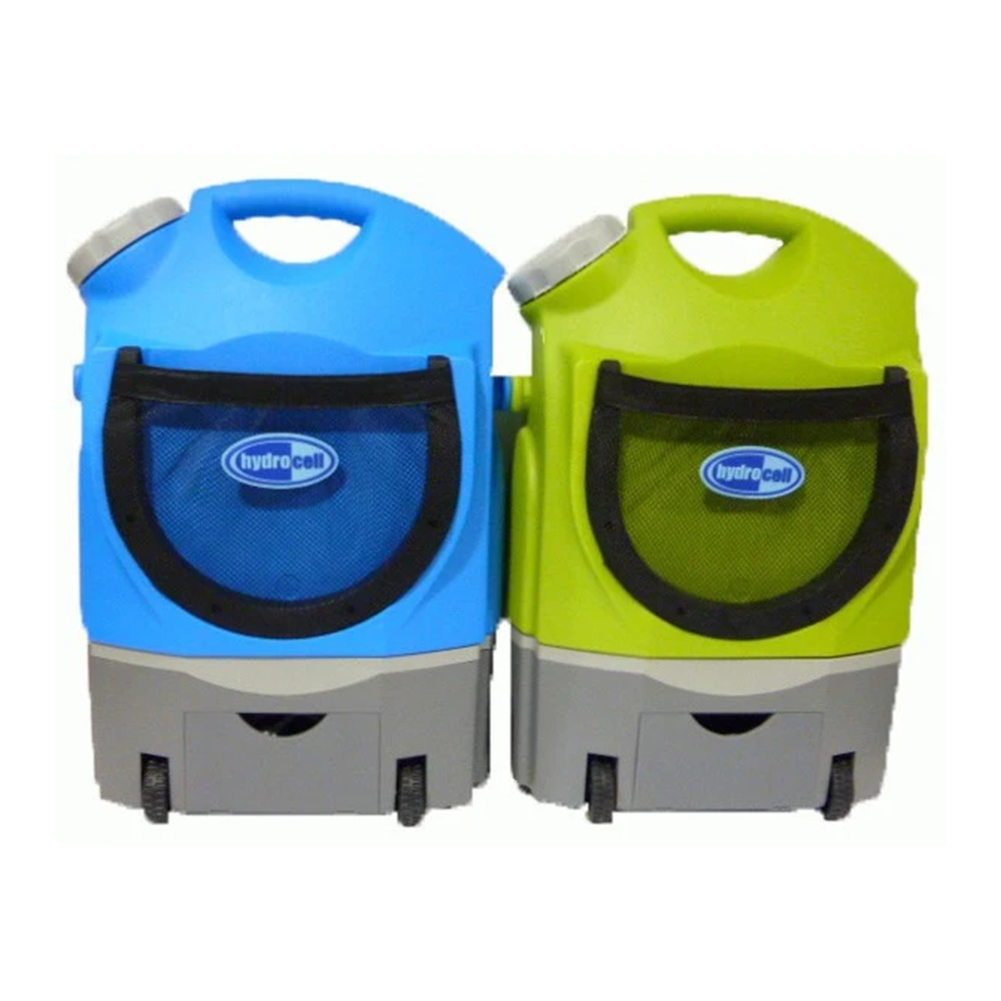
It's not enough just to have a portable pressure washer; maintaining it is equally important to ensure its longevity and effectiveness. Here are a few tips to keep your washer in top shape:
-
After-Use Care After each use, thoroughly rinse the pressure washer to remove any remaining soap or debris. Allow it to dry before storing to prevent the growth of mold or mildew.
-
Regular Inspections Periodically inspect your pressure washer for any visible signs of damage, such as cracks or leaks. Also, check the hoses and nozzles for any blockages. If you find any issues, address them promptly to prevent them from worsening.
-
Proper Storage Store your portable pressure washer in a clean, dry place away from direct sunlight and extreme temperatures. This will protect its components from damage and extend its lifespan.
Safety Tips When Using a Portable Pressure Washer
Portable pressure washers are powerful tools, and they should be handled with care to avoid injuries. Here are some safety tips to keep in mind when using your washer:
-
Use Protective Gear Always wear protective gear, such as safety goggles, gloves, and sturdy footwear, when operating your portable pressure washer. This will protect you from high-pressure water and any debris that may be dislodged during cleaning.
-
Read the Manual Before using your washer, read and understand the user manual. It provides valuable information on how to operate your tool safely and efficiently.
-
Maintain a Safe Distance Never point the pressure washer at yourself or others. Maintain a safe distance between the washer and the surface you're cleaning to prevent injuries from the high-pressure water spray.
-
Don't Force It If a certain area isn't getting clean, don't try to force it by moving the nozzle closer or increasing the pressure. This can damage the surface or your pressure washer. Instead, try using a different cleaning solution or nozzle.
Final Thoughts
Whether you're a seasoned HVAC professional, a property manager, or a DIY-savvy homeowner, a portable pressure washer is an essential tool for maintaining the efficiency and longevity of your HVAC system. By investing in this handy tool and using it correctly, you can enjoy a clean, comfortable, and healthy living or working environment while saving money on energy bills and repair costs.
In a world where clean air and energy efficiency are increasingly important, the advantages of using a portable pressure washer for HVAC coils cannot be overstated. It's a small investment that can lead to significant benefits – better air, lower costs, and a more comfortable indoor environment. It's a win-win situation for all!
With our comprehensive guide to the benefits of using a portable pressure washer for HVAC coil cleaning, we hope you're now equipped with the knowledge to make an informed decision. So, why not add a portable pressure washer to your tool arsenal today and experience the benefits for yourself?
Remember, if you need any further advice on maintaining your HVAC system or choosing the right tools, our team at HVAC Shop is here to help. We're dedicated to providing top-quality products and expert advice to help you achieve optimal comfort and efficiency in your home or business. Contact us today to learn more!