
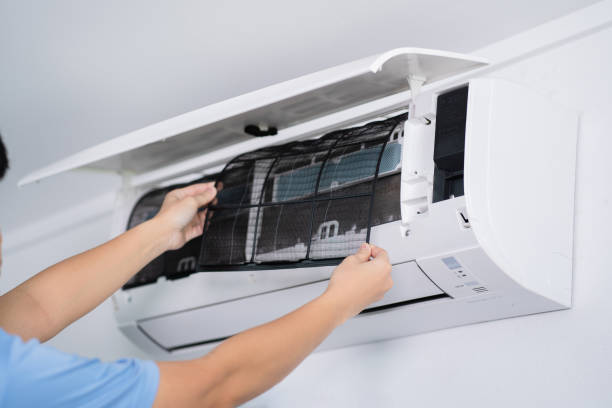
Hey there, HVAC pros! Looking for a way to make HVAC system cleaning not just easy but fun? (Well, as fun as cleaning can be!) You're in the right place. Portable pressure washers aren't just nifty little gadgets—they're your new best friend in the fight against grime, dust, and debris! Grab a seat, and let's dive into the wonderful world of portable pressure washers. Trust us, by the end of this, you'll wonder how you ever lived without one.
Table of Contents
- The Magic of Portable Pressure Washers
- The Indispensable Tool for HVAC Cleaning
- Choosing the Right Portable Pressure Washer for Your HVAC Needs
- The Power of Portable Pressure Washers in Action: Use-Cases
- Care and Safety Measures
- In Conclusion
The Magic of Portable Pressure Washers
A portable pressure washer is more than just a cleaning tool—it's a ticket to easy, fast, and efficient maintenance. These devices use high-pressure water sprays to remove dirt, dust, grime, and mould from different surfaces, making them ideal for tackling the stubborn buildup often found in HVAC systems.
When portability is thrown into the mix, pressure washers become a godsend for HVAC professionals who need to manoeuvre around complex installations. Their compact design and mobility offer a freedom of movement that's often missing in traditional cleaning methods.
The Indispensable Tool for HVAC Cleaning

For HVAC professionals, one of the most challenging tasks is maintaining the cleanliness of the system. It's not just about aesthetics—dust and grime can significantly impair the efficiency of an HVAC system, leading to subpar performance and higher energy consumption.
Enter portable pressure washers. Their high-pressure spray can reach those hard-to-access spots, dislodging debris without the need for manual scrubbing. Whether you're dealing with outdoor condenser coils, air ducts, or vents, these washers can handle the job with ease, slashing the time spent on cleaning by a significant margin.
Choosing the Right Portable Pressure Washer for Your HVAC Needs
The market for portable pressure washers is vast, with various models offering a range of features. As an HVAC professional, you need a washer that's not only portable and efficient but also suitable for the specific needs of HVAC cleaning. Here are some key factors to consider when choosing your washer:
- Pressure and Flow Rate: The pressure, measured in pounds per square inch (PSI), and the flow rate, measured in gallons per minute (GPM), determine the cleaning power of your washer. Higher PSI and GPM mean more cleaning power. However, remember that HVAC systems can be delicate, so it's important to choose a washer with adjustable pressure to avoid damage.
- Portability: Look for a washer that's easy to move around, especially if you need to clean multi-level installations. Models with sturdy wheels and handles are a good bet.
- Power Source: Pressure washers can be powered by electricity or gas. While electric models are quieter and require less maintenance, gas models typically offer more power. The choice depends on your cleaning requirements and accessibility to a power source.
- Hot/Cold Water Functionality: As mentioned, some cleaning tasks may require hot water. In such cases, a pressure washer with a heating element can be incredibly beneficial.
- Attachments and Accessories: Some pressure washers come with a variety of attachments such as rotating brushes, adjustable spray nozzles, or special coil cleaning tools, which can improve cleaning efficiency and flexibility. These can be game-changers when dealing with the intricacies of HVAC systems.
The Power of Portable Pressure Washers in Action: Use-Cases
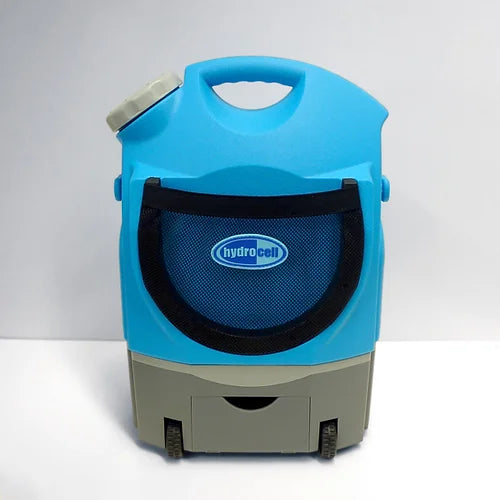
1. Condenser Coil Cleaning
Outdoor condenser coils can become dirty due to exposure to the elements, reducing the efficiency of the HVAC system. Manual cleaning can be tedious and time-consuming. But with a portable pressure washer, this task can be accomplished quickly and effectively. Remember to use a gentle spray to avoid damaging the delicate fins on the coils.
2. Ductwork and Vent Cleaning
Air ducts and vents are prone to accumulating dust and debris, which can impede air flow and degrade indoor air quality. With the right attachments, a portable pressure washer can reach into these areas and remove build-up without the need for extensive disassembly.
3. HVAC Unit Restoration
In cases where HVAC units have been neglected for a while, a more intensive cleaning might be needed. With the ability to use hot water, and even the addition of safe cleaning solutions, portable pressure washers can restore these units to their former glory.
4. Pre-Season Cleaning
Before the heating or cooling season begins, it's common for HVAC professionals to conduct a comprehensive cleaning of the entire system. A portable pressure washer can simplify this task, making it possible to complete the cleaning more thoroughly and in less time.
Care and Safety Measures
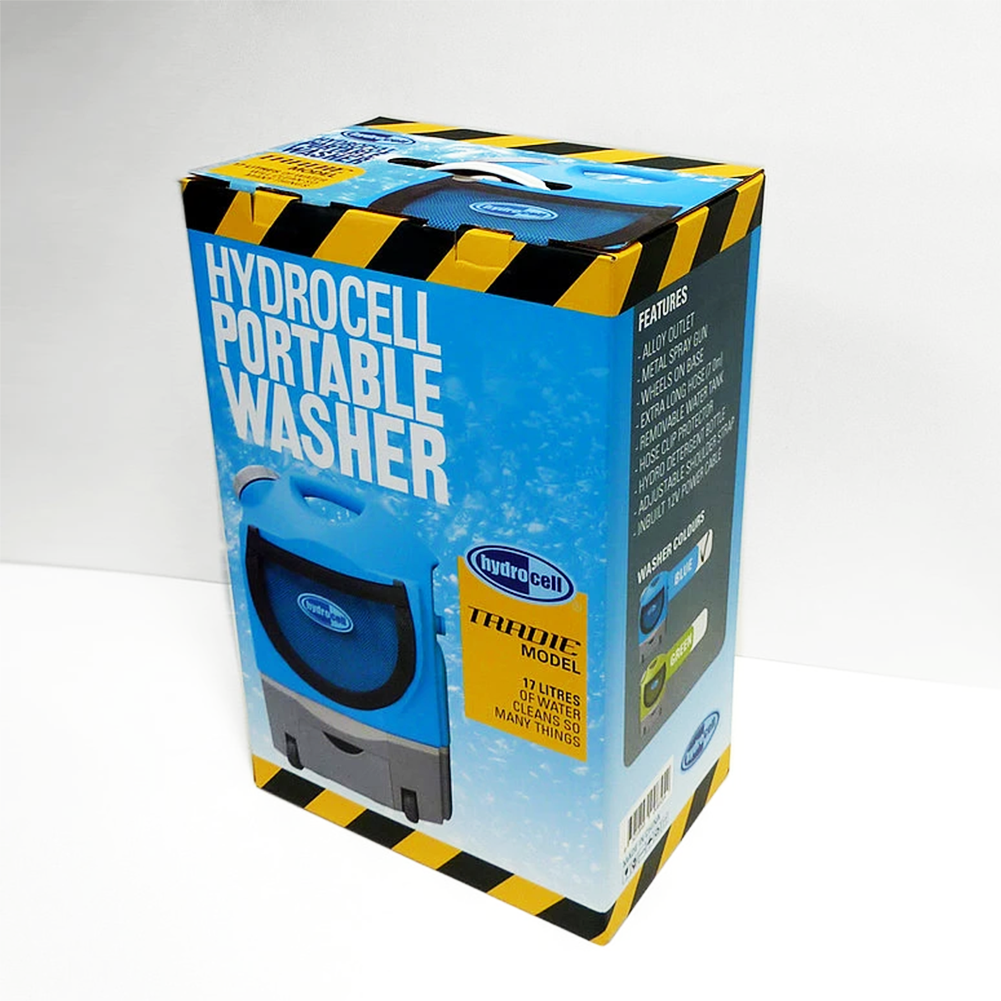
While portable pressure washers are relatively easy to use, they should be handled with care. Here are some tips to ensure safe and effective operation:
- Always read the user manual before using a new pressure washer.
- Avoid spraying water directly at electrical components or controls.
- Use protective gear such as goggles and gloves to safeguard against accidental spray back.
- Regularly inspect the pressure washer for any signs of wear or damage.
- Ensure that the water supply is adequate and at the correct pressure before starting the pressure washer.
In Conclusion
Portable pressure washers are undeniably a game-changer for HVAC professionals, simplifying and speeding up the cleaning process. By choosing a washer that fits your specific needs and learning how to use it effectively, you can keep HVAC systems running at peak performance, ensuring the comfort of your clients and prolonging the lifespan of their units.
Remember, cleanliness is not just about aesthetics—it's about functionality, efficiency, and durability. In the world of HVAC, a portable pressure washer isn't just a tool; it's a companion that ensures the systems you handle deliver the performance they were designed for.
By investing in the right portable pressure washer, you're investing in the longevity of your clients' HVAC systems, the quality of their indoor air, and ultimately, their satisfaction with your services. After all, in the highly competitive HVAC industry, every edge counts—and a portable pressure washer is one edge you won't want to miss.
Happy cleaning!