
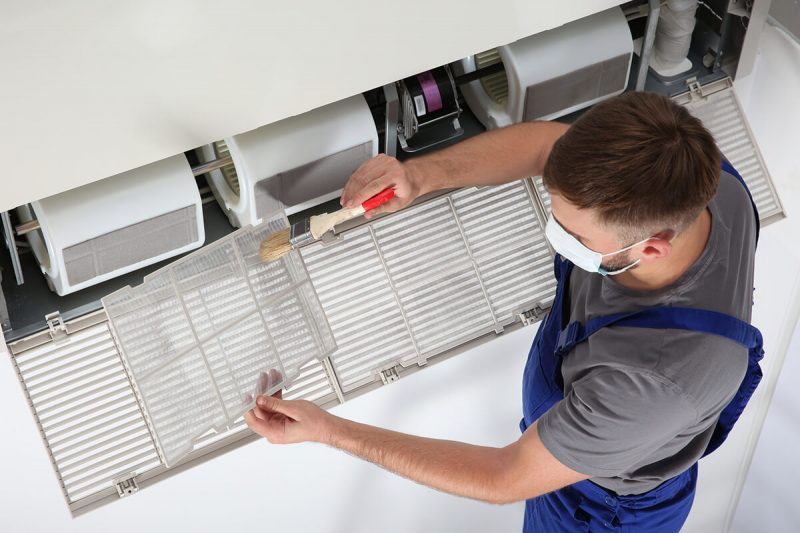
How to Start an AC Cleaning Business in Australia: The Ultimate Guide
Australia’s summers aren’t mucking around. From scorching Sydney heatwaves to the sticky humidity of Brisbane and Darwin, air conditioners have become essential for comfort. But here’s the catch—most Aussies don’t realise how much grime, dust, and mould builds up inside their split systems.
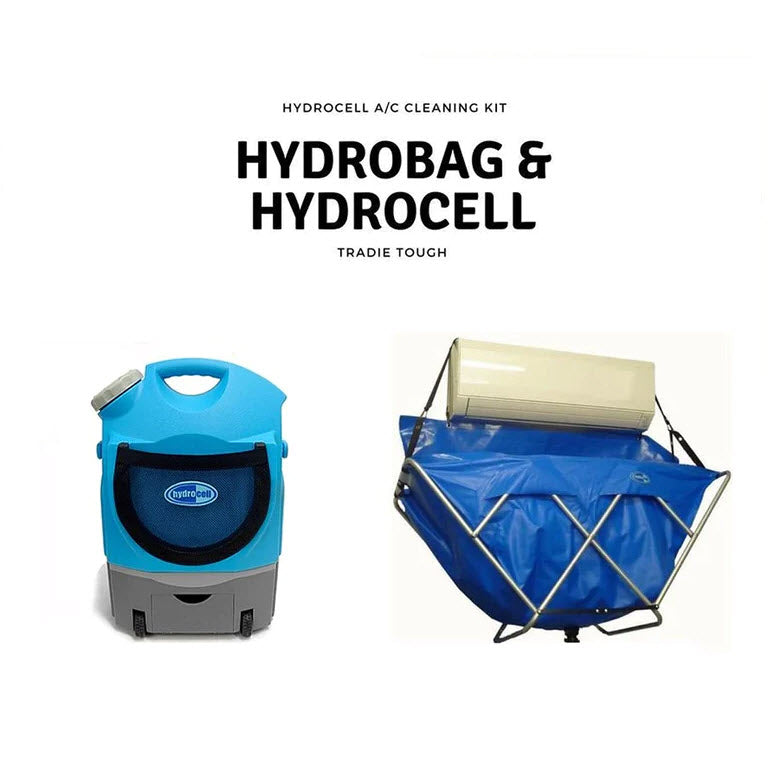
This gap has opened a strong opportunity for entrepreneurial Aussies: starting your own AC cleaning and servicing business. With the right tools—particularly AC cleaning kits and wash bags—you can deliver professional, mess-free cleans that homeowners, landlords, and even strata managers expect.
But how do you go from idea to income? That’s where this guide comes in. We’ll walk through how to set up your operation properly, choose the right tools, and build a reliable workflow that customers trust.
Why It Matters: The Business Case for AC Cleaning
Air conditioners are everywhere—from suburban homes in Melbourne to strata-managed apartments in Sydney. As systems age, more households realise cleaning is essential for efficiency, energy savings, and indoor air quality. This creates consistent demand for reliable service providers.
Professional cleaning also comes down to presentation. Homeowners expect zero mess, especially in living spaces. Using proper wash bag systems and cleaning kits ensures your work looks clean, controlled, and professional.
Startup costs are low compared to most trades. You don’t need heavy equipment or complex licensing for basic cleaning work. A solid kit, some basic tools, and consistent service quality are enough to get started.
How It Works: The Role of Proper Cleaning Equipment
Your cleaning setup becomes your signature. A proper wash bag setup allows you to clean indoor units safely without damaging walls, flooring, or furniture.
The process is simple but powerful. You secure the bag around the indoor unit, apply coil cleaner, rinse the system, and capture all wastewater cleanly into a bucket. This keeps the job tidy and repeatable.
As you scale, consistency is what wins repeat work. Using the same reliable cleaning tools and wash systems ensures every job meets the same standard.
Aussie Tips: Starting Your AC Cleaning Business
Understanding your local market is key. In cities like Sydney and Melbourne, strata work rewards professionalism and consistency. In Brisbane and Darwin, mould prevention becomes a strong selling point due to humidity. Regional areas often value reliability and availability over anything else.
Keep your setup simple at the start. A reliable cleaning kit, a pressure sprayer or washer, and a proper catchment system will cover most residential jobs. As demand grows, you can expand your setup.
Branding also matters more than most people think. Australians tend to trust local businesses, especially when they present clean, professional work. A simple logo and consistent service quality will take you further than complicated marketing.
Best Equipment to Start With
When starting out, your focus should be on reliability and efficiency. A proper AC cleaning kit gives you everything needed to complete jobs professionally without cutting corners.
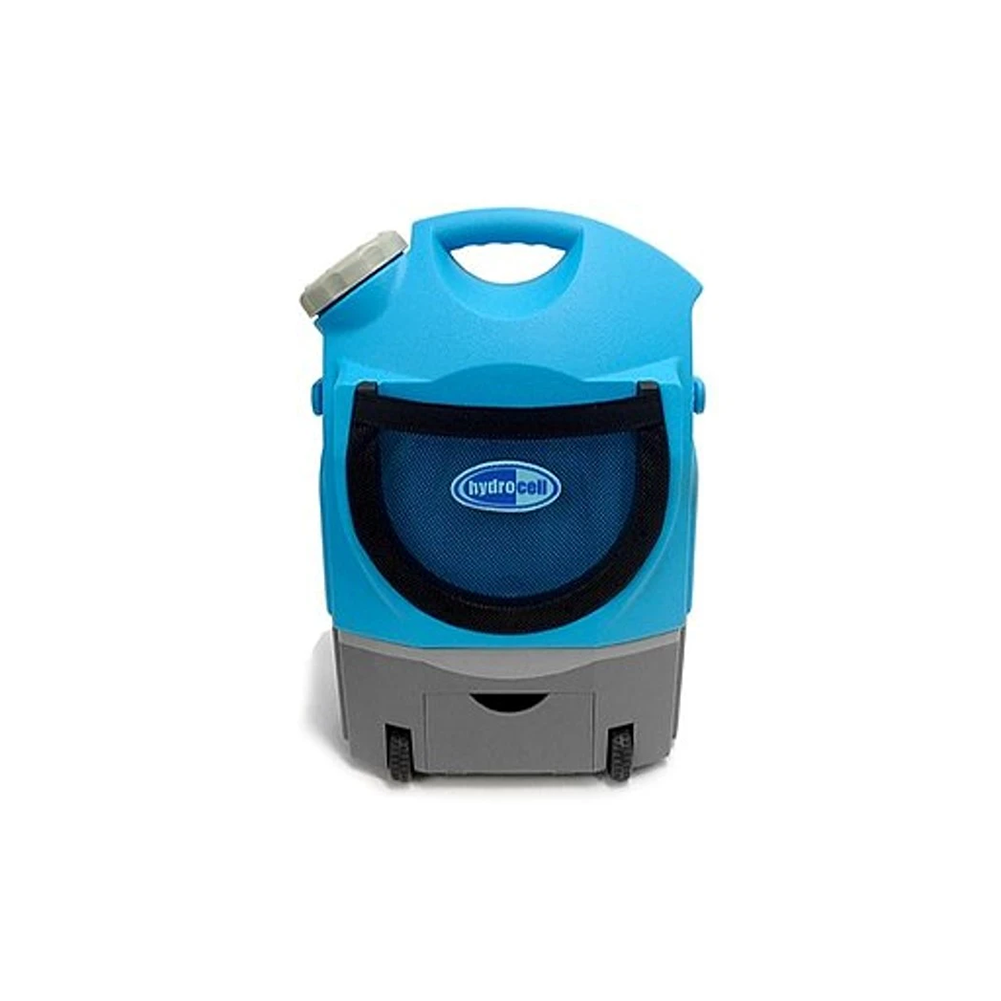
Most setups include a wash bag, spray system, and cleaning solution. This combination allows you to complete jobs quickly while maintaining a professional finish.
Pressure washers can also improve efficiency, especially when handling multiple jobs per day. Pairing them with proper catchment systems ensures you stay compliant and mess-free.
Maintenance Must-Knows for Your Gear
Looking after your equipment is just as important as the cleaning work itself. After every job, rinse your wash bags thoroughly to remove residue. Let them dry completely before packing them away to prevent mould.
Check seams and fittings regularly. Small issues can turn into leaks on-site, which damages trust with customers. Carrying a backup bag is always a smart move.
Keeping your tools in good condition ensures consistent performance and protects your reputation.
When to Upgrade as You Grow
As your bookings increase, your setup should evolve. More jobs mean faster turnaround times and better equipment rotation. Adding extra wash bags and upgrading your cleaning system will reduce downtime between jobs.
Commercial work often requires heavier-duty equipment. Investing in stronger, more durable systems helps you handle higher workloads without reliability issues.
Growth in this space is steady. Customers who trust your work will call you back regularly, making upgrades a natural part of scaling your business.
Client Story: From Side Hustle to Full-Time Business
A Perth-based tradie started with a single cleaning kit and basic tools. He began offering services locally, focusing on clean presentation and reliable results. Within months, repeat customers and referrals built steady demand.
By reinvesting into better equipment and maintaining consistent quality, he scaled into a full-time operation with ongoing work from property managers. The key was starting simple and building from there.
Key Takeaways
AC cleaning is a growing market across Australia, driven by climate conditions and increased awareness of maintenance needs. Starting a business in this space is accessible, scalable, and practical.
Using proper cleaning equipment ensures your work looks professional and builds customer trust. Reliable tools and consistent results are what turn one-off jobs into repeat business.
Ready to launch your AC cleaning business?
👉 Start with a complete AC cleaning kit designed for Australian conditions.
With fast shipping across Australia, HVAC Shop supports your business from your first job through to scaling your operation.
FAQs
1. Do I need a licence to start an AC cleaning business?
Basic cleaning typically does not require licensing, but always check local regulations for any advanced servicing work.
2. How much should I charge?
Most metro areas range from $120–$200 per unit depending on service level and accessibility.
3. Can I start part-time?
Yes. Many operators begin with weekend work before transitioning to full-time.
4. Are wash bags reusable?
With proper care, they can last through many jobs and remain reliable.
5. How do I get customers?
Local marketing, word-of-mouth, and property manager relationships are the most effective starting points.