
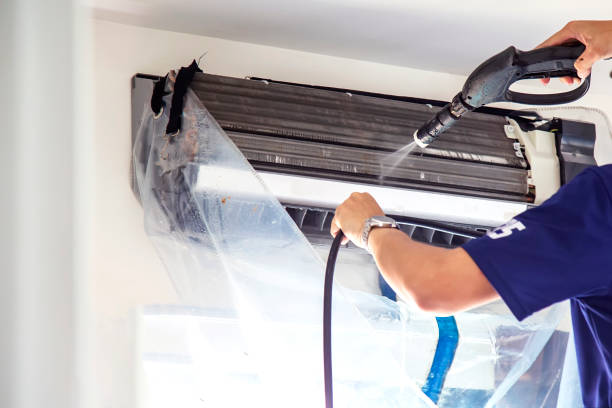
Hand-Held Power Washer: Your Versatile HVAC Cleaning Companion
In the ever-evolving world of HVAC maintenance, technology keeps pushing the boundaries, bringing forth innovative tools that save time, cut costs, and ensure optimal system performance. One such technological marvel that's causing a stir is the portable pressure washer. But how exactly can this compact, high-performing machine revolutionise the way we conduct HVAC maintenance? Strap in as we dive into the nitty-gritty of this phenomenal innovation.
The Powerhouse Called Portable Pressure Washer
First things first: what is a portable pressure washer? It’s essentially a power washer that you can easily move around due to its compact design. Unlike their traditional counterparts, portable pressure washers are light, easy to transport, and remarkably powerful, making them perfect for outdoor and indoor cleaning tasks, including comprehensive HVAC system maintenance.
Understanding the Role of Portable Pressure Washers in HVAC Maintenance
HVAC systems are, by their nature, dust and debris magnets. Over time, they accumulate particles that can obstruct airflow, impair efficiency, and even damage the system. The cleaning process, traditionally done manually, is often time-consuming and challenging. Here’s where the portable pressure washer comes in.
-
Deep Cleaning: Portable pressure washers deliver a strong, concentrated water stream capable of dislodging even the most stubborn grime and dirt from your HVAC components. This deep cleaning capability results in a more efficient, better-performing system.
-
Easy Accessibility: HVAC units are usually in hard-to-reach places, such as rooftops or high walls. Portable pressure washers, due to their compact and lightweight nature, can easily reach these areas, making the cleaning process more straightforward and efficient.
-
Time and Cost Efficiency: Portable pressure washers reduce the time spent on cleaning tasks significantly, leading to higher productivity and lower labor costs.
-
Environmental Impact: By using water under pressure, portable pressure washers minimise the need for harsh chemical cleaners, reducing the overall environmental impact of HVAC maintenance.
Leveraging Portable Pressure Washers for Different HVAC Components

Every part of your HVAC system can benefit from the cleaning power of a portable pressure washer. Let's delve into how this tool can enhance the maintenance of key HVAC components:
-
Condenser Coils: Over time, condenser coils accumulate dirt, reducing the system's efficiency. A portable pressure washer can easily clean these coils, enhancing the HVAC system's performance.
-
Ducts and Vents: Dust, debris, and allergens often settle in the ducts and vents of HVAC systems, causing reduced airflow and potential health risks. A portable pressure washer can deeply clean these areas, improving air quality and system efficiency.
-
Filters: While most filters are replaceable, some HVAC systems feature reusable ones. Portable pressure washers can efficiently clean these filters, prolonging their lifespan.
In the Toolbox of HVAC Professionals
Across Australia, HVAC professionals are increasingly adopting portable pressure washers. Their ability to reach difficult corners, paired with their powerful cleaning capabilities, make these tools a valuable asset in any HVAC maintenance routine.
To sum up, the portable pressure washer is a game-changer in the HVAC industry. It's not just about convenience, it's about boosting efficiency, improving air quality, and prolonging the life of your HVAC system.
Whether you're a professional or a DIY enthusiast, the portable pressure washer brings a myriad of benefits, transforming the process of HVAC maintenance from a challenging chore into an efficient, eco-friendly activity.
Safety Precautions When Using Portable Pressure Washers
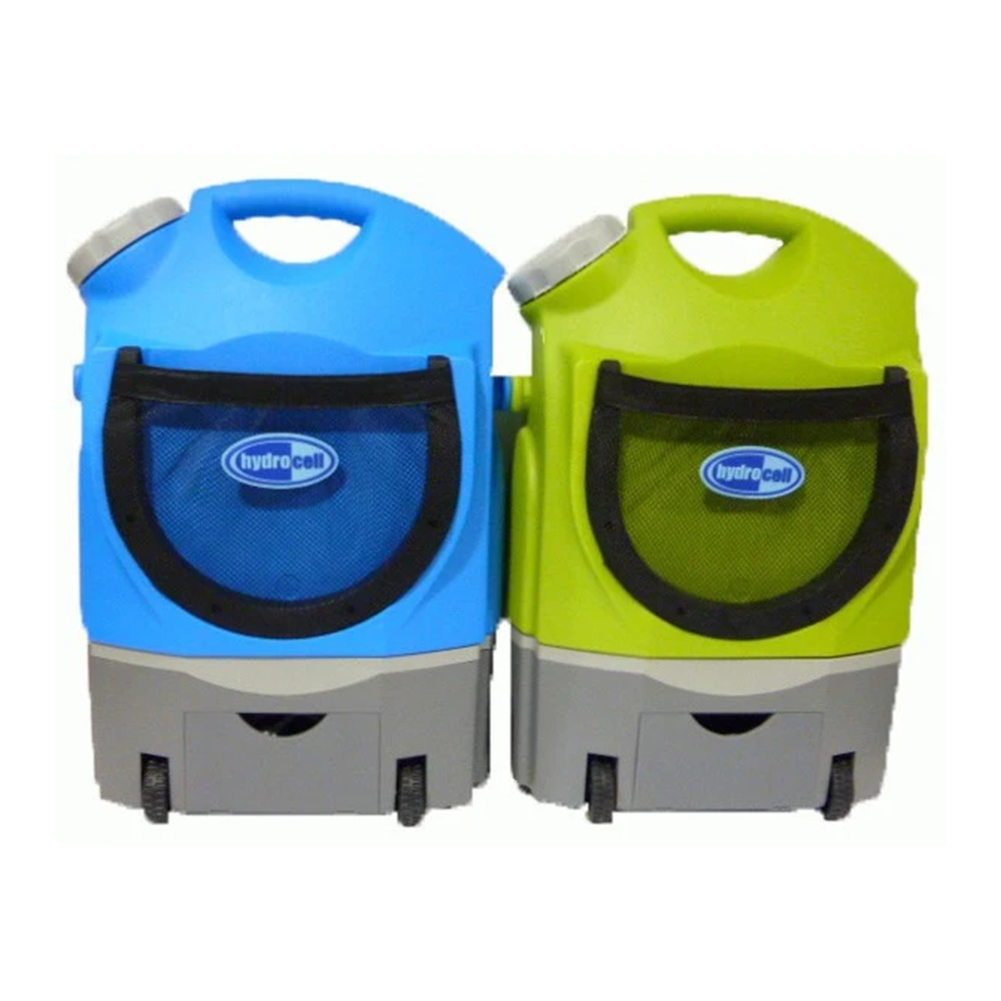
As with any powerful tool, safety is paramount when using a portable pressure washer. Here are some important safety tips to keep in mind:
-
Read the Manual: Each model is unique, so always read the user manual before using your portable pressure washer to understand its specific safety features and operating instructions.
-
Wear Protective Clothing: This includes waterproof gloves, safety goggles, and sturdy shoes to protect yourself from high-pressure water and any dislodged debris.
-
Maintain a Safe Distance: The powerful stream of a pressure washer can damage sensitive components if used too close. Maintain a safe distance to avoid damage to the HVAC system or injury to yourself.
-
Avoid Electrical Components: Water and electricity don't mix. Avoid spraying water directly onto electrical components of the HVAC system.
Selecting the Right Portable Pressure Washer for Your Needs
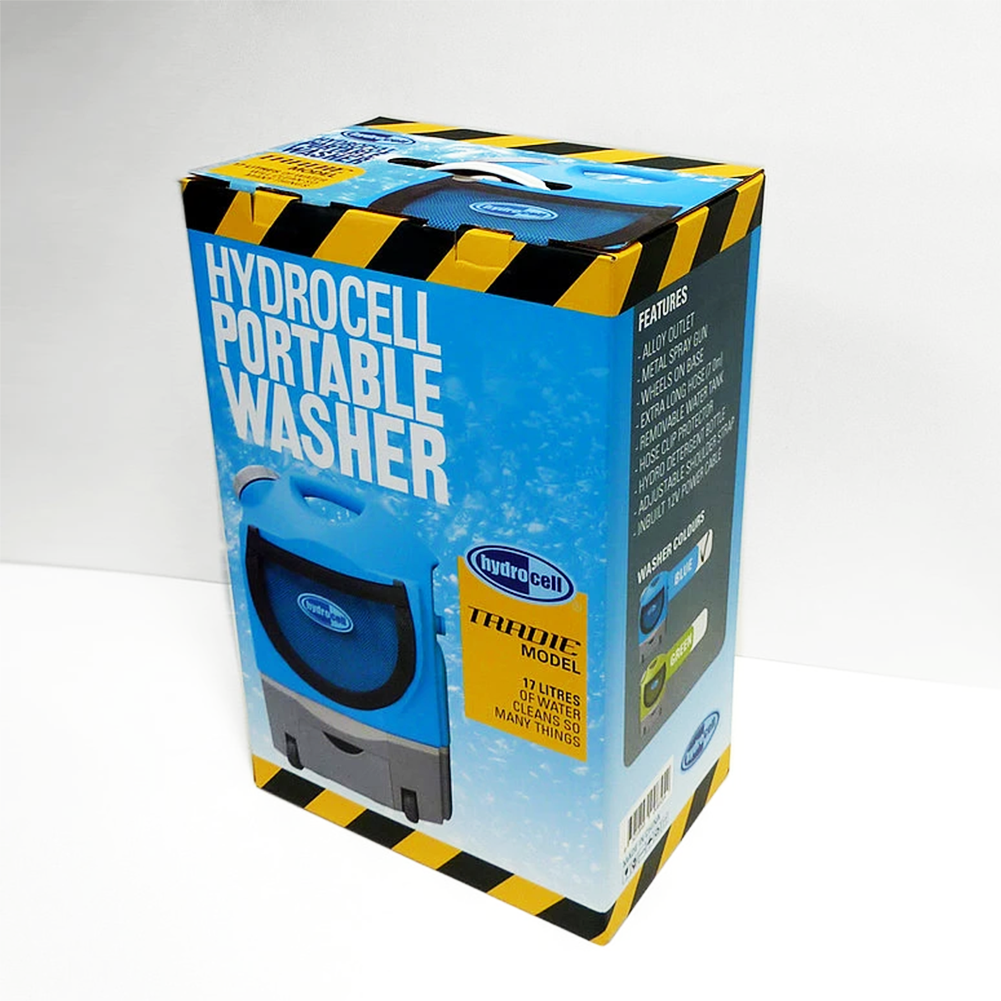
There's a wide variety of portable pressure washers on the market, each offering unique features and capabilities. Here's what you need to consider when choosing the right one for your HVAC maintenance needs:
-
Pressure Rating: This is measured in PSI (Pounds per Square Inch). Higher PSI means more power. However, for HVAC systems, a moderately-powered washer (around 1300-2000 PSI) should suffice to prevent damage to sensitive components.
-
Water Flow: Measured in GPM (Gallons Per Minute), this indicates how much water the washer uses. Higher GPM means more cleaning capacity, but also more water consumption.
-
Portability: Consider the weight and design of the washer. It should be easy to transport, especially if you're dealing with HVAC systems located in hard-to-reach areas.
-
Adjustability: A washer with adjustable pressure and spray settings is ideal for HVAC maintenance, as it allows you to customize the pressure and water flow to suit different components and degrees of grime.
Conclusion: The Future of HVAC Maintenance
The adoption of portable pressure washers in HVAC maintenance is not just a trend; it's an evolution of industry best practices. It symbolizes a shift towards efficient, eco-friendly, and effective maintenance methods that uphold system performance while reducing overall costs.
By choosing to invest in a portable pressure washer, you're not just investing in a tool; you're investing in the future of your HVAC system. The potential return on this investment is substantial: a cleaner, more efficient HVAC system, a healthier indoor environment, and the peace of mind that comes with knowing you're maintaining your system in the best way possible.
With HVAC maintenance revolutionized, we can now look forward to a future where efficient system performance and eco-friendliness go hand in hand. So, are you ready to take your HVAC maintenance to the next level with a portable pressure washer? The future awaits!
So, there you have it! An in-depth look at how portable pressure washers can revolutionize HVAC maintenance. Whether you're a professional or a DIY enthusiast, understanding and leveraging these tools can lead to more efficient, eco-friendly, and cost-effective maintenance routines. As always, feel free to reach out with any questions or comments. We'd love to hear from you!