
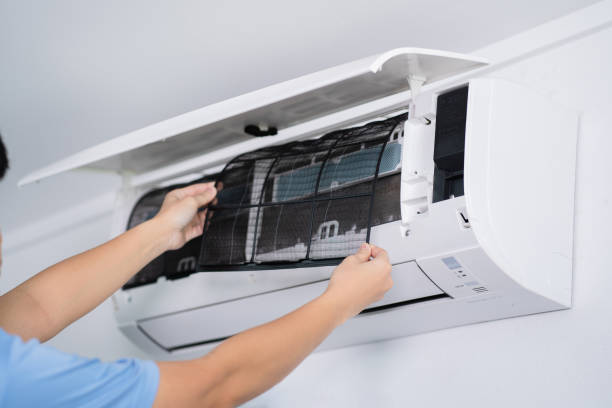
Portable Pressure Washers: High-Pressure Power for Efficient Cleaning
As summer heat waves hit or winter's chill sets in, your HVAC system can become your home's superhero, battling the elements to ensure your comfort. But like every superhero, your HVAC system also needs its trusted sidekick. Enter: The Portable Pressure Washer. A reliable assistant, the portable pressure washer is an essential tool in your HVAC maintenance arsenal.
Let's delve into the world of portable pressure washers and explore how they can revolutionize your HVAC system's upkeep.
Why a Portable Pressure Washer?
You may wonder why you need a portable pressure washer when you've been managing just fine with your regular cleaning tools. Well, it's time for an upgrade.
A portable pressure washer is a high-powered cleaning tool designed to blast away dirt, grime, and even the most stubborn stains. For an HVAC system, this means cleaner ducts, vents, and units – increasing your system's efficiency and longevity.
Portable pressure washers, as their name suggests, are mobile and easy to handle. Whether your HVAC units are installed indoors, outdoors, or in hard-to-reach areas, these pressure washers make cleaning a breeze.
Types of Portable Pressure Washers
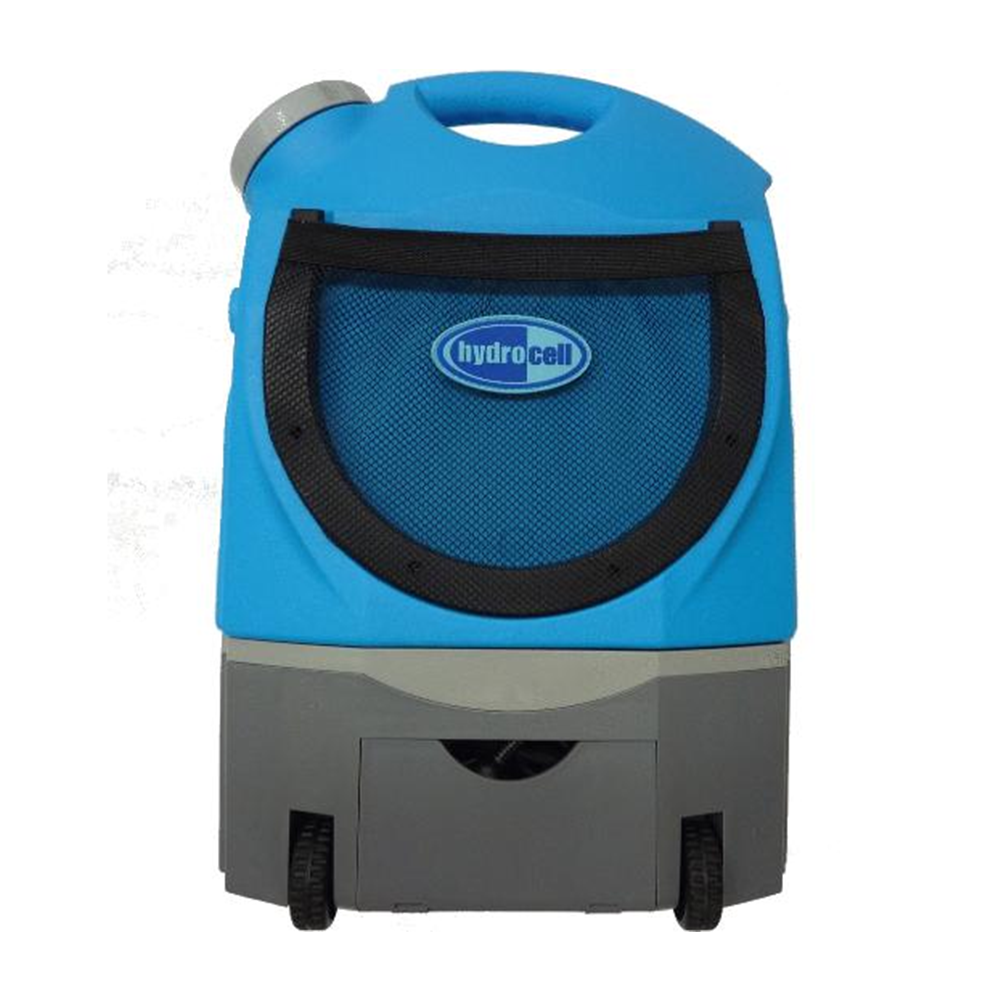
There are mainly two types of portable pressure washers: electric and gas-powered.
Electric pressure washers are quieter, lighter, and perfect for indoor use. They are less powerful than their gas counterparts but are usually sufficient for cleaning HVAC systems.
Gas pressure washers, on the other hand, deliver more power and are suitable for tougher jobs. They're ideal for outdoor use due to their exhaust emissions.
Choosing Your Perfect Sidekick
Picking the perfect portable pressure washer for your HVAC system depends on several factors:
1. Power Rating: The cleaning power of a pressure washer is measured in PSI (Pounds per Square Inch) and GPM (Gallons per Minute). A higher PSI and GPM mean a more potent pressure washer. For HVAC systems, a washer with around 1300-2000 PSI should suffice.
2. Size and Weight: Portability matters. Choose a washer that's easy to carry and manoeuvre, especially if you need to reach tricky spots.
3. Noise Level: If you're sensitive to noise or live in a noise-controlled area, opt for an electric washer. They're quieter than gas washers.
4. Attachments: Look for a model with a variety of nozzle attachments. These can help you adjust the pressure and spray pattern, making the washer versatile.
5. Price: Good pressure washers can range from $100 to $500+. Determine your budget and find a washer that gives you the best value.
Essential Tips for Using a Pressure Washer with Your HVAC
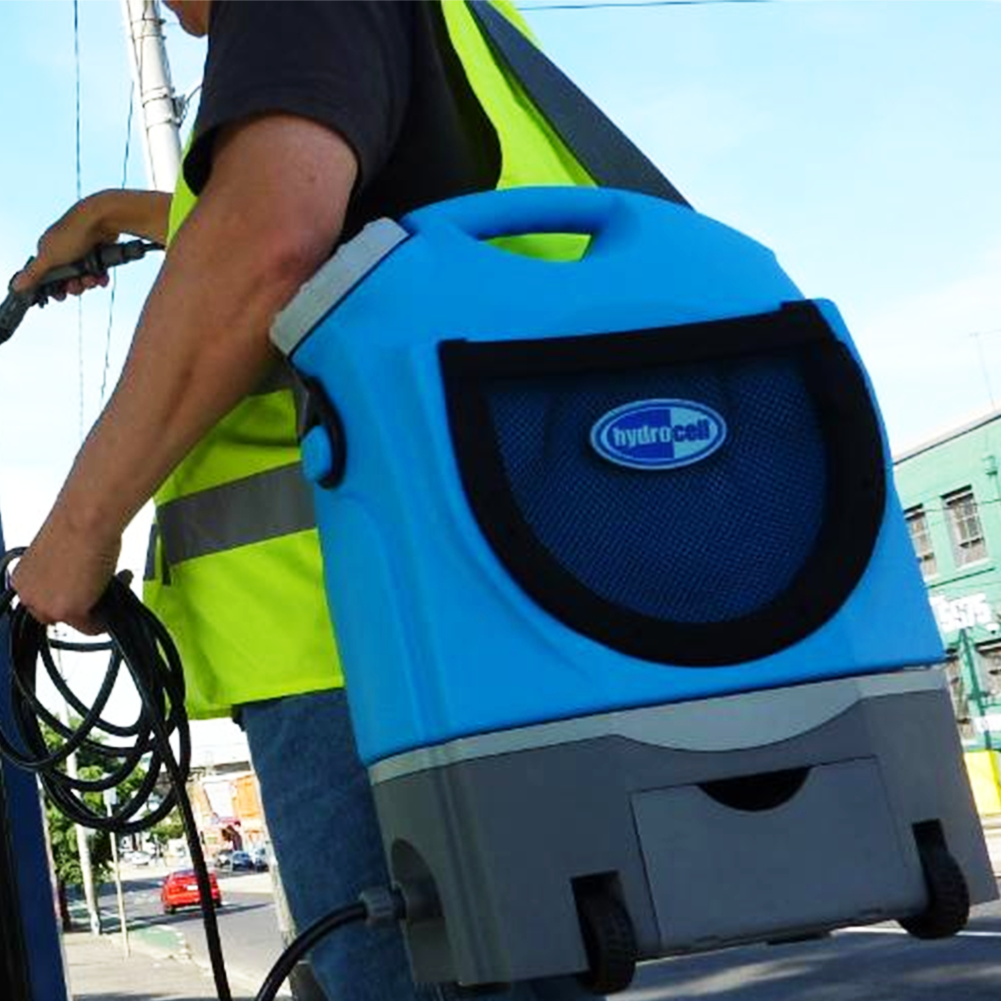
Before you fire up your new sidekick, here are some essential tips to ensure you safely and effectively use your portable pressure washer:
1. Protect Yourself: Always wear protective gear, such as goggles and sturdy shoes.
2. Start Gentle: Begin with a low-pressure nozzle to avoid damage. You can gradually increase the pressure if needed.
3. Test First: Test the washer on an inconspicuous area first to ensure it won't cause damage.
4. 45-Degree Rule: When cleaning your HVAC system, spray
at a 45-degree angle. This is the best angle for effective cleaning without causing damage.
5. Don't Forget the Detergent: Many pressure washers have a detergent compartment. Use a gentle, non-corrosive detergent for the best results.
6. Regular Maintenance: Regularly maintain your pressure washer according to the manufacturer's instructions to keep it in good working order.
Maintaining Your HVAC System with Your Portable Pressure Washer
Now that you have your perfect portable pressure washer, it's time to put it to good use. Here's a step-by-step guide on how to clean your HVAC system:
1. Safety First: Before you start, remember to disconnect the power supply to your HVAC system.
2. Prepare Your Pressure Washer: Fill the detergent compartment (if your washer has one), connect the water supply, and select the right nozzle.
3. Begin Washing: Start by washing the outdoor units of your HVAC system. Use a gentle, sweeping motion, moving from top to bottom.
4. Indoor Units and Ducts: For indoor units and ducts, be extra careful. The pressure should be enough to remove the dust and grime but not so high as to damage the components.
5. Rinse and Dry: After washing, rinse the units thoroughly and allow them to dry before reconnecting the power.
Remember, the frequency of cleaning depends on how quickly your HVAC system gets dirty. As a general rule, cleaning it once a season should keep it running efficiently.
The Takeaway
With the right portable pressure washer in hand, maintaining your HVAC system can be a breeze. It's an investment that pays off by extending the lifespan of your HVAC system, enhancing its efficiency, and ultimately saving on energy costs.
Embrace the power of a portable pressure washer – your HVAC system will thank you!
Having explored the world of portable pressure washers, we hope you are well-equipped to make an informed choice for your HVAC system's maintenance. Remember, the right tool can transform your cleaning routine, and when it comes to HVAC systems, a portable pressure washer is that perfect tool. With regular cleaning, you can ensure the longevity and efficiency of your system, providing comfort for your home no matter the season.
Make the smart choice for your HVAC system today – a portable pressure washer might just be the sidekick your home's superhero needs!
Hopefully, this guide has enlightened you on the benefits, selection process, and usage of portable pressure washers for your HVAC system. And remember, if you need any more information or help, we at HVAC Shop are always here to assist you. Happy cleaning!