

Best Portable Pressure Washer with Water Tank: Your On-the-Go Solution
You may think you've seen it all in the world of Heating, Ventilation, and Air Conditioning (HVAC) cleaning and maintenance, but hold onto your hats because we're about to introduce a game-changing tool: the portable pressure washer with water tank. In this blog post, we dive into the world of these remarkable devices, which are revolutionising HVAC cleaning, making it more efficient, affordable, and straightforward than ever before.
Understanding the Portable Pressure Washer
Before we get into the benefits these portable powerhouses offer specifically for HVAC cleaning, it's important to understand what they are. A portable pressure washer with a water tank is a compact, easy-to-transport device that uses high-pressure water to clean various surfaces. With a built-in water reservoir, it eliminates the need to be tethered to a water source, allowing users to clean in almost any location.
Using a Portable Pressure Washer for HVAC Cleaning
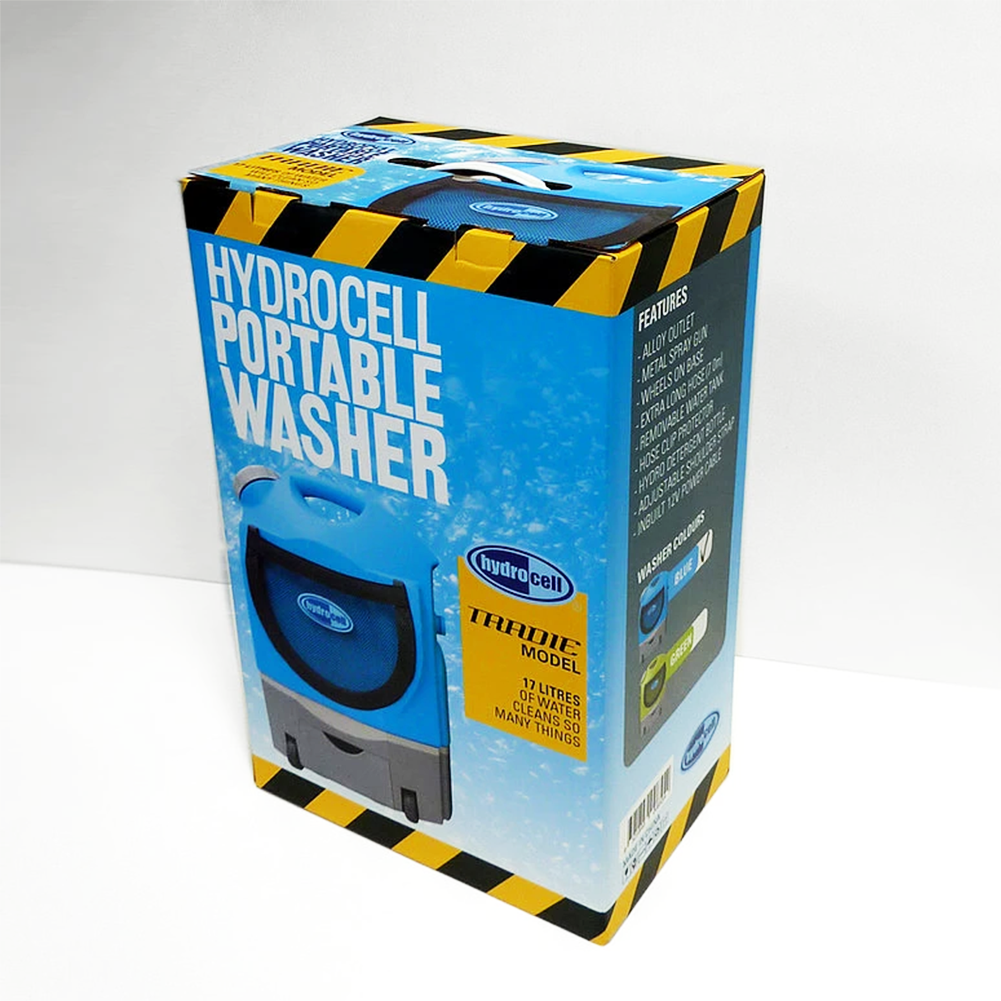
Now, let's dig into the real meat of the matter. How exactly can a portable pressure washer make a difference in the world of HVAC cleaning?
-
Mobility and Convenience
With the portability of these washers, HVAC technicians no longer have to worry about finding a water source close to the unit they are cleaning. This mobility extends the reach of your cleaning ability, letting you access hard-to-reach systems and offering more flexibility during cleaning.
-
Powerful and Efficient Cleaning
While the compact size of these washers might suggest otherwise, they pack a surprising punch. Portable pressure washers can dislodge dirt, dust, and grime that accumulates in HVAC units with ease, ensuring thorough and effective cleaning. This helps to improve the efficiency and longevity of your HVAC system, saving on energy costs in the long run.
-
Versatility
Portable pressure washers aren't just for HVAC systems. They can be used to clean a multitude of other surfaces and equipment, making them a versatile tool for any home or business. From washing vehicles to cleaning outdoor furniture, the uses are virtually limitless.
-
Environmentally Friendly
When compared to traditional cleaning methods, portable pressure washers consume less water, making them an environmentally friendly option. Plus, they do not require harsh chemical cleaning solutions, which can harm the environment.
Choosing the Right Portable Pressure Washer
When shopping for a portable pressure washer, you'll need to consider a few things. Firstly, the pressure rating, usually measured in pounds per square inch (PSI), will determine the power of the washer. Higher PSI ratings correspond to stronger cleaning power. However, for most HVAC cleaning tasks, a moderate PSI rating (around 1,500 - 2,800 PSI) will suffice.
The capacity of the water tank is another crucial factor. For larger jobs or places where a water source isn't readily available, a larger tank can be beneficial. Finally, consider the washer's weight and design. You want a unit that's easy to transport and manoeuvre, especially if you're going to be cleaning multiple systems or locations in one day.
Why a Portable Pressure Washer is a Game Changer for HVAC Cleaning

-
Improved Air Quality
HVAC systems are notorious for being dust and dirt magnets. Over time, these particles can accumulate in the system and be circulated throughout your home or business, leading to potential health issues such as allergies and respiratory problems. A portable pressure washer can dislodge this build-up, leading to cleaner air and a healthier environment.
-
Prevents System Damage
Dirt and grime build-up in HVAC systems can cause significant damage if left unattended. It can lead to parts rusting, corroding, or even failing, resulting in costly repairs or replacements. Regular cleaning with a portable pressure washer helps prevent this damage, extending the lifespan of your HVAC system.
-
Reduces Energy Costs
An unclean HVAC system has to work harder to produce the same results, leading to higher energy consumption. With regular cleaning using a portable pressure washer, your HVAC system can operate at peak efficiency, reducing energy usage and saving you money on your utility bills.
How to Use a Portable Pressure Washer for HVAC Cleaning

Now that you know why a portable pressure washer is a must-have tool for HVAC cleaning, let's walk you through the steps of using one:
- Safety First
Before you begin, always ensure you're wearing appropriate safety gear, including gloves and eye protection. Also, make sure the HVAC system is turned off and unplugged to avoid any risk of electrical shock.
- Prepare the Washer
Fill the water tank of your portable pressure washer and, if required, add a suitable, HVAC-safe cleaning solution. Set the pressure to a moderate level; too high pressure may damage your HVAC unit.
- Start Cleaning
Begin by spraying the HVAC unit's exterior to remove any loose dirt or debris. Then, carefully clean the interior components, paying special attention to the coil and fan blades. These areas are prone to heavier build-up and can significantly impact the efficiency of your system if not properly cleaned.
- Rinse and Dry
Once you've cleaned the HVAC unit thoroughly, rinse it with clean water. Then, allow it to dry fully before turning it back on. This could take a few hours, so be patient!
Remember, while portable pressure washers are an excellent tool for HVAC maintenance, some jobs might still require a professional touch. If you encounter heavy soiling or suspect your HVAC system might be damaged, it's best to call in a professional technician.
In Conclusion
The portable pressure washer with water tank is an essential tool for anyone seeking to maintain the efficiency and longevity of their HVAC system. With its portable nature, powerful cleaning ability, and versatility, this device offers significant benefits for both HVAC professionals and homeowners alike. By integrating this tool into your HVAC maintenance routine, you can enjoy cleaner air, lower energy costs, and an HVAC system that runs smoothly for years to come.
At HVAC Shop Australia, we’re always on the lookout for products and methods that can simplify your HVAC maintenance tasks. Stay tuned to our blog for more HVAC news, advice, and product reviews.
And remember, whether you're an HVAC professional or a DIY enthusiast, don't just clean it, pressure wash it!