
What’s the Big Deal About AC Filters in Bushfire Season?
If you’ve ever lived through a bushfire season in Australia, you know it’s not just about what’s happening outside. Sure, the skies turn grey, and the air gets smoky—but what about inside your home? That’s where your air conditioner comes into play, and if it’s not cleaned properly, it could be pulling that smoky air straight indoors.
In this guide, we’re diving into:
Let’s clear the air—literally.
Why It Matters: Aussie Homes & Bushfire Smoke Don’t Mix
We’re no strangers to extreme weather here in Oz. Whether you’re up north in Queensland or down in the bushy suburbs of Victoria, smoke from bushfires can travel hundreds of kilometres. And those ultra-fine smoke particles? They don’t stop at your windows.
Your air conditioner, especially if it hasn’t been cleaned lately, could be recycling smoke, ash, and allergens right through your living space. For families with asthma or allergies, that’s a real health risk.
And it’s not just the people who suffer—your aircon does too. Clogged filters, burnt-out motors, and reduced efficiency are all common issues during fire season. Not ideal when temps are soaring.
How Bushfire Smoke Affects Your Air Conditioner
Let’s break it down in simple terms:
- Filter clogging: Smoke particles coat the filter in sticky residue.
- Reduced airflow: Your AC strains to push air through a dirty filter.
- Increased power usage: It works harder, costing you more on your energy bill.
- Air quality drops: Instead of fresh, cool air… you’re breathing smoke.
Worst of all? It’s often silent. You might not even notice the problem until someone starts coughing—or the aircon breaks down on a 40-degree day.
How to Clean Your AC Filters (Even if You’re Not Handy)
No need to call in a technician every time bushfire season rolls around. You can do a quick clean at home with minimal tools and a little elbow grease.
What You’ll Need:
- Soft brush or a handheld vacuum
- Warm soapy water
- Viper No-Rinse Coil Cleaner
- Hydro Bag Kit
- Microfibre cloths and gloves
Step-by-Step Cleaning:
- Turn off the power. Better safe than sorry.
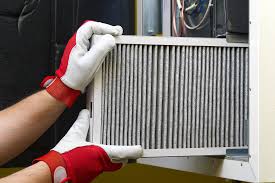
- Open the indoor unit and carefully remove the filters.
- Vacuum or brush off the dust and ash.
- Soak in warm soapy water, then rinse thoroughly.
- Spray with Viper cleaner if it’s extra grimy—no need to rinse.
- Dry completely in a shaded area (direct sun can warp plastic).
- Pop the filters back in and give yourself a high five.
Using a hydro bag? Even better. It’s mess-free, catches all the gunk, and works well for split systems. Check out our full AC Cleaning Kit collection if you want the easy route.
Real Aussie Advice: Tips from the Fire Zones
We’ve spoken to dozens of customers in fire-prone spots—NSW’s Blue Mountains, Victoria’s Dandenongs, and even out West in WA’s bush suburbs. Their advice?
“I didn’t realise the AC filter was the issue until my daughter started wheezing every time the aircon was on. Cleaned it, no more problems. I do it monthly now.”
— Melissa R., Castlemaine VIC
“The Viper cleaner is a lifesaver—no smell, no fuss. One spray and it’s done.”
— Brent D., Wollondilly NSW
This isn’t just a once-a-season job. During peak fire months (November–March), you may need to clean your filter every 2–4 weeks, especially if there’s a lot of smoke in your area.
Best Products to Keep Your AC Smoke-Free
We’ve handpicked a few tools that Aussie homeowners love during bushfire season:
Viper No-Rinse Coil Cleaner
This stuff’s a classic. No rinse, no residue. Just spray and leave.

Hydro Bag AC Cleaning Kit
Great for renters, units, or anyone doing regular cleans.

Air Conditioner Cleaning Kits – Complete
Perfect for new homeowners or DIYers. Comes with everything you need. Still unsure? Have a look at our Cleaning and Preventative Maintenance collection for more pro tools.
When Should You Replace the Filter Altogether?

Even the best cleaning can’t fix a filter that’s too far gone. Here’s how to tell it’s time to bin it:
- You’ve cleaned it, and it still smells smoky.
- The airflow is still weak.
- You can see visible mould or black soot stuck in the mesh.
- It’s been over 12 months since you changed it.
If that’s the case—grab a fresh one. It’s a small price to pay for clean lungs and a longer-lasting aircon.
Real Story: A Melbourne Family Learns the Hard Way
During the 2023 fire season, the Adams family in Sunbury were constantly coughing and sneezing. They assumed it was just seasonal hay fever. But the culprit? A blocked split system filter full of ash from nearby fires.
“Once we cleaned the filters and sprayed the coils with Viper, everything changed. Our air was fresh again. We had no idea how much smoke we were breathing in.”
Lesson learned: just because it’s indoors doesn’t mean it’s clean.

What You Need to Know
- Bushfire smoke can enter your home through the AC.
- Dirty filters = poor air + higher energy bills.
- Cleaning filters is easy with a vacuum, soap, and coil cleaner.
- For extra convenience, use a hydro bag or AC kit.
- Replace filters if they’re too clogged or smelly.
- Clean more often during fire season (every 2–4 weeks).
Don’t Wait for the Next Smoke Warning
If you’re in a bushfire-prone area—or just want better air inside—now’s the time to get on top of your AC filter maintenance.
👉 Explore our full range of cleaning kits and tools here
👉 Need serious cleaning power? Check our pro-grade cleaners
Get prepped. Stay safe. Breathe easy.
FAQs – Bushfire Season AC Prep
Absolutely. Most indoor units are easy to open. Just be gentle and dry them completely before reinstalling.
If you're in a high-smoke area, aim for every 2–4 weeks.
Yes! Smoke particles can still build up even when the unit is off.
Toss them out and replace them. Mould spores can be harmful, especially for kids and older folks.