
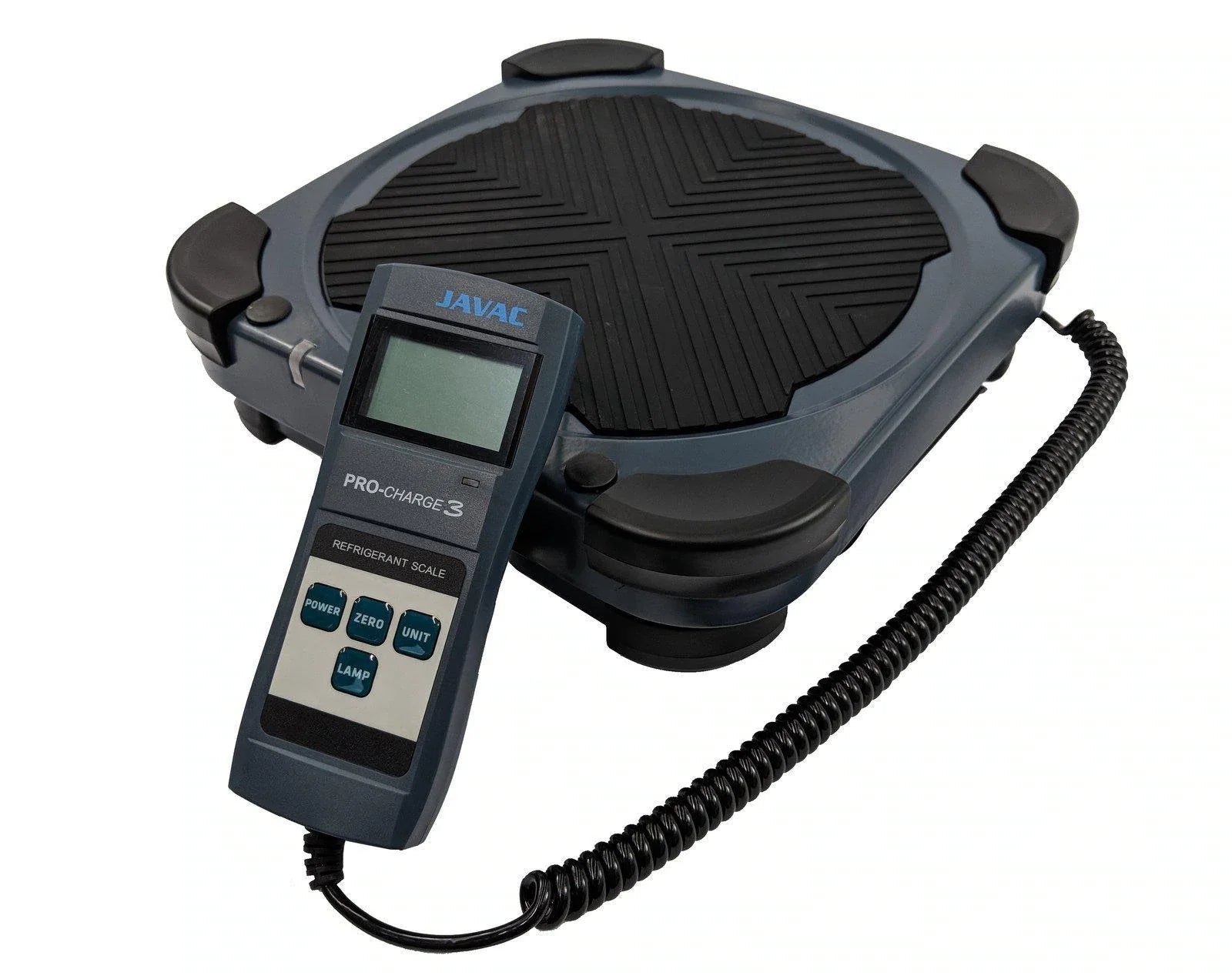
Use a refrigerant scale to weigh and charge refrigerants quickly. While a system is being set, scales correctly record the weight of refrigerant inside a cylinder. We have top brands of the best refrigeration scales for sale that you can browse! Use a refrigerant scale or charge scale from the HVAC Shop to measure how much a specific refrigerant is given to a refrigerant recovery system.
If you're a construction expert, then you're aware that there are various methods for determining the weight of your products. Most individuals now use digital scales to get the finest results, thanks to the rise of the digital era. If you use a digital scale, you might be asking what the difference is between weighing scales for two litres and five litres.
REFRIGERANT SCALE
A refrigerant scale is a tool HVAC technicians use in the installation and maintenance of air conditioning systems. It weighs liquid or gaseous refrigerant as it introduces or removes from the device's compressor. While charging the system, technicians use a refrigerant scale to assess levels of freon or other refrigerants accurately. The scale makes it easier for professionals to locate leaks or perform normal maintenance on these units. Usually, air conditioning systems need servicing and testing at least once a year, while regularly utilised systems may require more frequent attention.

IMPORTANCE OF AIRCON MAINTENANCE AND REFRIGERANT SCALES
Well-maintained cooling systems are essential for both the convenience of building occupants and the lifespan of the cooling systems. When too much refrigerant is present, the cooling equipment creates a high-pressure atmosphere. Excessive strain on the compressor reduces its lifespan and necessitates frequent repair. When there isn't enough refrigerant in the system, it can't efficiently cool the space. Users may continue to lower the thermostat to cool the room, wasting energy and increasing costs while not affecting the temperature.
USING A REFRIGERANT SCALE
Technicians place a refrigerant cylinder on the weighing platform of a refrigerant scale to use it. Then, the cylinder connects to the system by tubes or cables that allow refrigerant to flow between the ac unit and the cylinder. The technician adds or recovers refrigerant based on the weight displayed on the scale to attain the ideal levels for each system. You can even set some refrigerant scale models to automatically add or remove a certain amount of refrigerant, while others need manual operation.
Based on the quantity of mobility required by the user, a rechargeable battery pack or a power cord can power a refrigerant scale. Each scale has a varied weight capacity, with the most expensive options being able to store the maximum refrigerant volume. Large-scale commercial systems require high-capacity units, although they can handle most domestic applications at lesser scales. Many of these scales are built to last to withstand damage from big cylinders or other equipment.

Different kinds of refrigerant scales have different precision levels. Some of these scales have a design to resist extreme temperatures or measure refrigerants at high pressures. Also, these heavy-duty instruments are typically employed in manufacturing or industrial applications to provide precise measurements under challenging situations. Sensitive systems may necessitate a refrigerant scale with extremely accurate measurements, whilst very large systems may not.
BEST REFRIGERANT SCALES FAQS
Which refrigerant scale is the best?
The scales used to measure refrigerants are as precise as feasible. These provide exact measures, making it more difficult to overfill your tank. You'll want to search for options like LCDs, rechargeable batteries, and front and rear load capacity to ensure you have a good scale. Also, ensure it has an auto-shutoff feature to keep your equipment safe from anything that could harm it.
What is a refrigerant scale, and how does it work?
A refrigerant scale measures the quantity of refrigerant in the ac system. It's unquestionably one of the most crucial and costly components of any refrigeration system. You can use the refrigerant scale to measure the refrigerant as it circulates through the air conditioning system. The scale will offer the necessary information to modify the design and add or remove refrigerants until the right amount is leaking.

What is a charging scale, and how does it work?
It's the equipment that measures the mass flow rate. Also, hobbyists and experts who want to keep their automobiles' refrigeration systems use it in good working order. These scales measure the mass flow rate in weight, which is extremely sensitive to slight weight changes.
The refrigerant weight has a direct relationship with the charging rate of the refrigerant. This scale is intended for sensitive weighing and maximum weight sensitivity, making it extremely handy in any job.
BEST REFRIGERATION SCALES FOR SALE
Peeling, backlit LCD, auto power-off, unit changeover (KG, LB, oz.) and other functions are some of the features in AC refrigerant scales. Browse through the HVAC Shops collection of the best refrigeration scales for sale for your home or your A/C business. Our mission is to give you the best HVAC equipment like scales to help your work easier.
Start taking care of your or your client's aircon unit by investing in the best devices to help you perform your tasks well.