
Boost Efficiency & Cut Bills: The Aussie Guide to Cleaning Ducted Aircon
Let’s be honest—there’s nothing quite like stepping into a cool, comfy home after a scorcher of a day in Australia. But if your ducted aircon hasn’t been cleaned properly in a while, you might be getting more sweat than savings. Dusty filters, mouldy coils, and neglected ductwork could be the reason your system’s gobbling energy and your bills are ballooning.
If your aircon feels like it’s lost its oomph or your power bill keeps creeping up, you’re definitely not alone. Loads of Aussie households are running tired, overworked systems without realising it.
In this no-nonsense guide, we’ll show you how to:
Why Ducted Aircon Efficiency Actually Matters
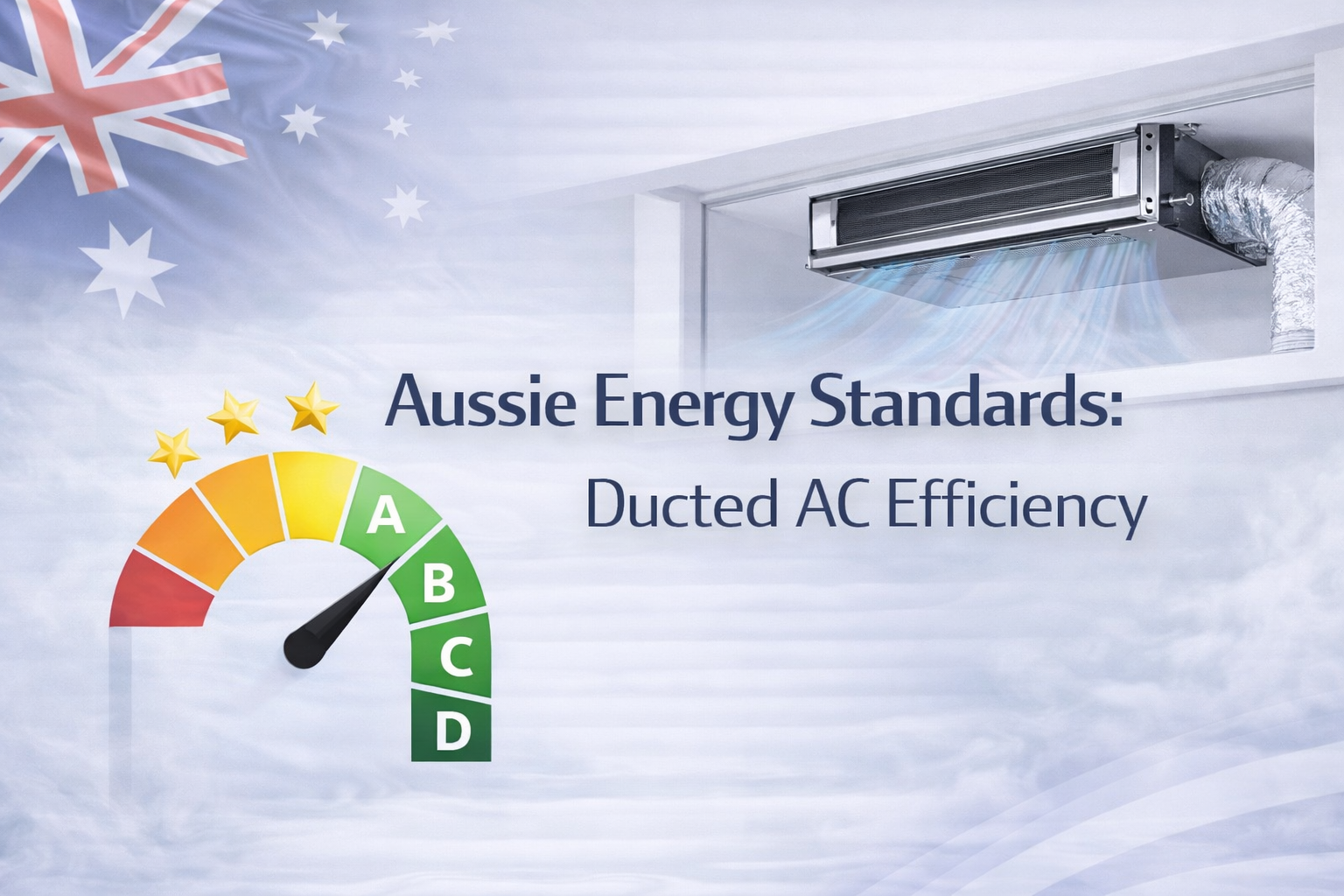
Living in Australia means battling heatwaves, salty breezes, and dusty days—and your ducted AC cops the brunt of it. Keeping your system running smoothly isn’t just about comfort; it’s about cutting costs and staying within Australian energy standards.
Aussie Standards You Should Know
The AS/NZS 3823 standard is what governs how energy efficient your aircon should be. But here’s the thing: even if your system ticked all the boxes when installed, gunked-up parts and clogged filters can quickly send those ratings downhill.
Your Bill Might Be Telling You Something
If your electricity costs are suddenly looking more like your rent, that’s a red flag. A dirty system makes your aircon work overtime just to do the basics.
Breathing in the Bad Stuff
Dust, mould, and bacteria? No thanks. A poorly maintained AC can blow all sorts of nasties through your home, aggravating allergies, asthma, and general sniffles.
Unique Aussie Challenges
Depending on where you live, your AC might be facing:
- Salt build-up in beachy spots like Newcastle or Coffs Harbour.
- Ash and smoke if you're near bushfire-prone areas.
- Red dust in inland towns like Broken Hill or Alice Springs.
All of it ends up inside your ducts if you’re not regularly cleaning.
What Actually Happens in a Deep Clean?

No, it’s not just spraying some air freshener and calling it a day. A proper ducted AC clean involves a few key steps:
- Filters First: These catch dust and allergens. Dirty filters choke airflow and strain the system.
- Duct Cleaning: Over time, you get pet hair, dead skin cells (gross but true), mould, and even insects living rent-free in there.
- Coil TLC: The evaporator coil helps chill your air. If it’s covered in grime, it’s about as useful as a fan in a sauna.
- Return Air Grille: The dust trap you forgot about. Give it a proper wipe-down.
🧼 Grab everything you need from our Cleaning and Preventative Maintenance Collection. Trusted by Aussie tradies and DIYers alike.
Simple Aussie Tips That Save You Big
You don’t need a degree in engineering to get more from your ducted system. Here’s what’s worked for homes across the country.
1. Tweak Your Cleaning Based on Where You Live
- Tropical North (Darwin, Cairns): You’ll want mould-resistant sprays.
- Inner Cities (Melbourne, Canberra): Prioritise filter cleaning due to high dust and pollen.
- Dry Zones (Perth, Adelaide): Zoned cooling can save stacks.
2. Don’t Use Dodgy Overseas Cleaners
Stick with locally approved products. Try Evap-Fresh No Rinse Spray – TGA-approved and safe for indoor use.
3. Don’t Skimp on Tools
A few basics go a long way:
- Viper aerosol foam
- Soft filter brush
- Gloves and goggles for protection
Check out our full Cleaning Tools section.
4. Clean Before It Gets Hot
- Spring (Oct/Nov): Prime time for pre-summer prep.
- Autumn (Mar/Apr): Clear out the gunk from summer use.
Tradies get booked up fast—beat the rush.
Our Favourite Ducted Cleaning Products (Tradie-Approved)

Here are our top picks for getting the job done right:
Viper Heavy Duty Coil Cleaner
- Eco-friendly, safe for aluminium and copper
- Melts away built-up grime in minutes
Evap-Fresh No Rinse Spray
- Zaps mould and bacteria
- No rinsing needed
- TGA listed for safety
Mini-Split Bib Kit
- Keeps your floors and walls spotless during a clean
- Easy for DIYers to use
🛒 Find them all in our Cleaning Collection.
How Often Should You Clean (Really)?
- Filters: Every 3 months (or more if you’ve got pets).
- Evaporator Coils: Every 6 months.
- Ducts: Every 1–2 years depending on dust levels.
Red Flags to Watch For
- Musty smell when you switch on.
- Weak airflow or uneven room temps.
- Dust on your vents (or worse—mould!).
- Bills creeping up without any extra use.
Beachside homes? Clean more often to avoid salt damage.
Time to Clean or Time to Upgrade?
Maintenance helps heaps—but nothing lasts forever.
🚨 Time to upgrade if:
- It’s been 10+ years.
- You’re still using R22 refrigerant.
- Star rating is under 3.
- Repairs are costing more than it’s worth.
New ducted systems offer smart zoning, higher efficiency, and whisper-quiet cooling. Your wallet and your comfort will thank you.
Real Aussie Story: Jodie’s Big Bill Drop in Buderim
Jodie, a mum of three on the Sunshine Coast, was sweating bullets when her summer power bill hit $640. The culprit? A mouldy return grille and clogged filters.
After a quick search, she ordered Evap-Fresh Spray and Viper Coil Cleaner from our store. With a few YouTube tutorials and a Saturday afternoon, she gave her system a proper clean.
“We could actually smell the difference the next day—and the airflow was unreal. Our next bill dropped to $556. That stuff works!”

Give Your AC Some Love
Don’t wait for your AC to start whimpering or your bills to hit the roof. A quick clean-up can save you serious cash and keep your indoor air fresh.
🏡 Explore our full Cleaning and Maintenance Collection. We ship fast across Australia.
Need a hand choosing the right products? Give our Aussie team a shout.
FAQs
You can totally do it yourself—just use the right products and follow safety steps.
Yes! Clean ducts = fewer nasties floating around.
Hot rooms, bad smells, and high power bills are usually a dead giveaway.
We recommend Evap-Fresh Spray for a fast, no-rinse clean.