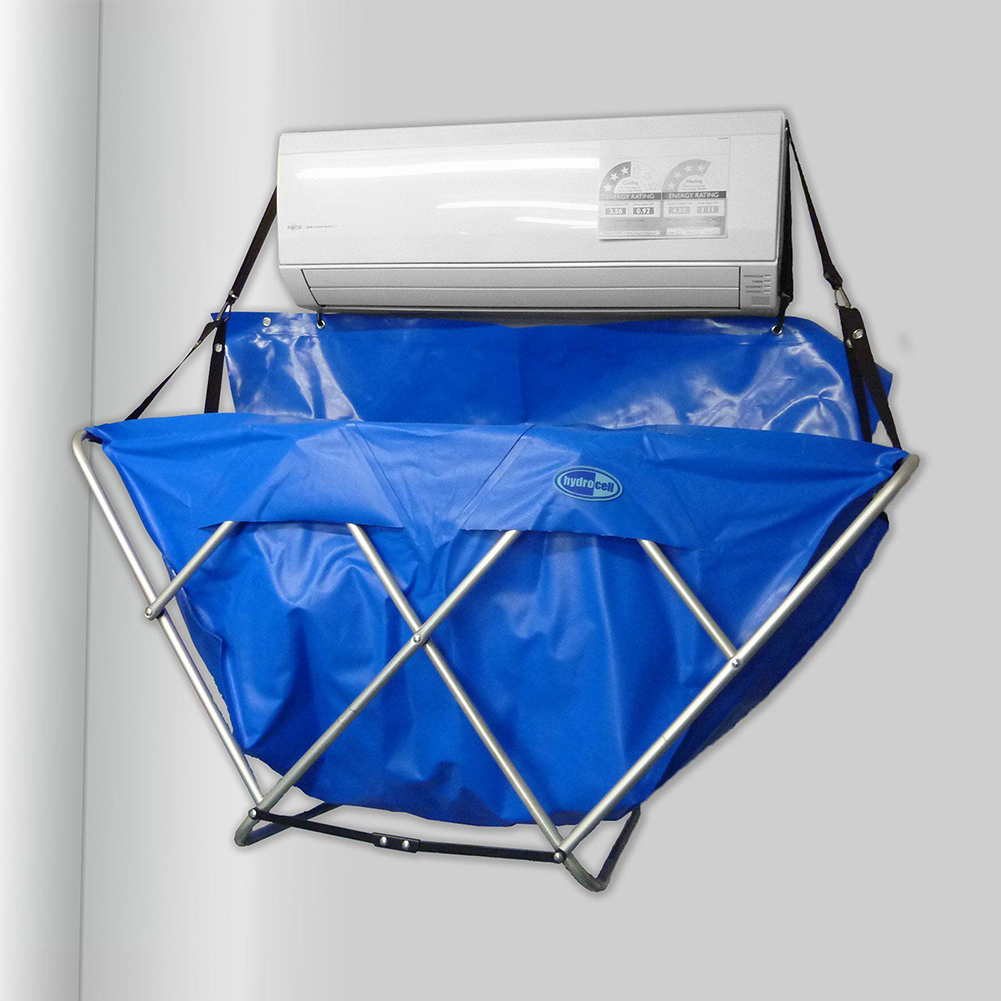
aircon cleaning bags

Mess-Free Aircon Cleaning (The Easy Way)

Cleaning your split system doesn’t have to be a headache. With our handy aircon cleaning bags, you can rinse coils without splash-back, protect electronics, and keep floors and walls clean.

Save Yourself from Mess and Hassle with Aircon Cleaning Bags

Split-system cleaning can get messy fast. A reusable cleaning bag catches runoff while you foam and rinse the coil, so there’s no scrubbing floors or wiping walls after. No need to unmount the indoor head—just fit the bag, clean with evaporator coil cleaner, drain, and you’re done with your condenser cleaner.

HVAC Shop stocks premium cleaning covers and the tools pros use across Australia including ac coil cleaner for coil fins on your ac unit. Whether you’re a DIY homeowner or a technician, a bag + cleaner + controlled rinse is the easiest, tidiest way to clean your outdoor unit.
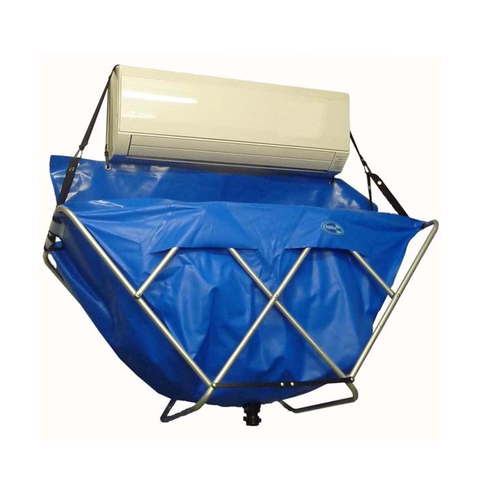
Hydrobag fitted under a wall split to catch dirty rinse water during cleaning
Air Conditioner Cleaning Bags

SIGNS AN AIRCON NEEDS PROFESSIONAL CHECKUP AND SERVICE

Blows Warm Air

Confirm your thermostat mode and set-point. If it’s still warm, the compressor or a control issue may need attention.

Water Leaks

Minor: a blocked drain tube. Urgent: a refrigerant leak (gets pricier if ignored). Book a service quickly.

Unusual Odour

Musty smells often mean mould or bacteria on ac coils on air conditioning systems. A thorough clean on your air conditioning coils on your outdoor unit with a bag helps stop it spreading.

Sudden Increase of Electric Bill

Rising bills can point to dirty coils, blocked filters, or leaks that make the system work harder.
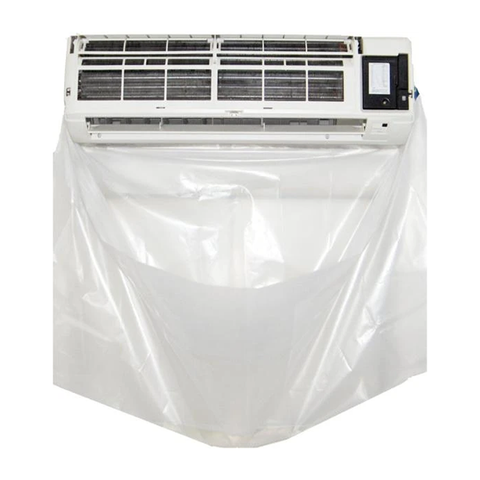
Split-system cleaning bag (AC1) ready to fit under indoor head
Split Air Conditioning Cleaning Bag (AC1)

TOP REASONS WHY YOUR AIRCON WON'T WORK PROPERLY

Low Refrigerant

Leaks reduce cooling. A tech must locate and repair leaks before recharging.

Frozen Evaporator Coils

Poor airflow or low charge can ice coils. You’ll feel weak or warm airflow until fixed and cleaned.

Dirty Condenser Coils

Dust and grime block heat rejection. The system runs longer and wears faster. Regular outdoor rinses help.

Fan Issues

Indoor/outdoor fans move heat. If they fail, expect poor cooling and potential compressor damage.

Duct Leakage

Leaks dump cool air into wall cavities. You pay more for less comfort. Seal and insulate as needed.

Thermostat Issues

Old or mis-set stats send the wrong signals. Recalibrate or upgrade to a programmable model.

Clogged Drain

Blocked drains cause leaks and mould risk. Cleaning bags make coil/drain maintenance tidier and faster.

Hydrocell kit with Hydrobag, portable washer and coil cleaner for indoor split cleans
Hydrocell AC Clean Kit with Hydrobag

TIPS TO PREVENT AIRCON PROBLEMS

  • Replace filters every 1–3 months (more in dusty/coastal areas).
  • Inspect ducts and seal obvious leaks to boost airflow and efficiency.
  • Use a programmable thermostat to save energy and avoid over-running.
  • Book regular maintenance—it’s cheaper than repairs and keeps warranties happy.

Aircon Cleaning Bags in Australia

Our reusable, waterproof bags include drain outlets for easy, tidy clean-ups and help shield electronics while you work. Make aircon cleaning simple with HVAC Shop—fast shipping Australia-wide and friendly support.

Ready to clean without the mess? Explore Aircon Cleaning Bags and add a coil cleaner + portable washer for pro-level results.

Cleaning

Blog posts

View all

Commercial Compressor Maintenance & Troubleshooting Guide

Commercial RefrigerationRica Francia Macaspac

Unexpected compressor failures usually hit at the worst time — after hours, on weekends, or mid-service when stock is on the line. This practical Australian guide breaks down a simple compressor maintenance schedule, common fault symptoms (won’t start, overheating, short cycling, noisy operation), and what to check before you swap parts. You’ll also learn how relays, capacitors and overloads fail, how oil issues show up over time, and when it’s smarter (and safer) to call a licensed pro. Use it as a clear troubleshooting playbook to reduce downtime and avoid repeat failures.

Display Fridge Compressors: Commercial Refrigeration Guide

bottle cooler compressorRica Francia Macaspac

Display fridge compressors are the hidden workhorses behind bottle coolers, deli cabinets, bakery displays, and supermarket merchandisers. This guide explains the main hermetic compressor types, why MBP duty and R134a matter in many cabinets, and how to choose the right replacement without guessing. You’ll also get a practical SECOP (formerly Danfoss) vs Embraco comparison, a step-by-step replacement workflow, and realistic advice on efficiency, pricing, and availability in Australia—so your cabinet holds temp reliably and avoids repeat failures.

Cold Room Compressors: Australian Professional Guide

cold room compressorRica Francia Macaspac

Cold rooms don’t fail politely. When the temperature climbs, stock is at risk and the fix needs to be right the first time. This Australian guide explains what a cold room compressor must handle, how to size it properly (without guessing off horsepower), and when you need an LBP compressor for walk-in freezer duty. You’ll learn how insulation, door openings, product load and local ambient conditions (from Brisbane humidity to Perth heat) change real-world performance, plus the most common compressor faults like short cycling, overheating and start problems. We also cover a practical repair vs replacement decision process and what to confirm on the data plate before ordering, so you can avoid wrong matches and reduce call-backs. If you’re unsure, talk to our team to confirm compatibility and get a quote.

SECOP Compressors: Commercial Applications Australian Guide

Commercial RefrigerationRica Francia Macaspac

SECOP compressors power a huge slice of Australia’s commercial refrigeration—bottle coolers, display fridges, under-bench cabinets and small cold rooms. This guide explains how SECOP (often searched as “Danfoss compressors”) fits into modern replacement work, how hermetic compressors operate, and how to choose the right model without guesswork. You’ll learn the practical difference between LBP and MBP duty, how to size for real cabinet conditions (including Brisbane heat and tight kitchen installs), and how to avoid common install mistakes that lead to call-backs. If you’re unsure on refrigerant match (R404A vs R134a) or wiring/start components, we also cover what to confirm on the data plate before ordering—plus when to talk to a local team to confirm compatibility and get a quote.

Danfoss Compressors: Now SECOP Australia Complete Guide

Commercial RefrigerationRica Francia Macaspac

Danfoss compressors are still everywhere in Australian commercial refrigeration, but the name on the can has changed. Today, many “Danfoss” replacements are supplied as SECOP (formerly Danfoss), which is why techs and business owners keep seeing both brands on quotes and nameplates. In this guide, we break down what the rebrand actually means, how to choose the right compressor by refrigerant and duty (LBP vs MBP), and the common mistakes that cause warm cabinets and repeat call-backs. You’ll also see where these compressors are used most in Australia—from bottle coolers and display fridges to small cold rooms—and how SECOP compares with other common options like Embraco and Copeland when you’re planning a replacement.

Testo 410i: Wireless Air Balancing Made Simple

air balancingRica Francia Macaspac

Airflow is the quiet driver of comfort, noise, and call-backs on Aussie HVAC jobs. This guide breaks down how the Testo 410i wireless vane anemometer makes duct testing and air balancing faster, cleaner, and easier to prove, from Brisbane humidity to Melbourne cold snaps. You’ll learn a simple on-site method for repeatable airflow checks, how the Smart App helps with reporting, and when it makes sense to build a full Testo Smart Probes workflow for commissioning and professional handovers.